
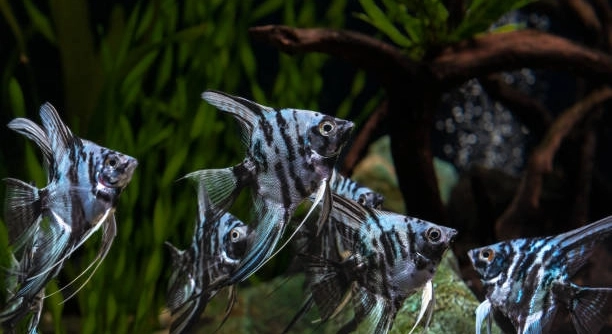
Are your angelfish acting skittish or hiding more than usual, even though their tank seems peaceful and clean? Stress in fish can often be traced back to unsuitable tankmates that disrupt their calm environment.
The best tankmates for angelfish are those that are peaceful, non-aggressive, and can thrive in similar water conditions. Ideal companions include species like corydoras, mollies, platies, and larger tetras that won’t nip fins or compete for space.
Learning about compatible tankmates will help you create a peaceful, thriving setup where your angelfish can swim freely and feel safe.
Corydoras Catfish
Corydoras catfish are peaceful bottom-dwellers that rarely bother angelfish. They prefer staying near the substrate, quietly sifting through sand or gravel for leftover food. This behavior makes them a great option because they occupy a different part of the tank. Corydoras do best in groups of six or more, which helps them feel secure and active. They enjoy planted tanks and can tolerate the same warm water conditions as angelfish. Since they are gentle and non-aggressive, there’s little risk of stress or territorial conflict. Their calm nature makes them a safe and reliable choice for any angelfish community setup.
These catfish are also helpful when it comes to tank maintenance, as they eat leftover food that falls to the bottom.
If you’re looking for tankmates that add activity without chaos, corydoras are a solid option. They keep to themselves but still bring life and balance to the aquarium environment.
Platies
Platies are colorful, hardy fish that do well with angelfish because of their peaceful temperament and adaptable nature.
They thrive in similar water temperatures and are not known to nip fins or provoke territorial behavior. Platies are also livebearers, so you may occasionally see small fry if conditions are right. Since they are active but not aggressive, they won’t startle your angelfish or compete for dominance in the tank. A small group of platies can add movement and color to the upper and middle sections of your aquarium without overwhelming the space. Feeding them is simple too, as they accept a wide range of foods including flakes and pellets. Just make sure not to overcrowd the tank, especially if you have a breeding pair of angelfish, as angelfish can get protective. Overall, platies are a gentle, low-maintenance option for those wanting a calm and visually appealing community tank.
Mollies
Mollies are peaceful fish that can comfortably share a tank with angelfish. They enjoy warm water, do well in community tanks, and are not aggressive by nature. Their active swimming doesn’t usually disturb angelfish.
They come in a variety of colors and patterns, which adds visual interest to the tank. Mollies are livebearers and can reproduce often, so it’s important to keep an eye on the population. They prefer slightly harder water, but they still adapt well to angelfish conditions. Avoid overcrowding, as too many fish in one tank can lead to water quality issues and stress. A balanced mix of males and females helps reduce aggressive chasing. Their easy-going nature and compatibility with various tank mates make mollies a common and safe choice for angelfish setups.
Regular feeding with high-quality flakes or pellets, plus occasional veggies, will keep mollies healthy. They enjoy swimming space, so a roomy tank is ideal.
Larger Tetras
Larger tetras like black skirt, lemon, or emperor tetras are a better match for angelfish than smaller ones. They are quick swimmers, peaceful in groups, and not prone to nipping. Keeping them in schools of six or more helps them feel safe and act calmly around other fish.
They stay active but don’t show aggression, which allows angelfish to swim peacefully. Larger tetras also tolerate the same temperature and pH range. Smaller tetras like neons may be mistaken for food by angelfish, especially adults. But the larger species are typically safe, even around full-grown angelfish. Avoid keeping them alone, as solitary tetras can become skittish and stressed. Provide plants or decorations where they can retreat when they want quiet time. Their schooling behavior also adds movement to the tank without creating tension. As long as they have enough swimming room and are kept in groups, larger tetras remain steady, low-stress tankmates.
Swordtails
Swordtails are active but generally peaceful, making them a good option for angelfish tanks. They swim mostly in the upper and middle areas and won’t compete for space. Males can be territorial, so a higher female-to-male ratio helps keep things calm.
They enjoy similar water temperatures and aren’t known to nip fins. Swordtails are livebearers, so population control might be needed. A well-decorated tank with hiding spots helps reduce stress and gives both species their own space to retreat when needed.
Bristlenose Plecos
Bristlenose plecos are small, gentle algae eaters that won’t bother angelfish. They usually stick to the bottom of the tank and are most active at night. Their size stays manageable, unlike common plecos, which grow too large. Bristlenose plecos help keep surfaces clean, and they enjoy driftwood and hiding spots. They prefer similar water conditions to angelfish and are not social fish, so one is usually enough. Just be sure the tank has enough food and space, as they don’t compete well with aggressive feeders. Their peaceful habits and usefulness in keeping algae under control make them an easy, helpful addition.
Ram Cichlids
Ram cichlids are small and peaceful for a cichlid species, which is why they can live with angelfish when space is sufficient.
FAQ
Can angelfish live with guppies?
It depends on the temperament of your angelfish and the size of your guppies. Some angelfish may leave guppies alone, especially if they’ve grown up together. However, guppies are small and have flowing fins, which can attract unwanted attention. Adult angelfish may chase or nip at guppies, especially during feeding or breeding times. If you try this pairing, monitor behavior closely and provide plenty of hiding spots.
How many tankmates should I keep with angelfish?
The number depends on your tank size and the types of fish you choose. A 29-gallon tank is typically the minimum size for a small angelfish community. As a general rule, allow one inch of fish per gallon, but factor in adult sizes, not juvenile ones. Overcrowding can stress angelfish and reduce water quality. Keeping 4–5 compatible fish species, with peaceful temperaments and similar water needs, is a safer approach. Always leave space for your angelfish to swim comfortably.
What fish should not be kept with angelfish?
Avoid aggressive or fin-nipping species like tiger barbs or red-tailed sharks. Also, steer clear of overly small fish like neon tetras or guppy fry, which adult angelfish may see as food. Fast or highly active fish, such as danios, can also stress angelfish. Large cichlids or territorial species like oscars should never be housed with angelfish. They are likely to compete for space or harm them. The goal is to pair angelfish with calm, non-aggressive fish that won’t provoke them.
Will angelfish eat smaller tankmates?
Yes, if a fish is small enough to fit in their mouth, there’s a good chance the angelfish will attempt to eat it. This is especially true with baby fish or small tetras. Even peaceful angelfish can display hunting instincts, especially as they grow older and larger. To avoid this, choose tankmates of a similar size or slightly larger. Providing hiding places also helps protect smaller fish that may be at risk.
Can angelfish live in a community tank?
Yes, but the tank needs to be planned carefully. Not every community setup will work with angelfish. They need calm surroundings, peaceful tankmates, and enough space to avoid territorial behavior. Angelfish also do best in groups of 2–4 if kept with others of their kind. Compatibility improves when the tank is large and has plants, rocks, or decorations to break up lines of sight and reduce stress.
Do angelfish need to be in pairs?
Not always. Angelfish can live alone, in pairs, or in small groups. A bonded pair may become aggressive during breeding and guard their area fiercely. If you don’t plan to breed them, a single angelfish with compatible tankmates is often easier to manage. If you keep a group, make sure there’s enough room, and expect some mild aggression as they form a pecking order.
How do I reduce stress for angelfish in a shared tank?
Keep water conditions stable—this includes temperature, pH, and ammonia levels. Use a gentle filter to avoid strong currents. Provide live or artificial plants for shelter. Avoid loud noises and sudden movements around the tank. Stick to a regular feeding schedule and avoid overcrowding. Calm tankmates with low aggression levels also help reduce stress. Watch for signs of distress like hiding, darting, or clamped fins.
Do angelfish get along with shrimp or snails?
Angelfish may eat smaller shrimp like cherry shrimp, especially if they’re visible and easy to catch. Larger shrimp, like Amanos, stand a better chance but can still be at risk. Snails, on the other hand, are usually safe and ignored by angelfish. They also help clean up leftover food, which keeps the tank cleaner. If you’re adding shrimp, try introducing them first and let them settle in before adding the angelfish.
Final Thoughts
Choosing the right tankmates for your angelfish can make a big difference in how peaceful and healthy your aquarium is. Angelfish are calm by nature, but they can become stressed if kept with the wrong types of fish. When choosing companions, look for peaceful species that don’t nip fins, move too fast, or fight over territory. Fish that swim in different parts of the tank are usually a better match, since they are less likely to compete for space. It’s also important to make sure all the fish in the tank enjoy similar water conditions, including temperature, pH, and hardness. This helps everyone thrive and keeps maintenance easier.
Angelfish can live well with a mix of calm bottom-dwellers, slow swimmers, and slightly larger community fish. Good tankmates include corydoras, mollies, platies, larger tetras, swordtails, bristlenose plecos, and ram cichlids. These species tend to stay peaceful, won’t nip at angelfish fins, and are easy to care for. While angelfish can show some territorial behavior—especially during breeding—it’s usually manageable with the right tank setup. A tank that has plants, decorations, or rocks can give all fish enough hiding places and reduce stress. If you plan to keep a group of angelfish, be sure the tank is large enough to give them space to swim and separate when needed.
Keeping your angelfish relaxed and stress-free is not just about choosing the right tankmates. It also means maintaining clean water, feeding a balanced diet, and keeping a steady routine. Avoid overcrowding the tank, as this can lead to aggression and health problems. Always watch your fish after adding new ones to make sure they get along. If you notice signs of stress—like hiding, fin damage, or fast breathing—it might be a sign that one of the new tankmates isn’t a good fit. Every fish has its own personality, so it’s helpful to pay attention to how they act over time. A peaceful tank doesn’t happen by accident—it comes from choosing carefully, watching closely, and adjusting when needed. With a little care, you can create a calm and colorful tank that your angelfish and their companions will enjoy.

Hello,
If you enjoy the content that we create, please consider saying a "Thank You!" by leaving a tip.
Every little bit helps us continue crafting quality advice that supports the health, happiness, and well-being of pets around the world, for pets of all shapes, sizes, and species.
We really appreciate the kindness and support that you show us!