
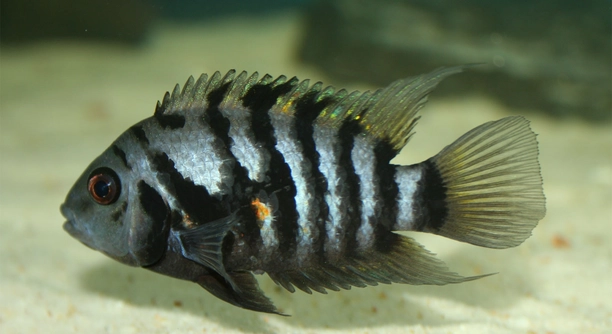
African cichlids are popular freshwater fish admired for their bright colors and lively behavior. Many aquarium enthusiasts enjoy keeping them, but managing the number of cichlids in one tank can be challenging. Proper care depends on understanding their social needs and space requirements.
The number of African cichlids that can be kept together varies with tank size, species behavior, and filtration capacity. Typically, a 55-gallon tank can house 8 to 12 medium-sized cichlids, but overcrowding may cause stress and aggression, requiring careful management.
Knowing the right balance between quantity and quality helps create a healthy environment for your cichlids. The following information will guide you on maintaining harmony in your aquarium.
Understanding African Cichlid Behavior
African cichlids are known for their territorial and sometimes aggressive behavior. They establish dominance through displays and may fight to protect their space. This behavior increases when they feel crowded or stressed. Different species vary in aggression levels, so it’s important to research each type before mixing them. Some cichlids tolerate tank mates better, while others prefer solitude or smaller groups. Providing enough hiding places and visual barriers helps reduce conflicts. Overcrowding often leads to stress, disease, and even death among fish. Maintaining stable water conditions and regular cleaning also supports peaceful interactions. Observing your fish regularly will help you notice early signs of trouble and adjust the tank setup accordingly. A well-planned aquarium respects the natural behaviors of African cichlids, promoting health and longevity.
Careful observation and proper tank arrangement can reduce aggression and keep your cichlids healthy and active.
Balancing the species and numbers in your aquarium is key. For example, mixing too many aggressive species increases fighting, while keeping compatible species helps maintain harmony. Using a larger tank with plenty of hiding spots allows dominant fish to establish territories without constant clashes. It also gives submissive fish areas to retreat. When adding new fish, introducing several at once can reduce bullying, as no single fish becomes the clear target. Regular monitoring ensures you catch early aggression signs and act swiftly. Adjusting the environment or separating overly aggressive individuals helps maintain peace. Feeding the fish adequately and avoiding overcrowding reduce stress and promote better behavior. Ultimately, understanding cichlid behavior and adapting your setup to meet their needs will create a balanced and thriving aquarium.
Tank Size and Population Limits
Tank size is a major factor in determining how many African cichlids you can keep together. Smaller tanks mean fewer fish and less space for territories. Larger tanks provide more room but require more maintenance. Stocking guidelines are useful but should be adjusted based on species behavior and tank setup.
For a typical 55-gallon tank, about 8 to 12 medium-sized cichlids are recommended to prevent overcrowding and stress.
When selecting tank size, consider future growth and adult fish sizes. Some African cichlids grow quickly and need space to swim freely. Overcrowded tanks can lead to poor water quality, increasing the risk of illness. Filtration and regular water changes help maintain a healthy environment. Adding decorations like rocks and plants breaks up the tank space, allowing fish to claim their own areas and reducing conflict. It’s important to avoid sharp objects that may injure the fish during territorial fights. Monitoring fish behavior and water parameters ensures the tank remains balanced. Adjusting the number of fish or upgrading to a larger tank is sometimes necessary for their well-being. Proper tank size and population management create a comfortable habitat for African cichlids to thrive.
Compatibility Between Species
African cichlid species vary greatly in temperament and size, affecting compatibility. Some species are aggressive and territorial, while others are more peaceful. Mixing incompatible species can lead to constant fighting and stress, harming your fish.
Choosing species from the same lake or region often improves compatibility because they share similar behaviors. For example, Lake Malawi cichlids tend to be more aggressive, while Lake Tanganyika species are calmer. Avoid mixing species with very different sizes, as larger fish may bully smaller ones. It’s also helpful to research each species’ social structure—some thrive in groups, others prefer pairs. Grouping similar species allows for more natural interactions and reduces conflicts. Planning your tank’s inhabitants carefully will create a more peaceful and balanced environment.
Incompatible combinations cause stress, injuries, and reduce fish lifespan. Understanding species-specific needs and behaviors helps maintain harmony and improves the overall health of your aquarium.
Managing Aggression
Aggression among African cichlids can be controlled through tank design and population management. Providing plenty of hiding spots reduces territorial disputes by breaking the tank into smaller areas. Rocks, caves, and plants act as shelters where fish can retreat when threatened. Spreading these features evenly helps distribute fish and minimizes competition for space.
Keeping an appropriate number of fish avoids overcrowding, which increases aggression. Introducing fish simultaneously rather than one at a time reduces bullying by preventing the establishment of strict hierarchies. Regular feeding prevents competition over food, which can trigger fights. If aggression persists, separating the most aggressive individuals or increasing tank size may be necessary. Monitoring behavior allows for timely interventions to maintain a peaceful aquarium. With careful management, aggression can be kept at a manageable level, ensuring all fish coexist more comfortably.
Water Quality Importance
Maintaining excellent water quality is essential for African cichlids’ health. Poor water conditions lead to stress, disease, and increased aggression. Regular water changes and efficient filtration are critical.
Testing water parameters frequently helps catch problems early. Keeping pH, ammonia, nitrites, and nitrates within safe levels ensures a stable environment for your fish.
Feeding African Cichlids
African cichlids need a balanced diet including protein, vegetables, and specialized pellets. Overfeeding can pollute the water and harm fish health. Feed them small portions two to three times daily, adjusting as needed to avoid leftover food.
Tank Decorations and Layout
Tank decorations influence fish behavior. Using rocks and caves creates natural territories and hiding spots. Avoid sharp edges that might injure fish during fights. Plants help provide cover and reduce aggression but should be chosen carefully, as some cichlids may uproot them.
Monitoring Fish Health
Regularly observing your fish helps catch signs of illness or stress early. Look for changes in behavior, appetite, or appearance to act promptly and maintain a healthy aquarium.
FAQ
How many African cichlids can I keep in a 20-gallon tank?
A 20-gallon tank is quite small for African cichlids. Generally, only 2 to 3 small species can be comfortably housed without causing stress or aggression. Overcrowding in a small tank leads to poor water quality and fights. It is better to choose a larger tank or fewer fish to maintain a healthy environment.
Can I mix different types of African cichlids in one tank?
Mixing different species is possible but requires careful selection. Species from the same lake or with similar temperaments tend to do better together. Avoid combining very aggressive species with peaceful ones, as this can lead to bullying. Research each species’ behavior and size before adding them to your tank.
Why are my cichlids fighting constantly?
Constant fighting usually results from overcrowding, lack of hiding places, or incompatible species. Territorial disputes increase when fish feel stressed or have no space to retreat. Improving tank layout with rocks and caves or reducing the number of fish can help reduce aggression.
How often should I change the water in my African cichlid tank?
Regular water changes are essential to maintain water quality. Changing 20% to 30% of the water every one to two weeks is a good routine. Frequent water changes remove waste and toxins, keeping fish healthy and reducing stress and aggression.
What is the best diet for African cichlids?
African cichlids need a varied diet, including high-quality pellets, protein sources like brine shrimp, and vegetables such as spinach or peas. Avoid overfeeding to prevent water pollution. Feed small amounts two to three times a day, adjusting portions as needed.
Can African cichlids live peacefully with other fish species?
African cichlids are generally territorial and aggressive, making peaceful cohabitation with other fish difficult. Some robust fish like certain catfish or plecos may coexist, but many community fish are likely to be bullied or stressed. It’s safest to keep African cichlids in species-specific tanks.
How do I reduce aggression in my cichlid tank?
To reduce aggression, provide plenty of hiding spots and visual barriers using rocks and decorations. Maintain proper stocking levels and introduce fish simultaneously to prevent hierarchy dominance. Feeding adequately and monitoring behavior regularly helps keep aggression manageable.
What tank size is recommended for African cichlids?
Tank size depends on the number and species of cichlids. A minimum of 55 gallons is recommended for a small group of medium-sized African cichlids. Larger tanks allow for better territory establishment and reduce stress caused by overcrowding.
How can I tell if my African cichlids are stressed?
Signs of stress include hiding excessively, loss of appetite, faded colors, and erratic swimming. Stress is often caused by poor water quality, overcrowding, or aggressive tank mates. Addressing these issues promptly improves fish health and behavior.
Is it necessary to quarantine new cichlids before adding them to the tank?
Yes, quarantining new fish is important to prevent disease introduction. A quarantine period of at least two weeks allows observation for illness and treatment if needed. This practice helps protect your established tank population.
What water parameters are ideal for African cichlids?
African cichlids thrive in slightly alkaline water with a pH between 7.8 and 8.6. Water temperature should be kept between 75°F and 82°F. Maintaining low ammonia and nitrite levels with regular testing ensures a safe environment.
Can African cichlids breed in a community tank?
Breeding in a community tank is difficult due to territorial aggression and competition. Successful breeding requires separating breeding pairs and providing suitable spawning sites. Without careful management, eggs and fry may be eaten by other fish.
How do decorations affect cichlid behavior?
Decorations like rocks and caves create territories and hiding spots, reducing aggression by giving fish space to claim. Avoid sharp or unstable decorations to prevent injuries. Proper tank layout mimics natural habitats, promoting healthier behavior.
What is the lifespan of African cichlids?
African cichlids typically live between 6 to 10 years with proper care. Maintaining good water quality, a balanced diet, and a stress-free environment supports a longer and healthier life for your fish.
How can I improve water filtration for a cichlid tank?
Strong filtration is needed because cichlids produce a lot of waste. Use filters rated for larger tanks than your actual size for better efficiency. Combining mechanical, biological, and chemical filtration ensures cleaner water and healthier fish.
Are there any signs of illness I should watch for in my cichlids?
Common signs include white spots, frayed fins, lethargy, and labored breathing. Early detection and treatment of diseases like ich or fin rot are crucial. Keeping the tank clean and quarantining new fish help prevent illness outbreaks.
Final Thoughts
Keeping African cichlids together requires careful planning and attention to their needs. These fish are beautiful and active but can be aggressive and territorial. Knowing how many fish to keep in your tank depends on the size of the aquarium, the species involved, and their individual behavior. Overcrowding can cause stress, fights, and poor water quality, all of which harm the fish’s health. Taking time to learn about the specific cichlid species you want will help you create a balanced and peaceful environment where they can thrive.
Proper tank setup plays a major role in reducing aggression and improving the overall wellbeing of your cichlids. Providing enough space, hiding spots, and natural barriers lets the fish establish territories without constant conflict. Regular maintenance, including water changes and monitoring water quality, keeps the tank healthy and prevents disease. Feeding the fish a balanced diet in appropriate amounts supports their energy and growth without polluting the water. These simple steps help ensure that your African cichlids live long, healthy lives with less stress.
In the end, success with African cichlids comes down to understanding their behavior and needs. Patience and observation are important. Watching how your fish interact and adjusting the tank environment as needed can prevent problems before they become serious. Whether you have a small or large tank, keeping the right number of compatible cichlids will make your aquarium a more enjoyable and stable place. With good care, African cichlids can bring color and activity to your home for many years.

Hello,
If you enjoy the content that we create, please consider saying a "Thank You!" by leaving a tip.
Every little bit helps us continue crafting quality advice that supports the health, happiness, and well-being of pets around the world, for pets of all shapes, sizes, and species.
We really appreciate the kindness and support that you show us!