
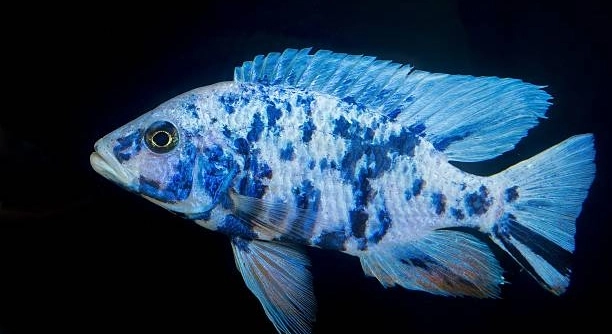
Setting up a new cichlid tank can be an exciting experience for any fish enthusiast. Getting the environment just right is important for the health and happiness of your fish. There are certain items in a new tank that can cause more harm than good if left inside.
Removing unsuitable decorations, leftover chemicals, untreated water, and unstable substrates from a new cichlid tank is essential to prevent stress, disease, and poor water quality. These elements can negatively impact fish health and tank stability.
Knowing what to avoid when starting your tank will help you create a safer and cleaner home for your cichlids. The following points will guide you through what to remove for the best results.
Unwashed Decorations
When setting up a new cichlid tank, unwashed decorations can cause serious problems. Many store-bought ornaments have dust, dirt, or chemicals from manufacturing and shipping. If you place them directly into the tank, these substances can leach harmful toxins into the water. This can stress your cichlids and make them more vulnerable to disease. Even natural items like rocks or driftwood should be cleaned properly to avoid introducing unwanted bacteria or pesticides. Taking time to rinse or soak decorations in clean water before adding them to your tank can prevent many common water quality issues. This simple step protects your fish and supports a stable environment as the tank matures.
Thoroughly rinsing or soaking all decorations helps keep your tank safe from contaminants.
Avoiding unwashed decorations is one of the easiest ways to maintain healthy water and a happy tank. It’s worth the extra effort to protect your cichlids early on.
Chemical Residues and Cleaning Agents
Cleaning new tank equipment with harsh chemicals is a common mistake. Many products contain residues that are toxic to fish. Soap, detergents, or disinfectants left on filters, nets, or tanks can linger and contaminate the water. This can cause fish stress, damage their gills, or even lead to death if not detected quickly. Always use aquarium-safe cleaners or just hot water when cleaning your tank and accessories. Rinse everything thoroughly before placing it back in the tank. This prevents any harmful substances from affecting your cichlids’ health. Avoiding chemicals also helps maintain the natural balance of beneficial bacteria, which are essential for breaking down waste and keeping water clear.
Keeping your tank chemical-free supports the delicate ecosystem needed for cichlids to thrive.
Taking care with cleaning agents protects your fish and avoids unnecessary setbacks during the early stages of tank setup. It also reduces the risk of repeated water changes caused by contamination.
Untreated Tap Water
Untreated tap water often contains chlorine, chloramine, and heavy metals harmful to cichlids. These substances can cause gill damage, stress, and even death. Using untreated water in your new tank risks the health of your fish right from the start.
Water conditioners neutralize these chemicals and make tap water safe for aquarium use. Dechlorinators remove chlorine and chloramine effectively, while some products also bind heavy metals. It is important to treat every water change or refill thoroughly. Skipping this step allows toxins to accumulate, disrupting your tank’s delicate balance.
Additionally, letting tap water sit out overnight does not remove chloramine, so relying on this method is unsafe. Properly treating water ensures a stable environment and supports the biological filter your cichlids need to thrive.
Sharp or Rough Decorations
Sharp or rough decorations can injure your cichlids easily. Scrapes and cuts from jagged edges increase the risk of infections, which can quickly become serious. Cichlids are active swimmers, and contact with unsafe surfaces can cause stress and health issues.
Before placing decorations in your tank, inspect them carefully for sharp points or rough surfaces. Sand down any edges that seem dangerous or avoid these items altogether. Smooth rocks and polished driftwood are better choices. Soft decorations reduce injury risk and help fish feel secure in their environment.
Providing safe decorations encourages natural behavior without risking harm. It also prevents costly treatments and losses due to injuries that could have been avoided. Taking a moment to check each item pays off in long-term fish health and happiness.
Excess Gravel or Substrate
Too much gravel or substrate can trap waste and create dead zones in your tank. This buildup lowers water quality and encourages harmful bacteria growth. Avoid piling substrate too thickly to keep your tank clean and healthy.
A thinner layer also makes cleaning easier and helps maintain proper water flow throughout the tank.
Live Plants with Pesticides
Live plants sometimes come treated with pesticides or chemicals to preserve them. These substances are toxic to cichlids and can disrupt the tank’s biological balance. Rinse plants thoroughly or quarantine them in clean water before adding to your tank.
Excess Food Leftovers
Leaving too much uneaten food in the tank causes water pollution. It breaks down quickly and produces ammonia, which is harmful to fish. Feed your cichlids only what they can eat in a few minutes to avoid leftover waste.
FAQ
What is the biggest risk of leaving untreated tap water in a cichlid tank?
Untreated tap water often contains chlorine, chloramine, and heavy metals, all of which can harm your cichlids. These substances can damage their gills, cause stress, and even lead to death if not removed. Treating the water with a proper conditioner before adding it to the tank is essential for keeping fish healthy and maintaining stable water quality.
How can I safely clean decorations before adding them to my tank?
Rinse decorations thoroughly with warm water, avoiding soaps or detergents. If you want to disinfect them, soak in a diluted bleach solution (about 1 part bleach to 10 parts water) for 15 minutes, then rinse many times with water and let them air dry completely. This removes dirt, bacteria, and chemicals without leaving harmful residues.
Are all natural rocks safe for cichlid tanks?
No, not all natural rocks are safe. Some rocks can alter water chemistry by raising hardness or pH, which may not suit your cichlids. Before adding rocks, test them by soaking in vinegar—if it fizzes, it contains calcium carbonate and will affect water hardness. Use inert rocks like slate or granite instead.
Why should I avoid sharp decorations in my tank?
Sharp or rough decorations can cause cuts and scrapes on your cichlids. These injuries can lead to infections and stress, lowering their immunity. Choosing smooth decorations or sanding down rough edges helps prevent these problems and keeps your fish safer.
Can live plants harm my cichlids?
Live plants can be beneficial but sometimes carry pesticides or chemicals harmful to fish. Always rinse plants thoroughly or quarantine them in a separate container before adding them to your tank. This practice prevents toxic substances from entering your aquarium and protects your cichlids.
How often should I remove leftover food from the tank?
Remove uneaten food after feeding within 5 minutes. Leftover food breaks down and produces ammonia, which is toxic to fish. Feeding only what your cichlids can eat quickly reduces waste and helps keep water quality high.
Is it okay to use soap to clean aquarium equipment?
Avoid using soap or detergent on any aquarium equipment. These chemicals are difficult to rinse fully and can poison your fish. Use hot water or aquarium-safe cleaning products instead to keep everything clean and safe.
What is the best way to handle gravel in a new tank?
Use a thin layer of gravel or substrate, about 1–2 inches deep. Too much substrate traps waste and debris, leading to poor water quality and dead zones. A thinner layer makes cleaning easier and supports better water circulation.
Can untreated decorations cause fish illness?
Yes, unwashed decorations can introduce bacteria, chemicals, or residues that cause illness in cichlids. Properly rinsing or soaking new decorations before placing them in your tank helps avoid these risks and protects your fish’s health.
Why is it important to avoid chemical residues in the tank?
Chemical residues from cleaning products or treated equipment can kill beneficial bacteria essential for the nitrogen cycle. This disruption leads to poor water quality, stressing your cichlids and increasing disease risk. Always use fish-safe methods for cleaning and equipment preparation.
Taking care of a new cichlid tank involves paying attention to many small details. Removing items that can harm your fish or affect water quality is one of the most important steps. This includes cleaning decorations, treating tap water, avoiding sharp objects, and preventing leftover food from polluting the tank. These actions help create a safer, more stable environment for your cichlids to live in. It is worth putting in this effort early on to avoid problems that can be harder to fix later.
Setting up a healthy tank is not just about choosing the right fish or equipment. It also means keeping harmful substances and materials out of the water. Chemicals, toxins, and rough surfaces can cause stress, illness, or even death in your cichlids. Making sure everything you add to the tank is safe and clean protects the natural balance your fish need. This balance supports beneficial bacteria that keep the water clean and stable. When the tank is healthy, your cichlids can grow, swim freely, and show their best colors.
Remember, a new tank requires patience and careful preparation. Taking time to remove unwanted or risky items before adding your fish makes a big difference in their well-being. It helps avoid unnecessary stress and health issues, which saves time and effort down the road. With a well-maintained environment, your cichlids will have the best chance to thrive and bring you enjoyment. Being thoughtful about these details shows respect for the life you are caring for and leads to a rewarding aquarium experience.

Hello,
If you enjoy the content that we create, please consider saying a "Thank You!" by leaving a tip.
Every little bit helps us continue crafting quality advice that supports the health, happiness, and well-being of pets around the world, for pets of all shapes, sizes, and species.
We really appreciate the kindness and support that you show us!