
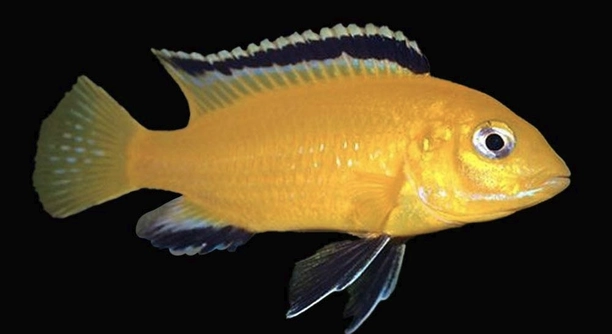
Are your cichlids spending more time apart than they used to, leaving you unsure if something might be wrong in their tank?
Cichlids often avoid each other due to stress, territorial disputes, or incompatible tank conditions. Inadequate space, mismatched species, and poor water quality can lead to aggressive behaviors and social withdrawal in these typically active fish.
Learning what causes these behaviors can help you create a more peaceful environment and improve your cichlids’ overall health and interactions.
Common Reasons Cichlids Avoid Each Other
Cichlids are known for their strong personalities and territorial nature. When they start avoiding each other, it’s usually a sign that something in the tank environment isn’t right. One common reason is limited space. These fish need enough room to claim their own territory, especially when housed with other cichlids. Overcrowding often leads to stress and conflict. Another reason is incompatible species. Some cichlids are more aggressive than others, and mixing the wrong types can result in constant tension. Water quality also matters. Poor conditions can affect their mood and behavior, making them more withdrawn. Lastly, changes in the tank—like new decorations, lighting, or recent additions—can trigger stress, causing them to stay apart. Observing their interactions closely and adjusting the setup can help improve their comfort. A peaceful tank encourages more natural and relaxed behavior, so identifying these stressors early makes a real difference in their well-being.
Cichlids can also avoid each other when one fish is dominant and the other feels threatened. This often happens during breeding or feeding times.
If you notice these behaviors, try rearranging the tank layout. Adding visual barriers like rocks or plants can help divide territories and reduce tension between the fish. Creating more hiding spots also allows shy or bullied cichlids to feel safer. Keep an eye on their feeding habits, too. If one fish is being pushed away from food, you may need to feed them in separate areas. Regular water testing and maintenance go a long way in keeping your cichlids comfortable. Also, avoid adding too many fish at once. Introduce new tankmates gradually to prevent sudden stress. By making thoughtful adjustments to your tank setup and stocking choices, you’ll create a space where your cichlids can interact in a calmer, more natural way.
When Avoidance Signals Bigger Problems
Sometimes, avoidance behavior is a sign of illness or injury. Cichlids that feel unwell may isolate themselves to avoid interaction or protect themselves.
If you suspect health issues, look for signs like rapid breathing, torn fins, or changes in appetite. Quarantine the affected fish if needed, and check for common illnesses such as ich, fin rot, or internal parasites. Poor water quality can also lead to health problems. Make sure your filter is working properly and that ammonia and nitrate levels are safe. Temperature fluctuations or incorrect pH levels may also stress your fish. Treating an illness early can improve your cichlid’s behavior and overall condition. In some cases, you might need to consult a vet who specializes in aquatic animals. Acting quickly when you see signs of distress can prevent further problems and help restore a balanced tank. Proper care and regular observation play a big role in keeping your fish healthy and active.
How Tank Setup Affects Behavior
Tank layout plays a big role in how cichlids behave. A bare tank with few hiding spots can lead to stress and more aggressive behavior. When they can’t escape each other’s view, they’re more likely to become territorial or withdrawn.
Start by making sure the tank size fits the number and type of cichlids you keep. A larger tank with plenty of rocks, driftwood, and caves helps reduce conflict. These elements create barriers that let each fish carve out its own space. Vertical decorations can break up lines of sight, which lowers tension. Use natural-looking materials that mimic their wild habitat. Even shy cichlids feel more secure when they have areas to retreat to. Plants, real or artificial, add more coverage and help reduce visual stress. Proper tank lighting also matters—too bright can cause hiding, while too dim might affect their activity.
Water movement and filter placement also shape their comfort. Cichlids prefer steady but not overwhelming flow, so try positioning your filter to avoid harsh currents near their territories. Ensure oxygen levels stay high, especially in tanks with a high bio-load. Smooth circulation also helps with consistent temperature, reducing cold or hot spots that may bother your fish. Even small setup changes, like shifting a rock or plant, can influence social dynamics. If one fish suddenly becomes more dominant, adjusting the layout may restore balance. Regularly observe how they interact with the space. If one area is always a battleground, it may need rearranging. A well-planned tank lowers stress and supports more natural interactions.
Feeding Habits and Their Impact
Feeding time can create tension in a tank. If one cichlid dominates the food, others may stay away and begin to avoid interaction even outside of meals. Uneven feeding can lead to long-term stress.
Try spreading food across different areas of the tank. This gives slower or more timid fish a better chance to eat. Use sinking pellets for bottom dwellers and floating food for top swimmers. Feeding at the same time each day creates a routine that reduces anxiety. If you notice chasing or food guarding, consider feeding smaller amounts more often. This breaks up the intensity of feeding time and gives each fish more opportunities to eat. Avoid overfeeding, as leftover food can harm water quality and add to stress. Watching how your cichlids behave during meals can give helpful clues about their social structure and whether adjustments are needed.
Uneven nutrition affects more than just behavior—it can cause physical stress too. Underfed cichlids may become weak, sick, or even more withdrawn over time. Make sure each fish is getting enough food without overcrowding the tank at feeding time. Use tools like feeding rings or turkey basters to direct food to specific areas. If you have aggressive feeders, distract them with floating pellets while others eat from a different spot. Also, vary their diet with frozen or live foods to maintain interest and provide better nutrition. When feeding is managed well, fish behave more calmly and show less avoidance. Balanced feeding routines contribute to a more peaceful and active tank.
Seasonal and Breeding Behaviors
Cichlids sometimes avoid each other during breeding. One fish may become aggressive while protecting eggs or fry, causing the others to stay away. This behavior is natural but can lead to long-term stress if there’s no space to retreat.
Temperature and light changes throughout the year can also affect behavior. Warmer temperatures often trigger breeding instincts, which may increase tension. Shorter daylight hours might make some cichlids less active or more withdrawn, especially if the lighting or temperature changes too quickly. These seasonal shifts can play a big role in how cichlids interact.
Signs You Should Separate Fish
If aggression continues for days and one fish shows signs of injury, separation might be needed. Watch for ripped fins, hiding, or missed feedings. A temporary divider or moving the fish to another tank can help avoid serious harm and reduce stress for all fish involved.
Final Thoughts on Observation
Small behavior changes can reveal bigger issues. Watch how your cichlids act during feeding, rest, and interaction. Consistent avoidance, hiding, or loss of appetite are early signs that the environment or social balance might be off. Regular checks help catch problems before they get worse.
FAQ
Why do my cichlids suddenly avoid each other?
Cichlids may suddenly avoid each other because of changes in their environment or social structure. New tank decorations, altered water conditions, or introducing new fish can upset their balance. Stress from overcrowding or lack of hiding spots can also cause them to keep their distance. These shifts often trigger defensive or shy behavior.
How long does it take for cichlids to get used to new tankmates?
It usually takes a few days to a couple of weeks for cichlids to adjust to new tankmates. Some species are more tolerant, while others are aggressive and slow to accept newcomers. During this period, expect some chasing or avoidance as they establish territory and social rank.
Is it normal for cichlids to ignore each other?
Yes, cichlids sometimes ignore each other, especially if they have established clear territories or if they are shy by nature. This behavior isn’t always a sign of a problem, but if it lasts too long or one fish hides excessively, it could mean stress or illness.
Can water quality affect how cichlids behave toward each other?
Poor water quality can have a big impact on cichlid behavior. High ammonia, nitrite, or nitrate levels cause stress and discomfort, making fish more prone to aggression or withdrawal. Regular water testing and maintenance keep the tank stable and reduce avoidance behavior.
How much space do cichlids need to avoid conflicts?
Cichlids need enough space to claim individual territories. A general rule is about 20 gallons per medium-sized cichlid, but this depends on the species. More space helps reduce stress and fighting, especially if the tank includes rocks and hiding spots that break up sightlines.
What are signs that cichlids are stressed due to tank conditions?
Stress signs include hiding for long periods, loss of appetite, faded colors, rapid breathing, and increased aggression. When stressed, cichlids may also swim erratically or stay near the surface. These behaviors often indicate poor water quality, overcrowding, or unsuitable tank setup.
How can I reduce aggression among cichlids?
To reduce aggression, provide plenty of hiding places and space. Avoid mixing highly aggressive species together. Feed fish regularly and in multiple spots to prevent competition. Rearranging decorations occasionally can also help reset territories and reduce conflicts.
Is it okay to separate aggressive cichlids permanently?
Sometimes permanent separation is necessary if aggression is severe or one fish is constantly bullied. Using separate tanks or dividers can protect the more vulnerable fish and keep both safe. Temporary separation can help while adjusting the tank environment.
Do cichlids need specific lighting to behave normally?
Lighting affects cichlid behavior. Too bright light can stress fish and cause hiding, while too dim can reduce activity. A balanced lighting schedule mimics their natural habitat, usually 8 to 12 hours of light daily, helping them feel secure and maintain normal social behaviors.
What should I do if my cichlids stop eating and avoid each other?
If cichlids stop eating and avoid each other, check water quality and temperature immediately. Inspect for signs of illness like spots or torn fins. Quarantine sick fish if needed. Sometimes stress from tank changes causes this behavior, so adjusting the environment can help restore normal activity.
Can breeding cause cichlids to avoid each other temporarily?
Yes, during breeding, one or both parents may become aggressive and keep others away from the nest. This behavior protects their eggs or fry but usually calms down once the young are free-swimming. Providing plenty of hiding places helps reduce stress for all fish during this time.
Are there specific cichlid species that avoid each other more than others?
Some species are naturally more solitary or territorial, causing them to avoid others more often. For example, African cichlids from Lake Malawi tend to be more aggressive and territorial, while South American cichlids like angelfish may be more social. Knowing your species helps manage expectations and tank setup.
How often should I rearrange the tank to reduce tension?
Rearranging the tank every few weeks or months can help break established territories and reduce aggression. However, don’t change everything at once; small adjustments to rock placement or plants are enough. This keeps the environment stimulating and helps fish reset their social order.
Can stress from avoidance behavior affect cichlid health?
Yes, chronic stress from social avoidance or aggression weakens the immune system and makes cichlids more susceptible to disease. It can also reduce growth and lifespan. Addressing the causes early, such as improving tank conditions or separating fish, supports better health and longer life.
What role does diet play in cichlid behavior?
A balanced diet supports healthy behavior and reduces stress. Poor nutrition can make cichlids weaker and more vulnerable to bullying or withdrawal. Feeding varied foods like pellets, flakes, and live or frozen options ensures they get all needed nutrients to stay active and social.
Final Thoughts
Watching cichlids avoid each other can be worrying, but it is often a sign that some part of their environment needs attention. These fish are naturally territorial and social at the same time, so changes in tank conditions, water quality, or tankmates can make them keep their distance. Understanding the reasons behind their behavior helps in making simple adjustments that can improve their comfort. Whether it is adding more hiding spots, adjusting the tank size, or checking water parameters, small changes can have a big effect on their interactions. Paying close attention to their behavior and environment allows you to create a healthier space where your cichlids feel safe and secure.
It is important to remember that not all avoidance is a problem. Sometimes, cichlids naturally give each other space, especially when they have established territories or during breeding periods. This kind of separation helps reduce conflict and keeps the tank peaceful. However, if the avoidance becomes constant or one fish shows signs of stress or illness, it signals a need for intervention. Regular tank maintenance, proper feeding routines, and monitoring water quality are key parts of keeping your cichlids healthy and happy. When these basics are taken care of, many behavior issues improve on their own.
Finally, patience is essential when managing cichlid behavior. These fish take time to settle in new environments or with new tankmates. Rushing to change everything at once can increase stress and make problems worse. Gradual changes, such as slowly adjusting the tank setup or introducing fish one at a time, allow cichlids to adapt more easily. Always observe their reactions and be ready to make further adjustments if needed. With consistent care and attention, your cichlids will grow more comfortable, interact more naturally, and avoid unnecessary stress, creating a peaceful and balanced aquarium environment.

Hello,
If you enjoy the content that we create, please consider saying a "Thank You!" by leaving a tip.
Every little bit helps us continue crafting quality advice that supports the health, happiness, and well-being of pets around the world, for pets of all shapes, sizes, and species.
We really appreciate the kindness and support that you show us!