
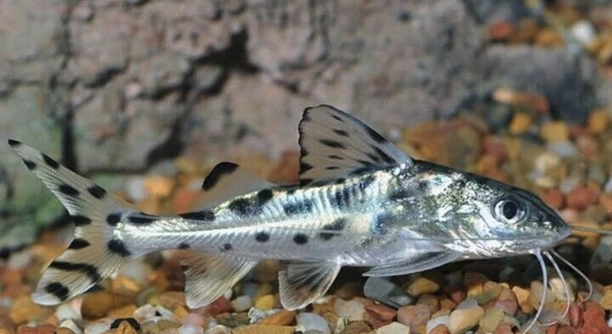
Is your pictus cat behaving unusually or showing signs of discomfort? These subtle changes can indicate underlying issues that may affect your pet’s well-being. Recognizing early signs helps in providing the right care for your pictus.
When a pictus acts strange, common causes include illness, stress, environmental changes, or dietary problems. Identifying these factors quickly can prevent worsening health and ensure proper treatment or adjustment to their living conditions.
Knowing what to check can help you respond effectively and maintain your pictus’s health and happiness. The following points cover key areas to observe and address.
Changes in Eating Habits
Pictus cats are usually consistent eaters, so any change in their appetite is worth noting. If your pictus suddenly eats less or refuses food, it might be feeling unwell or stressed. Illness can affect their digestion or cause discomfort, making them less interested in food. Sometimes, a change in diet or feeding schedule can upset them. Environmental factors like a new pet or moving to a different space may also cause a loss of appetite. Keep an eye on how much your pictus is eating each day, and whether it shows signs of nausea or difficulty swallowing. Noticing these early signs can help you act before a minor issue becomes serious.
Sudden eating changes often indicate health problems or stress that should be addressed promptly to ensure your pictus’s well-being.
Monitoring your pictus’s eating habits helps spot problems early. Consistent food intake means your pet is likely comfortable and healthy. If you notice a drop in appetite, consider recent changes in their environment or diet. Illnesses like infections or dental issues could also be affecting them. Providing fresh food and water, maintaining a quiet feeding area, and sticking to regular feeding times can encourage normal eating. If your pictus refuses food for more than a day or shows other symptoms like vomiting, it is important to consult a vet. Acting early supports recovery and prevents complications.
Unusual Behavior or Activity Levels
A sudden increase or decrease in activity can signal that something is off with your pictus. If your pet becomes lethargic or unusually restless, it might be uncomfortable or stressed. Changes in behavior often reflect health or environmental issues that need attention.
Behavior changes may result from pain, illness, or anxiety, which should be assessed carefully to protect your pictus’s health.
Changes in activity can mean several things. If your pictus is less active than usual, it could be feeling pain, tired, or sick. On the other hand, restlessness or hyperactivity may indicate stress, lack of stimulation, or discomfort. Environmental changes, such as new pets, visitors, or loud noises, can also affect behavior. Sometimes, illness may cause your pictus to hide or avoid interaction. Observing how your pictus moves, plays, or rests gives clues about its condition. Creating a calm, stable environment and offering toys or activities can reduce stress. If the behavior persists or worsens, a vet visit is needed to rule out medical problems and provide care.
Changes in Water Intake
An increase or decrease in your pictus’s water intake can signal health issues. Drinking more or less than usual often points to problems needing attention.
Changes in water consumption may indicate dehydration, kidney problems, or diabetes. If your pictus drinks more water, it might be trying to compensate for a health issue. Less water intake could mean your pet is avoiding discomfort caused by illness or mouth pain. Tracking how much your pictus drinks daily helps spot these signs early. Providing fresh water in a clean bowl encourages regular drinking, which is important for their health.
Water intake is closely linked to overall well-being. Ensure your pictus always has access to clean water. If you notice a significant shift in drinking habits, consult your vet promptly. Early detection helps manage health problems effectively.
Changes in Social Behavior
A pictus that suddenly becomes withdrawn or overly clingy is showing signs of stress or discomfort. These social changes should be carefully observed and addressed.
Social behavior shifts often reflect how your pictus feels physically and emotionally. Withdrawal might mean your pet is in pain or feeling unwell. Conversely, increased clinginess can be a sign of anxiety or seeking comfort. Environmental changes or new additions to the home can trigger these responses. Paying attention to these social cues helps you understand your pictus’s needs better. Adjusting their environment or seeking veterinary advice ensures they stay comfortable and secure.
Unusual Vocalizations
Changes in your pictus’s vocal sounds can mean discomfort or stress. Increased meowing or unusual noises are signs to watch closely.
Pay attention if your pictus suddenly becomes more vocal or makes sounds you haven’t heard before. This may indicate pain, anxiety, or a need for attention.
Physical Signs of Illness
Look for visible symptoms like swelling, discharge, or changes in fur condition. These signs often point to underlying health problems that need prompt care.
Ignoring physical symptoms can worsen your pictus’s condition. Regularly check for lumps, wounds, or unusual odors. Early detection improves treatment success and comfort.
Environment Changes
A new environment or rearranged space can affect your pictus’s behavior and well-being. Stability helps maintain comfort and reduces stress.
FAQ
Why is my pictus acting more restless than usual?
Restlessness in a pictus can result from stress, illness, or environmental changes. New pets, visitors, or loud noises may make your pictus uneasy. Sometimes, restlessness is caused by discomfort or pain from health issues. Providing a calm environment and observing for other symptoms can help identify the cause. If restlessness persists, consulting a vet is important to rule out medical problems and ensure your pet’s comfort.
What should I do if my pictus stops eating?
A sudden loss of appetite is a concern and could indicate illness, stress, or dental problems. Check if there have been changes in food type or feeding routine. Ensure the feeding area is quiet and comfortable. Offer fresh food and water regularly. If your pictus refuses food for more than 24 hours or shows other symptoms like vomiting or lethargy, contact a veterinarian promptly to address potential health issues.
How can I tell if my pictus is dehydrated?
Signs of dehydration include dry gums, sunken eyes, and lethargy. You may also notice less frequent urination. To check, gently pinch the skin on the back of the neck—if it doesn’t return quickly to place, your pictus might be dehydrated. Make sure fresh water is always available, and encourage drinking by placing water bowls in quiet, accessible locations. If dehydration signs appear, seek veterinary care immediately.
Why does my pictus suddenly hide more than usual?
Increased hiding can signal stress, fear, or illness. If your pictus feels unsafe or unwell, it may seek quiet spaces to rest and avoid interaction. Environmental changes like new pets, visitors, or loud noises often cause hiding behavior. Monitor for additional symptoms and try to maintain a calm, stable environment. If hiding continues or your pictus shows signs of illness, a vet check is recommended.
Is it normal for my pictus to change its sleeping patterns?
Pictus cats have flexible sleeping schedules but sudden changes can indicate discomfort, pain, or stress. Sleeping more than usual may be a sign of illness, while less sleep or restlessness could reflect anxiety. Observe other behaviors and health signs. Consistent sleep helps maintain their health, so disruptions warrant attention. A vet visit can help determine if there is an underlying problem affecting sleep.
What causes sudden aggression in my pictus?
Sudden aggression often arises from fear, pain, or stress. If your pictus is hurt or feeling threatened, it may act defensively. Changes in environment, new pets, or loud noises can also trigger aggressive responses. Avoid forcing interaction during these times and give your pet space. If aggression persists or worsens, consult a vet to rule out health issues or seek advice on behavior management.
How often should I take my pictus to the vet?
Regular check-ups every 6 to 12 months are recommended to catch health issues early. If your pictus shows unusual behavior, changes in appetite, or physical symptoms, visit the vet sooner. Preventative care includes vaccinations, dental checks, and parasite control. Keeping up with vet visits supports your pictus’s long-term health and helps address problems before they become serious.
When your pictus is acting weird, it’s important to pay close attention to the changes. Small signs, such as differences in eating habits, water intake, or behavior, can indicate that something isn’t right. Catching these early helps prevent more serious health problems. Observing your pet daily gives you valuable information about their normal routine and what might be unusual. Being aware of these changes means you can provide the care your pictus needs, whether that means adjusting their environment or seeking veterinary help.
Taking care of a pictus involves understanding their needs and habits. Sometimes changes in behavior or activity levels are due to stress or changes in their surroundings. Other times, they can be caused by illness or discomfort. It’s important to create a stable and calm environment for your pictus to help reduce stress. Keeping their feeding, play, and rest routines consistent supports their well-being. When you notice anything unusual, such as hiding more often or making new vocal sounds, taking action early is the best way to support your pet’s health.
Regular check-ups with a veterinarian play a key role in maintaining your pictus’s health. Professional care can detect problems that aren’t always obvious at home. Your vet can help identify causes of strange behavior and recommend treatments or changes to improve your pictus’s quality of life. Remember that small changes in your pet’s daily habits can have many causes, so consulting a professional is often the safest choice. Caring attentively ensures your pictus stays happy and healthy for years to come.

Hello,
If you enjoy the content that we create, please consider saying a "Thank You!" by leaving a tip.
Every little bit helps us continue crafting quality advice that supports the health, happiness, and well-being of pets around the world, for pets of all shapes, sizes, and species.
We really appreciate the kindness and support that you show us!