
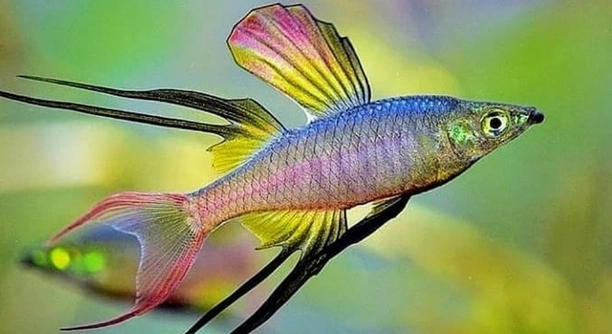
Do you ever notice small changes in your threadfins’ behavior that seem unusual or out of place? Observing these subtle differences can be important for keeping your fish healthy and preventing serious illnesses.
Threadfins often display specific odd behaviors before falling ill, including reduced swimming activity, unusual floating patterns, decreased appetite, sudden color changes, erratic movements, increased hiding, and surface gasping. Early recognition of these signs allows for timely intervention.
Recognizing these behaviors early can help you act before illness worsens. Monitoring daily habits is key to supporting your threadfins’ health and well-being.
Reduced Swimming Activity
Threadfins typically swim actively and explore their environment, so a noticeable decrease in movement is a key warning sign. When you observe your fish lingering at the bottom of the tank or moving sluggishly, it often indicates an underlying health issue. Reduced swimming activity can result from poor water quality, stress, or internal infection. Many threadfins instinctively hide or slow their movements when unwell, conserving energy while the body fights illness. It is important to monitor other behaviors alongside swimming, such as appetite and interaction with tank mates. Keeping a daily log of activity can help spot subtle changes early. Temperature fluctuations or oxygen levels in the tank can also impact energy, so consistent monitoring of these factors is essential. Timely identification of reduced swimming activity allows for interventions like water adjustments or dietary support, improving the chances of recovery.
Observing sluggish movement is often the first noticeable sign of illness. Prompt action can prevent further health decline and complications.
Consistently low activity can signal serious conditions, including bacterial or parasitic infections. Threadfins may also react to poor water conditions by slowing down, which can reduce feeding and affect overall health. Addressing environmental factors, checking water parameters, and isolating affected fish can help prevent disease spread. Providing high-quality food and minimizing stress are also crucial. Early attention to swimming changes often makes treatment simpler and recovery faster. By observing your threadfins carefully, you can ensure they remain active, healthy, and resilient, reducing the risk of chronic or fatal illnesses.
Erratic Movements
Erratic swimming, such as darting, spinning, or crashing into objects, is another early sign of illness. It often points to stress, parasites, or nervous system issues that require immediate attention.
Threadfins exhibiting unusual or unpredictable swimming behavior may be suffering from internal infections, water quality issues, or sudden environmental changes.
Erratic movements are not always obvious at first. Small, repetitive patterns like twitching or sudden bursts of speed can indicate discomfort or disease. These behaviors often accompany other warning signs, including appetite loss or color changes. Observing the timing and frequency of erratic movements can help determine the cause, whether it stems from poor water conditions, parasites, or injury. Taking steps to stabilize water parameters, reducing tank stressors, and isolating affected fish when necessary can limit the progression of illness. Understanding and addressing the factors behind unusual swimming ensures the long-term health of your threadfins and prevents minor issues from escalating into severe health problems.
Decreased Appetite
Threadfins that suddenly eat less or ignore food are often signaling health problems. Monitoring feeding habits is critical for early detection of illness.
A reduced appetite can result from stress, poor water conditions, or the onset of bacterial and parasitic infections. Threadfins depend on regular feeding for energy and immune function, so even short-term changes in eating patterns can impact their health. Observing which foods are refused or eaten less can help identify underlying issues. Providing a balanced diet and ensuring clean, stable water conditions supports recovery and prevents nutritional deficiencies that may worsen illness.
Persistent lack of interest in food can indicate severe health concerns. Combined with other signs, such as lethargy or erratic movements, it often signals that immediate intervention is needed. Adjusting diet, isolating affected fish, and maintaining optimal tank conditions can help restore normal feeding behavior and improve overall health. Paying close attention to eating patterns allows you to act quickly, minimizing stress and enhancing the chances of recovery.
Unusual Hiding Behavior
Threadfins spending excessive time in hiding spots often indicate discomfort or illness. Observing tank locations and duration can reveal early warning signs.
Hiding more than usual may stem from stress, poor water quality, or internal parasites. Threadfins instinctively seek shelter when feeling vulnerable, conserving energy while their immune system responds to challenges. Comparing current hiding habits with baseline behavior helps determine whether the change is concerning. Adjusting lighting, water parameters, and minimizing disturbances can encourage normal activity while supporting recovery.
Prolonged hiding may reduce feeding opportunities and limit oxygen intake if fish remain in low-circulation areas. Combining these observations with other behaviors, such as color changes or erratic swimming, provides a clearer picture of health. Maintaining clean water, stable temperatures, and balanced nutrition supports threadfins’ return to normal activity. Addressing environmental and health factors promptly prevents minor issues from developing into serious illness, ensuring fish maintain strength and vitality.
Color Changes
Sudden dulling or unusual darkening of threadfins’ colors often signals stress or illness. Regular observation helps detect subtle shifts before conditions worsen.
Color changes can be caused by poor water quality, disease, or nutrient deficiencies. Noting patterns and timing helps determine the source and address it promptly.
Surface Gasping
Threadfins frequently coming to the surface for air may indicate low oxygen levels or gill problems. Promptly checking tank aeration and water quality is essential to prevent further health decline.
Sudden Loss of Coordination
A sudden loss of balance or difficulty maintaining orientation often points to neurological or internal health issues. Immediate intervention, including isolating affected fish and adjusting water conditions, can reduce stress and prevent the condition from worsening.
What should I do if my threadfin shows reduced swimming activity?
When threadfins slow down or linger at the bottom, it is important to first check the tank’s water parameters, including temperature, pH, and oxygen levels. Poor water conditions can stress fish and reduce activity. Next, observe for other signs, such as loss of appetite or color changes. Adjusting the environment by ensuring proper filtration and aeration can help. If no improvement occurs, consider isolating the affected fish and consulting a veterinarian or aquatic specialist. Providing high-quality food and maintaining a consistent feeding schedule supports energy and recovery.
Why is my threadfin exhibiting erratic movements?
Erratic swimming often signals discomfort, stress, or infection. Look for sudden bursts of speed, spinning, or crashing into objects, which are not normal behaviors. Common causes include internal parasites, neurological problems, or poor water quality. Addressing environmental stressors by stabilizing water conditions and reducing sudden changes in lighting or tank layout is essential. Isolating affected fish can prevent further stress or injury. Monitoring other signs, such as appetite and color, helps identify the underlying problem. Prompt intervention improves chances of recovery and prevents potential complications from worsening health issues.
How can I tell if my threadfin has decreased appetite?
Track feeding patterns daily. A noticeable decline in interest or refusal to eat certain foods is a red flag. Causes can include stress, infections, or dietary imbalances. Offering easily digestible, high-quality food may encourage eating. Check water quality and temperature, as poor conditions often suppress appetite. If the problem persists, isolating the fish and observing additional symptoms can clarify whether medical intervention is necessary. Supporting recovery through proper nutrition, stable conditions, and minimizing disturbances ensures the fish can regain normal feeding habits more quickly.
What does unusual hiding behavior mean in threadfins?
Threadfins that suddenly spend excessive time in hiding may be experiencing stress, illness, or environmental discomfort. Compare current behavior to normal patterns, noting duration and location of hiding. Adjusting lighting, minimizing disturbances, and maintaining stable water conditions can help reduce stress. Hiding is often accompanied by other signs like color change or lethargy, indicating the need for closer observation. Timely action helps prevent prolonged inactivity from affecting feeding and overall health. Providing adequate space and hiding spots while monitoring for additional symptoms ensures that fish recover safely and remain active.
Why are my threadfins gasping at the surface?
Surface gasping often indicates low oxygen levels or gill-related health problems. Check tank aeration, water flow, and dissolved oxygen. Temperature fluctuations can also reduce oxygen availability. Ensure proper filtration and circulation to maintain adequate oxygen throughout the tank. If gasping persists, examine the fish for gill damage, parasites, or disease. Isolating affected individuals can reduce stress and allow focused care. Improving water quality and providing supplemental aeration supports recovery. Continuous monitoring of water conditions is crucial to prevent recurrence and maintain threadfins’ long-term health.
What causes sudden loss of coordination in threadfins?
Loss of balance or difficulty swimming normally may result from neurological problems, infections, or internal organ issues. Observe the fish for other symptoms like lethargy, color changes, or abnormal movements. Isolating the affected fish reduces stress and prevents accidents. Stabilize water conditions, maintain consistent temperature, and provide a calm environment to support recovery. If symptoms persist, consulting a veterinarian or aquatic specialist is recommended. Early detection and intervention can prevent further deterioration, allowing the fish to regain normal coordination and reducing the risk of secondary health complications.
How can I prevent these odd behaviors in threadfins?
Maintaining stable water quality, proper aeration, and regular cleaning routines reduces stress and lowers the risk of illness. Provide a balanced diet and avoid overfeeding. Observe daily for subtle behavioral changes and respond promptly to signs of distress. Quarantine new fish before introduction to the tank to prevent disease spread. Consistent care, environmental stability, and attention to feeding and social behavior help minimize the occurrence of unusual or concerning behaviors. Preventive measures often make the difference between minor issues and serious health problems.
When should I seek professional help for my threadfin?
Professional help is needed if abnormal behaviors persist, worsen, or are accompanied by physical signs like sores, swelling, or color loss. Consulting a veterinarian or aquatic specialist ensures accurate diagnosis and appropriate treatment. Attempting home remedies without understanding the cause can worsen conditions. Early intervention often improves recovery outcomes. Observing multiple indicators together, including swimming patterns, appetite, hiding, and gasping, helps determine the urgency. Keeping detailed notes of changes and environmental conditions provides professionals with essential information for effective care and supports the overall well-being of your threadfins.
Are there environmental factors that trigger odd behaviors in threadfins?
Yes. Poor water quality, inconsistent temperatures, low oxygen, overcrowding, and sudden environmental changes can all trigger stress behaviors. Monitoring parameters daily and maintaining stable conditions minimizes risk. Adjusting lighting, providing appropriate hiding spots, and maintaining a consistent feeding routine further reduce stress-related behaviors. Environmental stability is key to preventing illnesses that manifest through unusual swimming, hiding, or feeding patterns. Regular observation allows quick intervention if a problem arises.
Can diet affect my threadfin’s behavior?
Diet plays a critical role in health and behavior. Nutrient deficiencies, low-quality food, or irregular feeding schedules can cause lethargy, reduced appetite, and unusual swimming. Offering a balanced diet rich in proteins, vitamins, and minerals supports immune function and energy levels. Observing how fish respond to specific foods helps identify preferences and potential issues. Proper nutrition, combined with environmental stability, reduces the likelihood of illness and odd behaviors, ensuring threadfins remain active, healthy, and resilient.
Threadfins are generally active and resilient fish, but they can show unusual behaviors when something is wrong. Observing their daily habits is one of the most effective ways to maintain their health. Small changes, like reduced swimming, hiding more than usual, or unusual movements, often indicate stress or illness. Early detection is key because addressing problems quickly can prevent them from becoming severe. Consistent observation allows you to understand what is normal for your fish, so deviations are easier to recognize. This awareness helps in making timely adjustments to the tank environment or seeking professional advice when necessary. Paying close attention to these signs is a practical step in keeping threadfins healthy and active over time.
Maintaining proper tank conditions is equally important. Water quality, temperature, oxygen levels, and cleanliness all play critical roles in fish health. Poor water conditions can cause stress and trigger odd behaviors that may lead to illness. Regular testing of water parameters and following proper cleaning schedules help create a stable environment. Overcrowding and sudden changes in tank conditions should also be avoided. Providing a balanced diet with sufficient nutrients supports energy levels and immune function. Observing how your threadfins respond to their environment and diet helps prevent problems from developing and ensures that they remain strong and healthy. Stability in the tank reduces stress, which is one of the main triggers for unusual or concerning behaviors.
Finally, taking action when unusual behaviors appear is essential. Isolating affected fish, adjusting water conditions, or consulting a veterinarian or aquatic specialist can make a significant difference in outcomes. Monitoring other behaviors alongside the primary warning signs provides a clearer picture of health and helps identify the underlying cause of the issue. Even minor changes in swimming, feeding, or hiding patterns should not be ignored. Consistent care, attention, and proactive responses create a safer and healthier environment for threadfins. Understanding these behaviors, maintaining optimal conditions, and responding promptly when problems arise ensures the long-term well-being of your fish and enhances your ability to enjoy a thriving aquatic environment.

Hello,
If you enjoy the content that we create, please consider saying a "Thank You!" by leaving a tip.
Every little bit helps us continue crafting quality advice that supports the health, happiness, and well-being of pets around the world, for pets of all shapes, sizes, and species.
We really appreciate the kindness and support that you show us!