
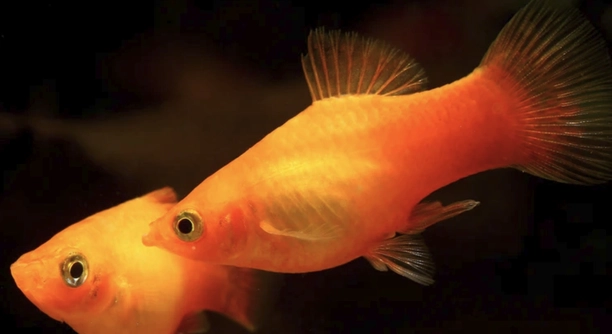
Platies are popular freshwater fish loved for their bright colors and peaceful nature. Feeding them properly is important to keep them healthy and active. Small changes in feeding habits can make a big difference for their wellbeing.
Smart feeding tricks for platy health include offering a balanced diet, avoiding overfeeding, providing varied foods, and maintaining clean tank conditions. These methods support digestion, prevent illness, and promote vibrant colors and growth in platies.
Knowing these feeding tips helps you support your platies’ long-term health and enjoy their lively presence in your aquarium.
Balanced Diet for Platies
Providing a balanced diet is essential for keeping platies healthy. These fish need a mix of proteins, fats, and vitamins to thrive. Commercial fish flakes designed for tropical fish can form the base of their diet. However, it’s important to supplement with fresh or frozen foods like bloodworms, brine shrimp, or daphnia. Vegetables such as blanched spinach or peas offer fiber that aids digestion. Feeding small amounts multiple times a day prevents overfeeding and keeps water quality stable. Remember, variety is key to ensuring platies receive all necessary nutrients. Over time, a balanced diet helps maintain their bright colors and supports their immune system, reducing the risk of common illnesses.
A well-rounded diet helps platies stay active and lively. It supports their natural growth patterns and overall health.
Feeding your platies a balanced diet means offering a good mix of dry foods, live or frozen protein, and plant-based options. This combination supports digestion and encourages healthy behavior. Watching your fish respond positively to varied meals can be rewarding, knowing they get what they need for long-term wellness.
Avoiding Overfeeding
Overfeeding platies is a common issue that can lead to water pollution and health problems. Excess food that isn’t eaten breaks down, releasing harmful toxins into the tank. This can cause stress and diseases in your fish. Feeding only what they can consume in about two minutes, once or twice daily, is ideal. Remove leftover food promptly to keep the tank clean. Maintaining proper feeding amounts also helps prevent obesity, which can shorten platies’ lifespan.
Keeping feeding portions small helps maintain a healthy tank environment and keeps platies in good shape.
Controlling how much you feed your platies is one of the simplest ways to protect their health. Overfeeding can cause bloating and swim bladder issues, which affect their swimming. It also encourages algae growth, leading to poor water conditions. By sticking to measured feedings and observing their behavior, you can keep both your fish and aquarium in top condition. This practice not only benefits the platies but also reduces maintenance time for you.
Provide Varied Foods
Platies benefit from a mix of foods to get all needed nutrients. Offering different types keeps their diet interesting and healthy.
Including live or frozen foods like brine shrimp and bloodworms adds protein that flakes alone may lack. Vegetables such as zucchini or spinach provide fiber and vitamins, helping digestion. Variety also prevents nutritional gaps and encourages natural foraging behavior. It’s helpful to rotate foods regularly to keep them interested and well-nourished. This simple step boosts their immune system and supports growth while enhancing their vibrant colors.
Offering a balanced variety of foods prevents boredom and nutritional deficiencies. It promotes healthy digestion and supports their natural diet, making your platies stronger and more colorful. Feeding variety is a small effort that shows in their lively behavior and overall health.
Maintain Clean Tank Conditions
Clean water is critical for platy health. Regular tank maintenance reduces toxins that stress fish and cause disease.
Changing 20-30% of the water weekly helps remove waste and keeps the environment stable. Using a good filter and removing uneaten food also prevents buildup of harmful substances. Keeping the substrate clean by vacuuming reduces bacteria growth and keeps the tank fresh. Healthy water conditions support digestion and help your platies absorb nutrients better. Good water quality also encourages activity and vibrant colors.
Maintaining clean tank conditions is one of the best ways to support your platies’ health. It prevents common illnesses caused by poor water and creates a comfortable home for your fish to thrive. Consistent care helps them live longer and stay energetic.
Feed Small Portions
Feeding small portions at a time helps prevent leftover food from polluting the tank. It also keeps platies from overeating, which can cause health problems.
Small meals encourage better digestion and reduce waste in the aquarium. This keeps water cleaner and fish healthier.
Use High-Quality Food
Choosing high-quality fish food ensures platies get the right nutrients. Low-quality food may contain fillers that offer little nutritional value and can harm water quality. Investing in reputable brands supports your fish’s growth, color, and immune system. Quality food is easier for platies to digest, which improves their overall health and vitality.
Observe Your Platies
Watching your platies during feeding helps you understand their needs and health. It lets you adjust food amounts and types to keep them thriving.
FAQ
How often should I feed my platies?
Feeding platies once or twice a day is usually enough. Give them only what they can eat in about two minutes. Overfeeding can lead to poor water quality and health issues, so controlling the portion size is important. Splitting their daily food into small meals helps with digestion and keeps the tank cleaner.
Can platies eat only flakes?
While flakes provide basic nutrition, feeding platies only flakes is not ideal. Flakes may lack certain nutrients that live or frozen foods offer. Adding protein sources like bloodworms or brine shrimp and vegetables like spinach improves their diet. Variety keeps them healthy and encourages natural feeding behavior.
What vegetables are safe for platies?
Safe vegetables for platies include blanched spinach, zucchini, peas, and cucumber. These provide fiber, which aids digestion. Always blanch vegetables to soften them and make them easier to eat. Remove any uneaten pieces promptly to avoid fouling the tank.
Is it okay to feed platies freeze-dried food?
Freeze-dried foods like bloodworms or brine shrimp are good supplements. They offer extra protein but should not replace fresh or frozen foods entirely. Rehydrate freeze-dried food before feeding to prevent digestive problems and make it easier for platies to eat.
How do I know if I am overfeeding my platies?
Signs of overfeeding include leftover food in the tank, cloudy water, and platies showing signs of bloating or sluggishness. Uneaten food causes waste buildup, which harms water quality. Stick to small portions and remove uneaten food quickly to prevent problems.
What should I do if my platies refuse to eat?
If platies stop eating, check water conditions first—poor water quality can stress them. Try offering different foods like live or frozen options to entice them. Also, ensure the tank temperature is appropriate, as cold water can reduce appetite. If refusal continues, consult a vet or fish expert.
Can platies eat algae?
Platies may nibble on algae, which can supplement their diet. However, algae alone is not enough. Providing a balanced diet with flakes, protein, and vegetables is necessary to meet their nutritional needs fully.
Should I feed my platies at night?
Platies are daytime feeders and do not usually eat at night. Feeding them during the day fits their natural habits and helps avoid leftover food that could decay overnight. A consistent feeding schedule supports their health and tank cleanliness.
How important is variety in feeding platies?
Variety is very important. It prevents nutrient deficiencies and keeps platies interested in their food. Rotating flakes, live foods, frozen options, and vegetables ensures a complete diet. Variety also helps prevent boredom, which can affect their eating behavior and health.
Can feeding affect platy color?
Yes, a good diet enhances platy colors. Foods rich in carotenoids and vitamins help maintain their vibrant hues. Feeding only basic flakes might dull their colors over time. Including foods like brine shrimp or specially formulated color-enhancing flakes supports their bright appearance.
Feeding platies correctly is key to keeping them healthy and happy. By focusing on a balanced diet, small portions, and variety, you create the best conditions for them to thrive. Platies need a mix of proteins, vegetables, and high-quality flakes to get all the nutrients they require. This not only supports their growth but also helps maintain their bright colors and energy levels. Overfeeding or feeding only one type of food can lead to health problems and poor water quality, so it’s important to watch their portions and offer different food types regularly.
Maintaining a clean tank and good water quality is just as important as feeding. Uneaten food and waste can build up quickly, causing stress and illness in your fish. Changing the water regularly and using a proper filter will keep the environment healthy for your platies. Watching your fish’s behavior during feeding times can give you clues about their health and needs. If they seem sluggish or stop eating, it might be time to check the tank conditions or adjust their diet. Paying attention to these details makes a big difference in their wellbeing.
In the end, feeding your platies is about balance and care. Small changes, like feeding less but more often or adding fresh vegetables, can improve their health a lot. Keeping food varied helps meet their nutritional needs and keeps them interested in eating. Clean water and a good feeding routine create a comfortable home where your platies can live longer and stay active. Following these simple steps helps you enjoy watching your colorful fish while giving them the best care possible.

Hello,
If you enjoy the content that we create, please consider saying a "Thank You!" by leaving a tip.
Every little bit helps us continue crafting quality advice that supports the health, happiness, and well-being of pets around the world, for pets of all shapes, sizes, and species.
We really appreciate the kindness and support that you show us!