
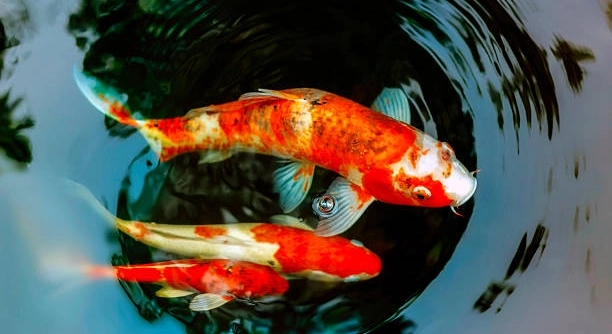
Koi fish are popular in garden ponds and are known for their bright colors and graceful movements. Many people enjoy watching how these fish behave in different weather conditions. Rainfall is one natural event that can change how koi act.
Koi fish respond to rainfall by becoming more active and sometimes feeding near the surface. Rain can also affect water temperature and oxygen levels, which influence koi behavior and health. These changes make koi adjust their movements and habits accordingly.
Understanding how rainfall impacts koi fish can help pond owners care for them better. This knowledge ensures koi remain healthy and comfortable in their outdoor homes.
How Rainfall Changes Pond Conditions
Rainfall affects the pond environment where koi live. When it rains, fresh water enters the pond, which can lower the water temperature slightly. Cooler water often means koi will swim more actively because they feel more comfortable. Rain also adds oxygen to the water as raindrops hit the surface, which benefits koi by improving their breathing. However, heavy rain can stir up sediment at the bottom, making the water cloudy. This can make koi less visible and sometimes stressed. The new water can also change the pH balance or dilute nutrients and minerals in the pond. These shifts cause koi to adjust their behavior to stay healthy. Watching how koi respond to these environmental changes helps pond owners know when to check water quality or adjust care routines.
Rainfall refreshes the pond but also challenges koi to adapt quickly. Their ability to respond is part of what makes them resilient fish.
Keeping track of these changes during and after rainfall helps maintain a balanced pond environment. Proper care after rain includes checking filters and water clarity. This way, koi continue to thrive and remain healthy despite shifting conditions caused by rain.
Koi Feeding Behavior During Rain
Koi often change their feeding habits when it rains.
During rainfall, koi may come closer to the pond surface, where raindrops create ripples. The rain can wash insects, leaves, or other small food particles into the water, which koi notice and start feeding on. Some koi become more active and curious, exploring the new items that fall into the pond. However, if the rain is heavy or the water gets too cold, koi might slow down their feeding as they conserve energy. Light rain usually encourages feeding, but constant rain can make koi less eager to eat. Understanding these patterns helps pond owners provide food at the right times, avoiding overfeeding or stress caused by environmental changes. Observing koi during rain can give clear signs of their needs and well-being. This makes caring for them easier and more effective.
Rainfall’s Effect on Koi Health
Rainfall can impact koi health in both positive and negative ways. Light rain often improves oxygen levels, which is good for koi, but heavy rain may introduce pollutants or sudden temperature changes that can stress them.
Sudden drops in water temperature from heavy rain can weaken koi’s immune systems, making them more vulnerable to diseases. Pollutants like fertilizers or dirt washed into the pond during rain can also harm water quality. If the pond drains poorly, water may become stagnant, increasing the risk of harmful bacteria. Regular water testing after rainfall helps detect any issues early. Ensuring good filtration and avoiding overfeeding during rainy periods supports koi health and keeps the pond stable.
Good pond management after rainstorms includes monitoring water clarity and temperature closely. Taking these precautions helps koi stay strong and healthy despite the changing environment caused by rainfall.
Behavioral Changes After Rainfall
Koi often display calmer behavior once rain stops.
After rainfall, koi tend to explore less actively and may retreat to deeper parts of the pond. This calmer state allows them to recover from sudden water changes. Sometimes, koi rest near pond plants, which provide shelter and a feeling of safety. If the water remains cloudy or cool, koi may feed less than usual for a short period. Observing koi behavior after rain gives clues about water conditions and their overall comfort. Adjusting feeding routines and monitoring water quality during this time helps maintain koi well-being.
Noticing these subtle behavior changes after rain helps pond owners understand how koi cope with environmental shifts. This awareness can improve care decisions and keep koi thriving through varying weather.
Rainwater Quality and Koi Safety
Rainwater can bring both clean water and contaminants into a koi pond. It’s important to watch for pollutants like pesticides or heavy metals that may harm koi.
Using a rain diverter or covering part of the pond can reduce contamination risks. Regular water tests after rain help keep koi safe.
Monitoring Water Levels After Rainfall
Ponds often rise quickly during heavy rain, which can overflow filters or spill into nearby areas. Monitoring water levels after storms prevents damage.
Adjusting pond equipment and draining excess water when needed helps maintain a stable environment. This keeps koi comfortable and the pond clean.
Seasonal Rainfall Effects
Rainfall impacts vary by season. Spring rain usually helps refill ponds and encourage koi activity.
In colder months, rain can lower water temperature drastically, slowing koi metabolism and feeding. Understanding these seasonal differences is key to proper koi care.
Protecting Koi During Storms
Strong storms can stress koi with sudden water changes and loud noises. Providing shelter and minimizing disturbances during storms supports koi health.
FAQ About How Koi Fish Respond to Rainfall
How does rain affect koi fish behavior?
Rain can make koi more active because fresh water cools the pond and adds oxygen. They often swim near the surface during light rain, searching for food washed in by raindrops. Heavy rain may make them less active if water temperature drops too much or the water becomes cloudy.
Is rainfall good or bad for koi ponds?
Rainfall can be both helpful and harmful. Light rain improves oxygen levels and refreshes the pond, which benefits koi health. But heavy rain can introduce pollutants, cause sudden temperature changes, and stir up sediment. Monitoring water quality after rain is important to keep koi safe.
Should I feed koi during or after rain?
Feeding during light rain is usually fine, as koi tend to be more active and look for food near the surface. However, after heavy or long rain, koi might eat less because of cooler water temperatures and cloudy conditions. It’s best to reduce feeding until water conditions stabilize.
Can heavy rain harm koi fish?
Heavy rain can stress koi by changing water temperature quickly and lowering oxygen levels if the water becomes too cloudy. Pollutants washed in by rain can also affect their health. Good pond maintenance, including proper filtration and water testing, helps protect koi from these effects.
How do I protect koi during heavy rain or storms?
Make sure the pond has good filtration and stable water levels to handle extra water. Providing hiding places like plants or shelters helps koi feel safe during storms. Avoid feeding koi right before heavy rain, and check water quality after storms to address any issues quickly.
What water changes happen in a pond after rain?
Rainwater dilutes the pond water, which can slightly lower pH and nutrient levels. It also adds oxygen as raindrops hit the surface. However, rain can bring in dirt, chemicals, or debris, which may cloud the water or reduce water quality. Testing and cleaning after rain helps maintain a healthy pond.
Why does the water get cloudy after rain?
Rain can wash soil and debris into the pond, stirring up sediment at the bottom. This makes the water look cloudy and reduces clarity. Cloudy water can stress koi and affect oxygen levels. Running filters and avoiding feeding during this time helps the pond clear up faster.
How does seasonal rain affect koi differently?
In spring and summer, rain tends to encourage koi activity by cooling warm water and adding oxygen. In fall and winter, rain can lower already cool water temperatures, slowing koi metabolism and feeding. Knowing these seasonal effects helps with proper feeding and care throughout the year.
What signs show koi are stressed by rain or water changes?
Stressed koi may hide more, stop eating, or swim erratically. They might also show color fading or increased breathing at the surface if oxygen is low. Observing behavior closely after rain helps spot early signs of stress, so care can be adjusted quickly.
Can I use rainwater to top off my koi pond?
Rainwater is usually good for topping off because it’s free of chemicals like chlorine. However, make sure the rainwater is clean and not contaminated by nearby pollutants. Collect rainwater in a clean container and test it before adding large amounts to the pond.
How often should I test pond water after it rains?
Testing water within 24 to 48 hours after heavy rain is a good practice. It helps catch changes in pH, oxygen, ammonia, and other important factors that affect koi health. Frequent testing during rainy seasons ensures prompt action if water quality worsens.
Does rainwater change koi feeding habits permanently?
No, rainwater usually only causes temporary changes in koi feeding. They adjust quickly as water conditions settle. Pond owners should watch for feeding shifts after rain and adjust food amounts accordingly to avoid overfeeding or underfeeding.
What equipment helps protect koi during heavy rain?
Good filtration systems, water level sensors, and pond covers or shelters can protect koi. Aerators help maintain oxygen levels, especially during cloudy, rainy periods. Regular maintenance ensures equipment functions properly when rain affects the pond.
Is it normal for koi to hide more after a storm?
Yes, koi often seek shelter after storms to avoid sudden changes and stress. Providing plants, rocks, or pond decorations gives koi safe places to rest until conditions improve. This behavior is a natural way for koi to protect themselves.
Koi fish respond to rainfall in many ways, and understanding these responses helps keep them healthy and happy. Rain can bring changes in water temperature, oxygen levels, and water quality, all of which affect how koi behave. During light rain, koi often become more active and feed near the surface because the rain adds fresh water and oxygen. However, heavy rain may cause the water to become cloudy or cooler, which can make koi less active and sometimes stressed. Knowing how koi react to these changes allows pond owners to adjust their care routines, like feeding less or checking water quality more often. These small steps make a big difference in koi health.
It is important to pay close attention to the pond after rainfall. Heavy rain can introduce pollutants like dirt, fertilizers, or chemicals, which may harm koi if left unchecked. Cloudy water caused by rain can reduce oxygen levels and create a stressful environment for the fish. Testing the pond water regularly and maintaining proper filtration helps keep the pond clean and safe. Pond owners should also monitor water levels and temperature during and after rainstorms, as sudden changes can impact koi well-being. Providing hiding places, such as plants or rocks, gives koi a safe space to recover after a storm. These protective measures support koi through changing weather conditions.
Overall, rainfall is a natural part of the koi pond environment that affects both the fish and their habitat. While it can bring fresh water and benefits, it also poses challenges that require careful attention. By watching how koi behave during rain and taking simple actions like adjusting feeding and checking water quality, pond owners help their koi stay healthy year-round. Being mindful of the effects of rainfall and responding appropriately creates a better home for koi and ensures they continue to thrive. This understanding is key to enjoying the beauty and calm presence of koi fish in any outdoor pond.

Hello,
If you enjoy the content that we create, please consider saying a "Thank You!" by leaving a tip.
Every little bit helps us continue crafting quality advice that supports the health, happiness, and well-being of pets around the world, for pets of all shapes, sizes, and species.
We really appreciate the kindness and support that you show us!