
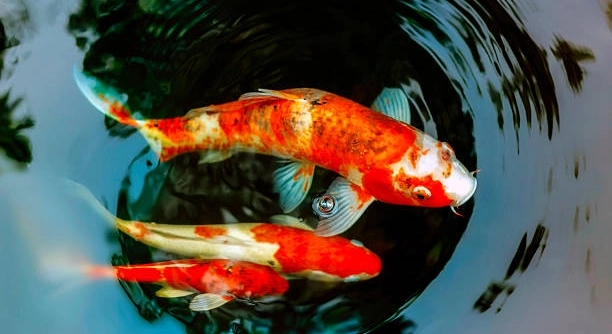
Maintaining a healthy pond is important for both plants and wildlife. Testing your pond water regularly helps ensure the right balance for a thriving environment. Knowing when to test can prevent problems before they start.
Testing your pond water is essential at specific times such as after heavy rain, when adding fish, during algae blooms, before winter, after fertilizing plants, if fish show signs of stress, and following any chemical treatments. These checks maintain water quality and ecosystem stability.
Understanding these key moments to test your pond water can help you protect its health and keep it beautiful year-round.
After Heavy Rainfall
Heavy rain can change your pond’s water quality quickly. Rainwater often carries debris, dirt, and chemicals from surrounding areas into your pond. This can cause sudden shifts in pH levels, increase turbidity, and introduce pollutants. Testing the water after a storm helps identify any drastic changes early, so you can take action before aquatic life suffers. It’s common for rain to dilute the water, lowering essential nutrients or oxygen levels. Checking these factors ensures your pond remains balanced. Ignoring this can lead to algae blooms or fish stress. A simple water test after heavy rain helps you keep track of these changes and maintain a safe environment for your pond’s plants and animals.
Regular testing after rain protects your pond from unexpected water quality shifts and potential damage.
Being proactive after rainfall helps prevent long-term harm. Small adjustments, like aeration or partial water changes, can stabilize your pond’s ecosystem quickly, ensuring everything stays healthy.
Adding New Fish
Introducing new fish to your pond is exciting but requires careful water testing. New fish are sensitive to water conditions and can also bring diseases. Testing your pond water before adding fish ensures it has the right temperature, pH, and oxygen levels to support them. It’s important to test again after introduction to detect any sudden changes caused by the fish or their transport water. These checks help prevent stress and disease outbreaks. Keeping the water stable reduces the risk of losing your new additions. Proper testing supports a smooth transition for the fish and keeps your pond environment safe for all inhabitants.
During Algae Blooms
Algae blooms signal an imbalance in pond water. Testing helps identify causes such as excess nutrients or improper pH.
Algae thrive when nitrogen and phosphorus levels rise, often from fertilizers or decaying plant matter. Testing these nutrients allows you to take steps like reducing runoff or adding beneficial plants. Checking pH is important too, as algae grow best in certain ranges. Early testing prevents the bloom from worsening and keeps fish and plants healthier.
Oxygen levels often drop during blooms, stressing aquatic life. Testing dissolved oxygen helps decide if aeration or partial water changes are needed. Managing algae through water tests keeps your pond balanced and clear.
Before Winter Sets In
Testing before winter is crucial for pond health during colder months.
Water temperature, oxygen, and pH levels change as temperatures drop. Testing these factors before winter helps prepare your pond. Low oxygen during ice cover can harm fish, so knowing oxygen levels helps you decide if aeration or pond heaters are necessary. pH can also shift with temperature changes, affecting fish and plants. Testing before winter ensures you make adjustments to maintain a stable environment. Proper winter preparation protects your pond’s ecosystem and reduces stress on fish during cold months.
After Fertilizing Plants
Fertilizing pond plants can change water chemistry quickly. Testing afterward helps track nutrient levels and prevents over-fertilization.
Excess nutrients can cause algae growth or harm fish. Testing keeps the balance right and protects the pond environment.
If Fish Show Signs of Stress
Signs like gasping, erratic swimming, or lethargy often mean water quality issues. Testing helps identify problems early.
Measuring ammonia, nitrite, and oxygen levels reveals if water conditions are unsafe. Prompt action based on test results can save your fish and restore pond health.
Following Chemical Treatments
Chemicals like algaecides or medications affect water quality. Testing after treatment checks if levels return to normal.
Water tests ensure treatments worked and no harmful residues remain, protecting both fish and plants from unintended damage.
FAQ
How often should I test my pond water if everything seems fine?
Even if your pond looks healthy, it’s best to test the water at least once a month. Regular testing helps you catch small changes before they turn into big problems. Conditions can shift slowly due to weather, plant decay, or waste buildup. Monthly checks for pH, ammonia, nitrite, and oxygen give you a good overview of water health. In warmer months, when biological activity is higher, you may want to test every two weeks. Staying consistent helps keep fish and plants safe, even when things seem stable on the surface.
What are the most important parameters to test in a pond?
Focus on pH, ammonia, nitrite, nitrate, and dissolved oxygen. These are the most common indicators of water health. pH affects how fish and plants absorb nutrients. Ammonia and nitrite are toxic and should always be near zero. Nitrates are less harmful but still need monitoring. Oxygen is critical for fish and bacteria that break down waste. You can also test water hardness and phosphate if you’re dealing with specific issues like algae or sensitive fish species. Test strips are convenient, but liquid test kits give more accurate results.
Can I use tap water to top off or refill my pond?
Yes, but you should test and treat it first. Tap water often contains chlorine or chloramine, which can harm fish and beneficial bacteria. Use a water conditioner to neutralize those chemicals before adding it to the pond. Also, test the pH and hardness of your tap water, as it may be very different from what’s in your pond. Adding untreated tap water without checking can create sudden shifts that stress fish or promote algae growth. Even small top-offs should be done carefully to avoid upsetting the balance.
Why does my pond water turn green so quickly?
This usually means an algae bloom. It happens when the water has too many nutrients—especially from fish waste, fertilizer, or decaying plants. Sunlight and warm temperatures also speed up algae growth. Testing for phosphate, nitrate, and ammonia will help you figure out what’s feeding the algae. Once you know the cause, you can cut back on feeding, improve filtration, or add floating plants to reduce sunlight. Regular water testing helps you spot the problem early and prevent algae from taking over again.
Do I need a professional to test my pond water?
No, most people can do it themselves with a basic water test kit. These kits are easy to use and come with instructions. Test strips are fast, but liquid kits give clearer results. If you’re facing serious issues or have a large pond, it might help to get advice from a pond specialist. But for most backyard ponds, regular at-home testing is enough to catch and fix problems before they grow. Just be sure to write down your results each time so you can track changes.
Is cloudy water a reason to test the pond?
Yes, cloudy water can be a sign of several problems. It could be caused by algae, bacteria blooms, excess waste, or disturbed sediment. Testing helps figure out what’s going on. Check for ammonia, nitrites, and pH first. If those look fine, test for nitrate and phosphate. Cloudiness doesn’t always mean danger, but it often points to an imbalance. Testing helps you avoid guessing and start making the right changes to clear the water and protect aquatic life.
What time of day is best for testing pond water?
Test your pond water in the morning for the most stable readings. Throughout the day, temperature and oxygen levels can shift due to sunlight and plant activity. Morning tests give you a better baseline, especially for pH and oxygen. Try to test at the same time each day if you’re doing multiple checks. Being consistent helps you spot trends and make accurate comparisons. It’s also easier to detect stress on your pond early in the day, before temperatures rise.
Can cold weather affect my water test results?
Yes, cold weather slows down biological activity, which can change the results. For example, ammonia may build up if beneficial bacteria become less active. Oxygen levels might also drop if the surface freezes over or if there’s less movement in the water. Test regularly even in winter to catch these changes. You may not need to test as often, but it’s still important to monitor your pond during cold months, especially before and after freezing conditions. Accurate testing helps avoid surprises and keeps fish safe in lower temperatures.
Final Thoughts
Keeping your pond healthy is not just about how it looks, but how it functions below the surface. Water testing is a simple task that makes a big difference in maintaining that balance. By checking your pond at the right times—like after heavy rain, before adding fish, or when algae appears—you’re giving yourself a better chance at avoiding larger problems down the road. It doesn’t take much time, and the tools are easy to use, whether you prefer strips or liquid kits. Just a few minutes of testing can save you from dealing with cloudy water, stressed fish, or dying plants later.
Even if your pond seems fine, regular testing is still useful. Water can change slowly over time due to weather, runoff, or waste buildup. These shifts are often invisible until there’s already a problem. A steady testing routine gives you clear data, so you can catch small changes early. When something looks off—like green water or fish acting strange—you’ll know what to check and how to respond. It’s not about perfection, just awareness. Staying in tune with what’s happening in the water helps create a more stable and peaceful space, both for you and for the living things in your pond.
There’s no one-size-fits-all answer for how often to test, but knowing the key moments makes it easier to build a habit. Keep a small notebook or digital record of your test results, so you can notice patterns over time. That way, if something changes suddenly, you have a reference to go back to. The more you test, the more confident you’ll feel about your pond care. It’s not about being an expert—it’s about paying attention. Water testing might seem like a small task, but it supports everything else you do to care for your pond. With a bit of consistency, you’ll help your pond stay clean, clear, and full of life.

Hello,
If you enjoy the content that we create, please consider saying a "Thank You!" by leaving a tip.
Every little bit helps us continue crafting quality advice that supports the health, happiness, and well-being of pets around the world, for pets of all shapes, sizes, and species.
We really appreciate the kindness and support that you show us!