
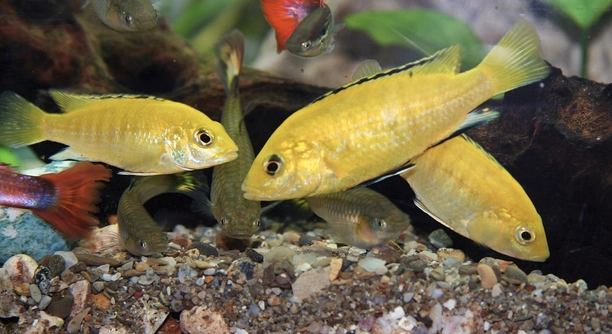
Electric Yellow Cichlids are vibrant and lively fish that catch attention in any aquarium. Their bright yellow color makes them stand out, but their behavior is just as fascinating. Observing them can reveal patterns of social interaction and hierarchy.
Electric Yellow Cichlids establish dominance through body posture, fin displays, and controlled aggression. Larger, more confident individuals assert control over territory and resources, often chasing or nipping smaller fish to reinforce social ranking within the group.
Understanding these behaviors helps you maintain a balanced aquarium and ensures each fish thrives in its environment. Proper observation can improve care and harmony among your cichlids.
Recognizing Dominance Signals
Electric Yellow Cichlids use a variety of signals to show dominance in the tank. Their body posture is the first thing to notice. Dominant fish often hold themselves upright, flaring their fins and appearing larger than they are. Color intensity also plays a role; a more vivid yellow can signal confidence and strength to other fish. Aggressive gestures like chasing, nipping, or bumping less dominant fish are common. These behaviors are not random but carefully controlled, designed to assert authority without causing serious injury. Observing which fish initiate these actions and which react submissively can help identify the hierarchy. Even subtle signs, like slight fin flicks or brief staring contests, indicate social ranking. Dominance is reinforced daily, with each interaction contributing to the overall balance in the tank. By recognizing these cues, you can manage tank space, feeding, and territory more effectively, reducing unnecessary stress among your cichlids.
Dominant fish often occupy the center of the tank, claiming favorite hiding spots and feeding areas.
Tracking these signals over time provides insight into social patterns. You can predict conflicts and prevent overcrowding. Consistent observation ensures each fish’s behavior is understood.
Managing Tank Dynamics
Proper tank setup reduces stress and promotes healthy social behavior among Electric Yellow Cichlids. Providing plenty of hiding spots and visual barriers allows less dominant fish to escape confrontations, which lowers tension. Rocks, plants, and caves create natural territories, making it easier for dominant fish to establish zones. Overcrowding increases aggression, so maintaining appropriate numbers is crucial. Feeding routines also influence behavior; spreading food evenly prevents competition from becoming too intense. Observing fish interactions daily allows early intervention if disputes become excessive. Simple adjustments, like rearranging decor or separating overly aggressive individuals, maintain harmony. With attention and care, cichlids can display natural dominance without harming each other.
Balancing the tank environment ensures every fish can thrive while respecting the natural hierarchy. Attention to space, resources, and observation creates a peaceful, healthy setup.
Adjusting the tank layout, monitoring aggression, and understanding individual personalities supports long-term stability. Dominant fish may still assert control, but when the environment accommodates everyone, stress is minimized. Each fish benefits from adequate hiding spots and well-distributed resources. Feeding carefully, avoiding sudden changes, and noticing subtle body language further reduces tension. Even minor decor shifts can prevent repeated disputes over favorite areas. By tracking interactions, you can anticipate dominant behaviors and guide fish into safe routines. Ensuring each fish has its own territory or retreat area is key to minimizing injury and stress. Over time, dominance becomes structured rather than chaotic, creating a balanced social order where all cichlids can coexist. Consistency and careful observation help maintain this stability.
Feeding and Resource Control
Dominant Electric Yellow Cichlids often eat first and claim the best spots near food. Submissive fish wait or are pushed aside, which can affect growth and health if not managed carefully. Proper feeding techniques help balance access for all fish.
Feeding multiple small portions around the tank reduces competition and prevents bullying. Scatter flakes or pellets near hiding spots to ensure shy fish can eat safely. Dominant fish still get their share, but other fish have a chance to access food without constant stress. Uneaten food should be removed promptly to avoid water quality issues. Feeding at consistent times also reduces anxiety, as fish learn routines and are less likely to fight over meals. Observation during feeding reveals which fish are consistently dominant, allowing adjustments in tank setup or portion distribution to maintain harmony.
Water quality and consistent feeding schedules are essential for reducing aggressive behavior. Even minor changes in feeding routines can trigger conflicts among cichlids. Monitoring how each fish responds ensures everyone gets adequate nutrition. Adjusting the amount, timing, and location of food promotes a healthier social balance and keeps all fish active and growing properly. By staying attentive, you can prevent dominance-related stress from affecting tank health, ensuring a more stable and peaceful environment for all Electric Yellow Cichlids.
Territorial Behavior
Electric Yellow Cichlids mark and defend territory using visual and physical cues. Rocks, caves, and plants become key areas for dominance displays and refuge.
Territorial fish often patrol their areas, chasing intruders away and establishing boundaries. Conflicts usually occur near prime spots, such as the center of the tank or near shelter. Providing multiple hiding spots and evenly spaced decorations allows fish to create personal zones, which lowers aggression and reduces injuries. Some dominant fish will guard the same territory consistently, while others shift depending on rivals. Submissive fish adapt by avoiding certain areas or hiding in less contested spaces. Observing these patterns helps manage tank layout effectively, allowing each fish to claim a safe space without constant confrontation.
Territory size, tank layout, and population density all influence dominance intensity. Overcrowding increases fights, while larger tanks with more hiding spaces reduce tension. Adjusting decorations or dividing space helps manage disputes, ensuring less dominant fish have retreats. Dominant fish use displays rather than constant attacks if boundaries are respected, leading to a more stable hierarchy. Understanding each fish’s territorial preference allows careful planning for feeding, breeding, and enrichment, keeping aggression at manageable levels and promoting healthier social dynamics throughout the tank.
Social Hierarchy
Dominant Electric Yellow Cichlids are usually larger and more confident, while subordinate fish show submission through posture and movement. Understanding this hierarchy helps prevent unnecessary stress and allows each fish to coexist peacefully within the tank environment.
Subtle gestures, like brief chasing or fin flicks, reinforce the hierarchy. Less dominant fish learn to avoid confrontation, which stabilizes interactions and reduces injury.
Breeding and Dominance
Dominant males often control prime spawning sites and select mates. They display brighter colors and more intense behaviors to attract females and ward off rivals. Subordinate males may wait for opportunities or avoid breeding areas entirely. Dominance directly influences reproductive success, making social ranking important in tank populations.
Stress Management
High aggression or overcrowding increases stress, affecting health and coloration. Monitoring fish behavior and adjusting the tank setup helps maintain calm and healthy cichlids.
FAQ
How can I tell which Electric Yellow Cichlid is dominant?
Dominant cichlids usually display upright posture, flared fins, and brighter coloration. They often occupy central or preferred areas of the tank and initiate chasing or nipping toward smaller or subordinate fish. Submissive fish tend to avoid these areas and keep a lower profile, often hiding or moving away quickly. Observing these interactions over several days provides a clear view of the social ranking within your tank.
Do dominant fish harm others?
Dominance in Electric Yellow Cichlids is usually expressed through controlled aggression. Chasing, fin flaring, or brief nips are common but rarely cause serious injury if the tank is large enough and has sufficient hiding spaces. Overcrowding or lack of visual barriers increases the risk of injury. Ensuring the tank has multiple caves, rocks, and plants allows less dominant fish to retreat and reduces stress for everyone.
Can dominance change over time?
Yes, hierarchy is not fixed. As fish grow, gain strength, or recover from illness, their social rank can change. A previously dominant fish may lose status, and a submissive fish may become more confident. Observing daily behavior helps identify changes early, allowing adjustments to feeding, territory, or tank layout to prevent stress or fights.
How should I feed a tank with dominant and submissive cichlids?
Feeding several small portions spread throughout the tank reduces competition and ensures all fish get food. Place flakes or pellets near hiding spots so shy fish can eat safely. Dominant fish will still eat first, but the risk of malnutrition or stress for submissive fish decreases. Removing uneaten food promptly maintains water quality, preventing further problems.
Does tank size affect dominance?
Yes, smaller tanks can intensify conflicts because there is less space for territories and hiding spots. Larger tanks give fish room to establish boundaries, reducing constant chasing. Proper decoration with rocks, plants, and caves allows each fish to claim personal space, lowering aggression and maintaining social balance.
What role do females play in dominance?
While males often display the brightest colors and more aggressive behavior, females also contribute to social structure. They may assert minor dominance within small groups, protect fry, or influence male interactions during breeding. Their behavior can subtly shift the tank’s hierarchy, making observation important for understanding overall dynamics.
Can I separate overly aggressive fish?
Yes, temporarily isolating an aggressive fish can prevent injury and allow the social order to stabilize. Using a divider or separate tank helps both dominant and subordinate fish calm down. Reintroducing the fish gradually after observing behavior reduces stress and encourages healthier interactions.
How does breeding affect dominance?
During breeding, dominant males control the best spawning sites and court females actively. They may become more aggressive toward rivals, and their territory becomes more strictly defended. Subordinate males may wait for opportunities or move to less contested areas. Providing multiple breeding spots helps distribute aggression and reduces stress.
Is it normal for some fish to always hide?
Yes, shy or submissive fish often stay in corners, behind rocks, or among plants. This is a natural response to dominant individuals and helps them avoid injury. Ensuring sufficient hiding spaces allows these fish to feed, rest, and grow without constant stress, promoting overall tank health.
How can I maintain balance among Electric Yellow Cichlids?
Regular observation, proper tank size, balanced feeding, and thoughtful placement of decorations help manage dominance. Adjusting the environment when aggression rises, providing multiple hiding spaces, and monitoring changes in behavior are key to keeping all fish healthy, calm, and active.
How often should I check interactions?
Daily observation is best. Short, consistent monitoring sessions help identify new conflicts, changes in hierarchy, or signs of stress early. Catching issues promptly allows adjustments before aggression escalates, keeping the tank peaceful and healthy for all fish.
Can dominant fish affect the health of others?
Yes, chronic stress from bullying can weaken the immune system, reduce appetite, and affect coloration in subordinate fish. Ensuring proper tank conditions, hiding spots, and fair feeding distribution helps mitigate these effects and supports the wellbeing of all cichlids.
Are visual barriers important?
Absolutely. Rocks, plants, and caves break line-of-sight and allow fish to retreat. Visual barriers reduce constant confrontations, lower stress, and give less dominant fish safe areas to rest, eat, and grow. Adjusting decorations periodically can also prevent one fish from monopolizing a particular area.
Can I predict conflicts in my tank?
Observing social cues, territory boundaries, and feeding behavior helps anticipate potential disputes. Dominant fish usually patrol certain areas and display toward rivals. Submissive fish often avoid these zones. Recognizing these patterns early allows you to intervene by adjusting space, decor, or feeding to prevent fights.
What signs indicate stress from dominance?
Signs include faded coloration, hiding excessively, loss of appetite, and rapid swimming or erratic movements. Submissive fish may be constantly chased or unable to access food. Promptly addressing environmental factors, adjusting tank layout, and ensuring adequate resources can reduce stress and maintain a healthier social balance.
How can I support less dominant fish?
Provide multiple hiding spots, scatter food, and observe interactions closely. Avoid overcrowding and consider temporary dividers if needed. Ensuring all fish have access to safe spaces and sufficient nutrition helps maintain their health and reduces stress caused by dominant individuals.
Does age affect dominance?
Older, larger, or more experienced fish often dominate younger ones. However, growth spurts or changes in health can shift hierarchy. Watching these dynamics ensures the tank remains balanced and that no fish is constantly stressed or excluded from essential resources.
How does tank decoration influence behavior?
Proper decoration creates territories, hiding spots, and visual barriers. Rocks, plants, and caves allow fish to claim personal areas, lowering aggression. Changing decor occasionally prevents one fish from controlling the best spots permanently and encourages movement, exploration, and healthier interactions among all cichlids.
Can dominance be completely eliminated?
No, dominance is a natural part of Electric Yellow Cichlid behavior. The goal is not to remove it entirely but to manage it. Providing space, hiding spots, and balanced resources ensures it is expressed without harm, allowing all fish to coexist and thrive peacefully.
How do I know when intervention is necessary?
Intervene if chronic chasing, visible injuries, or signs of extreme stress appear. Adjusting tank layout, adding hiding spots, or temporarily separating aggressive fish helps prevent long-term harm and keeps the social structure balanced. Consistent monitoring is key to timely and effective intervention.
How does dominance affect tank maintenance?
Dominant fish may intimidate others from feeding or accessing certain areas, which can lead to uneven growth and localized water quality issues. Ensuring proper feeding distribution, removing waste promptly, and providing multiple zones for exploration maintain a healthy environment for all cichlids.
What tools can help manage dominant behavior?
Dividers, additional caves, plants, and multiple feeding points are effective. Monitoring behavior and adjusting space or resources as needed also helps. Using these tools allows dominant fish to assert themselves without harming less dominant individuals, promoting a peaceful tank environment.
How often should I rearrange the tank?
Occasional rearrangement helps redistribute territories, reduces repetitive conflicts, and encourages exploration. However, avoid frequent changes that cause stress. Observing behavior before and after adjustments ensures that the tank remains balanced and that all fish adapt smoothly.
What long-term strategies support harmony?
Maintain proper tank size, provide hiding spaces, feed strategically, observe interactions, and intervene when aggression escalates. Consistency in care and environment reduces stress and helps dominant and submissive fish coexist, keeping the tank healthy and visually vibrant.
Electric Yellow Cichlids are fascinating fish that display clear social structures in the aquarium. Their bright yellow coloration is eye-catching, but their behavior is equally interesting. Observing which fish act dominant and which are submissive can help you understand the natural hierarchy that develops in a tank. Dominant fish use body posture, fin displays, and controlled aggression to assert authority. They often patrol the tank, claim prime spots, and eat first, while less dominant fish retreat, hide, or wait their turn. Recognizing these behaviors is important because it helps prevent stress, injury, and imbalance among the fish. By paying attention to daily interactions, you can create an environment where all fish have enough space, food, and shelter to thrive.
Maintaining harmony in a cichlid tank requires careful attention to tank setup, decoration, and feeding. Rocks, caves, plants, and other hiding spots allow subordinate fish to escape aggression and claim personal territory. Feeding several small portions in different areas ensures that even shy or less dominant fish get proper nutrition. Overcrowding should be avoided because it can increase competition and stress. Daily observation allows you to notice changes in behavior, shifts in hierarchy, or signs of stress. Adjusting tank layout or temporarily isolating overly aggressive fish can help maintain balance. A thoughtful approach to tank management ensures that dominance behaviors do not become harmful, and that every fish can live comfortably while still expressing natural instincts.
Dominance in Electric Yellow Cichlids is a normal and necessary part of their behavior, but it does not have to create constant conflict. Understanding social interactions and providing adequate space, hiding spots, and food helps reduce tension and stress in the tank. Subtle cues, like fin flicks, chasing, or color intensity, can guide you in predicting conflicts and making small adjustments to maintain peace. Dominant fish will continue to assert themselves, but when the environment supports all individuals, aggression is controlled, and the tank remains stable. Careful observation, consistent feeding routines, and attention to tank decoration allow all cichlids to thrive. In the end, respecting the natural social hierarchy while creating a supportive environment results in a balanced and healthy aquarium where Electric Yellow Cichlids can flourish both visually and behaviorally.

Hello,
If you enjoy the content that we create, please consider saying a "Thank You!" by leaving a tip.
Every little bit helps us continue crafting quality advice that supports the health, happiness, and well-being of pets around the world, for pets of all shapes, sizes, and species.
We really appreciate the kindness and support that you show us!