
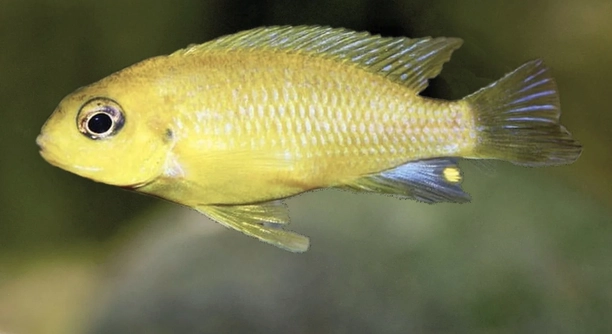
Keeping a cichlid tank can be both rewarding and challenging. Many fishkeepers struggle with territorial disputes, which can lead to stress, injuries, and a less harmonious aquarium environment. Proper planning helps prevent these conflicts.
Maintaining a structured environment with clear boundaries, appropriate tank size, and carefully selected tank mates significantly reduces territorial aggression among cichlids. Consistent monitoring, strategic decoration placement, and understanding species-specific behaviors are key to preserving peace and balance in the aquarium.
Implementing these practices can create a calmer tank, allowing your cichlids to thrive while minimizing stress and injury from territorial fights.
Choose the Right Tank Size
A properly sized tank is essential for reducing territorial chaos in cichlid tanks. Smaller tanks often force fish into close proximity, increasing aggression. Providing enough space allows each fish to claim its own area and retreat when threatened. Larger tanks also accommodate more hiding spots and decorations, which can further diffuse conflicts. For aggressive species, it’s better to opt for a tank that exceeds the minimum size recommendations. Stocking density should be carefully calculated; too many fish in a small tank intensifies disputes and stresses the fish, while too few can make dominant individuals more aggressive. Planning tank size with species’ adult size in mind helps maintain a stable environment. This consideration not only improves fish health but also enhances the visual appeal of the tank, as fish have room to swim naturally. Balancing space, territory, and fish count is a foundational step for a peaceful aquarium.
A larger tank with ample swimming space and properly calculated stocking reduces aggression and allows cichlids to establish territories safely.
Adding adequate space makes it easier to introduce new fish and decorations without triggering fights. Each fish can explore, hide, and establish dominance without constant stress, which promotes a healthier and calmer tank environment for everyone.
Provide Plenty of Hiding Spots
Cichlids naturally seek shelter and boundaries to feel secure. Rocks, caves, and plants offer fish areas to retreat from aggressors. Without sufficient hiding places, dominant fish can harass weaker ones, leading to injuries or prolonged stress. Arranging decorations strategically ensures each fish has a personal refuge while maintaining clear swimming paths. Using vertical structures or layered rocks creates separate zones in the tank, helping fish feel ownership of a space. Driftwood, artificial caves, and dense plant clusters also act as visual barriers, preventing fish from constantly seeing each other and escalating fights. Rotating decorations occasionally can disrupt established hierarchies, reducing ongoing aggression while keeping fish engaged. The goal is to balance open swimming areas with enough secure spots, letting each cichlid claim territory without constantly intruding on others. Observing fish interactions helps determine if additional shelters are needed or if certain layouts trigger unnecessary disputes. Thoughtful hiding spots contribute to both the mental and physical health of the fish.
Strategic decoration placement reduces visual stress and provides personal zones for each fish.
Using varied structures not only gives fish security but also enriches the tank, encouraging natural behaviors like exploring, defending territory, and resting. Fish are less likely to chase one another continuously when they can easily escape, which lowers stress levels and improves overall tank harmony. Regular adjustments to hiding spots can prevent long-term dominance by a single fish, maintaining balance. Additionally, hiding spots help reduce competition over resources like food and breeding sites. By creating multiple zones and retreat areas, even aggressive species can coexist more peacefully. This approach also allows aquarists to introduce new fish gradually, as newcomers can find safe spaces before integrating fully. Hiding spots combined with appropriate tank size and compatible species selection form the foundation for preventing territorial chaos in cichlid tanks.
Select Compatible Species
Choosing species with similar temperaments reduces conflict. Mixing highly aggressive cichlids with passive types often results in bullying. Compatibility is key to maintaining balance, minimizing constant fighting, and allowing each fish to establish territory without excessive stress.
Grouping fish from the same geographic region can help. Species that naturally coexist in the wild are more likely to tolerate each other in captivity. Differences in size, activity level, and aggression can still cause issues, so research each species carefully. Avoid introducing fish with extreme dominance traits unless the tank is very large and well-structured. Monitoring interactions early allows adjustments before serious harm occurs. Compatibility is not only about aggression but also about feeding habits and swimming levels. Ensuring all fish have similar environmental needs creates a harmonious space.
Careful observation during the first weeks helps identify potential conflicts. Adjusting tank layout, adding more hiding spots, or separating aggressive individuals prevents escalation. Keeping records of interactions can guide future species selections. A balanced mix reduces stress, improves growth, and promotes natural behaviors, making the tank more enjoyable to maintain over time. Thoughtful selection ensures peace without constant intervention.
Establish Clear Territories
Clearly defined territories prevent overlapping disputes. Fish recognize boundaries when spaces are marked by rocks, plants, or decor arrangements, which reduces chasing and aggression.
Proper layout planning ensures each fish has a personal zone. Vertical and horizontal territories allow multiple fish to occupy the same tank without constant confrontation. Using rocks or caves to create natural barriers helps weaker fish feel secure while stronger fish maintain dominance over limited areas. Rotating decorations occasionally can reset territorial claims, preventing long-term dominance. Observe fish behavior to identify areas of tension and adjust structures as needed. Overcrowding or insufficient zones can negate the benefits of these setups.
Creating distinct areas also encourages natural behaviors such as defending, exploring, and retreating. When each fish understands its space, stress levels drop, feeding becomes calmer, and injuries decrease. Well-established territories support breeding and reduce competition over preferred spots, making management easier. Proper spacing, paired with compatible species, ensures a peaceful aquarium environment. Adjusting the tank when conflicts arise helps maintain harmony and allows all fish to thrive without constant interference.
Maintain Proper Stocking Levels
Overcrowding increases stress and fights. Keeping the number of cichlids within recommended limits allows each fish to claim a territory without constant competition, promoting a calmer tank environment.
Understocking can also be problematic. A few dominant fish may harass others more frequently, so balance is essential.
Feed Consistently and Evenly
Regular feeding reduces territorial disputes over food. Distributing food across different areas ensures all fish get access without one dominating the feeding zone. Uneven feeding can lead to aggression and stress. Maintaining a consistent schedule and observing how each fish eats helps prevent conflicts and keeps all cichlids healthy.
Monitor Aggressive Behavior
Early detection of aggressive acts allows for timely intervention. Separate overly dominant fish to prevent injuries and maintain harmony in the tank.
FAQ
How can I tell if my cichlids are stressed from territorial fights?
Signs of stress include hiding excessively, loss of appetite, torn fins, or constant chasing. Fish may also display faded colors or erratic swimming. Observing daily behavior helps identify early signs so corrective actions, like rearranging decorations or separating aggressive individuals, can be taken.
What tank size is ideal for most cichlid species?
Tank size depends on species and number of fish. For most African cichlids, a 55-gallon tank or larger is recommended. Larger species or more aggressive cichlids may need 75 gallons or more. Adequate space reduces competition and allows natural behaviors without constant confrontation.
Are certain cichlids more aggressive than others?
Yes, species such as Mbuna or Jack Dempsey cichlids are naturally more territorial and dominant. Passive species like angelfish or keyhole cichlids are less likely to start fights but can still become stressed if housed with aggressive tank mates. Knowing species temperaments is essential for harmony.
How many hiding spots should I provide?
There is no fixed number, but aim for multiple caves, plants, or rocks for each fish. The goal is for weaker fish to escape dominant ones and feel secure. Observing interactions helps adjust the number and placement of hiding spots to reduce ongoing conflicts.
Can rearranging the tank help reduce aggression?
Yes, changing rock formations, caves, or plant placement can disrupt established territories. This prevents a single fish from dominating the tank and gives all fish an opportunity to establish new zones, which often reduces constant chasing and stress.
Should I separate aggressive fish permanently?
Permanent separation is sometimes necessary for highly aggressive individuals. If one fish constantly harasses others, it may need its own tank or be moved to a quarantine area. Temporary separation can also help during feeding or breeding periods to maintain peace.
Does feeding multiple times a day reduce territorial disputes?
Feeding smaller portions more frequently can reduce fights over food. Spreading food across several areas allows weaker fish to eat without being chased. Consistency in feeding times also lowers stress, as fish anticipate food rather than competing aggressively for it.
Is it better to keep all fish from the same geographic region?
Yes, fish from the same region often have similar behavior and environmental needs. They are more likely to coexist without extreme aggression. Mixing species from different habitats can create conflicts due to mismatched temperaments and territory needs.
How can I prevent long-term dominance by one fish?
Rotate decorations, add hiding spots, and monitor interactions regularly. Occasionally rearranging the tank forces fish to reestablish territories and prevents a single dominant individual from controlling all prime areas. This helps maintain a balanced social structure in the aquarium.
What are signs that a new fish may cause problems?
Aggressive chasing, excessive color changes, or attacking others within hours of introduction indicates a potential problem. New fish should be quarantined first and introduced carefully. Providing hiding spots and monitoring behavior closely can prevent lasting conflicts.
Does tank maintenance affect aggression?
Yes, dirty water or poor filtration increases stress, which can worsen territorial behavior. Regular water changes, proper filtration, and monitoring water parameters help fish feel secure and reduce disputes. Stress-free fish are less likely to engage in continuous aggression.
Can breeding increase territorial chaos?
Breeding cichlids become highly protective of their eggs and fry. This often leads to increased aggression toward other fish. Providing separate breeding areas or additional hiding spots minimizes stress for both parents and other tank inhabitants, helping maintain overall peace.
How do I know if my tank layout is effective?
Watch fish interactions. If chasing decreases, weaker fish use hiding spots, and all fish have space to swim and feed, the layout is effective. Persistent fights indicate the need for more shelters or a different arrangement. Regular observation ensures the tank stays balanced and calm.
Is it necessary to research each species before adding them to the tank?
Absolutely. Knowing each species’ aggression level, size, and environmental requirements is critical. Research prevents mismatches, minimizes stress, and ensures that all fish can coexist safely. Proper planning is the best defense against territorial chaos in cichlid tanks.
What should I do if aggression persists despite changes?
Persistent aggression may require removing the problem fish or upgrading to a larger tank. In extreme cases, splitting the tank into separate areas or establishing a quarantine setup can be necessary. Consistent monitoring and timely interventions are essential to protect all fish.
Can tank decorations alone control territorial disputes?
Decorations help, but they are not a complete solution. Tank size, species compatibility, stocking levels, and feeding practices all work together to prevent chaos. Decorations provide structure and hiding spots, but they must be combined with proper care practices for best results.
How long does it take for cichlids to settle into new territories?
It varies by species and individual temperament. Some fish adjust within days, while others take weeks. Observing daily interactions, providing hiding spots, and maintaining a stable environment speeds up the process and reduces prolonged stress.
Are there signs that a tank is too small even if it meets minimum size recommendations?
Yes, frequent chasing, constant dominance displays, and lack of safe zones indicate insufficient space. Minimum sizes are guidelines; observing fish behavior is crucial. If aggression remains high, a larger tank may be needed to provide adequate personal territories for all inhabitants.
Does lighting or water flow influence aggression?
Yes, bright lights or strong currents can stress fish, triggering aggression. Providing moderate lighting and gentle water flow allows fish to feel secure in their territories. Adjusting these environmental factors helps create calmer conditions and reduces territorial disputes over time.
How can I introduce new fish without causing chaos?
Quarantine new fish first, then introduce them gradually with sufficient hiding spots. Observing initial interactions closely prevents serious conflicts. Rearranging decorations can help newcomers establish territories without immediate harassment, promoting smoother integration into the tank.
Are male cichlids always more aggressive than females?
Generally, males are more territorial, especially during breeding. Females can also show aggression but usually less intensely. Understanding gender dynamics helps in planning tank layout, stocking levels, and providing sufficient shelters for both sexes to coexist peacefully.
Can I train cichlids to reduce aggression?
Not in the traditional sense, but consistent feeding routines, structured environments, and careful observation can shape behavior. Fish learn to expect food times and find safe zones, reducing stress-driven fights. Predictable routines contribute to calmer interactions and better tank harmony.
What is the most common mistake leading to territorial chaos?
Overcrowding, mismatched species, and insufficient hiding spots are the main causes. Ignoring fish behavior or skipping regular observation worsens problems. Taking proactive steps in tank design, species selection, and monitoring prevents long-term aggression.
Is it ever safe to mix highly aggressive species?
It can be attempted in very large tanks with numerous hiding spots, but it carries high risk. Careful planning, compatible size matching, and constant monitoring are essential. Most keepers avoid mixing highly aggressive species to maintain peace and reduce stress-related injuries.
How often should I reassess my tank layout?
Regular observation and adjustments every few weeks or after introducing new fish help maintain balance. Fish grow, behaviors change, and territories shift. Periodic reassessment ensures that all cichlids continue to have adequate space and hiding areas, preventing renewed conflicts.
Do juvenile cichlids behave differently than adults in terms of aggression?
Yes, juveniles are generally less territorial, but as they mature, aggression increases. Monitoring their growth and adjusting the tank layout, stocking, and hiding spots ensures that adult behaviors do not overwhelm weaker fish or disrupt tank harmony.
How important is water quality for controlling aggression?
Extremely important. Poor water quality stresses fish, making them more aggressive. Maintaining stable parameters, regular water changes, and efficient filtration reduces stress, supports health, and prevents conflict driven by environmental discomfort rather than territory.
Can adding more plants help reduce fights?
Yes, plants provide visual barriers, hiding spots, and soft territories. They break lines of sight between aggressive fish, reducing constant chasing and stress. A well-planted tank helps maintain calm interactions and allows shy or weaker fish to establish secure spaces.
Are some cichlids better kept alone?
Yes, highly aggressive or large species may require solitary housing to prevent constant harassment. Individual tanks provide safety for both the aggressive fish and potential tank mates. Careful consideration is needed before introducing them to community setups.
How do I know when a fish should be removed for safety?
Persistent attacks, injuries, or inability of other fish to access food indicate removal is necessary. Intervening early protects all tank inhabitants and prevents stress-related health issues. Monitoring behavior daily helps make timely decisions.
Does tank shape influence territorial behavior?
Yes, long or wide tanks allow better separation of territories compared to tall, narrow tanks. Horizontal swimming space lets fish establish distinct zones, reducing encounters and conflicts. Choosing an appropriate tank shape complements size and decoration strategies to maintain peace.
Is it better to introduce multiple new fish at once?
Yes, introducing several new fish together can prevent one from being singled out. They establish territories simultaneously, reducing harassment. Ensure sufficient hiding spots and monitor behavior to avoid sudden dominance struggles. Gradual introductions may also work if space allows.
How long should I observe fish after making changes?
Continuous observation for at least several days is recommended. Look for reduced chasing, use of hiding spots, and calmer feeding. This helps determine if the adjustments are effective or if further action is required to maintain harmony.
Can different substrate types affect territorial disputes?
Yes, substrates like sand or fine gravel allow digging and hiding behaviors. Certain species use substrate for territory marking or breeding. Providing appropriate substrate supports natural behaviors and can reduce disputes over territory ownership.
Does adding more food always reduce fights?
Not always. Excess food can cause water quality issues, but feeding evenly and in appropriate amounts helps prevent competition. Balanced distribution ensures weaker fish eat without constant harassment and reduces stress-driven aggression.
What role does observation play in preventing chaos?
Observation is critical. Regular monitoring identifies early signs of aggression, lets you adjust tank layout or separate fish, and ensures long-term peace. Ignoring behavior leads to injuries and stress. Active observation allows proactive management.
How do I balance aggression and breeding behavior?
Provide separate breeding areas or additional hiding spots. Observe parents closely and limit interactions with other fish during breeding. Proper space and shelters reduce stress, protect fry, and maintain overall harmony without halting natural behaviors.
Can I mix juvenile and adult cichlids safely?
Yes, if the tank is large and has sufficient hiding spots. Adults can dominate juveniles, so careful observation and layout adjustments are essential. Ensure smaller fish can retreat safely to avoid stress and injury.
What are the best hiding spot types for cichlids?
Caves, rocks, driftwood, and dense plants work well. Multiple shapes and sizes allow different fish to claim areas. Hiding spots provide security, reduce stress, and allow weaker fish to escape aggressive encounters while maintaining natural behaviors.
How can I prevent conflicts during feeding times?
Distribute food across multiple areas and feed small amounts frequently. This reduces competition and gives weaker fish a chance to eat. Consistent feeding routines lower stress and discourage aggressive behavior centered on food dominance.
Is tank lighting important for behavior management?
Moderate lighting is best. Bright lights can stress fish and trigger aggression, while dim or natural lighting reduces tension. Adjust lighting to balance visibility and comfort, ensuring fish feel secure in their territories.
How often should I check for territorial disputes?
Daily observation is ideal, especially after adding new fish or rearranging the tank. Early detection allows timely intervention, preventing injuries and stress. Monitoring ensures long-term stability and harmony.
Can temporary barriers help with aggressive introductions?
Yes, using dividers or separate sections allows new fish to acclimate without immediate confrontation. Gradually removing barriers helps fish establish territories safely, reducing the risk of injury and ongoing disputes.
What adjustments help if one fish becomes dominant?
Rearrange decorations, add hiding spots, or temporarily separate the fish. Adjusting territory boundaries helps weaker fish establish their own zones, restoring balance and reducing constant harassment. Regular monitoring ensures dominance does not escalate.
Do some cichlids need more personal space than others?
Yes, larger or highly territorial species require more space. Tank size and decoration planning should accommodate individual needs. Ensuring enough room reduces stress and allows each fish to establish a territory without constant conflict.
Is water temperature a factor in aggression?
Yes, improper temperature can stress fish and increase aggression. Maintaining species-appropriate temperatures keeps fish comfortable, lowers stress levels, and promotes calmer interactions. Temperature stability supports overall tank health.
Can frequent water changes reduce disputes?
Yes, clean water reduces stress and improves health, which lowers aggression. Regular water changes maintain a stable environment, allowing fish to focus on territory rather than competing over resources due to discomfort or poor conditions.
How do I know when a tank is truly peaceful?
Fish swim freely, eat without harassment, and use hiding spots appropriately. Chasing is minimal, and colors remain vibrant. Observing consistent calm behavior over weeks indicates a balanced, low-stress environment where territorial disputes are effectively managed.
Can adding more fish reduce aggression?
In some cases, adding more fish of similar size can spread aggression and reduce targeting of one individual. Overcrowding must be avoided, and sufficient hiding spots are crucial to prevent new conflicts from arising.
How important is research before buying new cichlids?
Research is essential. Understanding species temperament, size, and environmental needs prevents mismatches. Well-informed choices reduce aggression, stress, and injuries, creating a stable and harmonious tank environment for all inhabitants.
What long-term strategies prevent territorial chaos?
Maintain appropriate tank size, compatible species, sufficient hiding spots, proper feeding, and regular monitoring. Adjust decorations and layout as needed. Address aggressive individuals early. Consistency and observation ensure lasting peace and healthy fish behavior.
Does the type of filter affect aggression?
Indirectly. Strong currents can stress some species, increasing aggression. Choosing a filter that maintains clean water while providing gentle flow supports calm behavior. Filter placement should also avoid disrupting territories or hiding spots.
Can seasonal changes affect behavior?
Yes, fluctuations in temperature, lighting, or water quality can stress fish and trigger aggression. Maintaining stable conditions minimizes seasonal effects and prevents increased territorial disputes. Consistency in care supports balanced behavior year-round.
Is it better to introduce fish in groups rather than individually?
Introducing multiple fish together can reduce targeting of a single individual. They establish territories simultaneously, lowering stress and minimizing initial fights. Provide adequate hiding spots to support smooth integration.
Can aggressive behavior indicate illness?
Sometimes, unusual aggression may signal stress or disease. Monitor for signs like color changes, fin damage, or lethargy. Treating health issues promptly reduces abnormal aggression and supports overall tank harmony.
Does the substrate layout influence territorial disputes?
Yes, cichlids use substrate for digging and marking territory. Providing appropriate substrate types and arranging it thoughtfully supports natural behaviors and reduces conflicts over preferred areas.
How do I manage breeding pairs to avoid chaos?
Provide separate breeding caves or areas, monitor interactions closely, and limit other fish access. Ensuring enough space for both parents and other tank inhabitants minimizes stress and prevents conflicts during breeding periods.
Are there behavioral signs before fights start?
Yes, chasing, flaring fins, and color changes often precede attacks. Observing these early warning signs allows for intervention, such as adding hiding spots or temporarily separating fish, preventing serious injuries.
Can water hardness or pH affect aggression?
Yes, species-specific water conditions impact comfort and stress. Incorrect hardness or pH can increase aggression. Maintaining appropriate levels reduces tension and helps fish coexist peacefully.
Is it possible to completely eliminate territorial disputes?
Not entirely. Territorial behavior is natural, but proper tank setup, species selection, hiding spots, and observation can minimize conflicts and prevent serious injuries, creating a stable and peaceful environment.
Does diet influence aggressive behavior?
A balanced diet reduces stress-driven aggression. Malnutrition or competition over food can increase fights. Providing proper nutrition ensures fish are healthy, less stressed, and less likely to engage in unnecessary territorial disputes.
How do I integrate new fish without disrupting the established hierarchy?
Introduce them gradually with hiding spots, monitor interactions, and rearrange decorations if needed. Gradual integration allows new fish to find territory without immediate confrontation, reducing stress for all inhabitants.
Can overfeeding cause aggression?
Yes, uneven feeding may create competition for food. Overfeeding can also harm water quality, indirectly increasing stress and aggression. Properly spaced and measured feedings promote calm behavior.
How important is tank lighting schedule for aggression?
A consistent day-night cycle reduces stress. Sudden or irregular lighting changes can trigger territorial disputes. Maintaining stable lighting supports natural behaviors and calmer interactions.
Do cichlids recognize individual territories visually?
Yes, visual cues from rocks, plants, or other structures help fish identify boundaries. Clear territorial markers reduce overlap and fights, allowing fish to coexist with less stress.
Can rearranging plants alone reduce aggression?
Yes, it can break lines of sight and force reestablishment of territories. Plants provide cover and separation, which lowers stress and helps weaker fish avoid harassment while maintaining natural behaviors.
How often should I adjust decorations to prevent fights?
Periodic adjustments every few weeks or when introducing new fish help prevent long-term dominance. Observing interactions guides changes, ensuring all fish have fair access to territory.
Is water temperature fluctuation a common trigger for aggression?
Yes, unstable temperatures stress fish, increasing territorial disputes. Maintaining consistent temperatures suitable for the species keeps fish calm and minimizes stress-driven aggression.
Do juvenile and adult cichlids need different tank setups?
Yes, juveniles require hiding spots but are less aggressive. Adults need more space and defined territories. Adjustments as fish mature prevent conflicts and accommodate changing behaviors.
How important is daily observation for preventing chaos?
Critical. Daily checks allow early detection of stress, aggression, or illness. Timely interventions prevent injuries and maintain harmony. Observation ensures long-term stability and a peaceful tank environment.
Can water flow affect aggression levels?
Yes, strong currents can stress certain species, triggering fights. Moderate, species-appropriate flow supports calm swimming and reduces territorial conflicts.
Does introducing too many new fish at once increase risk?
It can, if the tank lacks hiding spots or space. Gradual introductions with careful monitoring allow fish to establish territories safely, minimizing conflicts.
Can aggressive fish calm down over time?
Sometimes. With sufficient space, hiding spots, compatible tank mates, and consistent care, dominant behavior may reduce. Observation ensures aggression does not harm others.
What is the best approach for long-term aggression management?
Maintain proper tank size, compatible species, sufficient hiding spots, balanced feeding, and regular monitoring. Adjust layout as needed and intervene early with aggressive fish. Consistency and observation support a peaceful, stable aquarium
Managing territorial behavior in a cichlid tank requires careful planning and consistent observation. Each cichlid has its own personality and natural instincts, so it is important to account for species-specific needs. Providing enough space, hiding spots, and clear territories helps reduce conflicts, but no single factor guarantees a completely calm tank. Combining proper tank size, compatible species, and thoughtful layout creates a more balanced environment where fish can display natural behaviors without constant stress. Paying attention to the tank regularly allows for adjustments before issues escalate, which is key to long-term success.
Feeding and water quality also play a critical role in minimizing aggression. Uneven feeding or poor water conditions can increase stress and trigger fights even in otherwise compatible tanks. Offering food in multiple areas and maintaining a consistent schedule helps ensure that all fish have access to nutrition without competing excessively. Clean, stable water conditions reduce stress and improve overall fish health, making it less likely for conflicts to occur. Observing how each fish reacts during feeding or changes in the environment helps determine whether adjustments are needed. Small, consistent actions in care and maintenance often prevent larger problems in the future.
It is important to remember that some level of territorial behavior is natural for cichlids. Even with careful planning, occasional disputes may happen. The goal is not to eliminate all aggression but to manage it in a way that keeps the tank safe and stress levels low. Using a combination of compatible species, proper tank size, adequate hiding spots, and routine monitoring supports a harmonious environment where fish can thrive. Over time, observing fish behavior and making minor changes helps maintain balance, allowing cichlids to coexist peacefully while still expressing their natural instincts. A well-structured approach results in healthier, more active fish and a visually appealing, dynamic aquarium.

Hello,
If you enjoy the content that we create, please consider saying a "Thank You!" by leaving a tip.
Every little bit helps us continue crafting quality advice that supports the health, happiness, and well-being of pets around the world, for pets of all shapes, sizes, and species.
We really appreciate the kindness and support that you show us!