
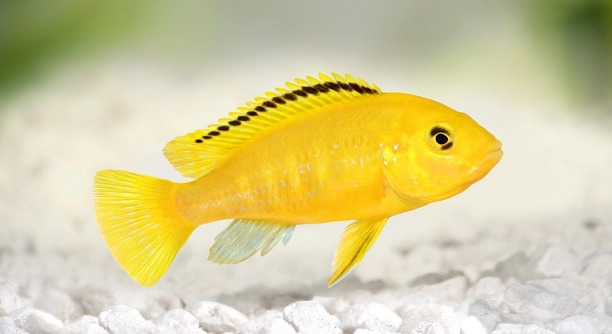
Have you ever noticed your electric yellow cichlids acting differently in their tank, seeming less lively than usual or hiding more than normal? Observing these behaviors early can help prevent serious health issues before they escalate.
Stress in electric yellow cichlids often manifests through changes in color, appetite, and swimming behavior. Recognizing these signs promptly allows aquarists to implement corrective measures such as adjusting water conditions, improving diet, and minimizing environmental stressors.
Knowing the subtle ways stress shows in your fish can help you act quickly and maintain a healthier, more peaceful aquarium environment.
Faded or Dull Colors
When electric yellow cichlids are stressed, one of the first things you might notice is their colors becoming less vibrant. Normally bright yellow fish may appear pale, grayish, or unevenly colored. This change can be caused by poor water quality, improper diet, or overcrowding. Stress impacts their natural pigments, making them more susceptible to disease. Lighting in the tank can also play a role, but prolonged dullness is often a sign something is wrong. Regularly observing your fish and comparing their colors over time can help you detect stress early. Adjusting water parameters, reducing stressors, and ensuring a balanced diet are key steps in restoring their bright yellow hue. Even small improvements, like adding hiding spots or controlling tank mates, can make a noticeable difference in their appearance. Taking these measures consistently will support both their health and overall coloration, helping them regain vitality.
Maintaining consistent water quality and a proper diet helps cichlids retain vibrant colors and reduces stress-related fading.
Color changes can signal more than aesthetics; they indicate underlying issues that need attention. Watching for fading helps prevent more serious health problems.
Hiding or Reduced Activity
Fish that spend most of their time hiding or resting at the bottom may be experiencing stress.
Hiding is a natural behavior, but prolonged inactivity shows discomfort. Stress from sudden changes, aggressive tank mates, or poor conditions can make fish withdraw. It’s important to assess tank setup, water parameters, and social dynamics. Introducing gentle environmental changes, like additional plants or shelters, can encourage activity. Stress reduction may also involve adjusting feeding schedules or improving water quality through regular maintenance. Observing patterns over time allows for quick intervention before illness occurs. Tankmates should be monitored, and overcrowding avoided, as constant competition can heighten stress. Adjusting lighting, maintaining stable temperatures, and minimizing sudden disturbances all contribute to making cichlids feel safer. Once these changes are implemented, fish often return to normal activity levels. Patience is essential, as recovery may take days to weeks, but consistent care ensures long-term well-being and healthier behavior.
Loss of Appetite
A stressed electric yellow cichlid often eats less or stops eating altogether. Reduced appetite can be caused by poor water conditions, illness, or tank aggression. Monitoring feeding habits is crucial to identify early stress signs.
Loss of appetite weakens the fish, making them more prone to disease. Stress can alter metabolism and reduce interest in food, even when nutrition is available. It’s important to maintain stable water parameters, provide a balanced diet, and ensure fish feel safe during feeding. Sometimes, offering favorite foods in small amounts or separating aggressive tank mates during meals can help. Keeping a feeding schedule and observing reactions daily allows you to notice subtle changes. Prompt action prevents prolonged malnutrition and supports recovery. Nutrient-rich foods, live or frozen options, can also stimulate appetite and help the fish regain energy, improving overall health and resilience.
Monitoring eating patterns over time provides insight into environmental stressors. Adjusting diet and tank conditions helps restore appetite and maintains energy levels.
Rapid Gill Movement
Rapid gill movement often indicates stress or low oxygen levels in the tank. It can be triggered by high temperatures, poor water circulation, or chemical imbalances.
Stressed cichlids may show fast or labored breathing, signaling that oxygen intake is insufficient. Improving aeration, controlling temperature, and maintaining clean water are essential steps. Adding plants or adjusting filtration can increase oxygen availability. Additionally, overcrowding increases competition for oxygen, so ensuring enough space is crucial. Observing gill movement daily allows you to respond before the condition worsens. Sometimes, water changes and careful monitoring of ammonia, nitrite, and nitrate levels resolve the issue. Recovery requires stable, well-oxygenated conditions and minimal disturbances. Once stabilized, breathing returns to normal, and the fish show improved activity and color, reflecting better health and reduced stress levels.
Clamped Fins
Clamped fins are a common sign of stress in electric yellow cichlids. The fins stay close to the body instead of spreading naturally, indicating discomfort or illness.
This behavior often appears with poor water quality, temperature fluctuations, or aggressive tankmates. Observing fin posture daily helps catch stress early.
Erratic Swimming
Erratic swimming includes darting, circling, or sudden stops. These movements indicate stress caused by sudden changes in the tank, overcrowding, or incompatible fish.
White Spots or Lesions
White spots or lesions on the body signal stress-related illness, often linked to weakened immune response or poor water conditions. Immediate action to improve tank hygiene and water quality is essential to prevent further complications.
Isolation
Isolation occurs when stressed cichlids separate from other fish and remain alone. This behavior reflects discomfort or fear within the tank environment.
FAQ
How can I tell if my electric yellow cichlid is stressed?
Stress in electric yellow cichlids can be identified through changes in color, appetite, and behavior. Pale or dull coloration, clamped fins, hiding, or erratic swimming are common signs. Monitoring daily activity and comparing with normal behavior helps detect early stress.
What causes stress in electric yellow cichlids?
Stress is usually caused by poor water quality, sudden temperature changes, overcrowding, aggressive tank mates, or improper diet. Even small changes in their environment can trigger stress. Maintaining a stable, clean, and well-maintained tank is essential to prevent issues.
Can stress make my cichlid sick?
Yes, stress weakens the immune system, making fish more susceptible to diseases like ich, fin rot, and other infections. Early intervention, water changes, and proper diet can reduce the risk and improve overall health.
How do I improve water quality for my stressed cichlids?
Regular water changes, monitoring ammonia, nitrite, and nitrate levels, and ensuring proper filtration are key. Avoid overcrowding and remove uneaten food promptly. Consistent water parameters reduce stress and keep fish healthy.
Should I separate stressed cichlids from others?
Temporarily isolating stressed fish can help, especially if they are being bullied. Use a quarantine tank or divider to reduce aggression and give them time to recover without further pressure.
What diet helps stressed electric yellow cichlids?
High-quality pellets, flakes, or frozen foods with proper nutrients are best. Adding protein-rich treats like brine shrimp or bloodworms occasionally can stimulate appetite. Avoid overfeeding, as leftover food affects water quality and can increase stress.
How do I reduce aggression in my tank?
Provide plenty of hiding spots and visual barriers. Rearranging rocks or plants can break sightlines and reduce tension. Keeping compatible tank mates and monitoring territorial behavior prevents stress caused by constant chasing or fighting.
Can lighting affect stress levels?
Yes, harsh or inconsistent lighting can stress cichlids. Use soft, consistent lighting and provide shaded areas or plants to give them places to retreat. Gradual adjustments help fish adapt without sudden stress.
How long does it take for stressed cichlids to recover?
Recovery depends on the severity of stress and the environment. Minor stress may resolve in a few days with improved water quality and diet. Severe or prolonged stress can take weeks, requiring careful observation and consistent care.
Are there signs that indicate stress is becoming dangerous?
Rapid gill movement, extreme lethargy, severe color fading, or visible lesions are warning signs. Immediate action to correct water quality, reduce aggression, and improve diet is necessary to prevent serious illness.
Can supplements help stressed cichlids?
Vitamin-enriched foods or stress-reducing additives can help support immune function and recovery. Use these cautiously and follow recommended dosages, as overuse can affect water quality.
How often should I check on stressed cichlids?
Daily observation is important to monitor color, activity, and feeding. Noticing subtle changes early allows prompt adjustments to tank conditions, diet, and social dynamics. Consistent care ensures long-term health and reduces recurring stress.
Is it normal for cichlids to hide sometimes?
Hiding occasionally is natural, but constant hiding or refusal to eat indicates stress. Ensure the tank has proper hiding spots while also checking for environmental stressors that may be causing prolonged withdrawal.
Can temperature fluctuations cause stress?
Yes, electric yellow cichlids prefer stable water temperatures. Sudden drops or spikes can lead to stress, reduced appetite, and weakened immunity. Using a reliable heater and thermometer helps maintain a stable environment.
How do I prevent stress from recurring?
Maintain stable water conditions, provide adequate space, choose compatible tank mates, and ensure a balanced diet. Regular monitoring and tank maintenance prevent many stress-related issues and keep cichlids healthy and active.
This FAQ section addresses the most common concerns, offering practical steps to recognize, manage, and prevent stress in electric yellow cichlids. Implementing these measures improves fish well-being and supports a thriving aquarium environment.
Stress in electric yellow cichlids is more common than many fish owners realize. Even minor changes in the tank, such as water quality fluctuations, temperature swings, or new tank mates, can affect their behavior and overall health. Recognizing the signs early, like faded colors, clamped fins, hiding, or reduced appetite, is key to helping your fish recover quickly. Observing your fish daily and noting any changes in activity or appearance allows you to act before stress becomes a serious problem. Regular maintenance, careful monitoring, and small adjustments in the environment can make a significant difference in their well-being. Over time, these efforts help fish maintain their vibrant colors, normal behaviors, and energy levels, reducing the likelihood of illness.
Managing stress in your electric yellow cichlids requires a combination of proper tank care and attention to their specific needs. Water quality is one of the most important factors, so keeping ammonia, nitrite, and nitrate levels low and stable should be a priority. Filtration, regular water changes, and avoiding overfeeding all contribute to a healthy environment. Temperature stability is also important, as sudden drops or spikes can quickly stress fish. Additionally, tank setup matters. Providing hiding spots, plants, and enough space for all tank inhabitants reduces conflict and allows fish to feel secure. Even small changes, like rearranging decorations or adding gentle aeration, can improve oxygen levels and create a more comfortable habitat. Diet plays a role as well; offering a variety of high-quality foods, including pellets, flakes, and occasional protein-rich treats, supports overall health and encourages consistent feeding.
Consistency and patience are essential when caring for stressed cichlids. Recovery does not happen overnight, and some fish may take several days or even weeks to return to normal behavior. Avoid sudden changes, monitor water parameters frequently, and pay attention to social interactions in the tank. Keeping aggressive fish separated, ensuring proper nutrition, and maintaining a calm environment all help stressed cichlids regain strength. Over time, as they recover, you will notice improvements in color, activity, and appetite, indicating that your care and attention are working. By focusing on stability, proper nutrition, and thoughtful tank management, you can support the long-term health of your electric yellow cichlids and create a peaceful, thriving aquarium that allows them to show their natural beauty and behavior fully.

Hello,
If you enjoy the content that we create, please consider saying a "Thank You!" by leaving a tip.
Every little bit helps us continue crafting quality advice that supports the health, happiness, and well-being of pets around the world, for pets of all shapes, sizes, and species.
We really appreciate the kindness and support that you show us!