
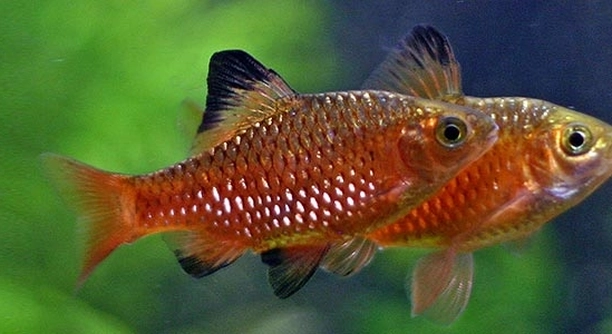
Rosy barbs are popular freshwater fish known for their bright colors and active behavior. Many fishkeepers enjoy watching their interactions in community tanks. These fish often swim together, creating lively and colorful displays.
Rosy barbs do show preferences for certain tank mates, often forming small social groups or “favorites.” These preferences are influenced by factors such as size, temperament, and compatibility, which help reduce stress and promote peaceful coexistence within the aquarium.
Recognizing these social tendencies can help improve tank harmony. Understanding how rosy barbs choose their companions encourages better care and a more balanced environment.
How Rosy Barbs Choose Their Tank Mates
Rosy barbs tend to pick tank mates based on behavior and temperament. They prefer fish that are active but not overly aggressive. This balance helps them feel safe while staying engaged. Size also matters—a rosy barb is more likely to bond with fish close to its own size. If the tank includes very small or very large fish, the barbs might ignore or even stress those fish. In community tanks, these preferences help reduce conflict and maintain peace. You might notice some barbs swimming closer to certain fish, while avoiding others. This behavior shows that rosy barbs are selective but not exclusive. They want company that matches their energy and style. Understanding these choices can improve how you arrange your aquarium. Choosing compatible species gives everyone a better chance to thrive and enjoy the tank environment.
Barbs also respond to their environment. Plants, hiding spots, and tank size influence their social patterns. Providing a comfortable setup encourages positive interactions.
Observing these subtle signals helps you see who your barbs prefer. Adjusting the tank to support these preferences leads to a happier, healthier aquarium.
Signs Rosy Barbs Have Favorites
Rosy barbs often swim in small groups or pairs within the tank. They may follow or stay close to the same fish regularly. These behaviors show clear social bonds forming. The favored companions tend to share similar swimming speeds and activity levels. Barbs also share feeding times more closely with chosen mates. They avoid fish that are aggressive or too shy. Sometimes, barbs gently chase others to establish social order. These signs show that barbs are not indifferent but actively choose company. Watching your tank carefully will reveal these relationships over time.
Favorite tank mates help reduce stress. They create a natural social balance, which benefits all fish. A peaceful tank is easier to maintain, with fewer fights and injuries. In the absence of suitable companions, rosy barbs might become more aggressive or restless. Providing compatible mates and environmental enrichment supports their natural behavior. This approach keeps the tank calm and enjoyable to watch. In sum, rosy barbs do pick favorites, and recognizing these choices improves their wellbeing. Observing how your barbs interact gives clues on how to better care for them. Adjusting tank mates or setup based on these observations can enhance harmony. Ultimately, happy rosy barbs mean a happier tank for everyone involved.
How Tank Environment Affects Rosy Barbs’ Social Choices
Tank size plays a big role in how rosy barbs form favorites. In smaller tanks, they have fewer options and might stick closer together. Larger tanks offer more space, allowing them to explore and choose companions more freely. Plants and hiding spots also impact their comfort and social behavior.
A well-planted tank with plenty of hiding places helps reduce stress among rosy barbs. When they feel safe, they are more likely to interact positively with others. Open swimming areas let them form groups without feeling crowded or threatened. The overall layout encourages natural behavior, making it easier to see who their favorites are. Poorly arranged tanks can lead to tension and aggression, as fish compete for space and safety. Paying attention to the environment helps maintain peace and social bonds.
Water quality also affects social behavior. Clean, stable conditions keep rosy barbs healthy and more sociable. Fluctuations in temperature or pH can make them restless or irritable. Regular maintenance is essential to keep the tank comfortable for all fish. This care supports their natural social choices and keeps favorites stable over time.
Impact of Feeding on Rosy Barbs’ Preferences
Feeding routines influence how rosy barbs interact with each other. When food is introduced, barbs often swim closer to favored companions. Shared feeding habits can strengthen their bonds, making their preferences more noticeable. Consistent feeding times create predictability, which barbs appreciate.
During feeding, barbs may compete gently for food, but they tend to avoid aggressive conflicts with their favorites. They often feed side by side or take turns, showing cooperation. Providing enough food and spreading it evenly reduces stress and rivalry. Feeding also offers a chance to observe social behavior, revealing who stays close and who keeps distance. Adjusting feeding methods can encourage positive interactions and reinforce social bonds, making the tank environment more harmonious for everyone.
Recognizing Stress in Rosy Barbs
Stress affects how rosy barbs interact with each other. When stressed, they may hide more or act aggressive toward tank mates. Stress can disrupt their usual social preferences and cause changes in behavior.
Common stress causes include poor water quality, overcrowding, and sudden changes in the tank environment. Monitoring these factors helps keep barbs calm and socially balanced.
How Rosy Barbs React to New Tank Mates
Introducing new fish can change social dynamics among rosy barbs. They may temporarily ignore or chase new arrivals as they reestablish their group order. Over time, most barbs adjust and accept new companions if they fit the group’s temperament and size.
Importance of Group Size for Rosy Barbs
Rosy barbs do best in groups of at least five. Smaller groups can lead to stress and aggression. Larger groups allow them to spread out social attention and form stable bonds, reducing conflict.
Avoiding Aggression in Mixed Tanks
Careful selection of tank mates reduces fights. Choose fish that share similar activity levels and temperaments to keep peace.
FAQ
Can rosy barbs really pick favorites in the tank?
Yes, rosy barbs often show preference for certain tank mates. They tend to stick close to fish that match their activity level, size, and temperament. These choices help reduce stress and make social interactions smoother. Watching your barbs swim together can reveal these preferred companions over time.
How can I tell if my rosy barbs have favorites?
Look for fish they swim near frequently or follow during feeding. Barbs may also avoid certain tank mates or chase others gently to establish social order. Consistent grouping and shared behaviors like feeding side by side are good signs of favoritism.
What tank size is best for rosy barbs to pick favorites naturally?
A tank of at least 30 gallons gives rosy barbs enough space to choose companions and form groups comfortably. Smaller tanks can cause stress and force them to stay close without real choice, which may lead to aggression or anxiety.
Do decorations or plants influence their social behavior?
Yes, plants and hiding spots help reduce stress by offering safety. When barbs feel secure, they are more likely to interact positively and form stable groups. Open swimming areas combined with places to retreat create a balanced environment for socializing.
How does feeding affect their social bonds?
Feeding times often highlight their social preferences. Rosy barbs tend to eat near favored companions and avoid aggressive conflicts with them. Providing enough food and spreading it around reduces competition, which helps keep their bonds strong.
What signs of stress should I watch for in rosy barbs?
Hiding more than usual, aggression, or loss of appetite can signal stress. Changes in water quality, overcrowding, or sudden environmental shifts often cause this. Addressing these issues quickly helps restore calm and proper social behavior.
How do rosy barbs react when new fish are added?
New tank mates can cause temporary disruptions. Barbs may chase or ignore newcomers while establishing their social order. If the new fish match the group’s size and temperament, barbs usually accept them over time without ongoing conflict.
Is there an ideal group size for rosy barbs?
Keeping at least five rosy barbs is best. Smaller groups may increase stress and aggression. Larger groups spread social interaction and reduce tension, helping barbs form multiple stable bonds and maintain peace in the tank.
Can I keep rosy barbs with other fish species?
Yes, but choose peaceful and similarly sized species. Avoid aggressive or very slow-moving fish, as this can cause stress. Compatible tank mates help maintain harmony and allow rosy barbs to express natural social behaviors.
How often should I check water conditions for social health?
Regular water testing, at least once a week, is important. Stable temperature, pH, and cleanliness support the barbs’ health and social behavior. Clean water reduces stress, which helps them maintain their social bonds and favorites.
What should I do if my rosy barbs become aggressive?
Check water quality and tank conditions first. Ensure the tank isn’t overcrowded and provide hiding spaces. Sometimes rearranging the tank or adding plants helps reduce aggression. If aggression continues, reassess tank mates or group size.
Can rosy barbs lose their favorites?
Yes, changes in the tank, illness, or new fish introductions can shift their social preferences. Providing stable conditions and compatible tank mates helps maintain these bonds longer. Observing your barbs regularly helps catch any social changes early.
Are there signs that favorites are bonding too tightly?
If barbs exclude others or become overly aggressive toward some tank mates, their bonds may be too tight. This can cause stress in the tank. Keeping a balanced group size and providing enough space helps prevent this behavior.
Do rosy barbs prefer their own kind over other species?
Generally, yes. They tend to form stronger bonds with their own species because of shared behavior and communication styles. However, peaceful, similarly sized species can sometimes become part of their social groups.
How does temperature affect their social behavior?
Stable, appropriate temperatures keep rosy barbs active and social. Sudden drops or spikes in temperature can make them lethargic or irritable, disrupting their social interactions and favorites. Keeping temperature steady is key to healthy behavior.
What role does light play in their social habits?
Moderate lighting helps them stay active and visible to each other, encouraging social interaction. Too bright or too dim lighting can stress the fish or reduce activity, which might affect how they choose their tank mates.
Is it normal for rosy barbs to change favorites over time?
Yes, social groups can shift as fish grow or as new tank mates arrive. Changes in health or environment also influence these preferences. Regular observation lets you adjust care to support the current social dynamics.
Rosy barbs are social fish that often pick favorites in the tank. They tend to swim closer to certain tank mates that match their size, temperament, and activity level. These preferences help them feel safe and comfortable in their environment. When rosy barbs have companions they trust and enjoy being around, they show less stress and more natural behavior. Understanding this helps fishkeepers create a better environment for their tanks. It means choosing the right tank mates and setting up the tank with enough space and hiding spots. Doing this encourages peaceful interactions and reduces aggression among the fish.
The tank environment plays a big role in how rosy barbs form their social groups. A spacious tank with plants and open swimming areas gives them room to choose who they want to be near. Clean water and stable conditions also keep the fish healthy and more sociable. When the tank is crowded or the water quality is poor, the barbs may become stressed and aggressive. Feeding times can also show their preferences because rosy barbs tend to eat near the fish they like. By paying attention to these small details, fishkeepers can notice who their barbs favor and make changes to support these relationships.
Taking care of rosy barbs means more than just keeping them alive. It means watching how they behave with each other and the tank setup. When barbs have favorites, it is a sign of a healthy social life. This natural behavior is important for their happiness and wellbeing. By giving them enough space, good water quality, and compatible tank mates, fishkeepers help their rosy barbs thrive. Paying attention to these factors creates a calmer, more enjoyable tank for both the fish and their owners. In the end, knowing that rosy barbs pick favorites can improve how you care for them and make your aquarium a better place.

Hello,
If you enjoy the content that we create, please consider saying a "Thank You!" by leaving a tip.
Every little bit helps us continue crafting quality advice that supports the health, happiness, and well-being of pets around the world, for pets of all shapes, sizes, and species.
We really appreciate the kindness and support that you show us!