
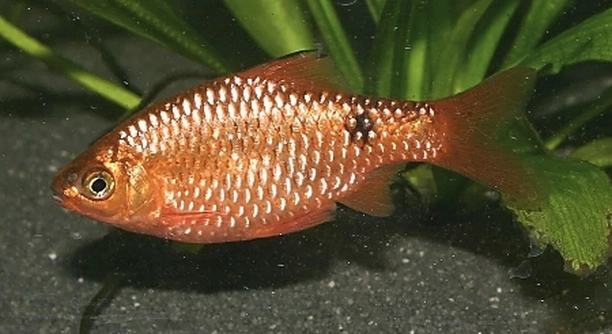
Rosy barbs are a popular choice for many aquarium enthusiasts due to their bright colors and active nature. Many fishkeepers want to know how large these fish grow to plan their tanks properly. Understanding their size helps maintain a healthy environment.
Rosy barbs typically reach an adult size of about 4 to 6 inches (10 to 15 centimeters) in length. Factors such as tank size, diet, and water quality influence their growth, but this size range is common for mature specimens in home aquariums.
Knowing the typical size of rosy barbs is essential for creating suitable tank conditions and ensuring their well-being throughout their lifespan.
Factors Affecting the Size of Rosy Barbs
Several factors influence how big rosy barbs can grow in an aquarium. The size of the tank plays an important role. In smaller tanks, fish may not reach their full potential size because of limited space and water quality. Proper diet is also crucial; feeding them a balanced diet with good protein supports healthy growth. Water conditions like temperature and cleanliness affect their health and development. Stress from overcrowding or aggressive tank mates can stunt growth. Genetics also determine the maximum size each fish can reach, as some strains naturally grow larger than others. Paying attention to these aspects ensures your rosy barbs develop properly and stay vibrant.
Providing the right environment and nutrition helps rosy barbs reach their ideal size and maintain good health in captivity.
Understanding these factors allows you to make informed choices for your aquarium setup and fish care, resulting in happier, healthier fish.
Recognizing Healthy Growth Patterns
Healthy rosy barbs grow steadily without sudden changes in size or behavior.
Monitoring growth involves observing their activity levels, color, and appetite. Fish that stop eating or appear lethargic may be stressed or ill, which can affect growth. Growth rates may slow as fish mature, which is normal. It’s important to avoid overcrowding and keep water parameters stable to support steady development. Frequent partial water changes and feeding high-quality food contribute to maintaining their health. By keeping a close watch on these signs, you can ensure your rosy barbs grow at a healthy pace and thrive in your care.
Tank Size Recommendations
A proper tank size is essential for rosy barbs to grow and stay healthy. Smaller tanks limit their size and cause stress.
A minimum of 30 gallons is recommended for a small group of rosy barbs. This allows enough space for swimming and helps maintain water quality. Overcrowding leads to stunted growth and aggressive behavior. Larger tanks provide better oxygen levels and stable conditions, which promote healthy development. Keeping at least six rosy barbs together reduces stress since they are schooling fish.
Choosing an appropriate tank size is important not only for their growth but also for their overall well-being and activity levels.
Diet and Nutrition for Growth
A balanced diet with high-quality food supports optimal growth in rosy barbs.
Feeding them a variety of foods, such as flakes, pellets, and live or frozen treats, ensures they get necessary nutrients. Protein-rich foods help muscle development and coloration. Overfeeding can lead to poor water quality, affecting their health, so feed small amounts multiple times a day. Including vegetables like blanched spinach or peas adds fiber and variety. Consistency in feeding routines helps maintain stable growth and vitality.
Proper nutrition combined with clean water and suitable tank conditions maximizes the potential size and health of rosy barbs.
Water Quality and Its Impact
Maintaining good water quality is key to rosy barbs’ growth and health. Poor conditions can stunt their development.
Regular water changes and proper filtration keep ammonia and nitrite levels low. Stable temperature and pH reduce stress, allowing fish to grow properly.
Common Growth Problems
Rosy barbs sometimes experience growth issues due to overcrowding, poor diet, or disease. Stunted growth often signals underlying problems. Addressing tank conditions and health early prevents long-term effects.
Ideal Temperature Range
Rosy barbs thrive between 64°F and 72°F (18°C to 22°C). Keeping the tank within this range supports metabolism and steady growth.
Importance of Tank Mates
Choosing compatible tank mates reduces stress and competition, helping rosy barbs grow well in a peaceful environment.
How fast do rosy barbs grow?
Rosy barbs generally grow quickly during their first six months. In optimal conditions, they can reach about half their adult size within this time. Growth slows as they approach maturity, usually around 10 to 15 months. Factors like diet, tank size, and water quality influence how fast they develop.
What is the maximum size rosy barbs can reach?
The average maximum size for rosy barbs is between 4 and 6 inches (10 to 15 centimeters). Some individuals may grow slightly larger in spacious, well-maintained tanks. However, most home aquarium specimens stay within this size range when properly cared for.
Can rosy barbs grow larger in bigger tanks?
Yes, providing a larger tank with stable water conditions can promote better growth. More space reduces stress and allows for more swimming, which supports muscle development. However, genetics also set limits on how large they can get.
How does diet affect the size of rosy barbs?
A varied diet rich in protein helps rosy barbs reach their full growth potential. Flakes, pellets, and occasional live or frozen foods supply essential nutrients. Feeding them too little or too much can hinder growth or cause health problems.
What water conditions are best for rosy barbs’ growth?
Stable temperature (64°F to 72°F), clean water, and balanced pH (6.5 to 7.5) are ideal. Regular water changes and proper filtration prevent toxins from building up. Stress from poor water quality can slow or stunt growth.
Do rosy barbs stop growing at a certain age?
Yes, rosy barbs typically stop growing once they reach full maturity, around 10 to 15 months old. After this, their growth rate slows significantly, focusing more on maintaining health than increasing size.
Can stress affect the growth of rosy barbs?
Stress from overcrowding, aggressive tank mates, or poor water conditions can stunt growth. Stress weakens the immune system and affects appetite, making it harder for fish to grow properly.
Is it normal for rosy barbs to grow unevenly?
Sometimes, individual rosy barbs may grow at different rates due to competition or health issues. Uneven growth can also result from genetic differences. Ensuring equal access to food and a calm environment helps minimize this problem.
How often should rosy barbs be fed for optimal growth?
Feeding small amounts two to three times a day is best. This keeps their metabolism steady and prevents overfeeding, which can harm water quality and slow growth.
Are there signs that a rosy barb is not growing properly?
Signs include stunted size, dull colors, lethargy, and reduced appetite. These often indicate stress, poor water quality, or illness. Early intervention can improve growth outcomes.
Can tank mates affect rosy barb growth?
Yes, aggressive or larger tank mates can stress rosy barbs, reducing their growth. Peaceful schooling fish are better companions to maintain a healthy, low-stress environment.
Does water hardness influence rosy barb size?
Moderate water hardness supports healthy growth. Extremely hard or soft water may cause stress or health problems, indirectly affecting size.
Can adding plants to the tank help rosy barbs grow?
Live plants improve water quality by absorbing nitrates and providing hiding spots, which reduce stress. Less stress promotes better growth and overall health.
Is overcrowding a common reason for stunted growth in rosy barbs?
Overcrowding leads to competition for food and poor water quality, both of which can stunt growth. Keeping appropriate stocking levels prevents these issues.
How long do rosy barbs live?
With good care, rosy barbs live around 5 to 8 years. Healthy growth during their first year sets the foundation for a longer lifespan.
Can rosy barbs grow larger in outdoor ponds?
Outdoor ponds can allow for larger growth due to more space and natural conditions. However, temperature fluctuations and predators may pose risks.
Does changing water frequently help rosy barbs grow?
Regular water changes remove toxins and maintain good water quality, supporting healthy growth. It’s important to keep water parameters stable during changes.
Are there any supplements that help rosy barbs grow bigger?
Vitamin-rich foods and occasional supplements can improve health but are not necessary if diet and tank conditions are adequate.
What is the best way to measure rosy barb size?
Measure from the tip of the snout to the base of the tail fin for accurate length. Use a ruler or measuring tape during feeding or gentle handling.
Can rosy barbs grow back if they shrink due to stress?
If stress causes temporary size loss or weight drop, recovery is possible with improved care. However, permanent stunting may not be reversible.
How important is genetics in determining rosy barb size?
Genetics play a major role in maximum size potential. Good care can help fish reach their genetic limits, but it cannot surpass them.
Should juvenile rosy barbs be moved to bigger tanks for better growth?
Moving young fish to larger tanks supports healthy growth by reducing crowding and stress, allowing them to reach full size.
What happens if rosy barbs grow too large for their tank?
Oversized fish may become stressed, suffer health problems, or cause tank damage. It’s important to provide adequate space as they grow.
Can rosy barbs grow differently in captivity versus the wild?
Wild rosy barbs may grow larger due to natural diet and environment, while captive fish size depends heavily on aquarium conditions.
Is it normal for rosy barb males and females to differ in size?
Males are often slightly smaller and more slender, while females tend to be rounder and sometimes larger, especially when full of eggs.
Does lighting affect rosy barb growth?
Lighting helps maintain natural behavior and feeding schedules, indirectly supporting growth. Too much or too little light can cause stress.
What are the signs of overfeeding rosy barbs?
Signs include uneaten food, cloudy water, and fish gaining excess weight. Overfeeding harms water quality and can slow growth.
How does water temperature outside the ideal range affect growth?
Temperatures too low slow metabolism, reducing growth. Temperatures too high increase stress and oxygen demand, which can also stunt development.
Rosy barbs are a vibrant and lively addition to many aquariums, and understanding their growth helps in providing the best care. Knowing how big they typically get allows you to plan the right tank size and environment. They usually reach around 4 to 6 inches, but factors like diet, water quality, and tank space affect this. Paying attention to these details helps your fish stay healthy and active.
Maintaining stable water conditions and feeding a balanced diet are key to supporting their growth. Rosy barbs need clean water with a proper temperature range and good filtration to thrive. Overcrowding and stress can slow down their development, so keeping a peaceful community with compatible tank mates is important. Regular water changes and monitoring water parameters will make a noticeable difference in how well they grow.
While genetics set limits on their maximum size, proper care allows them to reach their full potential. Observing your fish’s behavior and size regularly helps detect any issues early on. Taking the time to meet their needs contributes to a longer, healthier life for your rosy barbs. With the right environment and care, these fish can become a beautiful and lively part of your home aquarium.

Hello,
If you enjoy the content that we create, please consider saying a "Thank You!" by leaving a tip.
Every little bit helps us continue crafting quality advice that supports the health, happiness, and well-being of pets around the world, for pets of all shapes, sizes, and species.
We really appreciate the kindness and support that you show us!