
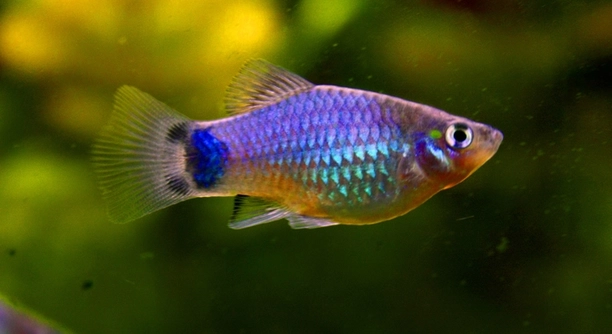
Have you ever noticed how platies behave when you change their tank’s substrate? Many aquarium keepers pay close attention to how their fish adjust to new environments. Observing platies’ reactions can help create a comfortable space for them.
Platies generally show cautious but quick adaptation to new substrates. They may explore the surface carefully at first, but soon begin normal swimming and foraging behavior. Stress is usually minimal if the substrate change is gradual and suitable for their needs.
Understanding how platies respond to substrate changes can improve their well-being. This knowledge helps maintain a balanced and healthy aquarium environment for these lively fish.
How Platies Explore New Substrates
When platies first encounter a new substrate, they tend to approach it with curiosity but also caution. They will often swim slowly along the bottom, gently touching the surface with their mouths or fins to test the texture and safety. This behavior usually lasts for a few hours or days, depending on how different the substrate is from what they were used to. Some platies might hide more than usual, especially if the new substrate feels unfamiliar or sharp. It’s important to provide plenty of hiding spots during this period to reduce stress. Over time, most platies become more comfortable and start using the substrate normally for swimming and searching for food.
Platies respond best when the substrate is smooth and non-toxic. Rough or sharp substrates can cause discomfort or injury.
Keeping the substrate clean and suitable in size and texture will help platies adapt quickly. Observing their behavior during this transition gives clues about their comfort and health.
Effects of Substrate Changes on Platy Behavior
Platies might show changes in activity levels or feeding habits immediately after a substrate change. They can become more reserved or less interested in food if the new surface feels unsettling. However, this reaction tends to be temporary if the substrate meets their needs. Gradual changes help minimize stress and keep behavior stable.
If the substrate is safe and well-suited, platies usually return to normal swimming and social behaviors within a few days. Providing a stable environment during this time supports their well-being.
Monitoring water quality is also essential after switching substrates. Some materials can affect pH or release particles that impact the tank’s balance. Making sure the tank stays clean and water parameters are stable ensures platies remain healthy and active after the change.
Choosing the Right Substrate for Platies
The right substrate should be smooth and easy to clean. Avoid sharp or rough materials that might hurt the fish. Natural colors tend to be less stressful for platies.
A good substrate supports the natural behavior of platies, such as grazing and digging. Fine gravel or sand works well because it allows them to explore without risk of injury. It also helps beneficial bacteria grow, which improves water quality. Choosing the right substrate can reduce stress and promote healthier activity levels in your tank. Avoid overly bright or unnatural colors, as these can cause the fish to feel uneasy.
Substrates that retain debris can affect water cleanliness if not properly maintained. Regular cleaning and partial water changes help keep the tank healthy. Platies also benefit from substrates that mimic their natural habitats, allowing them to feel secure and display normal behavior. Keeping the substrate balanced between aesthetics and function ensures the best environment for your fish.
Introducing New Substrates to Your Tank
Start by mixing the new substrate with the old one to ease the transition. This helps platies adjust without sudden changes in their environment. Gradual introduction lowers the chance of stress.
Once the new substrate is fully added, observe the platies closely for signs of discomfort or hiding. If any unusual behavior appears, consider slowing down the change or trying a different material. Keeping water parameters stable during this period is critical, as disturbances can add to the fish’s stress. Patience during the process makes it smoother for both you and your platies. Taking these steps helps protect the fish’s health and comfort as they adapt to their new surroundings.
Monitoring Platy Health After Substrate Change
Watch for signs of stress such as erratic swimming, loss of appetite, or hiding. These can indicate discomfort with the new substrate. Early detection helps prevent bigger problems.
Check the tank regularly for changes in water clarity or quality. Poor conditions can affect platy health and behavior.
How Substrate Affects Tank Cleanliness
A suitable substrate helps trap waste, making it easier to clean the tank. However, too fine a substrate may trap debris deeply, requiring more effort to maintain cleanliness. Choosing the right balance is key for keeping the tank healthy.
Tips to Keep Platies Comfortable
Provide plenty of hiding spots and plants. This helps platies feel safe and reduces stress when adjusting to new substrates.
FAQ
How long does it take for platies to adjust to a new substrate?
Platies usually take a few hours to a few days to get used to a new substrate. If the change is gentle and the substrate is safe, they tend to explore quickly and return to normal behavior. Sudden or harsh changes may extend this adjustment period.
Can platies be stressed by certain types of substrate?
Yes, platies can get stressed by substrates that are too sharp, rough, or brightly colored. These can make them feel unsafe or uncomfortable. Using smooth, natural-colored substrates helps reduce stress and encourages natural behavior.
Is it safe to mix different types of substrates in one tank?
Mixing substrates is possible but should be done carefully. Combining fine sand with larger gravel can create uneven surfaces that may trap waste or cause injury. It’s best to choose substrates that work well together and support good tank hygiene.
How often should I clean the substrate?
Cleaning frequency depends on the tank size and stocking levels. Typically, vacuuming the substrate during water changes every one to two weeks keeps it clean. Avoid deep cleaning that disrupts beneficial bacteria living in the substrate.
What substrates are best for platies?
Fine gravel and smooth sand are excellent choices for platies. They allow natural behaviors like foraging and are gentle on the fish. Avoid sharp or coarse materials that can damage their fins or scales.
Will changing the substrate affect water parameters?
Some substrates can change water hardness or pH. It’s important to test water regularly after a substrate change to ensure conditions stay stable. Rinsing new substrates thoroughly before adding them helps prevent unwanted changes.
Can platies adapt to artificial substrates like glass beads or plastic gravel?
Platies might tolerate artificial substrates, but these materials often don’t support beneficial bacteria and may not feel natural to the fish. Natural substrates tend to be better for overall tank health and platy comfort.
What signs show that platies dislike the new substrate?
Signs include hiding more often, reduced feeding, erratic swimming, or rubbing against tank surfaces. These behaviors suggest discomfort or stress, and the substrate choice should be reconsidered if they persist.
Is it okay to introduce plants with the new substrate?
Yes, adding live plants during substrate changes can help platies feel more secure. Plants provide hiding spots and improve water quality. Just ensure plants are suited to the substrate type for healthy growth.
Can substrate changes cause illness in platies?
Indirectly, yes. Stress from unsuitable substrates or poor water quality after a change can weaken the immune system, making platies more prone to illness. Keeping a stable environment and monitoring behavior helps prevent health issues.
Should I quarantine platies when changing the substrate?
Quarantining is not usually necessary just for substrate changes unless you’re moving fish between tanks. Focus on gradual changes and maintaining water quality to keep them healthy during the transition.
How do I know if the substrate is safe for baby platies?
Baby platies need very fine, smooth substrates to avoid injury. Sharp or large gravel can harm their delicate bodies. Sand or fine gravel that doesn’t trap waste too deeply is ideal for fry tanks.
Can substrate type influence platy breeding behavior?
Yes, some substrates can encourage breeding by providing safe places for fry to hide. Fine gravel or sand with plants often supports breeding, while rough or unstable substrates may discourage it.
What should I do if my platies don’t seem to like the new substrate after several days?
If negative behaviors continue, consider switching to a more suitable substrate or adding more hiding spots. Monitor water conditions and remove any sharp or irritating materials. Patience and observation are key to finding what works best.
How does substrate choice affect tank cleaning routines?
Different substrates require different care. Fine sand may need gentle vacuuming to avoid disturbing it, while gravel can be cleaned more thoroughly. Knowing the substrate type helps keep the tank clean without harming beneficial bacteria.
Changing the substrate in a platy tank can feel like a small step, but it really affects the fish and the overall aquarium. Platies react to new substrates mainly by exploring and testing their new environment. Their reaction depends on how different the new substrate is and how it feels to them. If the substrate is smooth and safe, they adjust quickly with little stress. On the other hand, rough or sharp materials can make them uncomfortable or even hurt them, causing stress or hiding behavior. Choosing the right substrate helps create a calm and healthy environment for platies to thrive.
It is important to introduce new substrates slowly and carefully. Mixing a little new substrate with the old one at first can make the change less sudden for the fish. During this time, watching the platies’ behavior is key to knowing how well they are adapting. Signs like hiding, less eating, or erratic swimming can mean they are stressed or uncomfortable. If you see these signs, slowing down the change or trying a different substrate might be needed. Also, keeping the water clean and stable during the transition helps the platies stay healthy. Regular tank maintenance, such as water changes and gentle substrate cleaning, supports the fish’s comfort and well-being.
Finally, the right substrate does more than just affect the fish—it also impacts the tank’s cleanliness and the growth of beneficial bacteria. A substrate that traps too much debris can make cleaning harder and affect water quality. On the other hand, substrates like fine gravel or sand are easy to maintain and encourage natural fish behavior. Adding plants with the substrate gives platies places to hide, which reduces stress and helps them feel secure. Paying attention to these details helps keep the aquarium balanced and ensures platies live healthy, happy lives. Overall, choosing and managing the substrate thoughtfully is one of the simplest ways to support your platies’ health and happiness.

Hello,
If you enjoy the content that we create, please consider saying a "Thank You!" by leaving a tip.
Every little bit helps us continue crafting quality advice that supports the health, happiness, and well-being of pets around the world, for pets of all shapes, sizes, and species.
We really appreciate the kindness and support that you show us!