
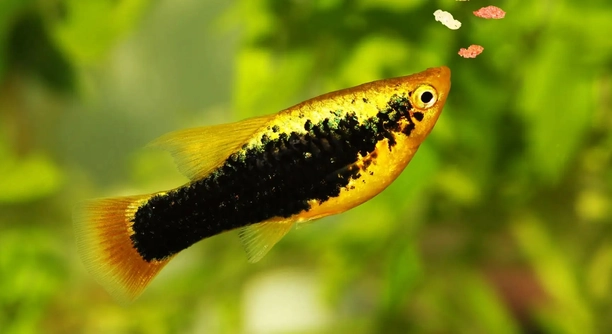
Platies are popular aquarium fish known for their bright colors and peaceful nature. However, they can experience stress due to changes in their environment or water conditions. Keeping them calm is important for their health and wellbeing.
Stress in platies is often caused by poor water quality, overcrowding, sudden temperature changes, or aggressive tank mates. Addressing these factors with proper tank maintenance, suitable companions, and stable conditions effectively reduces their stress and promotes healthier behavior.
Learning simple tricks to calm stressed platies will help you maintain a peaceful and thriving aquarium environment. This article explains key ways to keep your fish happy and healthy.
Maintain Stable Water Conditions
Keeping the water conditions steady is crucial for calming stressed platies. These fish are sensitive to sudden changes in temperature, pH, and ammonia levels. Frequent water testing helps identify any shifts early. Changing too much of the water at once can also shock your platies, so it’s better to do smaller, regular water changes. Using a reliable heater and filter ensures the tank environment stays consistent. Avoid adding new decorations or plants suddenly, as this can disturb the water chemistry. Proper maintenance will create a comfortable space where your platies feel safe.
Small fluctuations in water quality can cause ongoing stress for platies. Consistency is key to keeping their environment calm and healthy.
Stabilizing water conditions isn’t just about regular maintenance; it’s about understanding your tank’s balance. Platies thrive best in temperatures between 72°F and 78°F with a pH of 6.8 to 8.0. Use a thermometer and pH testing kit to monitor these levels closely. If you notice ammonia or nitrite spikes, take immediate action by cleaning the tank or adding beneficial bacteria. Avoid overcrowding your tank, as too many fish can lead to poor water quality faster. Consistency and attention to detail in water care greatly reduce stress, promoting your platies’ health and vibrant colors.
Provide Hiding Places and Plants
Platies feel more secure when they have places to hide. Plants and decorations give them shelter from bright lights and potential threats. Dense plants like Java moss or Anubias create safe spots where platies can relax without being disturbed. It’s important to balance hiding places with enough open swimming space to keep the fish active. Avoid sharp or rough decorations that could harm them. By offering natural hiding spots, you help reduce anxiety and encourage natural behavior, which improves their overall wellbeing.
Creating a tank with both hiding spots and open areas keeps platies comfortable and less stressed.
Plants also improve water quality by absorbing excess nutrients and providing oxygen. Live plants contribute to a more stable environment and can slow algae growth. When selecting plants, choose species that grow well in your tank conditions and don’t require excessive care. Besides live plants, you can use smooth rocks or driftwood to add variety. Arrange these elements to mimic natural hiding spots without overcrowding. This setup helps platies feel protected and calm, encouraging them to explore and socialize confidently in their space.
Avoid Overcrowding the Tank
Too many platies in one tank create stress through competition for space and resources. Overcrowding also causes rapid waste buildup, which harms water quality and fish health. Keeping the tank population appropriate to its size is essential for a calm environment.
A general rule is one inch of fish per gallon of water. Overcrowded tanks make platies more aggressive and nervous. When space is limited, fish may hide constantly or display unhealthy behavior. Introducing too many new fish at once also causes stress. It is better to add fish gradually and monitor their interaction. Providing enough space helps platies swim freely, reduces fighting, and lowers stress levels.
By maintaining proper tank size and population balance, you create a healthy habitat for platies. This reduces stress-related diseases and improves their lifespan and appearance.
Use Gentle Lighting and Avoid Sudden Changes
Bright or flickering lights can startle platies and cause stress. Gradual changes in lighting simulate natural conditions and keep fish calm. Using dimmable lights or placing the tank away from direct sunlight helps maintain a steady light level.
Sudden changes in light disrupt the fish’s routine, making them anxious. Avoid turning lights on and off abruptly. Using a timer ensures consistent light cycles, which helps regulate platies’ behavior. Gentle lighting also encourages natural activity and rest periods. If you notice platies hiding or darting around, check the lighting and adjust accordingly.
Consistency in lighting supports platies’ well-being and reduces stress, contributing to a balanced and peaceful tank environment.
Feed a Balanced Diet
A varied diet keeps platies healthy and less stressed. Feeding high-quality flakes, pellets, and occasional live or frozen foods ensures they get all necessary nutrients. Avoid overfeeding, which can pollute the water and harm fish.
Providing consistent feeding times helps establish a routine. This reduces anxiety and keeps platies calm.
Avoid Aggressive Tank Mates
Platies are peaceful fish and do not do well with aggressive species. Aggressive tank mates cause constant stress and injury. Choose calm fish like tetras or mollies to maintain harmony.
Maintain Proper Tank Temperature
Platies thrive in water temperatures between 72°F and 78°F. Sudden changes or extremes can cause stress and weaken their immune system. Use a reliable heater and thermometer to keep the temperature steady.
Minimize Noise and Vibrations
Loud noises and vibrations outside the tank disturb platies and increase stress. Place the aquarium in a quiet area away from heavy foot traffic and loud appliances.
FAQ
How can I tell if my platies are stressed?
Stressed platies often show changes in behavior or appearance. They might hide more than usual, swim erratically, or lose their bright colors. You may notice them gasping at the surface or rubbing against decorations. Reduced appetite and slow movement are also signs of stress.
What causes stress in platies?
Common causes include poor water quality, overcrowding, sudden temperature or pH changes, aggressive tank mates, and lack of hiding places. Even strong or flickering lights can stress platies. Regular tank maintenance and stable conditions help prevent these problems.
How often should I change the water in my platy tank?
A good practice is to change 20–30% of the water every one to two weeks. Smaller, regular changes avoid shocking your fish. Always treat new water to remove chlorine and match the temperature to the tank before adding it.
Can platies recover from stress quickly?
If the source of stress is removed, platies can recover within a few days to a couple of weeks. Improving water quality, providing hiding spots, and removing aggressive tank mates help speed recovery. Monitor them closely for any signs of illness.
Is it necessary to quarantine new platies?
Yes, quarantining new fish for at least two weeks prevents introducing diseases or parasites to your main tank. Keep new platies in a separate tank with similar water conditions and observe them for any unusual behavior or illness before mixing.
What is the best diet to reduce stress in platies?
A balanced diet including high-quality flakes or pellets, supplemented with live or frozen foods like brine shrimp or bloodworms, supports immune health and reduces stress. Avoid overfeeding, which can pollute the tank and harm your fish.
Can tank size affect platy stress levels?
Definitely. Platies need enough space to swim freely without feeling crowded. Overcrowding causes aggression and poor water quality. A minimum of 10 gallons for a small group is recommended to keep stress low.
How important are hiding places for platies?
Hiding places are essential. Plants and decorations give platies refuge when they feel threatened. This reduces anxiety and encourages natural behaviors. Without enough cover, they may stay hidden or become overly stressed.
Should I adjust lighting to calm stressed platies?
Yes, avoid bright or flickering lights. Use dimmable lights or position the tank away from direct sunlight. A consistent light schedule with gradual changes helps keep platies relaxed and healthy.
What should I do if my platies keep hiding?
Hiding often means they feel unsafe. Check water quality, tank mates, and lighting. Ensure there are enough hiding spots but also enough open space. Address any aggressive fish or sudden changes in tank conditions to help them feel secure again.
Final Thoughts
Keeping platies calm and stress-free takes attention to their environment and daily care. Stable water conditions, proper tank size, and gentle lighting all play important roles in reducing stress. Platies are sensitive to sudden changes, so maintaining a consistent routine helps them feel safe. Regular water testing and gradual changes prevent harmful fluctuations. These small efforts create a healthy space where platies can thrive without feeling threatened or uncomfortable.
Providing hiding places with live plants and decorations also supports their wellbeing. These spots give platies a chance to rest and escape when they feel anxious. Balanced nutrition is equally important. Feeding high-quality food in appropriate amounts keeps platies healthy and better able to cope with any stress. Avoid overcrowding and aggressive tank mates, as these factors can quickly raise stress levels and cause harm. When platies have enough space, gentle companions, and a stable environment, they show brighter colors and more natural behavior.
It’s natural to want the best for your platies, and calming stressed fish improves their health and longevity. Understanding what causes stress and how to address it allows you to create a peaceful aquarium. The small changes you make in water care, feeding, tank setup, and lighting will benefit your fish greatly. Observing their behavior closely helps catch issues early, so you can act before stress causes illness. By focusing on these basic steps, you ensure your platies live happier and healthier lives in your care.

Hello,
If you enjoy the content that we create, please consider saying a "Thank You!" by leaving a tip.
Every little bit helps us continue crafting quality advice that supports the health, happiness, and well-being of pets around the world, for pets of all shapes, sizes, and species.
We really appreciate the kindness and support that you show us!