
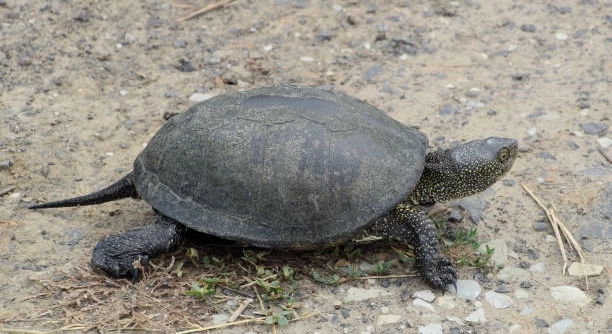
Musk turtles, though small in size, have unique ways of communicating with each other. Their methods range from subtle gestures to more noticeable signals. Understanding these behaviors can help any turtle owner interact with their pets more effectively.
Musk turtles communicate primarily through body language and vocalizations. They use their movements and facial expressions to convey emotions, while occasional sounds can also indicate stress or discomfort. These signals help them navigate their environments and relationships with others.
Learning how musk turtles express themselves is key to keeping them healthy and happy. Understanding their communication methods can enhance your relationship with them.
How Musk Turtles Use Body Language
Musk turtles rely heavily on their body language to express emotions and communicate with others. Their movements often convey their mood or intentions. For example, when a turtle is feeling threatened, it may retract into its shell or freeze. On the other hand, a relaxed musk turtle may swim calmly or bask on a rock with its head held high. These subtle signals are important for identifying the turtle’s state of mind, which can be useful when caring for them.
Understanding these body cues can make a difference in ensuring your turtle’s well-being. Observing their movements can help you gauge whether they are stressed, relaxed, or content. This allows you to take appropriate action if needed.
Body language is not only useful for recognizing stress but also helps turtles communicate during social interactions. When musk turtles are in the presence of others, they may approach each other slowly or avoid direct contact altogether. These behaviors help maintain their comfort and avoid potential conflicts in shared spaces. Keeping an eye on these interactions can help ensure they live harmoniously.
Vocalizations and Sounds
Musk turtles also communicate using sounds, though they are not as vocal as other species. They can produce faint hissing or grunting noises, which are often associated with discomfort or agitation. These vocalizations can be a clear sign that your turtle is stressed or in need of space.
Though these sounds are subtle, they are important for recognizing when your turtle may be feeling uneasy. It’s crucial to adjust their environment if you hear them.
Why Musk Turtles May Retreat Into Their Shells
When musk turtles retreat into their shells, it’s often a sign of stress or discomfort. This behavior is their natural defense mechanism to protect themselves from potential threats. If you notice your turtle frequently retracting, it’s important to consider environmental factors that may be contributing to this reaction, such as noise or sudden movements around its habitat.
A retreat into the shell can also indicate that the turtle feels threatened or is simply seeking solitude. They tend to withdraw when they need to escape from something that makes them uneasy. If your turtle has been more reclusive, evaluating the surroundings and their current care routine can help address the issue.
Providing a quiet and stable environment can reduce the frequency of this behavior. Ensuring the tank is placed in a calm area and is free from sudden disturbances will help the turtle feel more secure. If this behavior persists, it may also be worth checking for signs of illness or injury, as discomfort could lead to more frequent hiding.
Social Interactions Among Musk Turtles
Musk turtles can be territorial, which affects their interactions with others. In the wild, they are solitary creatures, so when housed with other turtles, they may display aggressive behavior. Territorial disputes can lead to biting or chasing, making it important to monitor how they interact with tank mates.
Even though musk turtles are generally not social, some individuals can coexist peacefully in the same enclosure. However, it’s essential to ensure enough space for each turtle to claim its territory. A crowded environment can lead to stress, territorial disputes, and aggression, negatively impacting their health. Keeping the tank size appropriate for the number of turtles is crucial for reducing stress.
You may also notice that musk turtles occasionally communicate with each other through gestures or slight touches. These interactions, although subtle, help establish boundaries or reinforce their status within the shared space. Understanding these social cues will help ensure their well-being when housed together.
Understanding Musk Turtle’s Basking Behavior
Musk turtles spend a lot of time basking under heat lamps. This behavior helps regulate their body temperature and absorb UV light, which is essential for their health. If your turtle is basking for long periods, it’s a sign that their environment is set up correctly for their needs.
Basking also allows them to dry off and keep their shell in good condition. It’s essential to provide a proper basking platform and adequate heat for the turtle. If your turtle doesn’t bask enough, it could lead to health problems, such as shell rot or metabolic bone disease.
How Musk Turtles Respond to Food
Musk turtles can be quite enthusiastic during feeding time. They often display excitement by swimming rapidly or approaching their food immediately. They tend to recognize food sources quickly, and their response to feeding is typically strong and immediate, especially when their favorite treats are involved.
It’s important to monitor how they react to different food types. Some turtles may be more selective or hesitant, while others will eagerly devour anything provided. Understanding their preferences will help ensure they get a balanced and varied diet.
FAQ
How can I tell if my musk turtle is stressed?
Signs of stress in musk turtles include hiding more often, erratic swimming, and excessive scratching. If your turtle is not eating or appears lethargic, these can also be indicators of stress. It’s important to monitor their behavior and environment to identify potential causes. Stress can stem from various factors, such as inappropriate tank conditions, overcrowding, or a sudden change in their environment. Providing a stable, quiet, and spacious habitat can help reduce stress levels. Regularly checking water quality, temperature, and lighting can also prevent many stress-related issues.
What is the ideal water temperature for musk turtles?
Musk turtles thrive in water temperatures between 75°F and 80°F (24°C to 27°C). Keeping the water within this range helps maintain their metabolism and overall health. Water that is too cold can cause them to become sluggish, while water that is too hot can lead to overheating and stress. Ensure you have a reliable thermometer to monitor the water and adjust the tank heater as necessary. Remember that the basking area should be around 85°F to 90°F (29°C to 32°C) to provide a thermal gradient for your turtle to regulate its body temperature effectively.
Can musk turtles live with other turtles?
Musk turtles can live with other turtles, but it depends on the species and their temperament. Musk turtles are generally solitary animals, and they can become territorial or aggressive towards other turtles, especially during feeding times. It’s important to provide enough space for each turtle to establish its own territory. Overcrowding can lead to stress, which may result in fights or health issues. If you plan on keeping multiple turtles, make sure the tank is large enough, with multiple basking areas and hiding spots to reduce potential conflicts.
What should I feed my musk turtle?
Musk turtles are omnivores, meaning they eat both plant and animal matter. Their diet should consist of a variety of foods, including commercial turtle pellets, leafy greens, and occasional protein sources like insects, small fish, or earthworms. It’s essential to offer a balanced diet to ensure they receive all the necessary nutrients for healthy growth. Be mindful of not overfeeding, as musk turtles can easily become overweight, which may lead to health problems. Additionally, always ensure any live food offered is appropriately sized to avoid choking hazards.
How often should I clean my musk turtle’s tank?
Cleaning your musk turtle’s tank regularly is crucial to maintaining water quality and preventing the buildup of harmful bacteria. You should clean the tank at least once a week, but this may vary depending on the size of the tank and the number of turtles. Perform partial water changes (about 25-30%) weekly to maintain proper filtration. Additionally, scrub the tank surfaces, remove any uneaten food, and clean the filter to ensure the water stays clear and free of debris. The basking area should also be wiped down to prevent bacteria growth.
How can I prevent shell rot in my musk turtle?
Shell rot can occur if your turtle is kept in water with poor quality or inadequate temperature. To prevent shell rot, ensure your turtle has a clean tank with proper filtration and temperature control. Make sure your turtle spends time basking to keep its shell dry and healthy. If you notice any soft or discolored spots on your turtle’s shell, it may be a sign of shell rot, and you should seek veterinary attention immediately. Regularly checking your turtle’s shell and overall health will help prevent this issue from developing.
Do musk turtles need UVB light?
Yes, musk turtles require UVB light to thrive. UVB light helps them synthesize vitamin D3, which is essential for calcium absorption and healthy bone growth. Without proper UVB exposure, turtles can develop metabolic bone disease. You should provide a UVB light source over the basking area, ensuring your turtle can access it during the day. The light should be replaced every 6-12 months, as UVB rays lose their effectiveness over time. It’s also important to ensure that the light is positioned at the proper distance from the basking area to provide sufficient UVB exposure.
How do I create the right habitat for a musk turtle?
Creating the right habitat for your musk turtle involves providing a spacious tank with both a water area and a dry basking area. The water should be deep enough for your turtle to swim comfortably but shallow enough for it to easily access the surface for air. You’ll need a reliable filtration system to keep the water clean, as musk turtles are messy eaters. The basking area should have a heat lamp to create a warm spot for your turtle to rest and dry off. Ensure the tank is in a quiet location to minimize stress, and use a thermometer to monitor water and basking area temperatures.
What are the common health issues in musk turtles?
Musk turtles are prone to several health issues, including respiratory infections, shell rot, and metabolic bone disease. Respiratory infections often occur when turtles are exposed to cold water or drafts. Shell rot is caused by poor water quality or a lack of basking time. Metabolic bone disease can develop if the turtle is not provided with enough UVB light or calcium. Regularly monitoring your turtle’s health and environment can help prevent these problems. If you notice any signs of illness, such as lethargy, swelling, or difficulty swimming, it’s important to consult a veterinarian.
Final Thoughts
Musk turtles are unique and interesting pets that can thrive in a well-maintained environment. They are relatively low-maintenance compared to some other reptiles, but they do require specific care to remain healthy and happy. By providing a proper tank setup, including adequate water temperature, UVB lighting, and a clean basking area, you can ensure your turtle stays in good condition. Keeping an eye on their diet and behavior is equally important, as their health can be affected by poor feeding habits or environmental stress.
Understanding the needs of your musk turtle is key to providing the best care. Their diet should be balanced, consisting of both plant matter and animal protein. It’s essential not to overfeed them and to provide a variety of foods to maintain a healthy weight. Regular tank cleaning, including water changes and filter maintenance, will help prevent water quality issues that can lead to health problems like shell rot or respiratory infections. Monitoring their basking habits will also ensure they are getting the proper amount of warmth and UVB light to support their metabolism and bone health.
Finally, regular observation is important for spotting early signs of illness or stress. Musk turtles can be sensitive to changes in their environment, so it’s essential to maintain consistent conditions. If you notice any unusual behaviors or physical signs, such as changes in appetite, swimming patterns, or shell condition, it’s important to address these concerns promptly. By taking a proactive approach and learning more about your turtle’s specific needs, you can provide a safe and comfortable home for your musk turtle, ensuring a long and healthy life.

Hello,
If you enjoy the content that we create, please consider saying a "Thank You!" by leaving a tip.
Every little bit helps us continue crafting quality advice that supports the health, happiness, and well-being of pets around the world, for pets of all shapes, sizes, and species.
We really appreciate the kindness and support that you show us!