
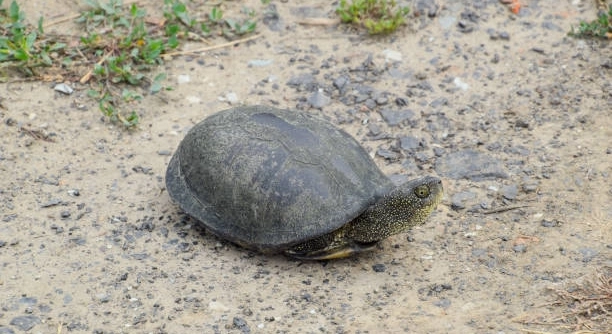
Musk turtles have undergone unique evolutionary changes that make them fascinating creatures. Their adaptations have helped them survive in various environments. Learn more about how they evolved to thrive in different habitats and what makes them distinct.
Musk turtles have developed specialized features over millions of years, including a unique shell shape and behavior. Their evolutionary path has allowed them to adapt to freshwater environments, helping them survive predators and environmental changes.
These facts reveal how musk turtles evolved and adapted. Understanding their evolution highlights the importance of these small yet resilient creatures.
Unique Shell Shape and Function
Musk turtles have evolved to have a smaller, more domed shell compared to other species. This compact shell is crucial for their survival. It allows them to move quickly through the water, which is essential for escaping predators. Unlike many turtles, musk turtles also have a reduced number of scutes on their shells, which helps them stay more agile. This unique shell shape also makes them less visible, giving them a natural defense in their environment.
The shape of their shell offers musk turtles an edge when it comes to swift movements in the water. By reducing surface area and weight, the shell allows for more streamlined swimming, aiding in the quick escapes from predators.
This shell adaptation is a direct result of musk turtles needing to navigate both shallow waters and dense aquatic vegetation. Their ability to move rapidly in and out of hiding places is a survival strategy that has helped them thrive in their natural habitats.
Specialized Behavior for Survival
Musk turtles have also adapted their behavior to enhance their chances of survival. They tend to be more active during the night, helping them avoid daytime predators. Their ability to stay still for long periods, often remaining submerged in the water, also allows them to evade detection.
This behavior allows musk turtles to be stealthy and to protect themselves from predators like birds and larger fish. By avoiding being seen, they reduce the risk of becoming prey. Additionally, their nocturnal habits help them find food when it is more readily available in the dark.
Adaptation to Aquatic Environments
Musk turtles have adapted to live in a variety of freshwater environments, from ponds to slow-moving streams. Their ability to thrive in different aquatic habitats speaks to their flexibility. This adaptability has been key to their survival through changing environmental conditions.
Their sharp claws allow them to climb over submerged rocks and debris, ensuring they can find shelter and food. Additionally, their webbed feet make them excellent swimmers, capable of moving through dense vegetation and murky waters. This versatility enables musk turtles to survive in areas with varying depths and water temperatures.
These adaptations also help musk turtles avoid competition for resources, as they can inhabit areas that other turtle species may not be able to. They’ve carved out a niche in diverse habitats, from shallow pools to deeper waters, by adjusting to their surroundings.
Longevity and Slow Growth
Musk turtles have a relatively slow growth rate, which contributes to their long lifespan. It can take them several years to reach full maturity, but once they do, they can live for several decades. This slow growth allows them to conserve energy and adapt to their environment over time.
Because of their slow maturation process, musk turtles are less likely to face predation risks in their adult years. Their long lifespan gives them more time to reproduce and pass on their adaptive traits to future generations. This slow, steady approach to life plays a crucial role in the species’ survival.
Despite their slow growth, musk turtles are resilient. They can adapt to environmental shifts over time, making them less vulnerable to sudden changes in their habitat. Their longevity is a significant factor in their continued success.
Predatory Defense Mechanisms
Musk turtles rely on their unique scent as a defense against predators. When threatened, they secrete a musky odor that deters many animals. This strong scent can make them unappealing to creatures looking for a meal.
This musky secretion serves as a warning and allows musk turtles to escape predators with minimal risk. It’s an effective form of protection, as most predators avoid anything that smells unpleasant.
Feeding Habits and Diet
Musk turtles are omnivores, feeding on a mix of plants, small fish, insects, and crustaceans. Their diet varies based on availability, allowing them to adapt to different environments. This flexibility in food choices helps them survive in a wide range of habitats.
Their diet is crucial to maintaining their health and supporting their slow growth. By eating a varied diet, musk turtles ensure they get the right nutrients for survival. This adaptability in feeding habits helps them thrive in areas where food availability may change throughout the year.
Reproductive Adaptations
Musk turtles have developed unique reproductive strategies that contribute to their evolutionary success. Females often lay eggs in sandy or muddy areas, which helps protect the eggs from predators. The nesting sites offer the warmth needed for incubation, ensuring the young hatch in favorable conditions.
FAQ
What is the lifespan of a musk turtle?
Musk turtles have a long lifespan, often living up to 30 to 50 years. Their slow growth rate and gradual maturity allow them to live a long life, with many surviving into adulthood and beyond. Their longevity is a result of their evolutionary adaptations that help them avoid predators and environmental changes.
How do musk turtles breathe underwater?
Musk turtles, like other aquatic turtles, have lungs and need to surface to breathe. However, they can hold their breath for long periods of time while submerged. Their ability to stay underwater for extended periods is essential for hunting, avoiding predators, and navigating their environments. They come up for air regularly, though they can remain submerged for up to 30 minutes in some cases.
Are musk turtles good pets?
Musk turtles can make great pets if given the proper care and environment. They require a tank with plenty of water, a basking area, and a controlled temperature to thrive. These turtles are relatively low-maintenance but need adequate space, clean water, and a proper diet. They are shy creatures and often prefer to keep to themselves but can be fascinating to observe in a suitable tank.
What do musk turtles eat?
Musk turtles are omnivores, meaning they eat both plant and animal matter. They consume a variety of foods such as small fish, insects, algae, aquatic plants, and crustaceans. A balanced diet is essential for their health and longevity. In captivity, they should be provided with a mix of protein sources and vegetables to replicate their natural feeding habits.
Where do musk turtles live?
Musk turtles are typically found in slow-moving rivers, ponds, lakes, and marshes. They prefer freshwater environments with abundant vegetation and soft, muddy bottoms where they can hide from predators. They can adapt to a wide range of habitats but are most commonly found in North America.
Can musk turtles swim fast?
While musk turtles are not the fastest swimmers compared to some other turtle species, they are agile and capable of moving quickly when needed. Their small size and streamlined shell design make them effective swimmers, allowing them to navigate through water with ease. This agility is especially useful for escaping predators or seeking shelter.
How do musk turtles protect themselves from predators?
Musk turtles primarily rely on their ability to hide and their musky scent for defense. When threatened, they can emit a foul-smelling musk from their scent glands, which deters most predators. They also have a habit of staying submerged or hiding in dense vegetation, making it difficult for predators to locate them.
Are musk turtles social animals?
Musk turtles are not particularly social creatures. They tend to be solitary and prefer to spend their time alone, except during the breeding season. They do not form groups and usually keep to themselves, only interacting with other turtles for mating or territorial disputes.
How do musk turtles mate?
Musk turtles mate during the warmer months, typically in the spring or early summer. Males will often court females by swimming around them and engaging in gentle displays of behavior. Once mating occurs, the female will lay her eggs in sandy or muddy nests, which incubate for several months before hatching.
Do musk turtles need a lot of space?
Musk turtles do require a reasonable amount of space to live comfortably, especially in captivity. They need a large tank or outdoor pond where they can swim, bask, and find hiding spots. Having adequate space is essential for their well-being, as it helps reduce stress and allows them to express natural behaviors.
Final Thoughts
Musk turtles are fascinating creatures with many unique adaptations that allow them to thrive in diverse environments. Their ability to live in both shallow and deeper waters, combined with their ability to breathe for extended periods underwater, gives them an advantage in a variety of habitats. This flexibility is a key reason they have survived for so long. Whether in ponds, rivers, or marshes, musk turtles are able to adapt to the conditions they face, making them a highly resilient species.
Their slow growth and long lifespan also contribute to their evolutionary success. While they may take years to reach full maturity, their extended life allows them to reproduce over a long period, ensuring the survival of future generations. This slow but steady approach to life is a natural strategy that has worked well for musk turtles. Their unique defense mechanisms, such as the release of a strong musky scent when threatened, add an additional layer of protection that helps them avoid predators. It’s clear that musk turtles are well-equipped for survival.
For those considering musk turtles as pets, it’s important to understand their needs. They require clean water, a basking area, and proper nutrition to thrive. While they are relatively low-maintenance compared to other pets, they do need space and a proper environment to stay healthy. Musk turtles can be a rewarding pet for those willing to provide the care they need, offering a unique window into the life of one of nature’s most resilient creatures.

Hello,
If you enjoy the content that we create, please consider saying a "Thank You!" by leaving a tip.
Every little bit helps us continue crafting quality advice that supports the health, happiness, and well-being of pets around the world, for pets of all shapes, sizes, and species.
We really appreciate the kindness and support that you show us!