
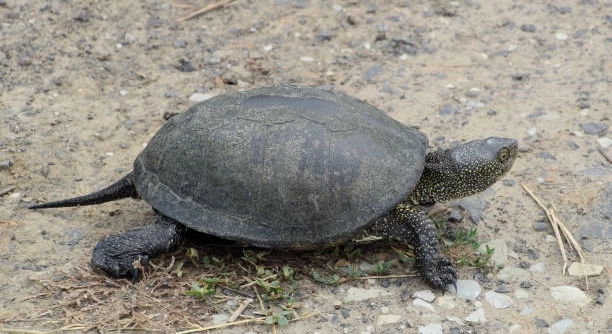
Managing multiple musk turtles in one habitat can sometimes lead to aggressive behavior. Understanding how to reduce these tensions will help ensure a peaceful environment for all your turtles.
Reducing aggression between musk turtles requires a few strategies, such as providing ample space, separate feeding areas, and appropriate basking spots. Minimizing stress and creating environmental enrichment can also prevent territorial disputes, fostering a more harmonious setup.
Addressing these issues will improve the well-being of your musk turtles and make their habitat a safer, calmer place.
Creating a Spacious Habitat
A key factor in reducing aggression is providing enough space for each musk turtle. Overcrowding can lead to territorial disputes, increasing stress levels. Musk turtles need a habitat that allows them to establish their own space, reducing the likelihood of direct conflict. When setting up the tank, consider its size and design. The more room they have to swim, bask, and explore, the less likely they are to feel threatened by one another.
Ensure the tank is at least 40 gallons for two musk turtles, with 20 gallons added for each additional turtle. This will help minimize competition. If possible, use dividers to create separate zones for each turtle. Also, remember to regularly clean the tank to maintain a healthy environment, as poor water quality can cause stress.
Proper tank size prevents turtles from feeling crowded, allowing them to co-exist without constant confrontation. When they have space, they are more likely to relax, leading to a much calmer and more peaceful atmosphere.
Providing Separate Feeding Areas
Feeding time can be a major trigger for aggression. Musk turtles tend to become more aggressive when competing for food. To prevent this, set up separate feeding areas for each turtle. This ensures that each turtle gets enough to eat without having to fight for it.
Create distinct feeding zones by placing food in different corners of the tank. This reduces competition and minimizes stress. Keep an eye on their eating habits, as some turtles may still try to invade others’ space, leading to occasional conflicts.
Providing Appropriate Basking Spots
Having enough basking spots in the tank is essential for reducing tension between musk turtles. Turtles need a place to dry off and regulate their body temperature, and without enough basking areas, they can become irritable and territorial.
Set up multiple basking platforms or rocks so that each turtle has access to its own space. This helps reduce competition and ensures that no turtle feels threatened while trying to get its share of sunlight. When arranging basking spots, place them at different levels to give your turtles choices for where to rest.
If multiple turtles try to claim the same basking spot, consider adjusting the tank layout or adding additional platforms. Providing different types of basking areas (like ramps or logs) gives them a chance to pick the one that suits them best. This can help reduce squabbles and allow all the turtles to feel comfortable.
Minimizing Stress Factors
Stress is a significant factor in causing aggression among musk turtles. Creating a peaceful environment is essential for reducing tension and promoting a more relaxed atmosphere.
Ensure the tank has a filter to maintain clean water and proper lighting to simulate a natural day-night cycle. Musk turtles thrive in stable environments where temperature, humidity, and lighting are consistent. Excessive noise or sudden movements near the tank can also cause stress, so it’s important to place the tank in a quiet area away from distractions.
Maintaining stable conditions reduces stress, leading to calmer turtles. By minimizing stress factors, your turtles are more likely to behave peacefully, allowing them to coexist without aggression. The better the environment, the less likely your turtles are to feel threatened or uneasy, contributing to their overall well-being.
Providing Hiding Places
Musk turtles benefit from having hiding spots where they can retreat when feeling stressed or threatened. These spaces help reduce aggression by allowing turtles to escape potential confrontations.
Add rocks, caves, or submerged logs to create hiding areas. This will give each turtle a chance to relax and have some privacy. Hiding places also help turtles avoid unnecessary interactions that might lead to aggression.
Establishing a Regular Feeding Routine
Having a regular feeding schedule can help reduce competition between musk turtles. When turtles know when to expect food, they are less likely to become anxious or aggressive.
Feed them at the same time each day, ensuring each turtle receives its share without feeling the need to fight over food. Consistent feeding times also help maintain a calm and predictable environment, further reducing stress.
Introducing Turtles Gradually
When introducing new turtles to a tank, it’s essential to do so gradually to minimize aggression. Allow the new turtle to adjust to its surroundings before interacting with others.
Place the new turtle in a separate area for a few days. Then, slowly allow them to interact while monitoring their behavior. This gradual introduction helps prevent aggressive behavior and allows turtles to feel comfortable with one another.
FAQ
How do I know if my musk turtles are fighting?
Musk turtles can display aggressive behavior through various signs, such as biting, chasing, or posturing. If you notice your turtles engaging in these behaviors, it’s a sign they are not getting along. They may also exhibit defensive postures, such as puffing up their bodies, trying to intimidate others. If you see these signs consistently, it may indicate that your turtles are having trouble coexisting and need intervention.
Can I keep musk turtles together without aggression?
Yes, you can keep musk turtles together, but it requires proper setup and monitoring. Ensuring enough space, separate feeding areas, and multiple basking spots will help reduce aggression. Turtles should have their own space to swim, bask, and rest. Adding hiding spots also allows them to retreat and feel safe when needed. Consistent monitoring of their interactions is key to ensuring peaceful coexistence.
What size tank do I need for multiple musk turtles?
For two musk turtles, a 40-gallon tank is a minimum. You should add 20 gallons for each additional turtle. Having enough room for swimming, basking, and hiding is essential to avoid territorial disputes. If the tank is too small, the turtles may become stressed or aggressive toward each other. A larger tank allows for better water quality and space for each turtle to thrive.
How can I reduce stress in my musk turtles?
To reduce stress, maintain a stable environment with clean water, appropriate lighting, and proper temperature. Musk turtles are sensitive to changes in their surroundings, so consistency is essential. Avoid placing the tank in high-traffic areas, as sudden movements or loud noises can stress them out. Providing hiding spots, proper basking areas, and regular feeding routines will also help minimize stress.
Is it normal for musk turtles to chase each other?
Musk turtles may occasionally chase each other, but it can be a sign of dominance or territorial behavior. If the chasing is frequent and leads to biting or fighting, it’s a cause for concern. It’s important to monitor their interactions and ensure that there is enough space and resources to reduce this behavior. If the behavior escalates, you may need to separate the turtles or adjust their habitat.
Should I separate musk turtles if they are fighting?
If your musk turtles are consistently fighting and showing signs of injury, it is best to separate them. Sometimes aggression cannot be resolved in a shared tank, and separating them for their safety is the right approach. Each turtle should have its own space to prevent further conflict and allow them to recover from any injuries.
How often should I feed my musk turtles to reduce aggression?
Feeding your musk turtles regularly, at the same time each day, will help reduce food-related aggression. Most turtles benefit from being fed every other day, but you can feed them daily if necessary, depending on their age and size. Always ensure they have enough food, but avoid overfeeding, as this can lead to territorial disputes over food.
Can I add new turtles to an existing tank without causing problems?
Introducing new turtles to an existing tank can lead to aggression if not done carefully. It’s best to introduce a new turtle gradually by placing it in a separate area of the tank for a few days, allowing it to adjust to the environment. Afterward, slowly introduce the new turtle to the others while monitoring their behavior. This helps reduce stress and aggression during the introduction phase.
How do I prevent musk turtles from fighting during basking?
To prevent fighting over basking spots, provide multiple basking areas in the tank. This can include rocks, logs, or floating platforms, ensuring each turtle has enough space to bask without interference. By offering various spots, you reduce competition for basking space and provide the turtles with options, decreasing the chances of aggression.
What are the signs of injury from turtle aggression?
Signs of injury include open wounds, missing scales or limbs, or excessive scratching. If you notice these signs, it’s important to separate the turtles and address the injuries. Injuries should be cleaned and treated properly, and if necessary, consult with a vet to ensure proper care. Prevent further aggression by improving the tank setup.
Final Thoughts
Managing aggression among multiple musk turtles requires creating a peaceful and suitable environment for them. This includes providing enough space, separate basking areas, and hiding spots where turtles can retreat when feeling stressed or threatened. By ensuring each turtle has its own space and resources, you can reduce the chances of conflict. Maintaining a clean tank with appropriate lighting and temperature is essential, as musk turtles are sensitive to environmental changes. A stable habitat helps keep stress levels low, promoting calm behavior.
Aggression can also stem from competition for food. Establishing a regular feeding routine helps reduce food-related disputes. Ensure that each turtle gets its share and is fed in separate areas if necessary. This simple adjustment can prevent fights that are triggered by hunger or territorial instincts. Monitoring the turtles during feeding times can further reduce the likelihood of aggression. With proper care, your musk turtles can coexist peacefully, as long as you remain observant and responsive to their needs.
Finally, if aggression does occur, it’s important to take action quickly. Separating turtles that are fighting or showing signs of distress can prevent injury and help restore calm. Remember that introducing new turtles to a tank should be done gradually, giving all turtles time to adjust. By taking these steps, you can create a harmonious environment that supports the well-being of all your musk turtles. With patience and proper care, it’s entirely possible to manage and reduce aggression, ensuring your turtles live together without conflict.

Hello,
If you enjoy the content that we create, please consider saying a "Thank You!" by leaving a tip.
Every little bit helps us continue crafting quality advice that supports the health, happiness, and well-being of pets around the world, for pets of all shapes, sizes, and species.
We really appreciate the kindness and support that you show us!