
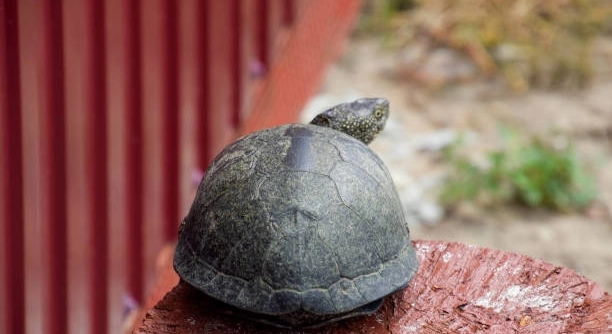
Have you ever noticed how some turtles seem to thrive, no matter the season? Musk turtles are fascinating creatures with unique ways of adapting to seasonal changes, ensuring their survival and well-being throughout the year.
Musk turtles adapt to seasonal changes through behavioral shifts, physiological adjustments, and habitat utilization. These strategies allow them to regulate temperature, conserve energy, and maintain activity levels appropriate to their environment’s seasonal conditions.
From hibernation habits to basking techniques, these turtles showcase remarkable resilience. Learn how they thrive year-round and explore seven tips to better understand their seasonal survival strategies.
How Musk Turtles Survive Seasonal Changes
Musk turtles exhibit remarkable adaptations to navigate seasonal challenges. During colder months, they reduce activity and enter brumation, a hibernation-like state, to conserve energy. In warmer months, they actively bask, forage, and breed, optimizing their activity to match environmental conditions. This balance ensures survival and reproductive success despite varying weather.
Their ability to adjust behavior is influenced by environmental factors like water temperature and daylight. Musk turtles instinctively move to deeper waters or mud for insulation during winter. In contrast, summer brings an increased need for sun exposure to regulate their metabolism.
Understanding these seasonal behaviors highlights their resilience and reliance on specific habitats. With the right environment and minimal disturbances, musk turtles can thrive year after year. Observing these habits offers valuable insights into their survival strategies and the importance of protecting their natural ecosystems.
Behavioral Shifts in Musk Turtles
Musk turtles exhibit distinct behavioral patterns depending on the season. These changes ensure they conserve energy in winter and remain active in summer for feeding and reproduction.
During colder months, they slow their metabolism and burrow in sediment to stay insulated. In warmer weather, they bask on logs or rocks to maintain optimal body temperature. These behaviors help them efficiently regulate their energy use and survival needs.
These turtles also rely on food availability to fuel their activities. In spring and summer, they actively hunt for insects, fish, and plant matter to build reserves for the colder months. By balancing energy conservation with activity, musk turtles showcase an incredible ability to adapt and thrive in dynamic environments. Their behaviors remind us of the intricate connection between wildlife and the changing seasons.
Physiological Adjustments for Seasonal Changes
Musk turtles regulate their physiology to adapt to seasonal shifts. In winter, their metabolic rate slows significantly, allowing them to conserve energy while submerged or burrowed. In summer, their metabolism increases to support active foraging and reproduction.
These turtles also manage oxygen intake during colder months by absorbing it through their skin while brumating underwater. This adaptation allows them to survive in low-oxygen environments without needing to surface frequently. In warmer seasons, their circulatory system supports higher activity levels by efficiently distributing nutrients and oxygen to their bodies.
Temperature plays a key role in their physiological adjustments. Musk turtles rely on external heat sources to regulate their body temperature, a process known as thermoregulation. They seek out warm basking spots to optimize their metabolic functions in summer, while cooler conditions signal the need to conserve energy for survival during winter.
Habitat Utilization in Different Seasons
Musk turtles utilize their habitat strategically throughout the year. In winter, they bury themselves in muddy riverbeds or lake bottoms to insulate against the cold and conserve energy.
In summer, they prefer areas with ample sun exposure, such as shallow waters with logs or rocks for basking. These locations provide warmth and facilitate effective thermoregulation. Maintaining access to clean, undisturbed habitats is essential for their seasonal needs.
The availability of suitable habitats directly impacts their ability to adapt and thrive. Human activities like pollution and habitat destruction can disrupt their seasonal behaviors, emphasizing the importance of conservation efforts. Preserving diverse aquatic ecosystems ensures that musk turtles can continue their remarkable seasonal adaptations, benefiting both the turtles and their environment.
Seasonal Feeding Strategies
Musk turtles adjust their feeding habits with the seasons. In warmer months, they actively hunt for insects, small fish, and aquatic plants to build energy reserves. This increased activity supports their reproductive and survival needs.
During colder months, they consume less due to slowed metabolism. They rely on stored energy accumulated from their summer diet. Access to diverse and clean water habitats ensures their diet remains balanced throughout the year.
Predation and Seasonal Defense
Musk turtles face increased predation risks in warmer months when they are more active and exposed. They rely on camouflage, burrowing, and quick retreats into water to evade predators. These behaviors are critical to their survival.
Human Impact on Seasonal Behaviors
Human activities like pollution, habitat destruction, and climate change disrupt the seasonal patterns of musk turtles. Preserving their natural environment is essential to ensure they can adapt effectively to seasonal changes and thrive in their ecosystems.
FAQ
How do musk turtles survive during winter?
Musk turtles survive winter by entering a state of brumation, similar to hibernation. They slow their metabolism and burrow into the mud at the bottom of water bodies to stay insulated. This adaptation helps them conserve energy and survive the cold months without needing food or frequent oxygen intake.
What is brumation, and how does it help musk turtles?
Brumation is a dormant state reptiles enter to survive cold temperatures. Unlike hibernation, brumation involves a drastic reduction in activity rather than complete inactivity. Musk turtles use this time to conserve energy, relying on minimal oxygen and their stored reserves to get through winter.
What do musk turtles eat during different seasons?
In spring and summer, musk turtles actively forage for insects, small fish, snails, and aquatic plants. These foods provide the nutrients and energy needed for reproduction and activity. In colder months, they consume less or stop eating altogether, relying on stored energy to survive the season.
Do musk turtles need sunlight for survival?
Yes, sunlight plays a crucial role in musk turtle survival. They use basking to regulate body temperature and support metabolic functions, especially during warmer months. Sun exposure is essential for their overall health and allows them to stay active and thrive in their habitat.
How do musk turtles protect themselves from predators?
Musk turtles rely on natural camouflage, quick movements, and burrowing into mud or vegetation to avoid predators. They also emit a musky odor when threatened, which can deter potential threats. These defense mechanisms are particularly vital during active seasons.
What happens if their habitat is disturbed?
Disturbances like pollution, habitat destruction, or climate change can severely impact musk turtles. These changes may disrupt their feeding, brumation, or breeding cycles. Protecting their aquatic habitats ensures they can adapt to seasonal changes and maintain their survival strategies.
How can you support musk turtle conservation?
You can help by preserving wetland and aquatic ecosystems, reducing water pollution, and supporting conservation organizations. Avoid disturbing their natural habitats and educate others about the importance of protecting these turtles and their environment for future generations.
Are musk turtles endangered?
While musk turtles are not currently classified as endangered, habitat loss and environmental changes pose significant risks to their populations. Conservation efforts focus on preserving their habitats and addressing threats like pollution and climate change to prevent further population decline.
Do musk turtles remain active year-round?
No, musk turtles are only active during warmer months. In colder seasons, they enter brumation to conserve energy and survive. This seasonal shift in activity helps them adapt to environmental changes and ensures their survival through harsh weather conditions.
Can musk turtles adapt to climate change?
Musk turtles have natural adaptability, but climate change presents unique challenges, such as altered temperature patterns and habitat loss. Conservation efforts aimed at mitigating climate change impacts and preserving natural ecosystems are critical for their continued survival.
Final Thoughts
Musk turtles are fascinating creatures with incredible adaptations to survive seasonal changes. From their ability to slow their metabolism during colder months to their active feeding and basking behaviors in the warmer seasons, these turtles demonstrate resilience in the face of environmental challenges. Their behaviors are intricately tied to their natural habitats, making the preservation of these spaces vital for their survival.
The impact of human activities, such as pollution and habitat destruction, cannot be overlooked. These factors disrupt the delicate balance musk turtles rely on to adapt to their surroundings. Conservation efforts aimed at protecting their habitats, ensuring clean water sources, and mitigating the effects of climate change are essential. Every small step taken to preserve these ecosystems can contribute to the survival of musk turtles and other aquatic wildlife.
By understanding how musk turtles adapt to seasonal changes, we gain a deeper appreciation for their role in the ecosystem. Their ability to adjust to shifting environments is not only remarkable but also a reminder of the importance of maintaining biodiversity. Protecting these turtles benefits more than just their species; it ensures the health and stability of entire aquatic ecosystems. Supporting conservation initiatives and spreading awareness can help secure a future where musk turtles and their habitats thrive.

Hello,
If you enjoy the content that we create, please consider saying a "Thank You!" by leaving a tip.
Every little bit helps us continue crafting quality advice that supports the health, happiness, and well-being of pets around the world, for pets of all shapes, sizes, and species.
We really appreciate the kindness and support that you show us!