
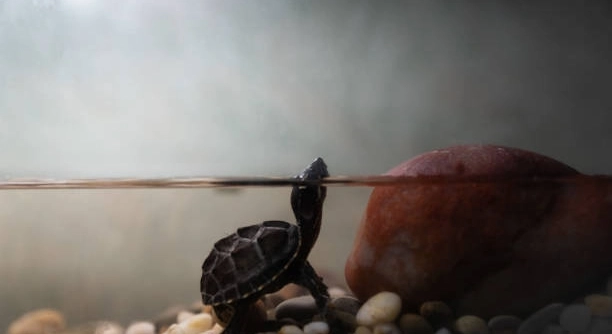
Have you ever wondered what affects the lifespan of musk turtles in captivity? These fascinating creatures require specific care to thrive and live long, healthy lives under human care.
The lifespan of musk turtles in captivity depends on factors like diet, water quality, enclosure setup, temperature regulation, and stress levels. Proper management of these aspects ensures your musk turtle enjoys a fulfilling and extended life.
Understanding these key influences will help you provide the best care possible for your musk turtle while ensuring its longevity.
Factors Influencing Musk Turtle Lifespan
Musk turtles rely on specific conditions to thrive in captivity. A balanced diet rich in proteins, vitamins, and calcium supports their health. Additionally, maintaining clean, properly filtered water prevents diseases and ensures their overall well-being. Stress-free environments with appropriate hiding spots are equally vital, helping them feel secure.
Enclosure setup plays a key role in their lifespan. Providing a spacious tank with suitable lighting, basking areas, and water depth mimics their natural habitat. These elements contribute significantly to their physical and mental health, directly impacting how long they live.
Temperature regulation is essential. Musk turtles are cold-blooded animals that depend on a stable water and basking temperature to maintain proper metabolism. Regular monitoring of their environment and diet is necessary to ensure they remain in optimal condition throughout their lives.
The Role of Stress and Social Factors
Stress can drastically affect musk turtle health. Poor tank setups, aggressive tank mates, or frequent handling can create harmful conditions. Limiting disturbances in their environment is essential for their well-being.
Providing a solitary environment is often best, as musk turtles are not social animals. Keeping them alone prevents territorial disputes and stress-related health problems. Additionally, observing their behavior and adjusting care routines accordingly ensures they live happy and healthy lives.
Importance of Diet in Musk Turtle Longevity
A proper diet is crucial for a musk turtle’s health. Feeding them a mix of protein sources like insects and aquatic plants ensures balanced nutrition. Overfeeding should be avoided to prevent obesity and associated health problems.
Protein-rich foods, such as mealworms and shrimp, support shell growth and overall health. Incorporating occasional vegetables like kale or spinach provides essential vitamins and minerals. It’s important to avoid fatty or processed foods, as these can lead to long-term health complications. Stick to a feeding schedule to maintain a healthy weight.
Calcium is essential for shell and bone strength. Providing a cuttlebone in the tank or calcium supplements ensures they receive the nutrients they need. Balanced nutrition combined with proper portion control is key to extending the lifespan of musk turtles in captivity.
Water Quality and Its Effects
Clean water is essential to prevent bacterial infections and maintain a healthy environment for musk turtles. Investing in a high-quality filtration system minimizes harmful waste buildup and reduces the risk of disease.
Frequent water changes are necessary to maintain cleanliness. Ideally, replace 25-50% of the water weekly, depending on the size of the tank and the filtration system used. Testing water parameters for pH, ammonia, and nitrates regularly ensures a safe habitat for your turtle.
Water temperature plays a significant role in their metabolism and immune function. Keeping it between 72°F and 80°F prevents stress and supports their overall health. Proper water maintenance is non-negotiable for ensuring your musk turtle’s longevity.
Temperature Regulation for Optimal Health
Musk turtles require stable temperatures to stay healthy. Maintain water temperatures between 72°F and 80°F and provide a basking area at 85°F to 90°F. Fluctuations can stress the turtle and weaken its immune system.
Use a reliable water heater and basking lamp to maintain these temperatures. Regularly check with thermometers to ensure consistency. Proper temperature regulation prevents metabolic issues and supports a healthy lifespan.
Importance of Proper Enclosure Setup
A well-designed enclosure replicates a musk turtle’s natural habitat. Include a spacious tank with clean water, basking platforms, and hiding spots. Substrate materials like sand or smooth gravel help turtles feel comfortable and secure.
Monitoring Behavior for Health Clues
Observing your turtle’s behavior helps identify potential health issues early. Changes in appetite, swimming patterns, or basking habits often signal problems. Adjust care routines accordingly to keep them healthy and happy.
FAQ
How long do musk turtles live in captivity?
Musk turtles can live between 20 to 30 years in captivity with proper care. Their lifespan depends on factors like diet, water quality, temperature, and enclosure setup. Providing a healthy and stable environment can help extend their life expectancy.
What should I feed my musk turtle?
A varied diet is important for musk turtles. Offer protein-rich foods like insects, worms, and small fish, along with plant matter such as leafy greens, aquatic plants, and occasional fruits. A proper diet helps maintain their health and ensures proper shell growth.
How often should I feed my musk turtle?
Feed your musk turtle 3 to 4 times a week, adjusting based on age and activity level. Juvenile turtles require more frequent feedings, while adults can be fed less often. Ensure you avoid overfeeding, as this can lead to obesity and other health problems.
Do musk turtles need a basking area?
Yes, musk turtles need a basking area to regulate their body temperature. They will use this area to dry off and warm up. Make sure to provide a platform that is easy to access and place it under a heat lamp to maintain a temperature of around 85°F to 90°F.
What is the ideal tank size for a musk turtle?
A minimum of a 40-gallon tank is recommended for an adult musk turtle. Larger enclosures are better as they give the turtle more room to move around, swim, and bask. Be sure to include areas for both swimming and basking.
How can I maintain the water quality for my musk turtle?
A good filtration system is essential for keeping the water clean. Regularly change 25-50% of the water to prevent the buildup of harmful bacteria and waste. Test water parameters, like pH, ammonia, and nitrates, to ensure the water remains safe.
Can musk turtles live with other turtles or fish?
Musk turtles can sometimes live with other turtles if the tank is large enough and the species are compatible. However, they can be aggressive, especially during feeding time. Avoid keeping them with small fish, as they may try to eat them.
What temperature should the water be for my musk turtle?
The ideal water temperature for musk turtles is between 72°F and 80°F. A consistent temperature helps regulate their metabolism. Use a reliable water heater to maintain this range and prevent fluctuations that could cause stress or health issues.
How can I tell if my musk turtle is sick?
Signs of illness in musk turtles include lethargy, loss of appetite, swollen eyes, or abnormal swimming behavior. If you notice any of these symptoms, it’s essential to consult a vet familiar with reptiles to get the proper diagnosis and treatment.
Do musk turtles need UVB light?
Yes, musk turtles require UVB light to help them produce vitamin D3, which is vital for calcium absorption and shell health. A UVB light should be placed above the basking area to allow the turtle to absorb the necessary rays.
How can I reduce stress for my musk turtle?
Stress can be caused by poor tank conditions, overcrowding, or excessive handling. Provide a spacious and clean enclosure with plenty of hiding spots. Limit handling and keep the tank quiet and calm to reduce stress.
Can I use tap water for my musk turtle’s tank?
You can use tap water, but it must be treated to remove chlorine and other chemicals. Use a water conditioner specifically designed for turtles to ensure that the water is safe for them. Regular water changes will also help maintain good water quality.
Do musk turtles hibernate?
Musk turtles can enter a state of dormancy during colder months if the water temperature drops significantly. This is more common in wild turtles but may happen in captivity as well. If you notice your turtle becoming inactive during winter, check the water temperature and consider adjusting it.
How often should I clean my musk turtle’s tank?
Regular tank maintenance is key to a healthy environment. Perform partial water changes weekly and clean the substrate or filter every few weeks. Remove any waste, uneaten food, or debris to prevent water contamination.
Is it necessary to add calcium to my musk turtle’s diet?
Yes, calcium is important for shell health and overall bone development. You can provide calcium through supplements or by offering a cuttlebone in the tank. Ensure your turtle receives enough calcium, especially if they are not getting it from their food.
How can I prevent my musk turtle from escaping?
Musk turtles are great climbers, so it’s essential to have a secure tank with high sides. Make sure the lid is tightly secured and that the enclosure has no gaps or weak spots where they can escape.
What is the best substrate for a musk turtle tank?
Smooth gravel or sand is a good choice for the substrate in a musk turtle tank. Avoid sharp rocks or rough materials, as they can harm your turtle. The substrate should also be easy to clean and not interfere with water quality.
Can I handle my musk turtle?
While occasional handling is fine, musk turtles are not particularly social and may become stressed with too much contact. Limit handling to necessary tasks such as tank cleaning or check-ups. Always handle them gently and avoid frequent interactions.
Final Thoughts
Caring for a musk turtle requires attention to several factors that affect its well-being. Providing a suitable environment with clean water, proper temperature, and a balanced diet is essential for a long and healthy life. Regular monitoring of their behavior and health will help catch any issues early. It’s important to create a stable habitat, as fluctuations in water quality or temperature can lead to stress, which may shorten their lifespan.
Musk turtles thrive when their needs are met consistently. Maintaining proper water quality through filtration systems, regular water changes, and routine testing for pH and nitrates is key. Offering a variety of food, including protein and plant matter, ensures your turtle gets all the nutrients it needs. A designated basking area with a heat lamp allows your turtle to regulate its body temperature, which is crucial for their health. Be mindful of overfeeding and always adjust your feeding schedule to suit their age and activity level.
In the end, a bit of effort and attention goes a long way in helping your musk turtle live a full, healthy life. While their care may seem complex, focusing on the basics—water quality, temperature, diet, and monitoring health—will keep them happy and thriving. With the right setup and regular care, your musk turtle can enjoy a long and active life, providing companionship and enjoyment for many years to come.

Hello,
If you enjoy the content that we create, please consider saying a "Thank You!" by leaving a tip.
Every little bit helps us continue crafting quality advice that supports the health, happiness, and well-being of pets around the world, for pets of all shapes, sizes, and species.
We really appreciate the kindness and support that you show us!