
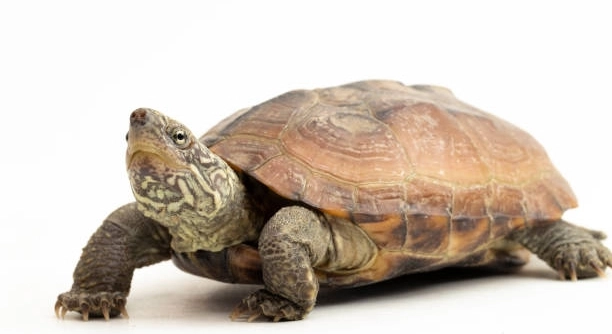
Do you have a musk turtle in your tank and want to know if it’s feeling comfortable? Knowing the signs of a happy turtle can help ensure its health and well-being. Here are some clues to watch for.
Musk turtles are typically comfortable when they exhibit natural behaviors like active swimming, eating well, and basking regularly. A healthy turtle shows interest in its environment and avoids hiding excessively or appearing stressed in the tank.
Understanding how to recognize these signs will make sure your musk turtle thrives. Each behavior gives insight into their needs and how to improve their living conditions. Keep reading for helpful tips on maintaining a happy turtle tank.
Active Swimming Behavior
Musk turtles are known for being fairly active swimmers, so it’s a good sign when you notice them moving around their tank. They need space to swim freely and should regularly explore all parts of their habitat. If your turtle is swimming around energetically, it’s a good indicator that the water quality and temperature are right. This behavior also shows that your turtle feels secure in its environment.
Turtles who stay still for long periods or float aimlessly may be stressed or unwell. They might also hide more often or seem lethargic. It’s important to check the water’s temperature, pH levels, and cleanliness to rule out environmental issues.
To encourage your turtle to stay active, ensure that its tank is large enough and provides areas for exploration. Consider adding plants or decorations that simulate a natural habitat. This way, your turtle will have both the physical space and mental stimulation it needs to stay healthy.
Regular Eating Habits
A comfortable musk turtle will have a healthy appetite. If your turtle is consistently eating its food, it’s a sign that it’s adjusting well to its environment. Regular feeding behavior means your turtle is comfortable and feeling good.
A decrease in appetite may indicate stress, poor water quality, or health problems. Musk turtles rely on a balanced diet, including both plant-based and protein-rich foods, to thrive. Keeping track of its eating habits can help you identify any issues early. It’s crucial to offer a variety of appropriate foods to maintain a healthy diet.
If you notice your turtle is picky or not eating, try adjusting the types of food offered or checking for any underlying issues like an improper tank setup. Ensuring proper water quality and temperature will also help restore normal eating patterns. A healthy and content turtle will generally eat regularly and eagerly.
Basking Behavior
A comfortable musk turtle will spend time basking under a heat lamp. This behavior is essential for thermoregulation and ensures your turtle is maintaining its body temperature. If your turtle is basking regularly, it’s a sign that the tank setup is right.
The basking area should be set up properly, with a suitable heat source and a dry platform for your turtle to climb onto. The temperature of the basking spot should range between 85°F to 90°F. If your turtle is regularly basking, it shows that it’s comfortable and is getting the right amount of warmth.
Turtles who avoid basking may be experiencing discomfort or stress due to inadequate heat or lighting. It’s important to check the basking spot’s temperature to ensure it matches the requirements. Make sure the light is bright enough to encourage basking and mimic a natural day/night cycle.
Healthy Shell Condition
A turtle’s shell condition is a key indicator of its comfort level. If your musk turtle has a smooth, clean shell, it’s likely in good health and comfortable in its tank. An unhealthy shell could suggest issues with diet or environmental factors.
Shells can become damaged or grow irregularly if your turtle is stressed or living in poor conditions. Proper UVB lighting and a balanced diet rich in calcium are essential for maintaining a healthy shell. Shell problems can also be linked to water quality or temperature, which may need adjustment.
Inspect your turtle’s shell regularly for any signs of fungus, softness, or discoloration. If you notice any issues, act quickly to address water quality, lighting, or diet. A healthy shell is a clear sign that your turtle feels safe and well-cared for in its environment.
Interaction with the Tank Environment
Musk turtles that are comfortable in their tank will often interact with their surroundings. They may explore plants, decorations, or move between different areas of the tank. This curiosity shows they feel secure.
If your turtle is constantly exploring, it indicates they are healthy and engaged. A lack of interest in the tank environment could suggest stress or boredom. Ensure there are enough hiding spots and enrichment to keep your turtle entertained.
Adding more objects for your turtle to explore can help prevent stress and encourage physical activity. Active engagement with the environment is a strong indicator of comfort and health.
Behavior in Water
Comfortable musk turtles spend time swimming and exploring the water. They will dive or float naturally without seeming stressed or uncoordinated. The water should be clear, properly filtered, and within the right temperature range.
If your turtle is avoiding the water or staying near the surface for extended periods, it may be uncomfortable. Check the water’s temperature and clarity. Proper water maintenance is essential for your turtle’s health, as it prevents bacteria buildup and supports overall well-being.
Regular swimming helps your turtle stay active and prevents sluggishness. If your turtle is swimming normally, it’s a sign that the water conditions are right.
Lack of Hiding
Turtles that are comfortable will often be seen basking, swimming, and exploring without hiding excessively. Hiding can be a sign of stress or discomfort. If your turtle is rarely hiding, it likely feels safe in its environment.
On the other hand, if your turtle hides often, it could be a result of poor water quality or insufficient basking spots. Make sure the water temperature, cleanliness, and UVB lighting are all within the ideal ranges. A turtle that stays out in the open more is generally a sign of comfort.
FAQ
How can I tell if my musk turtle is stressed?
Signs of stress in a musk turtle can include hiding for extended periods, not eating, staying at the water’s surface, or excessive basking. Stress can be caused by poor water quality, inappropriate tank conditions, or an unbalanced diet. If your turtle isn’t swimming actively or appears lethargic, it might be a sign that it’s uncomfortable. Check the temperature, water filtration, and ensure there is enough space for swimming.
What should I do if my musk turtle isn’t eating?
If your musk turtle stops eating, first check the water conditions. Poor water quality can cause loss of appetite. Ensure the water temperature and cleanliness are ideal, and the turtle’s basking area is set correctly. Offering a variety of food, such as pellets, vegetables, or live prey, can also help spark interest. Sometimes, turtles may fast for short periods, but a prolonged loss of appetite requires a checkup from a vet.
How often should I clean my musk turtle’s tank?
You should clean your musk turtle’s tank regularly to ensure a healthy environment. A full water change should be done every two weeks, but you should also spot clean daily by removing uneaten food and waste. Keeping the water filtered properly and checking the water’s pH, hardness, and temperature will reduce the frequency of full cleanings. A clean tank reduces the risk of bacterial infections, which can stress your turtle.
What temperature should the water be in a musk turtle tank?
Musk turtles prefer water temperatures between 72°F and 78°F. This range allows them to swim comfortably and helps with digestion. If the water is too cold, they may become sluggish and may not eat properly. If it’s too warm, it can lead to poor water quality and encourage algae growth. You can maintain this temperature by using a reliable water heater.
Is it normal for a musk turtle to be inactive?
While it’s normal for musk turtles to rest or bask, excessive inactivity may indicate a problem. If your turtle is rarely moving, not eating, or floating at the water’s surface, it might be stressed or unwell. Make sure the tank is set up properly, with the right water temperature, clean water, and enough space for swimming. If inactivity continues, a visit to the vet is advisable.
How can I make my musk turtle feel more comfortable?
To make your musk turtle feel more comfortable, focus on creating a natural and clean habitat. Ensure the water is filtered and changed regularly, and maintain proper water temperature. The basking area should be easily accessible, with the right heat source. Providing hiding spots, plants, and decorations will give your turtle places to explore and feel secure. Regularly offering a balanced diet will also keep it healthy.
Can I keep more than one musk turtle together?
Musk turtles can sometimes be kept in groups, but it’s essential to watch for signs of aggression. Males, in particular, may become territorial and may fight. It’s best to have a large tank with plenty of hiding spots and basking areas if you choose to keep more than one. It’s also helpful to provide enough space for each turtle to ensure they don’t feel crowded or stressed. If you see any signs of aggression, separating them may be necessary.
Do musk turtles need UVB light?
Yes, UVB light is crucial for musk turtles. It helps them produce Vitamin D3, which is necessary for calcium absorption and strong shell growth. Without proper UVB exposure, your turtle could develop shell deformities or other health issues. A UVB light should be provided in the basking area and replaced every 6 to 12 months, as the strength of the bulb decreases over time.
What kind of food should I feed my musk turtle?
Musk turtles are omnivores, meaning they eat both plant and animal matter. You can feed them high-quality turtle pellets, which can be supplemented with leafy greens, such as kale or romaine lettuce. Occasional protein, like earthworms, shrimp, or small fish, is beneficial. Make sure to offer a varied diet to ensure they receive all the necessary nutrients. Be cautious not to overfeed, as obesity can lead to health problems.
Why is my musk turtle floating instead of swimming?
If your musk turtle is floating and not swimming, it may be experiencing buoyancy issues. This can happen if the turtle has an imbalance in its body or if there’s an issue with the water’s temperature or quality. Occasionally, turtles float due to trapped air or gas in their intestines after eating, but if floating is persistent, you should check water conditions and ensure proper lighting and temperature.
Final Thoughts
Ensuring that your musk turtle is comfortable in its tank is important for its overall health and well-being. A comfortable turtle is more likely to be active, eat regularly, and maintain a good shell condition. Paying attention to the signs of comfort, such as regular swimming, basking, and interaction with its environment, can help you identify any issues early. If your turtle is displaying these positive behaviors, it’s a good sign that the conditions in its tank are suitable.
However, if your turtle is hiding too often, not eating, or showing signs of stress, it may be a signal that something is wrong. In these cases, it’s essential to review the tank setup, including water quality, temperature, lighting, and tank size. Sometimes, small adjustments can make a big difference in how your turtle behaves. Regularly cleaning the tank and providing a balanced diet also play a major role in maintaining your turtle’s health.
In conclusion, by observing your musk turtle’s daily habits and making sure its habitat meets its needs, you can help ensure that it lives a healthy and happy life. Keep track of its behaviors, make necessary changes to its environment, and be patient. With proper care, your turtle will thrive and be a joyful addition to your home.

Hello,
If you enjoy the content that we create, please consider saying a "Thank You!" by leaving a tip.
Every little bit helps us continue crafting quality advice that supports the health, happiness, and well-being of pets around the world, for pets of all shapes, sizes, and species.
We really appreciate the kindness and support that you show us!