
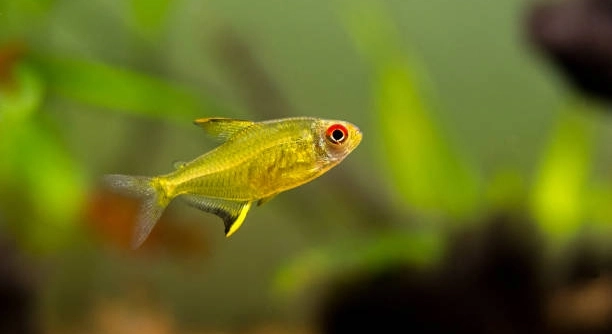
Lemon tetras are lively, small fish that bring energy and color to any aquarium. Their behavior can change depending on their environment, including the placement of new plants, decorations, or other tank modifications. Observing these changes is important.
When introduced to new decor, lemon tetras may initially exhibit cautious behavior, swimming hesitantly or staying near familiar areas. Over time, they usually adapt quickly, exploring the additions while maintaining social cohesion within their group and exhibiting natural schooling patterns.
Understanding their reactions helps create a balanced and engaging tank environment. Observing these subtle behaviors ensures your lemon tetras remain healthy and comfortable.
Signs Lemon Tetras Notice New Decor
When I first added a few small rocks and artificial plants to my tank, I noticed the lemon tetras reacted almost immediately. They became slightly hesitant, hovering near their usual spots before gradually approaching the new items. Their bright colors seemed to shimmer more against the contrasting shapes, which drew their attention naturally. Some fish would swim around the decorations, inspecting edges and openings, while others stayed close to familiar hiding spots. Over a few hours, they began to interact with the additions, using them for short rests or quick dashes during play. The tank felt more dynamic, and I could see how changes influenced their patterns and social behavior. Observing these subtle movements allowed me to anticipate their needs and ensure the new decor didn’t stress them. Providing a variety of shapes, sizes, and textures helped them adapt faster, giving each fish a small space to explore without feeling crowded.
Overall, lemon tetras respond quickly to environmental changes, adjusting their swimming and social behaviors with noticeable caution.
Adding new elements changes both the visual appeal and the activity level in the tank. Tetras begin exploring while still keeping safety in mind.
Encouraging Exploration Without Stress
Introducing new decor should be done gradually to prevent sudden stress. Place one or two items at a time, allowing fish to acclimate. Observing their reactions during the first few hours and days is key to understanding comfort levels. Avoid sharp or rough objects that may injure them, as they are small and delicate. Rounded edges and smooth textures encourage safe exploration and reduce hiding caused by fear. Mixing taller plants with shorter items offers multiple layers of territory, giving tetras a sense of control. Adjust lighting slightly if needed, as shadows and reflections can influence their confidence. A consistent feeding schedule during this period helps them stay focused on natural behaviors instead of reacting solely to changes. With patience, lemon tetras become comfortable, integrating new structures into their routines and showing increased activity, curiosity, and interaction. Gradual additions maintain a healthy balance between stimulation and security.
Observing their first interactions gives insight into their personalities and group dynamics, helping maintain a harmonious tank environment.
Over time, tetras develop clear preferences for specific spots around the new decor. Some may rest near plants for cover, while others patrol open spaces, marking territory subtly. Watching these patterns can guide future tank arrangements, ensuring both aesthetics and comfort. Decorations like caves or tunnels encourage natural schooling and hiding behaviors, reducing stress during feeding or sudden movements. Even small, simple changes can shift swimming routes and social interactions, highlighting their adaptable yet cautious nature. Personally, I noticed that the group’s overall cohesion improved after initial hesitation, with more synchronized swimming and playful darting around familiar and new elements. Rotating decorations occasionally keeps the environment stimulating without overwhelming the fish. Noticing individual tendencies also allows me to provide extra cover or remove items that may intimidate shy tetras. This careful observation ensures that the tank remains visually appealing while promoting healthy behavior and interaction. Adjusting layout slowly, observing reactions, and maintaining stable water conditions creates a balanced habitat where lemon tetras thrive naturally.
Timing of Reactions
Lemon tetras usually react within minutes of introducing new decor. Some dart around nervously, while others remain still. Their responses can vary depending on the size, shape, and placement of the new items in the tank.
I noticed that smaller additions, like a few pebbles or a single plant, caused only brief hesitation. The tetras would swim cautiously around the new objects, occasionally pausing near familiar areas for reassurance. Larger decorations, such as caves or tall plants, often created zones where some fish felt secure while others remained wary. Over several hours, most fish began to explore freely, showing curiosity without panic. Their schooling behavior adjusted slightly, with the group testing new areas together before settling. Watching these patterns helped me plan future additions more thoughtfully, ensuring each change did not overwhelm the fish. Gradual introduction seemed key, as it allowed natural exploration while reducing stress for all individuals in the tank.
Timing can depend on group dynamics and individual temperaments. Some fish take longer, while others adapt almost instantly, adjusting their swimming paths and interactions with peers around new decor.
Favorite Spots Around New Decor
Certain areas of the tank quickly became favorites for my lemon tetras. Small caves and dense plants attracted shy fish, while open spaces near decorations encouraged more active swimmers.
After adding a mix of plants, rocks, and tunnels, I observed the group selecting different zones according to personality and comfort. Shyer tetras often stayed tucked near tall plants, blending in with shadows, while bolder fish explored tunnels or swam along edges of rocks. Over days, these spots became predictable, with specific individuals consistently choosing the same locations. The dynamic between cautious and adventurous fish created a natural balance in movement, as shy fish ventured slightly more over time, following the bolder members. Even during feeding, some preferred the security of covered areas while others claimed open spaces. Providing variety allowed each tetra to feel safe while exploring, and the tank felt more organized. Observing these preferences made arranging new decor easier, as I could anticipate which spots would be most attractive and least stressful for them.
Personal observation showed that lemon tetras use decor not only for hiding but also for interaction and schooling adjustments, creating a natural rhythm within the tank environment.
Initial Hesitation
When I first placed a new driftwood piece in the tank, my lemon tetras froze near the edges. Their cautious behavior lasted only a few minutes before curiosity took over, and they started exploring slowly.
Some fish stayed closer to familiar plants at first, while others swam around the new item. The balance between hesitation and exploration was noticeable, showing how cautious yet adaptable they are in adjusting to changes.
Adjusting Swimming Patterns
Over time, the lemon tetras began weaving around the new objects, slightly altering their usual routes. Their schooling adjusted naturally, with individuals testing paths and returning to the group. I noticed some fish using open areas around decorations as play zones, while others preferred narrow spaces near plants or rocks for security. Changes in decor subtly influenced the tank’s overall movement patterns, creating a more dynamic environment. Monitoring these patterns helped me ensure that new additions did not disrupt their cohesion, allowing all fish to feel safe while encouraging natural exploration.
Social Interactions
Decor changes can temporarily shift social hierarchies. Fish may assert dominance near preferred hiding spots or open areas.
FAQ
How long does it take for lemon tetras to adjust to new decor?
From my experience, most lemon tetras start exploring new decorations within a few minutes to a couple of hours. Full comfort, where they swim confidently around the additions, may take one to three days depending on the size and complexity of the items. Gradual introductions speed up adaptation.
Do all lemon tetras react the same way?
Not at all. Individual temperament plays a big role. Some fish are naturally curious and will approach new items immediately. Others are shy and may stay near familiar plants or hiding spots. Schooling behavior can influence reactions, as cautious fish often follow the bolder ones once they see no danger.
Should I rearrange decorations frequently?
Frequent changes can increase stress. Lemon tetras need time to learn their environment and establish comfort zones. Small adjustments, like moving one plant or rock at a time, are usually safe. Sudden, large rearrangements may trigger hiding or erratic swimming for several hours.
Can new decor cause aggressive behavior?
Yes, occasionally. When new structures create desirable hiding spots or open areas, some tetras may assert dominance temporarily. I noticed mild chasing or guarding near preferred spots, but this usually settles within a day as the group reestablishes balance.
Is there a risk of injury with new decorations?
Yes, if items have sharp edges or rough surfaces. Smooth, rounded decorations are safer. I always check new pieces carefully, running my fingers along surfaces and edges before placing them in the tank. Avoid items that could trap fins or scratch scales.
Do lemon tetras need hiding places?
Absolutely. Even the most confident fish benefit from cover. Plants, caves, or tunnels give them security, reducing stress and encouraging natural behavior. My tetras often alternate between open swimming and resting near plants, showing that hiding spots are essential for a balanced environment.
How does lighting affect reactions to new decor?
Lighting changes can amplify reactions. Bright or uneven lighting can make shadows more intense, causing tetras to hesitate near new items. I adjust lights gradually after adding decor, giving fish time to explore under familiar conditions before introducing stronger illumination.
Will new decor affect feeding?
Temporarily, yes. Some fish may be hesitant to leave hiding spots during feeding immediately after additions. I observed that they gradually resumed normal feeding routines once comfortable, often using plants or tunnels as safe observation points while eating.
Are certain types of decor better than others?
Natural items like smooth rocks, driftwood, and live plants are generally safest and encourage exploration. Artificial plants or tunnels can work too but should be free of sharp edges and toxins. I mix both types in my tank to provide variety without risking injury.
How can I tell if a tetra is stressed by new decor?
Signs include hiding excessively, erratic swimming, loss of appetite, or staying isolated from the group. I monitor behavior closely after any change and remove or adjust items if stress persists longer than a day or two.
Should I introduce all decorations at once?
No, gradual additions are best. Introducing one or two items at a time allows fish to adapt without overwhelming them. I usually wait a day or two before adding more, giving the tetras a chance to explore and establish comfort zones with each change.
Do lemon tetras explore alone or in groups?
They usually explore in groups. Schooling provides security, and I often watch one or two curious tetras lead the way while others follow cautiously. This natural behavior helps reduce stress and encourages balanced interaction with the new environment.
Can rearranging decor improve tank activity?
Yes, minor rearrangements can stimulate movement and curiosity. I noticed that after moving a rock or plant slightly, the tetras swam different routes, explored previously unused areas, and became more active without causing significant stress.
How do I know when they are fully comfortable?
Indicators include regular schooling, balanced use of open and covered spaces, normal feeding, and minimal hiding. In my tank, comfort is usually visible within a few days, with fish confidently exploring all areas around the new decor.
Are live plants better than artificial ones?
Live plants offer natural cover, oxygenation, and surfaces for beneficial bacteria. Artificial plants are easier to maintain but should be safe and smooth. I combine both in my tank to create variety and provide consistent hiding spots without compromising safety.
Does tank size matter when adding decor?
Yes, larger tanks can handle more items without overcrowding. Small tanks require careful planning to avoid limiting swimming space. I always measure available space and consider fish size and schooling behavior before adding anything new.
Can new decor help reduce aggression?
Strategically placed hiding spots and visual barriers can reduce conflicts. My tetras often use plants or caves to avoid minor chasing, allowing less dominant fish to feel secure while maintaining group cohesion.
How often should I clean new decorations?
Regular maintenance is important. I rinse items with tank water or soak in dechlorinated water, avoiding harsh chemicals. Cleaning once every few weeks prevents algae buildup and keeps the tank healthy without disturbing the fish excessively.
What’s the best way to introduce new decorations?
Place items gently and gradually, observing reactions closely. I add one or two pieces at a time, keep lighting consistent, and maintain feeding routines. This approach reduces stress, encourages exploration, and ensures tetras integrate new objects safely into their environment.
How do different materials affect reactions?
Materials like smooth rocks, driftwood, and soft plastics are generally well-received. Rough or reflective surfaces can cause hesitation or fear. I noticed that lemon tetras preferred items with natural textures and avoided overly shiny or sharp objects until they felt comfortable.
Final Thoughts
Lemon tetras are small, active fish that respond noticeably to changes in their environment. Observing their behavior when introducing new decor helps create a healthier and more balanced tank. They often show initial hesitation, pausing near familiar areas and slowly approaching new items. Some fish are naturally bolder, exploring immediately, while others remain cautious. Over time, most tetras adapt to the changes, using new hiding spots, tunnels, or open areas for swimming and interaction. Watching these patterns provides insight into their individual personalities and group dynamics. Providing a variety of decor ensures that each fish has space to feel secure while still encouraging natural exploration and activity. This balance between safety and stimulation is essential for their overall well-being.
Decor should be introduced thoughtfully and gradually to minimize stress. Adding one or two items at a time allows tetras to acclimate without becoming overwhelmed. Smooth surfaces, rounded edges, and natural materials are ideal for avoiding injuries. Hiding spots, such as plants, caves, or driftwood, offer security and reduce aggressive interactions among the fish. Observing how lemon tetras adjust to these items helps identify preferred areas and optimize tank layout. Lighting also plays a role in their reactions; sudden changes or strong shadows may cause temporary hesitation. Gradual adjustments in lighting combined with consistent feeding routines can help tetras feel comfortable and confident as they explore new additions. Over days, their behavior usually stabilizes, showing that careful planning and patience make a noticeable difference in their comfort and activity levels.
In addition to safety and gradual introduction, monitoring social interactions is important. Decor can influence schooling patterns, territorial behavior, and resting spots within the tank. Some fish may prefer open swimming areas, while others seek cover among plants or rocks. These choices often reflect individual temperament and comfort levels. Providing diverse spaces encourages natural behavior and allows tetras to maintain balance in their group. Consistent observation also helps identify signs of stress or discomfort, such as prolonged hiding, erratic swimming, or changes in appetite. Addressing these issues promptly ensures that all fish remain healthy and active. Overall, introducing new decor can enhance both the visual appeal of the tank and the quality of life for lemon tetras when done thoughtfully and carefully.

Hello,
If you enjoy the content that we create, please consider saying a "Thank You!" by leaving a tip.
Every little bit helps us continue crafting quality advice that supports the health, happiness, and well-being of pets around the world, for pets of all shapes, sizes, and species.
We really appreciate the kindness and support that you show us!