
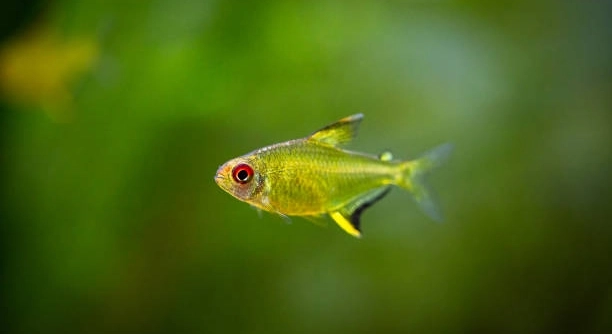
Caring for lemon tetra becomes confusing when they hide constantly, making you unsure about their comfort in the tank. Their shy behavior may affect the calm atmosphere you want to maintain as you observe them.
Consistently hiding lemon tetra should be managed by improving environmental stability, enhancing plant cover, and reducing stressors. Stable water parameters, balanced lighting, and peaceful tankmates encourage normal activity, allowing these fish to regain confidence and exhibit natural schooling behavior safely.
These simple adjustments reveal what your lemon tetra need to feel secure, guiding you toward a calmer and harmonious setup.
Understanding Why Lemon Tetra Hide
Many lemon tetra hide because they feel unsure in their surroundings, and this behavior becomes stronger when the tank setup does not support their natural instincts. I have seen how sensitive they can be to changes, and giving them a stable layout helps them settle. When plants are sparse or the lighting feels too bright, they retreat to the corners and remain out of sight. Sudden movements around the tank also make them withdraw, and this can continue if the environment stays unpredictable. Providing them with steady lighting, dense but open plant clusters, and soft background activity helps them relax. Their confidence grows when food arrives at the same times each day, since routine helps them understand the tank is safe. Once they notice nothing is shifting too much, they begin swimming in the open more often and show the gentle behavior that makes them enjoyable to watch every time.
Creating a predictable environment helps these fish ease into daily activity without feeling pressured to hide. Stable lighting, consistent feeding, and gentle tank movement give them a sense of comfort that encourages brighter colors and calmer interactions as they explore the space more freely in their tank each day comfortably.
Once your lemon tetra begin to feel secure, their behavior shifts in a noticeable way. They leave their hiding places more often and move together with a steady rhythm that brings life to the tank. I find that gentle feeding times help them maintain this sense of ease. Slow movements around the tank also keep them calm, allowing them to focus on their natural patterns. When they experience regular routines, they understand that the space is safe, and this encourages them to interact more openly. Over time, these habits support a peaceful tank where hiding becomes less common for them.
Improving Tank Conditions for Comfort
Adjusting the tank to match the natural needs of lemon tetra makes their behavior more balanced and open. Soft lighting, gentle filtration, and steady plant coverage give them a space that feels dependable, reducing the stress that keeps them hidden too often in a stable and calming setup today overall.
Creating a suitable habitat for lemon tetra begins with understanding how strongly they rely on consistency. These fish react quickly to changes, so maintaining stable water parameters becomes an essential part of keeping them comfortable. I prefer using a reliable heater and testing the water regularly to prevent unexpected shifts that might unsettle them. Plants also play an important role, since they provide shade and gentle cover that help the fish feel safe without restricting movement. Choosing plants with soft shapes creates natural spaces where they can swim freely while still feeling protected. Lighting should stay calm and steady, avoiding sudden brightness that can make them withdraw. Filtration must remain smooth and quiet, since strong currents push them into hiding and interrupt their natural patterns. When each element of the tank works together, the fish respond with more relaxed behavior and a willingness to explore. Over time, these adjustments transform the tank into a supportive environment where they can thrive without fear, allowing their colors and gentle movements to become a comforting part of your daily routine. This steady approach builds trust in their surroundings and keeps them active in peaceful ways that highlight their natural charm each day consistently.
Encouraging Confident Behavior in Lemon Tetra
Helping lemon tetra feel comfortable starts with removing anything that makes them uneasy. I keep movements around the tank soft and predictable because sudden actions push them back into hiding. When the space stays calm, they begin exploring without hesitation and show brighter colors.
Feeding plays a strong role in encouraging confidence, especially when done consistently. I like offering small amounts at the same times each day, since this gives them a pattern they can rely on. When they know food arrives regularly, they stay closer to open areas and feel more secure. Adding slow-sinking foods helps them venture out, since they track the pieces as they fall. Over time, they associate these calm conditions with safety and react with steadier swimming. This rhythm helps them understand the tank is predictable and gives them more reasons to appear confidently.
Schooling behavior becomes stronger when the group feels safe together. I notice that keeping them in appropriate numbers helps reduce hiding, since isolation makes them nervous. When they move as a group, they rely on each other for reassurance, and this strengthens their presence in the open. Keeping the group balanced also improves their communication patterns, making them more active throughout the day. Soft lighting and steady surroundings support this behavior by giving them a comfortable space to maintain their natural movements. Once they settle into this routine, they spend less time tucked away and more time showing their graceful motion.
Adjusting Surroundings to Support Activity
Softening bright lighting encourages shy lemon tetra to stay visible more often. I prefer using gentle bulbs or floating plants to filter harsh light, giving them a pleasant shade that keeps them calm. When the tank looks less intense, they navigate it with steady and relaxed behavior.
A well-structured tank layout supports their need for calm movement. I like arranging plants in small clusters that create natural paths, offering protection without boxing them in. This structure helps them travel between shaded and open zones smoothly. Filtration should also remain soft since strong currents make them withdraw to safer corners. Choosing a filter with adjustable flow allows you to match their need for calm movement. Water clarity plays a part in their comfort too, so avoiding cloudiness keeps the environment predictable for them. When every part of the habitat works gently and stays consistent, these fish respond with renewed confidence, stronger schooling habits, and steady activity that makes them enjoyable to observe each day.
Managing Stressors in the Tank
Reducing stress begins with keeping the environment steady and calm. I avoid sudden noise or changes near the tank because small disruptions make lemon tetra withdraw quickly. When their surroundings stay predictable, they show smoother movement and remain closer to open areas throughout the day.
Maintaining consistent water quality also prevents unnecessary stress. Regular checks help me catch shifts before they affect their comfort. Clear water, stable temperature, and balanced parameters give them a sense of safety that reduces hiding. Once everything stays steady, they respond with calmer behavior and more confident swimming.
Identifying Behavioral Patterns
Watching how lemon tetra interact with their surroundings helps me understand what triggers hiding. Their movement slows when something feels off, and they drift toward shaded corners. When the environment stays steady and supportive, they swim in gentle patterns that reflect comfort. Observing these shifts makes adjustment easier and more effective.
Supporting Long Term Comfort
Long term comfort relies on keeping their environment dependable. Gentle lighting, calm water flow, and familiar routines help them stay visible and active. When these elements stay stable, lemon tetra respond with balanced behavior that remains steady each day.
FAQ
Why do my lemon tetra stay hidden most of the day?
Lemon tetra often hide when their surroundings feel unpredictable or too intense. I notice this behavior most when lighting is too bright, water parameters shift, or sudden movement occurs near the tank. These fish rely heavily on stability, and even small changes can make them retreat to shaded areas. Providing gentle lighting, keeping noise low around the tank, and maintaining steady water conditions help them feel more comfortable. Once they understand their environment is calm and reliable, they begin swimming in the open more often and show smoother behavior that reflects their growing confidence.
How many lemon tetra should be kept together to reduce hiding?
Keeping them in a proper group makes a noticeable difference. I find that maintaining at least six to eight lemon tetra helps them feel secure because they rely on schooling behavior for reassurance. When kept alone or in small numbers they become nervous, withdraw more often, and struggle to settle. A good sized group lets them move together and communicate through natural body signals. This improves their comfort and encourages them to remain visible throughout the day. A balanced group also reduces tension within the school, helping each fish stay relaxed and active.
Can tankmates cause lemon tetra to hide?
Yes, tankmates play a major role in their comfort. Lemon tetra become uneasy around aggressive or overly active fish, which push them into hiding. I prefer choosing peaceful species that share similar behavior and avoid anything that moves too fast or chases them. When tankmates stay calm, lemon tetra feel safer and explore more freely. Selecting the right community prevents stress and helps maintain steady activity. Observing how they react to different species also makes it easier to adjust the tank so they remain comfortable. A peaceful community creates a supportive atmosphere that encourages natural behavior.
Does lighting affect lemon tetra confidence?
Lighting has a strong influence on how lemon tetra behave. Bright or harsh lights make them retreat to shaded corners, especially if they lack enough plants to soften the brightness. I use gentle lighting or floating plants to create subtle shade that gives them comfort without darkening the tank too much. When lighting stays soft and steady, they move with more ease and remain visible for longer periods. This gentle approach allows them to adapt without feeling overwhelmed. Over time, the right lighting setup encourages more open swimming and reduces hiding.
How does water flow influence their behavior?
Water flow affects how secure lemon tetra feel in their surroundings. Strong currents make them struggle to swim comfortably, and this pushes them toward hiding spots. Using adjustable filters helps create smooth movement in the tank without overwhelming them. I aim for steady but soft flow that keeps the water clean without stressing them. When the current stays gentle, they swim in calm patterns and interact with the group more naturally. This supports their confidence and allows them to remain active throughout the day. A balanced flow also prevents sudden disturbances that could unsettle them.
What feeding habits support more active behavior?
Feeding routines help shape their confidence. Lemon tetra respond best to small, consistent feedings offered at the same times each day. I notice they start waiting near open areas when they learn the timing. Slow sinking foods help them track pieces calmly, giving them reasons to remain visible. When feeding stays predictable, they associate the environment with comfort rather than stress. These habits also support their health, which plays a big part in keeping them active. Over time, routine feeding helps reduce hiding and creates smoother behavior across the group.
Final Thoughts
Creating a comfortable environment for lemon tetra becomes easier when each part of the tank supports their natural behavior. I find that their confidence grows when the surroundings stay steady, gentle, and familiar. They respond well to setups that avoid sudden changes, and this gives them more freedom to move through the open areas without fear. Their shy nature improves when lighting, water flow, and tank structure work together in a calm and predictable way. Over time, these small adjustments build a space that feels safe for them, allowing their colors, movement, and gentle patterns to become a peaceful part of your daily routine. When the tank offers this kind of stability, the stress that triggers hiding fades, and the fish begin to show more open and relaxed behavior.
Taking time to watch how your lemon tetra react makes it easier to understand what they truly need. Their movements, schooling habits, and response to lighting give clear hints about whether they feel secure or unsure. When something seems off, they retreat quickly, and this makes it important to check the details of the setup. I prefer making changes slowly so the fish do not feel overwhelmed all at once. Soft lighting, mild flow, steady feeding habits, and a quiet area around the tank help them adjust with ease. It becomes clear how strongly they depend on consistency once you see their behavior shift from cautious to calm. They show their best side when they know nothing will disrupt their space, and maintaining this sense of stability pays off with steady activity and smooth swimming.
Supporting their long term comfort relies on keeping the environment dependable at all times. Regular checks of temperature, filtration, water quality, and plant health prevent sudden shifts that might unsettle them. I like refreshing plants when needed, keeping equipment quiet, and ensuring the tank remains a gentle place where they can settle naturally. Balanced tankmates also make a difference, since peaceful neighbors reduce tension and allow lemon tetra to stay visible more often. With time, they develop a strong connection to their surroundings, responding with behavior that feels smooth and confident. Seeing them thrive becomes a rewarding experience because it reflects the care put into maintaining their habitat. Their steady patterns, soft movement, and open exploration show how important a calm setup is for their wellbeing. By keeping their environment predictable and supportive, you create a space where they can flourish comfortably each day.

Hello,
If you enjoy the content that we create, please consider saying a "Thank You!" by leaving a tip.
Every little bit helps us continue crafting quality advice that supports the health, happiness, and well-being of pets around the world, for pets of all shapes, sizes, and species.
We really appreciate the kindness and support that you show us!