
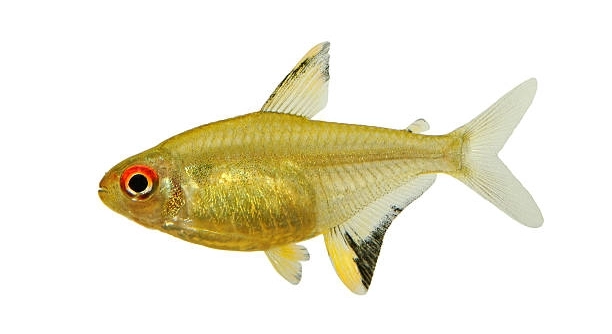
Do you ever wonder if the water in your aquarium is truly right for your Lemon Tetra? Maintaining the correct water conditions can feel tricky, but it is essential for keeping these vibrant fish healthy and active.
The ideal water pH levels for Lemon Tetra range from 5.5 to 7.0. Maintaining this slightly acidic to neutral range ensures optimal health, supports natural behavior, and prevents stress-related issues that may arise from improper water chemistry.
Knowing the right pH is just one part of proper care. Understanding this will help you create a stable, thriving environment for your fish.
Why pH Matters for Lemon Tetra
The pH of your aquarium water directly impacts the health of your Lemon Tetra. These fish thrive in slightly acidic to neutral water, and fluctuations can stress them, making them more prone to disease. Maintaining the right pH helps with digestion, coloration, and overall activity levels. Lemon Tetras are sensitive to sudden changes, so even a minor shift in acidity can affect their behavior and appetite. Monitoring pH regularly is essential. Using test kits at least once a week allows you to detect early changes before they cause harm. Adjusting pH gradually is safer than rapid corrections. You can use natural methods like driftwood or peat moss to slightly lower pH, or commercial buffers to stabilize it. Consistency is key. A stable environment mimics their natural habitat, which encourages breeding and reduces stress-related aggression. Observing your fish daily for signs of distress, like clamped fins or hiding, will help you respond quickly to pH issues.
Maintaining stable pH supports healthy Lemon Tetra behavior and appearance while reducing stress and potential illness in your aquarium.
Understanding pH also aids in other water management practices. It affects how minerals dissolve, how beneficial bacteria function in your filter, and how other chemical parameters like ammonia or nitrite interact. By keeping pH in the ideal range, you help your Lemon Tetra thrive naturally without constant intervention. This creates a balanced ecosystem where feeding, breeding, and swimming patterns are more predictable and less stressful for the fish. Small adjustments over time are safer than large corrections, and natural additives often produce more stable results than chemical solutions. Keeping a log of pH readings alongside temperature and water changes can provide insight into trends and prevent future problems. Overall, consistent monitoring, minor adjustments, and attention to the tank’s chemistry allow your Lemon Tetra to live a healthier and more vibrant life.
Ideal pH Ranges by Life Stage
Juvenile Lemon Tetras are particularly sensitive to pH swings and require a slightly narrower range for optimal growth.
Young fish thrive best between 5.5 and 6.5 pH. At this stage, their immune systems are still developing, so stability is more important than exact numbers. Sudden changes can stunt growth or increase mortality. Gradual adjustments in pH during water changes are crucial, and using neutral substrates or plants that buffer water naturally can support juveniles. Monitoring daily with a reliable test kit ensures you catch shifts early.
Adult Lemon Tetras can tolerate a wider range from 6.0 to 7.0. Their mature systems handle minor fluctuations better, but prolonged exposure outside this range still causes stress. Adults show better coloration and activity in slightly acidic water similar to their native rivers. Maintaining this range helps breeding pairs remain healthy and improves fry survival rates. Using a combination of natural elements and buffering solutions allows control over the water chemistry without harsh chemicals. Keeping an eye on pH alongside other parameters, such as hardness and temperature, ensures your aquarium remains a stable and thriving environment. Gradual adjustments and consistent monitoring are key to long-term success with Lemon Tetras of all ages.
Common Signs of pH Imbalance
Lemon Tetras may show stress if pH is off. Signs include clamped fins, reduced activity, loss of color, or erratic swimming. Immediate monitoring and adjustment can prevent serious health issues.
Stress from improper pH affects immunity and overall health. Fish may eat less or hide more often. Over time, this can lead to slower growth, increased susceptibility to disease, and even premature death. Regular testing and gradual corrections help maintain stability. Using natural methods, like driftwood or Indian almond leaves, can lower pH gently, while buffers can stabilize it if needed. Observing behavior alongside test results gives the best insight into their well-being.
Keeping pH stable also helps maintain beneficial bacteria in the filter, which is crucial for breaking down waste. Sudden swings can disrupt this balance, leading to ammonia spikes or cloudy water. A steady pH supports proper mineral absorption and digestion in Lemon Tetras. By recording readings and making small adjustments, you create a consistent environment where fish thrive. Over time, this reduces stress, encourages healthy activity, and enhances natural coloration, making your aquarium more vibrant and easier to maintain.
How to Adjust pH Safely
Gradual adjustments prevent shock. Small daily changes are safer than large corrections, protecting fish health.
Lowering pH naturally can be done using driftwood, peat moss, or Indian almond leaves. These elements release tannins and mild acids that slowly reduce pH without causing sudden shifts. Avoid abrupt chemical treatments unless necessary, as rapid changes can stress fish and disrupt the tank’s balance. Testing water before and after adjustments ensures changes remain within the safe range for Lemon Tetras.
Raising pH requires careful use of buffers or crushed coral to slowly increase alkalinity. Sudden jumps can harm fish and disturb beneficial bacteria. Combining natural methods with consistent monitoring allows precise control over water chemistry. Recording pH levels and changes helps track trends and prevents accidental overcorrections. Balancing pH alongside other factors like hardness and temperature creates a stable environment that supports growth, breeding, and overall vitality of your Lemon Tetras. Maintaining patience and consistency during adjustments ensures the best results without risking health.
Ideal Testing Frequency
Regular testing ensures pH stays within the safe range. Testing at least once a week helps catch small changes before they become harmful.
Using reliable test kits provides accurate readings. Digital meters or liquid test kits are both effective, and keeping a log helps track trends over time.
Effects of Incorrect pH
Water that is too acidic or too alkaline can weaken Lemon Tetras’ immune systems, leading to illness. Stress may reduce appetite, stunt growth, and affect natural coloration. Consistent pH supports proper digestion, behavior, and overall vitality, making fish more active and resilient in their environment.
Tools for Monitoring pH
Test strips, liquid kits, and electronic meters allow precise tracking. Consistency in monitoring is essential for healthy fish.
What is the ideal pH range for Lemon Tetras?
The ideal pH for Lemon Tetras is between 5.5 and 7.0. Staying within this slightly acidic to neutral range supports their health, natural behavior, and coloration. Consistent water chemistry helps prevent stress, illness, and erratic behavior.
How often should I test the pH of my aquarium?
Testing at least once a week is recommended. Frequent checks help you detect minor shifts before they affect your fish. Keeping a log of results allows you to spot trends and maintain a stable environment over time.
What are the signs that my Lemon Tetra is stressed due to pH issues?
Signs include clamped fins, loss of color, reduced activity, hiding, or erratic swimming. Stress from pH fluctuations can weaken immunity and make fish more prone to disease. Observing behavior along with water testing gives the best insight.
How can I safely lower pH in my aquarium?
Using natural elements like driftwood, peat moss, or Indian almond leaves gently lowers pH. These release mild acids and tannins, creating a gradual change without shocking the fish. Avoid sudden chemical treatments unless necessary, as rapid changes can harm the aquarium’s balance.
How can I safely raise pH in my aquarium?
To raise pH, add buffers or crushed coral slowly to increase alkalinity. Gradual changes are essential to prevent stress or damage. Monitoring pH daily during adjustments ensures that water remains within the safe range for Lemon Tetras.
Does water hardness affect pH for Lemon Tetras?
Yes, hardness influences pH stability. Soft water with low mineral content tends to fluctuate more easily. Using substrates or additives that maintain a moderate level of hardness helps keep pH stable and reduces stress for your fish.
Can sudden pH changes kill Lemon Tetras?
Rapid changes in pH can be dangerous. Sudden swings can shock fish, weaken immunity, and lead to death. Gradual adjustments and careful monitoring are necessary to avoid these risks, especially for juveniles or sensitive individuals.
Are there natural ways to maintain pH stability?
Yes, adding driftwood, peat, or Indian almond leaves provides a slow, consistent effect. Live plants can also buffer water slightly while absorbing nutrients. These natural methods reduce reliance on chemical treatments and create a more stable, fish-friendly environment.
What equipment do I need to monitor pH effectively?
Reliable options include liquid test kits, test strips, or digital meters. Each provides accurate readings when used consistently. Keeping a log of results alongside temperature and water changes allows you to maintain a predictable and healthy aquarium environment.
How does pH affect breeding in Lemon Tetras?
Stable, slightly acidic to neutral pH encourages spawning and improves fry survival. Extreme pH levels can prevent eggs from developing properly or reduce fertility. Maintaining consistent water chemistry ensures better success with breeding attempts.
Can pH affect the coloration of Lemon Tetras?
Yes, optimal pH supports vibrant coloration. Stress from improper pH can dull colors and reduce activity. Stable water chemistry allows fish to display their natural hues and look healthier overall.
How do I adjust pH without harming beneficial bacteria?
Gradual changes using natural methods or gentle buffers are safest. Beneficial bacteria help break down waste, and sudden chemical changes can disrupt this balance, causing spikes in ammonia or nitrites that threaten fish health.
Is it okay if pH fluctuates slightly day to day?
Small, gradual fluctuations are generally tolerated, but large swings are risky. Tracking trends rather than single readings helps identify issues early. Consistency is more important than maintaining a perfect number at all times.
How do pH levels affect feeding and digestion?
Improper pH can slow digestion or reduce appetite, affecting growth and health. Stable water chemistry ensures food is processed efficiently, promoting natural energy levels and activity in Lemon Tetras.
Can other fish in a community tank impact pH for Lemon Tetras?
Yes, different species may prefer different water conditions. Overcrowding, excess waste, or incompatible species can affect pH stability. Maintaining proper filtration and monitoring regularly helps reduce conflicts and supports all tank inhabitants.
How long does it take to adjust pH safely?
Safe adjustments usually take several days to weeks, depending on the starting point and desired level. Slow, measured changes prevent stress and allow fish to adapt without compromising health.
What is the risk of ignoring pH levels?
Ignoring pH can lead to chronic stress, illness, poor growth, dull coloration, and even death. Regular testing and adjustment are essential for a thriving Lemon Tetra aquarium.
Can tap water affect pH?
Yes, tap water may have varying pH and hardness depending on your area. Testing and adjusting water before adding it to the aquarium ensures stability and protects your fish from sudden shifts.
Do plants influence pH?
Live plants can slightly lower pH over time by absorbing nutrients and releasing acids. They also contribute to oxygen levels and overall water quality, making them a helpful addition to maintain a balanced environment.
Should I use chemical pH adjusters?
Chemical adjusters can work but should be used sparingly. Rapid changes can stress fish and harm beneficial bacteria. Natural methods combined with gradual adjustments are safer for long-term stability.
How does temperature interact with pH?
Temperature changes can influence pH, as warmer water tends to reduce CO2 solubility, slightly increasing pH. Keeping both temperature and pH consistent ensures a healthy, stress-free environment for Lemon Tetras.
Can I rely solely on test strips for pH monitoring?
Test strips are convenient but less precise than liquid kits or digital meters. Using strips for quick checks is fine, but periodic cross-checking with a more accurate method ensures reliability and prevents misreadings.
What should I do if pH suddenly spikes or drops?
Perform small, gradual corrections and monitor closely. Avoid drastic interventions that could shock fish. Identify the cause, whether it’s new water, substrate changes, or waste buildup, and address it methodically.
How important is pH for overall tank maintenance?
Maintaining proper pH is essential for the entire ecosystem. It affects fish health, bacterial activity, plant growth, and chemical balance. Regular monitoring and thoughtful adjustments are critical for a stable, thriving aquarium environment.
Does diet influence pH?
Yes, certain foods and feeding practices can slightly alter water chemistry. Overfeeding or decaying uneaten food may lower pH, while balanced feeding and timely removal of leftovers help maintain stability.
Can I mix Lemon Tetras with fish requiring different pH?
Mixing species with different pH preferences can cause stress if water conditions do not meet all requirements. Careful planning and monitoring are necessary when maintaining a community tank to prevent conflicts and health issues.
What is the safest way to introduce new water to maintain pH?
Always test new water and adjust it to match the aquarium’s pH before adding. Gradual additions prevent sudden shifts, reduce stress, and protect both fish and beneficial bacteria.
Does gravel or substrate affect pH?
Certain substrates, like crushed coral or limestone, can raise pH over time, while peat or driftwood can lower it. Choosing the right substrate helps maintain the target pH range naturally.
How long can Lemon Tetras tolerate being outside their ideal pH?
They can tolerate minor deviations for short periods, but prolonged exposure to unsuitable pH causes stress, weakens immunity, and may reduce lifespan. Consistent care is essential for longevity.
Are there seasonal factors that affect pH?
Yes, temperature and water source changes throughout the year can alter pH. Regular testing and minor adjustments help maintain stable conditions despite seasonal fluctuations.
Can using bottled water help control pH?
Bottled or RO water allows precise control of pH and hardness. Mixing it with tap water or adding buffers can create a stable environment, especially in areas with extreme water conditions.
Does lighting or tank decoration influence pH?
Indirectly, yes. Driftwood, plants, or decorations can release acids or tannins slowly, influencing pH. Monitoring these factors ensures stability while adding aesthetic or functional elements to the tank.
How do I balance pH with other water parameters?
pH interacts with hardness, ammonia, nitrite, and temperature. Maintaining a stable balance across all parameters supports fish health, reduces stress, and creates a thriving, low-maintenance environment. Regular testing and gradual adjustments are key.
Can over-filtering affect pH?
Over-filtering itself has little effect, but it can increase oxygen levels and remove dissolved CO2, which may slightly raise pH. Observing trends and testing regularly ensures stability.
What is the best routine for monitoring pH?
Test weekly, record readings, and make small corrections if needed. Check after water changes, new additions, or noticeable behavior changes in fish to maintain a consistent environment.
How does pH affect disease resistance?
Stable, optimal pH strengthens immunity, reduces stress, and supports natural defenses. Fluctuating or extreme pH weakens fish, making them more susceptible to bacterial, fungal, and parasitic infections.
Are there any signs that pH has stabilized after adjustment?
Fish become more active, regain color, and feed normally. Test readings remain consistent over several days, and water clarity improves as the ecosystem regains balance.
Can I combine different methods to control pH?
Yes, using a combination of natural elements, buffers, and careful monitoring provides precise control. This approach minimizes risk and helps maintain long-term stability for Lemon Tetras.
How important is patience when adjusting pH?
Patience is crucial. Gradual changes protect fish and bacteria, prevent stress, and allow the ecosystem to adapt naturally. Rushing adjustments can lead to more harm than benefit.
What role does regular water change play in pH stability?
Consistent water changes dilute waste and replenish minerals, helping maintain pH within the target range. Using conditioned water matched to tank pH ensures stability and protects fish health.
How do I handle extreme pH issues in emergencies?
Perform small, repeated corrections rather than a single large change. Isolate affected fish if necessary and address the root cause, such as contaminated water or incompatible substrate. Regular testing prevents emergencies.
Are there specific brands or products recommended for pH control?
Any reputable buffer or test kit works when used correctly. Focus on accuracy, consistency, and gradual adjustments rather than relying on a single “brand solution.” Combining methods often yields the best results.
Does pH affect swimming patterns?
Yes, improper pH can cause erratic swimming, lethargy, or hiding. Stable water chemistry encourages natural schooling behavior, active exploration, and normal interaction among Lemon Tetras.
What is the link between pH and tank cleaning routines?
Cleaning affects pH indirectly by removing waste and debris that can alter acidity. Avoid over-cleaning beneficial bacteria but maintain a schedule that supports water quality and pH stability.
How do I educate myself about pH management?
Reading reliable sources, keeping logs, and observing fish behavior provides practical knowledge. Experience, careful testing, and consistency teach the nuances of maintaining a healthy aquarium ecosystem.
Can small tanks be more sensitive to pH changes?
Yes, smaller volumes of water fluctuate more easily. Monitoring, gradual adjustments, and careful water changes are especially important in small aquariums to prevent rapid swings.
How long does it take for Lemon Tetras to recover from pH stress?
Recovery depends on the severity of stress and overall tank conditions. Gradual correction, stable water, and proper nutrition typically allow improvement within days to weeks.
Are there interactions between pH and other fish medications?
Yes, some medications work best at specific pH levels. Adjusting pH before treatment ensures efficacy and prevents additional stress to the fish.
Is it safe to mix tap and bottled water for pH control?
Yes, mixing allows control over hardness and pH. Always test and adjust before adding to the tank to prevent sudden changes that could stress fish.
How do I know if natural methods alone are enough to maintain pH?
If pH remains within the target range over weeks with driftwood, plants, or leaves, natural methods are sufficient. Test regularly to confirm stability.
Can overfeeding influence pH stability?
Yes, uneaten food decomposes and releases acids, lowering pH. Removing leftovers promptly and feeding appropriately helps maintain a stable environment.
Are juvenile Lemon Tetras more sensitive to pH than adults?
Yes, juveniles require narrower pH ranges and slower adjustments. Their developing immune systems are more vulnerable to stress, so monitoring and gradual corrections are critical.
Does temperature control complement pH management?
Yes, stable temperature reduces pH fluctuations and keeps fish metabolism steady. Both factors together support healthy behavior, feeding, and growth.
Can tap water additives help maintain pH?
Yes, conditioners or buffers can stabilize pH when tap water is outside the ideal range. Use cautiously and monitor to prevent overcorrection.
Is long-term pH monitoring necessary for Lemon Tetras?
Yes, consistent monitoring ensures ongoing health, reduces stress, and allows proactive care. Maintaining stable water chemistry is key for longevity and vibrant coloration.
What is the best overall approach to pH management?
Combine regular testing, gradual adjustments, natural methods, and careful observation. Patience and consistency ensure a safe, stable, and healthy environment for Lemon Tetras.
How does pH influence social behavior?
Stable pH encourages schooling, natural swimming patterns, and harmonious interactions. Stress from improper pH can cause aggression, hiding, or reduced activity, disrupting tank dynamics.
Can I use pH information to improve breeding success?
Yes, maintaining the ideal pH range supports spawning, egg development, and fry survival. Consistent water chemistry creates favorable conditions for reproduction and healthy offspring.
Are there seasonal maintenance tips for pH stability?
Test more frequently during seasonal temperature or water supply changes. Gradual adjustments help maintain consistency and prevent stress from environmental shifts.
Does lighting intensity impact pH?
Indirectly, lighting affects plant growth and CO2 absorption, which can slightly influence pH. Observing overall tank chemistry ensures stability while providing adequate light.
Can overcrowding affect pH levels?
Yes, excess waste from too many fish can lower pH over time. Proper stocking density and regular water changes prevent harmful fluctuations.
How do I combine pH control with feeding routines?
Feed in moderation, remove leftovers, and monitor water chemistry. Stable pH supports digestion, reduces stress, and promotes healthy growth and behavior.
Does aeration influence pH stability?
Aeration can increase oxygen levels and reduce CO2, slightly raising pH. Controlled airflow helps balance water chemistry without dramatic fluctuations.
Are there visual indicators of stable pH?
Fish are active, colorful, and feed normally. Water clarity remains consistent, and test readings stay within the target range over time.
Can I rely on a single method for pH management?
Combining natural elements, buffers, monitoring, and observation is more reliable than using one approach. Multiple methods provide safety and long-term stability.
How often should I review my pH log?
Weekly review allows early detection of trends and prevents larger issues. Adjustments should be made gradually based on recorded patterns.
Does filter media impact pH?
Certain media, like crushed coral or specialized ceramics, can influence pH. Choosing the right media supports stability while maintaining water quality.
How do I prepare for pH fluctuations during water changes?
Match new water to tank pH and add it slowly. Testing before and after helps avoid stress or sudden shifts for your Lemon Tetras.
Is it normal for pH to change slightly after adding plants or decorations?
Yes, natural materials may release acids or tannins gradually. Testing and monitoring ensure these changes remain within safe limits.
Can poor water quality affect pH readings?
Yes, high ammonia, nitrites, or organic buildup can interfere with test accuracy. Maintaining clean water ensures reliable monitoring.
Are digital pH meters more reliable than test kits?
Digital meters provide precise readings but require calibration. Liquid test kits are accurate when used correctly. Combining methods can increase confidence in results.
Does pH influence growth rates?
Proper pH supports metabolism and digestion, promoting steady growth. Fluctuations or extremes can slow development and reduce overall health.
Can sudden temperature drops affect pH?
Yes, temperature changes influence CO2 solubility, which can slightly alter pH. Keeping temperature stable minimizes these effects.
How long should I wait before re-testing after adjusting pH?
Wait at least a few hours to a full day, depending on the method used. Gradual changes prevent shock and allow fish to acclimate.
Is it safe to mix chemical and natural pH adjustments?
Yes, combining methods can provide precision and stability. Use small, gradual changes and monitor closely to avoid overshooting the target range.
How can I prevent future pH problems?
Regular testing, consistent water changes, gradual adjustments, and attention to substrate and decorations help maintain a stable environment. Observation of fish behavior complements all other measures.
Can pH affect the lifespan of Lemon Tetras?
Yes, consistent, optimal pH reduces stress, supports immunity, and encourages natural behavior, contributing to a longer, healthier life.
Are there long-term benefits to keeping pH stable?
Stable pH enhances coloration, growth, immunity, breeding success, and overall vitality, reducing maintenance challenges and creating a thriving aquarium ecosystem.
What is the most common mistake with pH management?
Rapid adjustments, infrequent testing, and ignoring natural fluctuations are common errors. Gradual, monitored changes prevent stress and long-term health issues.
How does pH stability interact with feeding behavior?
Stable water chemistry promotes normal feeding patterns, efficient digestion, and energy levels, keeping Lemon Tetras active and healthy.
Can pH swings cause behavioral changes?
Yes, fluctuations may cause hiding, lethargy, aggression, or erratic swimming. Consistent pH reduces stress and encourages natural, harmonious behavior.
Is pH control more important in small or large tanks?
Small tanks are more sensitive to changes, making monitoring critical. Larger tanks buffer shifts better but still require consistent testing and adjustments.
Does pH affect oxygen levels in water?
Indirectly, pH interacts with CO2 and other chemicals, influencing oxygen availability. Stable water chemistry supports adequate oxygenation and fish health.
How do I combine pH management with overall tank care?
Regular testing, gradual adjustments, water changes, and observation work together to maintain stability. Consistency across all parameters ensures a healthy, thriving environment for Lemon Tetras.
Can extreme pH cause permanent damage?
Yes, prolonged exposure to unsuitable pH can harm organs, stunt growth, reduce fertility, and shorten lifespan. Early detection and correction are essential.
**
Maintaining the ideal pH for Lemon Tetras is essential for their health, behavior, and overall well-being. These small fish thrive in slightly acidic to neutral water, and even minor fluctuations can cause stress if not monitored carefully. Consistent water conditions help prevent illness, support proper digestion, and encourage natural coloration. Observing your fish regularly gives valuable insight into their comfort and health, and noticing small changes in activity or appearance can help you respond quickly. Using reliable test kits or digital meters allows you to track pH accurately, and keeping a record over time makes it easier to spot trends before they become problems. Stability is more important than perfection, so gradual adjustments and regular monitoring are key to maintaining a safe environment.
Adjusting pH should be approached with patience and care. Sudden changes can shock your Lemon Tetras, weakening their immune system and increasing vulnerability to disease. Natural methods, such as adding driftwood, peat moss, or Indian almond leaves, provide a gentle way to influence pH over time. For minor corrections, commercial buffers can be used carefully, but these should never replace regular monitoring and gradual adjustments. The water chemistry in your tank is a delicate balance, influenced not just by pH but also by temperature, hardness, and the presence of plants or substrate. Keeping all these factors in mind ensures that changes in pH do not negatively impact your fish or the aquarium ecosystem. Over time, maintaining consistency in water conditions reduces stress, promotes healthy behavior, and creates a stable environment that allows Lemon Tetras to thrive.
Long-term care of Lemon Tetras involves more than just monitoring pH. Feeding, tank maintenance, and water changes all interact with water chemistry, making it important to maintain a holistic approach. Overfeeding or letting uneaten food accumulate can alter pH slightly, so careful feeding and prompt removal of leftovers help maintain stability. Regular water changes with conditioned water, matched to the tank’s pH, prevent sudden swings and provide fresh minerals that support fish health. Attention to substrate and decorations also plays a role, as certain materials can slowly alter water chemistry over time. By combining observation, testing, and careful adjustments, you create a consistent environment that encourages natural activity, coloration, and even breeding success. Consistency, patience, and attention to detail are the most important factors for keeping Lemon Tetras healthy, active, and thriving in a home aquarium.

Hello,
If you enjoy the content that we create, please consider saying a "Thank You!" by leaving a tip.
Every little bit helps us continue crafting quality advice that supports the health, happiness, and well-being of pets around the world, for pets of all shapes, sizes, and species.
We really appreciate the kindness and support that you show us!