
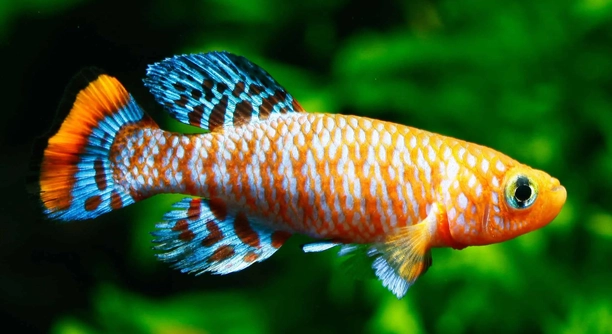
Killi fish are small, colorful freshwater fish known for their unique behaviors. Many people keep them as pets because of their lively nature and fascinating interactions. Their ways of showing affection can be subtle yet meaningful.
Killi fish display affection through behaviors such as gentle swimming around their mates, vibrant color changes, and careful nest building. These actions serve as signals of bonding, readiness to breed, and mutual recognition within their environment.
Understanding how killi fish express love adds depth to their care and appreciation. These small gestures reveal much about their natural instincts and social needs.
How Killi Fish Use Color to Show Affection
Killi fish often change their colors when interacting with others, especially during mating periods. Males display brighter, more vibrant colors to attract females. These vivid hues signal health and readiness to breed. Females may respond by showing subtle color shifts as well, indicating interest or acceptance. This color exchange helps strengthen their bond without direct contact. In some species, these colors also serve to warn other males to stay away. Watching these changes can reveal a lot about their mood and intentions. It is a natural way for them to communicate affection and maintain social order within their groups.
These color changes are temporary and linked closely to their emotional or reproductive state. They fade once the interaction ends.
Color signals play a crucial role in killi fish relationships. They help pairs recognize each other and maintain connection. These visual cues are essential for building trust and ensuring successful breeding, making color an important form of expression in their daily lives.
Physical Gestures in Killi Fish Communication
Killi fish use swimming patterns and gentle nudges to express affection. These physical gestures show care and interest without aggression.
During courtship, males may swim alongside females, following their movements closely. This synchronized swimming helps form a bond and indicates the male’s willingness to protect and care. Gentle touches with their fins or bodies often follow, reinforcing the connection. Females respond by allowing these interactions, which confirms mutual acceptance. Outside breeding, these gestures can also signal comfort and companionship. Observing these actions gives insight into how killi fish build relationships and support each other emotionally.
Physical gestures are subtle but meaningful signals that strengthen the pair’s connection. These behaviors highlight the importance of touch and proximity in killi fish affection. The careful swimming and soft nudges create a shared space where trust can grow, contributing to their social harmony and overall well-being. This nonverbal communication is vital for maintaining bonds within their environment.
Nest Building and Protection Behavior
Killi fish show affection by carefully selecting and preparing nesting sites. Males often build or clean spots to attract females for spawning. This behavior demonstrates care and commitment to their partner and offspring.
Nest building involves clearing leaves or plants and creating a safe space for eggs. The male guards the area diligently to protect it from intruders. This protective stance shows his dedication to the family’s well-being. Females usually inspect the nest before agreeing to lay eggs there, making the male’s effort crucial in earning trust. This nurturing behavior reflects the bond and responsibility killi fish feel toward their mates and future young.
The guarding continues even after the eggs are laid. Males remain watchful, often chasing away threats. This ongoing care strengthens the pair’s relationship and ensures higher chances of survival for their offspring.
Mutual Recognition Through Movement
Killi fish recognize each other by distinct swimming patterns. These unique movements help establish identity and familiarity within their groups.
Swimming side by side or in coordinated patterns signals trust and affection between pairs. These shared movements create a connection beyond simple presence. Fish that recognize each other through these gestures tend to stay closer and interact more frequently. This behavior reduces stress and promotes harmony in their habitat.
Recognizing partners through movement supports social bonds. It encourages cooperation and shared responsibility in caring for eggs and territory. These patterns are subtle but powerful ways killi fish maintain their relationships and ensure group stability.
Vocal and Chemical Signals
Killi fish use subtle sounds and chemicals to communicate affection. These signals help them connect without visual contact, especially in murky water.
Chemical signals, released into the water, convey information about reproductive readiness and stress levels. These cues play a vital role in maintaining harmony and attraction between mates.
Courtship Displays
Male killi fish perform specific movements to attract females. These displays often include fin flaring, quick darts, and body vibrations. Such behavior highlights strength and health, encouraging females to respond positively.
Shared Space and Proximity
Spending time close together shows trust and comfort. Killi fish often share hiding spots and swim in close quarters when bonded.
FAQ
How do killi fish show affection outside of breeding?
Killi fish display affection outside breeding through gentle swimming together, sharing hiding spots, and synchronized movements. These behaviors indicate comfort and social bonding. They also engage in soft nudges or fin touches, which help maintain trust and familiarity. Even without mating intentions, these actions show care and companionship within their groups.
Can killi fish recognize their mates?
Yes, killi fish can recognize their mates. They use unique swimming patterns and chemical signals to identify familiar partners. This recognition helps reduce aggression and promotes cooperation, especially during nesting and raising young. Recognizing each other also strengthens their bond, making interactions smoother and more positive.
Do killi fish form long-term bonds?
Killi fish do form bonds that last through breeding cycles. While not always permanent, these bonds are significant during the mating season. They cooperate in nest building, guarding, and caring for eggs. These partnerships increase the chances of successful reproduction and reflect a natural sense of partnership.
What role does color play in killi fish affection?
Color changes are important signals of affection and readiness to mate. Males become more vibrant to attract females, showing health and vitality. Females may also adjust their colors to indicate acceptance. These visual cues help communicate feelings and intentions clearly between partners.
How important is nest building in killi fish relationships?
Nest building is a key way killi fish show care and commitment. Males prepare safe spaces for eggs, signaling their readiness to protect the family. The effort put into nest preparation influences female choice and helps establish trust. Nest guarding after eggs are laid further strengthens the bond.
Do killi fish use sounds to communicate?
Killi fish use very subtle sounds, though less commonly than visual or chemical signals. These sounds can indicate presence, stress, or readiness to mate. More often, they rely on chemical signals released into the water to communicate affection and reproductive status.
How do chemical signals affect killi fish behavior?
Chemical signals help killi fish share information about health, stress, and reproductive status. These cues travel through water and influence mate attraction and social harmony. Chemical communication supports bonding when visibility is low or during close contact.
Can killi fish show jealousy or aggression toward other fish?
Killi fish can show aggression, especially males defending territory or mates. While not exactly jealousy, their behavior reflects protecting bonds and resources. Aggressive displays, chasing, and color changes warn rivals to stay away, ensuring their partner’s safety.
Are there specific behaviors that indicate killi fish are comfortable together?
Yes, sharing space peacefully, swimming closely, and synchronized movements all show comfort. Killi fish that trust each other avoid unnecessary aggression and stay near one another. These actions reflect a calm, stable relationship within their environment.
How can observing killi fish behavior improve their care?
Understanding their affectionate behaviors helps provide better environments that encourage natural interactions. Recognizing signs of stress or bonding can improve tank setups, breeding success, and social harmony. Watching their color changes, movements, and nesting helps owners respond appropriately.
Killi fish express affection in ways that may not be obvious at first glance. Their behaviors, such as color changes, gentle swimming, and nest building, all serve as important signals within their small social groups. These actions show that killi fish are not just simple creatures but have developed natural ways to connect with one another. Understanding these behaviors can deepen appreciation for their unique personalities and needs in an aquarium setting.
Observing killi fish closely reveals how they care for their partners and offspring. The males’ efforts in preparing nests and protecting eggs highlight their commitment during breeding times. Outside of mating, their swimming patterns and shared spaces indicate trust and comfort between fish. These subtle signs of affection show that killi fish maintain social bonds that help them thrive in their environment. Recognizing these cues is important for anyone who keeps killi fish as pets.
Knowing how killi fish show love helps improve their care and living conditions. Providing a safe, well-planted tank with places to hide and build nests supports their natural behaviors. Allowing room for courtship displays and peaceful interactions promotes healthy relationships among them. Being attentive to their signals can prevent stress and encourage successful breeding. Overall, understanding killi fish affection enriches the experience of watching and caring for these lively, colorful fish.

Hello,
If you enjoy the content that we create, please consider saying a "Thank You!" by leaving a tip.
Every little bit helps us continue crafting quality advice that supports the health, happiness, and well-being of pets around the world, for pets of all shapes, sizes, and species.
We really appreciate the kindness and support that you show us!