
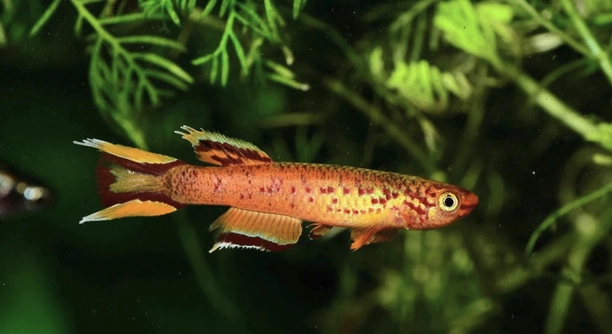
Are your killifish showing no interest in mating despite your efforts? Many hobbyists face this challenge when trying to breed these colorful fish. Understanding their behavior can help improve your chances of successful spawning.
Killifish often refuse to mate due to stress, improper water conditions, or lack of suitable spawning sites. Additionally, immature or incompatible pairs may delay breeding, and inadequate diet or lighting can also inhibit reproductive behavior.
Learning about these factors can guide you to create a better environment for your killis. Small changes can lead to big improvements in encouraging mating and raising healthy fry.
Stress and Environment Factors
Killifish are sensitive to their surroundings, and stress is a major reason they may refuse to mate. Loud noises, sudden changes in water temperature, or overcrowding can cause them to feel unsafe. Even subtle issues like poor water quality or too much light can disrupt their natural behavior. Ensuring the tank is calm and stable helps killifish feel comfortable. It’s important to provide plenty of hiding places with plants or decorations to reduce stress. Keeping a regular feeding schedule also supports their wellbeing. Sometimes, moving them to a quieter room or adjusting tank mates can make a difference. When killifish feel secure, they are more likely to engage in mating behavior. Watching their environment carefully often reveals what needs to change to encourage breeding.
Stress impacts killifish by lowering their immune response and reducing reproductive hormones. A peaceful environment improves mating chances.
Creating the right tank setup takes attention. Water parameters should be stable, with temperatures usually between 72–75°F (22–24°C) and a slightly acidic pH around 6.0–7.0. Soft water mimics their natural habitat and encourages spawning. Avoid harsh chemicals and frequent water changes that shock the fish. Using natural materials like peat or leaf litter can improve water quality and simulate their environment. Lighting should be dim or indirect, as bright light can deter breeding. Finally, separate males and females before introducing them to the breeding tank to increase their readiness. These careful adjustments increase the likelihood that killifish will accept each other as mates and successfully spawn.
Diet and Compatibility
Proper diet plays a key role in killifish breeding readiness. Killis thrive on live or frozen foods like bloodworms, daphnia, and brine shrimp, which help develop their reproductive organs. Feeding a varied and nutritious diet keeps them healthy and active. Overfeeding or poor-quality food can harm their condition and reduce interest in mating. It’s also important to consider compatibility. Not all killifish species or individuals will pair well. Sometimes, two fish simply don’t get along or are not mature enough to breed. Observing their behavior and pairing compatible mates improves success. Separating aggressive or shy fish helps create a balanced breeding pair.
Choosing the right foods and mates enhances breeding potential.
Knowing what killifish need to thrive and how they interact makes breeding less frustrating. When their diet supports good health and pairs are matched well, mating happens more naturally. A consistent feeding routine and patience with selecting pairs lead to better results over time.
Water Conditions and Tank Setup
Stable water conditions are essential for killifish breeding. Sudden changes in temperature or pH can stop mating behavior. Keeping water clean with gentle filtration helps maintain stability. Avoid strong currents, as killifish prefer calmer waters.
Maintaining the right water parameters requires regular testing. Temperature should stay steady between 72–75°F (22–24°C). A slightly acidic pH, around 6.0–7.0, closely matches their natural environment. Soft water with low mineral content encourages spawning. Frequent partial water changes with dechlorinated water help keep conditions ideal without stressing the fish. Providing a separate breeding tank with these parameters can increase success. Adding natural elements like leaf litter creates hiding spots and mimics their habitat, which encourages natural behaviors.
Tank setup matters as well. Include plenty of plants or spawning mops for egg laying. A dark substrate can reduce stress, while dim lighting simulates natural conditions. Avoid overcrowding to reduce competition and aggression. These details make killifish more comfortable and ready to breed.
Observing Behavior and Timing
Killifish usually show clear signs when they are ready to mate, like chasing or displaying bright colors. Watching their interactions helps identify compatible pairs. Mating is often triggered by stable conditions and proper timing.
It’s important to be patient and observe their daily habits. Killifish sometimes need time to adjust to a new tank or partner before breeding. Avoid moving or disturbing the tank during this period. Their breeding cycle can vary between species, with some spawning seasonally. Matching light cycles to natural patterns can help trigger reproduction. Pay attention to the health and energy of both fish, as weak or stressed individuals will not breed well. Knowing when to introduce pairs and giving them space increases chances for success.
Lighting and Photoperiod
Proper lighting affects killifish mating behavior. Too much light can stress them, while too little may reduce activity. A dim or indirect light setting works best.
A consistent light schedule helps simulate natural conditions. Around 10–12 hours of light per day supports breeding cycles and keeps fish healthy.
Age and Maturity
Killifish need to reach sexual maturity before breeding. Young or undersized fish may show no interest in mating. Waiting until they are fully grown improves success.
Maturity varies by species but usually takes several months. Providing good nutrition and stable conditions helps them develop reproductive readiness.
Avoiding Common Mistakes
Changing water too often or introducing new fish too quickly can cause stress and delay mating. Patience and consistency are key for breeding success.
Keeping the environment stable and pairs comfortable encourages natural breeding behavior without unnecessary disruptions.
FAQ
Why are my killifish not showing any mating behavior?
Killifish may not show mating behavior if they are stressed, immature, or if their environment is unsuitable. Stress can come from poor water quality, sudden changes, or overcrowding. Immature fish are simply not ready to breed yet. Also, the tank setup might be missing key elements like hiding spots or proper lighting, which killifish need to feel safe and encouraged to mate.
How can I reduce stress in my killifish to encourage mating?
Create a calm, stable environment. Avoid loud noises and sudden movements near the tank. Keep water parameters consistent and provide plenty of plants or decorations for hiding. Feed them nutritious live or frozen foods regularly. Avoid overcrowding and aggressive tank mates. Reducing stress improves their health and mating chances.
What water conditions are ideal for killifish breeding?
Stable temperatures between 72–75°F (22–24°C) with slightly acidic pH around 6.0–7.0 work best. Soft water with low mineral content mimics their natural habitat. Use gentle filtration to keep the water clean but avoid strong currents. Regular partial water changes with dechlorinated water maintain stability without shocking the fish.
How important is diet for killifish breeding?
Diet plays a crucial role. Feeding live or frozen foods like bloodworms, daphnia, and brine shrimp helps develop reproductive organs and boosts energy. A varied diet keeps killifish healthy and more interested in mating. Poor nutrition or overfeeding can weaken them and lower mating drive.
Can killifish breed in community tanks?
Breeding killifish in community tanks is often difficult. Other fish may stress killifish or eat their eggs. Also, competition can reduce mating chances. Using a separate breeding tank with controlled conditions is usually more successful.
How do I know if my killifish are compatible?
Compatible pairs often display courtship behaviors like chasing or color changes. Aggression or avoidance indicates incompatibility. Some species or individuals simply do not pair well. Observing their interactions closely before breeding helps ensure success.
What are common signs of killifish readiness to mate?
Males usually brighten in color and become more active, chasing females gently. Females may develop a fuller belly, indicating eggs. These behaviors often occur after stable water conditions and a proper diet.
How long does it take for killifish to start breeding once conditions improve?
It varies by species but often takes days to weeks. Patience is important. Sudden changes or frequent disturbances can delay mating, so keep conditions steady and avoid unnecessary tank changes during this period.
Why do killifish sometimes eat their own eggs?
Egg-eating can happen if the female is stressed or if other tank inhabitants disturb the spawning area. Providing plenty of hiding places and removing adults after spawning can protect the eggs. Using spawning mops or leaf litter helps separate eggs from adults.
How can I encourage killifish to spawn more successfully?
Use a dedicated breeding tank with ideal water parameters and soft, slightly acidic water. Provide spawning sites like dense plants or spawning mops. Feed high-quality live foods and keep lighting dim. Separate pairs from other fish and give them time to acclimate. These steps increase spawning success.
What should I do if killifish still refuse to mate?
Review all environmental factors—water quality, diet, tank setup, and lighting. Consider the age and compatibility of the fish. Sometimes, changing pairs or waiting longer is necessary. Avoid rushing or stressing the fish, and ensure conditions are stable and natural.
Is it necessary to remove killifish after spawning?
Yes, removing adults after spawning helps protect eggs from being eaten. If removal is not possible, using dense spawning materials or egg traps can reduce losses. Protecting eggs increases the chances of healthy fry.
Can adjusting light cycles affect breeding?
Yes, simulating natural light cycles with 10–12 hours of light daily helps regulate killifish breeding rhythms. Sudden changes or constant bright light can disrupt spawning behavior. Consistent, gentle lighting encourages natural mating habits.
How do I care for killifish fry after hatching?
Keep fry in clean, stable water with gentle filtration and low flow. Feed them tiny live foods like infusoria or newly hatched brine shrimp. Maintain water quality and avoid sudden changes. Fry grow best with frequent small feedings and a stress-free environment.
What if my killifish refuse to mate even after all conditions are ideal?
Some killifish may be less willing to breed due to genetics, personality, or past stress. Trying different pairs or waiting longer may help. Remember, breeding is natural and sometimes requires patience and repeated attempts.
Final Thoughts
Breeding killifish can be both rewarding and challenging. If your killis are refusing to mate, it usually means something in their environment is off or they are not quite ready. Small changes, like adjusting the water conditions or providing more hiding spaces, can make a big difference. Patience is key. These fish need time to feel safe and comfortable before they start showing mating behavior. It’s also important to remember that not every pair will be compatible. Even with perfect conditions, some killifish may not accept each other. That’s normal, and sometimes just trying a different pair works better.
Taking care of their diet is just as important as tank setup. Feeding them live or frozen foods regularly helps with their health and reproductive strength. A good diet supports their energy levels and encourages natural behaviors. Also, pay attention to lighting. Keeping it dim and consistent throughout the day helps mimic their natural environment. If you are using a breeding tank, make sure it is calm and quiet, away from high-traffic areas or loud noises. Avoid strong filters or bright lights. Providing the right kind of spawning materials—like mops, moss, or fine-leafed plants—also helps eggs stay safe and encourages the pair to lay them.
Every small detail counts when it comes to getting killifish to breed. From water temperature to tank mates, everything plays a role. If they’re not mating, step back and look at the whole setup. Are the fish healthy? Are they old enough? Are the water parameters stable? Breeding doesn’t always happen right away, even when things seem perfect. Stay consistent and keep observing their behavior. You may notice changes over time. It’s a learning process, and each attempt gives you more experience. When killifish do finally start spawning, it can be a very satisfying moment. Watching the eggs develop and hatch into tiny fry is worth the effort. It just takes a little care, patience, and a good understanding of what your fish need.

Hello,
If you enjoy the content that we create, please consider saying a "Thank You!" by leaving a tip.
Every little bit helps us continue crafting quality advice that supports the health, happiness, and well-being of pets around the world, for pets of all shapes, sizes, and species.
We really appreciate the kindness and support that you show us!