
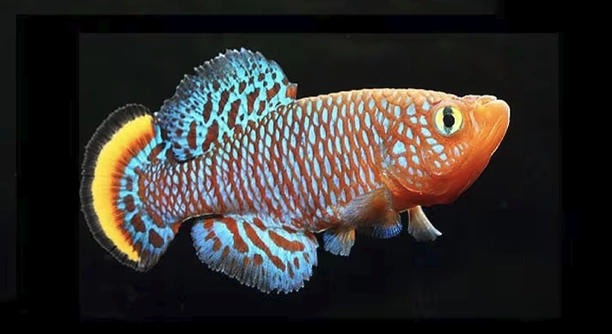
Do your killi fish often swim close together or follow each other around the tank, making you wonder if they’ve bonded?
Killi fish that have bonded typically display synchronized swimming, remain close to each other, and engage in peaceful interactions. These behaviors suggest a social connection, often seen in mating pairs or compatible tank mates in stable environments.
Understanding these signs helps you create a healthier and more harmonious aquarium where your killi fish can thrive and coexist peacefully.
Signs Your Killi Fish Have Bonded
When killi fish form a bond, they often display synchronized swimming and spend much of their time near each other. This close behavior is especially noticeable during feeding and resting periods. You may also notice that bonded fish avoid aggression and move together in a smooth, coordinated way. These behaviors are signs of comfort and mutual acceptance. In some cases, you might even observe gentle chasing that doesn’t escalate into stress or injury. This is typically related to courtship behavior rather than dominance. If they share hiding spots or calmly explore the tank side by side, it’s another strong indicator of a social bond. Watching these interactions helps you recognize whether your fish feel secure in their environment. Bonded killi fish often show more vibrant colors and an overall healthier appearance, which is a sign they’re thriving together under the right conditions.
Bonding may vary between species, but peaceful, synchronized behavior is the clearest indicator.
If your killi fish are constantly apart, aggressive, or show faded colors, it’s unlikely they’ve bonded. Some fish prefer solitude or simply aren’t compatible. Not every pair will form a connection, and forcing interaction can lead to stress. Observing natural behavior is the best way to understand their comfort level.
Creating the Right Environment
Provide a peaceful tank with consistent conditions to encourage bonding.
Bonding often depends on the environment. Killi fish need stable water conditions, clean surroundings, and enough space to interact without stress. A planted tank with hiding spots gives them the option to retreat or rest near each other. Avoid overcrowding, as too many tank mates can cause competition and anxiety. Temperature, pH levels, and lighting should match the specific needs of your killi fish species. Also, make sure to introduce fish slowly and monitor their behavior closely in the first few weeks. Compatibility plays a large role—some fish just don’t get along, and that’s okay. Choosing fish of similar size and temperament increases the chance of peaceful interaction. Offer a variety of foods to reduce feeding-related tension. When fish feel safe and well-fed, they are more likely to form natural bonds. Creating this type of environment will support both their physical health and social behavior over time.
Behavioral Changes That Signal Bonding
Bonded killi fish often change their behavior in subtle ways. They may begin to swim together more frequently and show less aggression toward each other, even during feeding times or when exploring new areas of the tank.
They might also develop a pattern of resting near each other or taking turns using the same hiding spots without conflict. This level of comfort shows a growing trust between them. You could notice one fish initiating gentle interactions, such as following or circling, which the other fish accepts calmly. These exchanges often replace earlier signs of dominance or territorial behavior. When bonded, their movements appear more coordinated, and they tend to stay in similar areas of the tank for extended periods. These behaviors suggest they’ve developed a stable and peaceful dynamic. Observing these signs helps you understand whether your fish are settling in and forming a healthy social connection.
Feeding behavior is another area where bonding becomes clear. Instead of competing or pushing each other away, bonded killi fish often feed side by side. One may wait while the other takes a turn, or they may move in sync as food is scattered. This cooperation lowers stress and strengthens their shared rhythm in daily activities. Watching these habits gives you a better idea of how well they’re getting along. Over time, this kind of behavior becomes more natural and helps maintain a calm tank.
When Bonding Doesn’t Happen
Sometimes, even with ideal conditions, killi fish won’t form a bond. You may see constant chasing, nipping, or one fish hiding more often. These are signs that the fish aren’t compatible and feel threatened or uncomfortable.
Not all killi fish will get along, and that’s normal. Personality differences or stress from their environment can prevent bonding, even in a well-maintained tank. If one fish is overly dominant or constantly aggressive, it may cause tension that never settles. In some cases, separating them is the best option to avoid injury or illness. Tank size and layout also play a role—limited space or not enough hiding spots can increase stress and reduce the chance of peaceful interaction. Try rearranging tank decorations, improving water quality, or offering more cover. If behavior doesn’t improve, consider housing the fish separately. Respecting their individual needs leads to better overall health and a calmer aquarium.
Mating as a Sign of Bonding
When killi fish have bonded, they often begin to show mating behaviors. The male may display brighter colors and perform a dance-like movement to attract the female. If the female responds, it suggests mutual comfort.
Egg-laying usually follows shortly after these interactions. The pair might return to the same area in the tank, such as plants or spawning mops, where the female deposits eggs while the male fertilizes them.
Temporary vs Long-Term Bonds
Some killi fish form only temporary bonds during mating periods, especially annual species that have shorter lifespans. These connections may fade once spawning is complete. Others, particularly non-annual species, can develop longer-lasting bonds and continue to interact peacefully beyond the breeding season. Recognizing the difference helps you manage their environment more effectively and reduces stress for all tank inhabitants. Consistent peaceful behavior, shared space, and ongoing interaction suggest a more stable bond. In contrast, pairs that separate after spawning may not reconnect later, even if placed together again. Observing these patterns helps you adjust your care based on their natural tendencies.
Monitoring Without Disrupting
Watch quietly from a distance and avoid sudden tank changes. Calm observation lets you understand their behavior better without adding stress.
FAQ
How long does it take for killi fish to bond?
It usually takes one to three weeks for killi fish to bond, depending on their environment and compatibility. Some pairs settle quickly if they’re introduced into a calm tank with stable conditions and enough space. Others may take longer, especially if one fish is more dominant or shy. A slow bonding process isn’t always a problem—it may just mean they need more time to adjust. Watching for small signs like calm swimming, shared hiding spots, or peaceful feeding habits helps you track their progress without rushing the process.
Do all killi fish species form bonds?
Not all species form strong or lasting bonds. Annual killi fish often focus more on mating than on long-term pairing. They may only stay together during spawning. Non-annual species, on the other hand, are more likely to form peaceful and lasting connections. Their behavior can also vary based on gender, tank setup, and individual temperament. If you’re hoping for a bonded pair, research the specific species you keep. Some are more social, while others are more territorial and prefer minimal interaction outside of breeding. Knowing their natural tendencies helps set realistic expectations.
Can killi fish bond in a community tank?
Yes, but it depends on the other tank mates. In a calm community tank with compatible fish, bonded killi pairs can thrive. However, if the tank is crowded or includes aggressive species, bonding might not happen. Too much stress or competition can make killi fish more defensive and reduce chances for a peaceful connection. Use plenty of plants or decorations to give them space and visual barriers. This helps reduce stress and makes it easier for them to form a bond without interference from other fish. A peaceful environment leads to more natural behavior.
What are signs of aggression instead of bonding?
Constant chasing, nipping, or one fish hiding all the time are common signs of aggression. If you notice torn fins, dull colors, or sudden weight loss, these are also red flags. Aggression can look similar to courtship at first, but if it doesn’t calm down or seems one-sided, the fish may not be compatible. Watch how both fish react—if one is always fleeing or avoiding the other, it’s likely not a bond. In these cases, it’s best to separate them before stress or injury occurs.
Should bonded killi fish be separated after spawning?
It depends on their behavior. Some bonded pairs remain peaceful and continue interacting calmly after spawning, while others may start to fight. If you notice signs of stress, separation might be necessary. Watch closely after egg-laying—if chasing increases or one fish seems exhausted, consider removing one. However, many pairs do fine if the tank offers space, hiding spots, and stable conditions. Keeping a careful eye on them during this period helps you avoid problems and ensures both fish stay healthy and active.
Do bonded killi fish protect their eggs?
Most killi fish don’t guard their eggs. In fact, many will eat them if given the chance. Even bonded pairs usually don’t show parental care. To protect the eggs, remove them and place them in a separate container with proper conditions for hatching. Using spawning mops or plants helps collect the eggs more easily. Once the eggs are removed, the bonded pair can stay together if they remain peaceful. Avoid leaving the eggs in the main tank unless you’re okay with the risk of losing some or all to predation.
Can two female or two male killi fish bond?
It’s possible, especially if they’ve been raised together in a calm environment. Same-sex pairs may form loose bonds and swim together without showing aggression. However, this depends on the species and individual temperament. Some males may fight, while others coexist peacefully. Female pairs tend to be calmer. If placing same-sex fish together, monitor their behavior closely. Look for signs of stress or dominance. With the right conditions, non-breeding pairs can still form peaceful relationships, though they may not show the same behaviors as mating pairs. Each pairing is unique and requires careful observation.
Final Thoughts
Understanding whether your killi fish have bonded comes down to watching their daily behavior. Peaceful swimming, shared space, and synchronized movement are strong signs of a connection. Bonded pairs tend to avoid aggression, rest near each other, and sometimes even feed side by side. These small actions show trust and comfort between them. While not every pair will bond, giving your fish the right conditions can make a big difference. A calm tank, stable water parameters, and enough space all help support social behavior. If your killi fish seem calm and show interest in each other without signs of stress, they’re likely forming a bond.
It’s also important to accept that bonding doesn’t look the same in every tank. Some killi fish may connect quickly, while others need more time or simply prefer to stay apart. Species, gender, age, and environment all play a role. Sometimes, even two healthy fish won’t get along. That doesn’t mean something is wrong—it just means their personalities or needs don’t match. Watching their behavior over time gives you the clearest answers. If things don’t work out, adjusting the tank layout or keeping the fish in separate spaces can still lead to a peaceful aquarium.
Being patient with your killi fish helps them feel more at ease. Don’t try to force interaction. Instead, focus on creating a calm and clean habitat where they can show their natural behavior. Look for steady routines, calm feeding sessions, and reduced signs of stress. When you pay attention to these details, you’ll get a better sense of their comfort level and connection. Whether they bond or not, what matters most is that they feel safe in their environment. A peaceful tank helps killi fish stay healthy, active, and bright in color. With a little time and observation, you’ll learn what works best for your fish.

Hello,
If you enjoy the content that we create, please consider saying a "Thank You!" by leaving a tip.
Every little bit helps us continue crafting quality advice that supports the health, happiness, and well-being of pets around the world, for pets of all shapes, sizes, and species.
We really appreciate the kindness and support that you show us!