
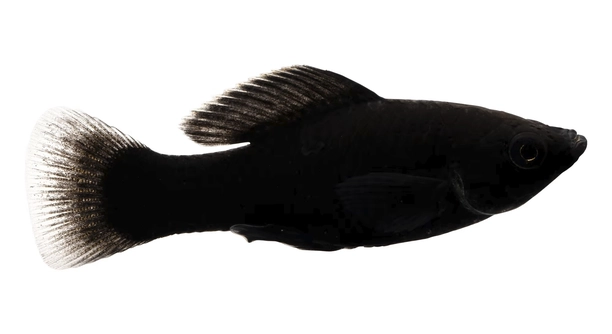
Black Mollies are lively freshwater fish that enjoy exploring their environment. When new decorations are added to their tank, they often display noticeable curiosity and activity, swimming around and inspecting each change. Their reactions can be subtle or pronounced.
Black Mollies typically approach new tank decorations with cautious curiosity. They may swim around slowly at first, pause to inspect surfaces, and gradually increase interaction as they become familiar with the changes in their environment.
Observing their behavior provides insights into their comfort and adaptation, helping maintain a balanced and engaging tank for long-term well-being.
How Black Mollies Explore New Spaces
When I first added a new driftwood piece and a few plants to my Black Mollies’ tank, I noticed them slowing their swimming and approaching each addition carefully. They often circle decorations several times, pausing to hover or nibble slightly at surfaces. Some hide briefly behind taller items, while others swim boldly around open areas, showing different comfort levels. The size and shape of the decoration can affect how quickly they investigate it. Flat surfaces seem to invite more exploration, while taller, more complex pieces can make them hesitant. Lighting also plays a role; brighter areas encourage activity, while dim corners see less attention at first. Over several days, I saw their behavior shift from cautious observation to more confident interaction. They even seemed to use the taller plants as resting spots, weaving between leaves with gentle, curious movements. This careful observation has helped me understand their preferences better and plan tank arrangements more effectively.
Their reactions can vary depending on personality, age, and familiarity with their environment. Some become immediately comfortable, while others take several days to explore fully.
Adding new decorations influences activity levels and can reduce stress if done thoughtfully. Slowly introducing changes ensures they feel secure, and observing their initial responses helps gauge the best arrangement for both exploration and resting areas.
Encouraging Safe Interaction
I placed decorations strategically to avoid overcrowding, ensuring ample swimming space.
Black Mollies respond best when changes are gradual. Introducing one or two items at a time allows them to inspect safely without feeling threatened. Overly large or numerous additions can overwhelm them, causing hesitation or hiding. In my experience, rotating decorations occasionally keeps their environment stimulating and prevents boredom. Monitoring their behavior after each addition is essential; they may test the new objects repeatedly, and small adjustments can help improve comfort. Adding plants or hiding spots near open swimming areas provides balance between exploration and safety. Over weeks, I noticed increased confidence, with previously timid fish venturing into open zones. This approach has helped maintain an active, healthy tank while respecting their natural instincts and personality differences. Consistent observation ensures each Black Molly adapts at its own pace, reducing stress and promoting natural, playful behavior in a well-arranged aquatic environment.
Observing Comfort Levels
I noticed my Black Mollies often pause near new decorations, moving slowly at first. Some hover nearby without touching, while others circle once or twice before investigating more closely. Their cautious behavior usually lasts a few hours to a couple of days.
Watching their initial reactions provides clear insight into their comfort. When I added a small rock cluster, some fish immediately swam around it, while others hid behind taller plants. Over time, most explored fully, adjusting their routines to include new resting spots. Their body language, like fin position and swimming speed, indicates whether they feel secure or hesitant. By paying attention to these cues, I can ensure the tank remains inviting without causing unnecessary stress. Gradual observation helps determine which decorations are effective in enhancing their environment while maintaining safety.
Adjusting placement based on their reactions helps balance exploration with comfort. When I shifted the rock cluster closer to the tank’s center, more timid Mollies began interacting sooner, showing that minor changes can have significant effects on their confidence and activity levels. Observing these patterns also guides future additions, ensuring a harmonious environment that encourages natural behavior and reduces anxiety.
Interaction with Plants and Hiding Spots
Adding plants immediately changes how they swim and explore. They tend to weave between leaves and use them as temporary shelters.
In my tank, floating and rooted plants create vertical space, which Mollies use to feel secure. Some dart among leaves, while others rest beneath them, observing surroundings quietly. Dense plant clusters provide hiding spots for shy individuals, while open areas allow bolder fish to swim freely. I noticed that adding a mix of tall plants and short ground-covering species encourages both exploration and retreat. This balance ensures each fish can choose their preferred level of exposure without conflict. Over several days, fish gradually spend more time outside hiding areas, showing adaptation. The arrangement also promotes natural schooling behavior, as Mollies move together and around obstacles. Observing how each fish interacts with plants informs future choices for decorations, making the tank more stimulating while reducing stress levels.
Reaction to Floating Decorations
Floating decorations attract immediate attention. My Black Mollies often swim underneath and around them, using the shade to rest or explore more cautiously.
They sometimes push or nibble lightly at floating items. Over time, the decorations become part of their daily routine, influencing swimming patterns and providing temporary shelter without overwhelming the tank space.
Adjusting to New Substrate
When I changed the substrate, the Mollies initially moved carefully along the bottom. They seemed hesitant, pausing frequently and testing the surface with fins and mouths. Gradually, they began swimming freely again, using the new texture as both a resting area and a point of exploration.
Interaction with Small Ornaments
Small ornaments offer quick hiding spots. Mollies approach them gradually, often circling before entering.
How long does it take for Black Mollies to adjust to new decorations?
From my experience, adjustment usually occurs within a few days to a week. Some Mollies explore immediately, while shyer individuals take longer. Initially, they may hover cautiously or hide behind existing objects, but gradual investigation increases as they become familiar. Watching their swimming patterns and interactions helps determine when they are fully comfortable. Over time, most Mollies treat new items as part of their territory, using them for resting, hiding, or exploring without hesitation. Consistent observation ensures they are not stressed and helps identify any items that may need repositioning for better comfort.
Do Black Mollies interact differently with live plants compared to artificial decorations?
Yes, there is a noticeable difference. In my tank, live plants often encourage more natural behavior, such as weaving between leaves or resting underneath them. Mollies seem to appreciate the soft texture and subtle movement, which may mimic their natural environment. Artificial decorations, like rocks or plastic ornaments, are approached more cautiously at first. Mollies may circle these items, nibble lightly, or hover nearby before fully exploring. Over time, they adapt to both types, but live plants often provide more consistent hiding spots and contribute to a sense of security, promoting calmer, more confident swimming patterns.
Can adding too many decorations stress Black Mollies?
Yes, overcrowding the tank can cause stress. I learned that adding multiple large items at once can overwhelm Mollies, leading to hiding or reduced activity. It’s better to introduce one or two decorations at a time, allowing them to adapt slowly. Observing their reactions during the first hours after placement is important. If several fish remain hidden or seem hesitant for days, some items may need repositioning or removal. A balanced layout ensures enough open swimming space while providing hiding spots, helping Mollies feel safe and encouraging natural behavior without causing unnecessary stress.
Do Black Mollies prefer certain types of decorations over others?
From what I’ve observed, they often prefer decorations that provide both cover and open space. Taller ornaments, dense plant clusters, or items with overhangs give shy Mollies a sense of security. Flat rocks or smooth surfaces tend to invite exploration and resting. They also respond positively to floating objects, which offer shade and new areas to investigate. Personalities vary; some Mollies are bolder and explore new items immediately, while others take time. Watching how each fish reacts helps me decide which decorations are most suitable for the tank, balancing aesthetics with the fish’s comfort and activity levels.
How should I introduce new decorations to minimize stress?
Introducing changes gradually works best. I usually add one or two items at a time, giving the fish a day or two to explore before adding more. Placing new decorations in familiar locations or partially adjusting existing arrangements helps them feel less threatened. Avoid sudden changes near feeding areas or hiding spots, as these are high-traffic zones that can increase anxiety. Monitoring their behavior immediately after adding items is crucial. Signs of stress include prolonged hiding, rapid fin movement, or erratic swimming. Making minor adjustments based on these observations ensures they accept the new environment without long-term stress.
Will Black Mollies rearrange decorations themselves?
Occasionally, yes. I’ve seen them push small ornaments or nudge lightweight plants while swimming around. They don’t drastically change the layout but may move items slightly if it provides better shelter or easier swimming paths. This behavior is subtle and usually harmless. Heavier or firmly anchored decorations remain untouched. Observing this interaction shows their curiosity and natural instinct to shape their environment slightly. It’s also a good indicator of which items they prefer for resting or hiding, allowing me to plan tank setups that suit their comfort and exploration habits.
Are there decorations that should be avoided for Black Mollies?
Sharp or rough-edged items should be avoided, as Mollies can injure themselves while swimming or hiding. I also skip materials that can leach chemicals into the water or deteriorate quickly. Decorations that take up too much swimming space or create crowded areas can stress the fish. Lightweight floating items should be stable enough not to shift unpredictably, preventing startling movements. Rounded, smooth surfaces, live or soft plants, and medium-sized ornaments usually work best. Observing how the fish interact with each addition ensures safety while keeping the tank stimulating and visually appealing.
How do Black Mollies respond to seasonal changes in tank decorations?
I sometimes rearrange the tank slightly to refresh their environment. Mollies respond by showing curiosity and exploring altered areas, but they rarely become stressed if changes are gradual. Seasonal rearrangement can include adding new plants, rocks, or floating objects to create varied textures and hiding spots. This keeps their environment dynamic and encourages natural swimming and resting patterns. Careful placement and spacing ensure that shy individuals still feel safe while bolder ones enjoy exploration. Regularly updating decorations while observing behavior helps maintain an engaging and healthy habitat year-round.
Can Black Mollies become bored with static decorations?
Yes, they can. In my experience, Mollies interact less with familiar items over time, especially if their environment doesn’t change. Adding new ornaments gradually or repositioning existing ones stimulates exploration and activity. Even minor adjustments, like moving a plant or rotating a rock, can renew interest. Boredom often shows as reduced swimming, prolonged hiding, or lack of interaction with the tank’s features. Observing these signs allows me to keep the environment engaging, ensuring that Mollies remain active, healthy, and mentally stimulated without causing stress or disruption to their daily routines.
Do Black Mollies react differently in groups versus alone?
Group dynamics influence how they interact with decorations. When in a group, Mollies often explore together, with bolder individuals leading and shy ones following cautiously. Alone, a Molly may approach new items more slowly and spend more time hiding initially. Observing group behavior helps me understand individual temperaments and how social dynamics affect comfort and curiosity. In a community, their interactions with decorations become more lively, with coordinated swimming and collective exploration, which can be helpful for assessing how new additions will be received by the entire tank population.
What are the signs that a decoration is causing stress?
Stress signs include hiding for prolonged periods, erratic swimming, rapid fin movement, or avoidance of certain tank areas. I pay close attention when new items are added, watching for these behaviors. Mollies may also ignore feeding or spend excessive time in corners. Subtle signs, like hesitant circling or staying near existing familiar objects, can indicate discomfort. Adjusting placement, removing overly intimidating items, or providing more open space often alleviates stress. Careful observation ensures decorations enhance their habitat without negatively affecting their health or behavior.
How often should I update tank decorations for Black Mollies?
Updating should be occasional and gradual. Small adjustments every few weeks or months keep the environment stimulating. Too frequent changes can cause stress, while long periods without variation may lead to boredom. I typically rotate ornaments or add minor new features to maintain interest. Monitoring their behavior after each update ensures that changes are positive, encouraging exploration and natural activity. Incremental updates balance engagement with stability, supporting both mental stimulation and overall well-being. Gradual rotation of decorations fosters a healthy, active, and comfortable environment for all Mollies.
Black Mollies are sensitive and curious fish that respond noticeably to changes in their environment. Introducing new decorations can influence their behavior, activity, and comfort in the tank. Over time, I have learned that gradual additions work best, allowing the fish to explore without feeling threatened. Watching how they interact with each decoration provides valuable insights into their preferences and personalities. Some Mollies are bold, investigating immediately, while others take time to adjust. By paying attention to these differences, it is possible to create a tank setup that accommodates all individuals, balancing open swimming areas with safe hiding spots. Gradual observation and small adjustments make a significant difference in how quickly they accept new items.
The type of decoration also plays a role in their response. Live plants often encourage natural behavior, offering both cover and resting spaces, while artificial ornaments may require more time for exploration. Floating items add variety and shade, which can help shy fish feel secure. Rocks, driftwood, and other medium-sized items provide structure and boundaries within the tank. Placement is important; crowded areas or sudden large changes can cause hesitation or stress. I have found that combining different types of decorations, such as tall plants with small ornaments and open swimming spaces, encourages healthy activity while allowing shy individuals to retreat safely. Observing swimming patterns, pauses, and resting spots shows how the Mollies interact with each element, providing clues for future adjustments.
Consistency and patience are essential when arranging a tank for Black Mollies. Frequent observation helps identify signs of stress or discomfort, such as hiding, erratic swimming, or avoidance of certain areas. Gradual updates to decorations keep their environment engaging without overwhelming them. Over time, Mollies become more confident, exploring freely and using decorations for resting or social interaction. Understanding their reactions also helps maintain long-term health, as a well-organized tank reduces stress and promotes natural behavior. A thoughtful approach to decorations ensures that the tank is both visually appealing and comfortable, supporting the overall well-being and activity of every fish.

Hello,
If you enjoy the content that we create, please consider saying a "Thank You!" by leaving a tip.
Every little bit helps us continue crafting quality advice that supports the health, happiness, and well-being of pets around the world, for pets of all shapes, sizes, and species.
We really appreciate the kindness and support that you show us!