
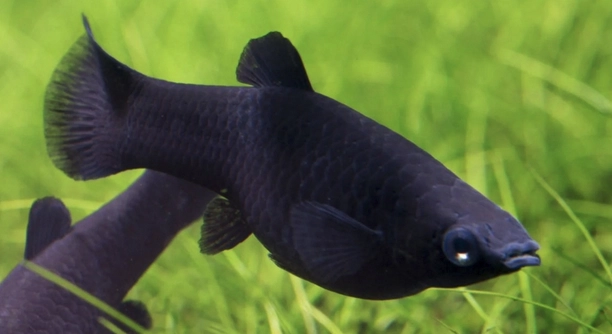
Black mollies are popular aquarium fish known for their striking black color and active behavior. Many aquarists notice these fish hiding more often than expected, which can be puzzling and a little concerning for their care routine.
Black mollies often hide due to environmental stress, poor water quality, overcrowding, or sudden changes in their habitat. Understanding the reasons behind this behavior allows owners to take practical steps to reduce stress and promote a healthier, more visible fish.
Recognizing the causes of hiding can help you create a more comfortable environment for your mollies and encourage their natural activity. Proper care makes a noticeable difference in their behavior and overall well-being.
Poor Water Quality
Poor water conditions are one of the main reasons black mollies hide. High ammonia, nitrite, or nitrate levels can irritate their gills and make them feel unsafe. Mollies are sensitive to sudden changes in pH and temperature, which can increase stress and reduce their activity. Cloudy water or leftover food particles can also contribute to an unhealthy environment. Regular testing of water parameters is essential to keep levels stable. Adding a water conditioner and performing partial water changes can help reduce toxins. Filtration plays a key role, but overfeeding or decaying plants can still impact water quality. Observing your fish daily can alert you to any behavioral changes early. Mollies tend to seek shelter when water conditions are poor, often hiding behind plants, decorations, or near the tank bottom. Improving water quality encourages them to swim more freely and display their natural behavior consistently.
Maintaining clean, stable water creates a healthier, more active environment for your mollies.
Keeping consistent filtration, regular water changes, and monitoring pH will ensure your fish remain healthy and comfortable.
Tank Overcrowding
Overcrowded tanks make mollies feel threatened and unsafe. When there are too many fish, hiding becomes a coping mechanism to avoid aggression. Space is essential for them to swim comfortably and establish their own territory. Overcrowding increases competition for food, oxygen, and hiding spots. This can lead to stress, weaker immune systems, and even illness if left unresolved. Mollies prefer a balanced ratio of fish per gallon, allowing each enough room to move freely. Adding plants and decorations can create additional hiding places, but it does not replace the need for proper space. Observing interactions between fish can indicate if the tank is too crowded. Aggressive behavior, chasing, or frequent hiding are signs that adjustments are needed. Reducing population or upgrading to a larger tank helps mollies feel secure. Providing a calm environment encourages them to explore the tank more openly and reduces overall stress levels.
A proper tank layout with enough space prevents constant hiding and promotes healthier interactions among fish.
Adjusting tank population and ensuring adequate swimming room will support your mollies’ well-being and reduce stress-induced hiding behavior.
Sudden Changes in Environment
Black mollies respond strongly to sudden changes in their surroundings. Moving decorations, changing water temperature, or introducing new fish can make them retreat. Stress from abrupt shifts is common and can trigger frequent hiding.
Sudden environmental changes disrupt their sense of safety. Even minor adjustments, like altering lighting or rearranging plants, can create stress. Mollies rely on familiar landmarks in the tank to feel secure. Without consistency, they often hide for extended periods, avoiding areas where changes occurred. Gradually introducing changes allows mollies to adjust without fear. Acclimating new fish slowly and keeping water conditions stable reduces stress. Observing how mollies respond helps determine which adjustments may be causing discomfort and informs corrective actions to restore their confidence and activity.
Keeping a consistent tank setup and slowly introducing modifications helps mollies feel safe. Consistency and patience encourage natural swimming behavior and reduce prolonged hiding.
Lack of Hiding Spots
Mollies need places to feel secure, and an absence of shelter can make them retreat constantly. Plants, rocks, and decorations serve as essential hiding spots.
Providing adequate shelter helps mollies feel protected and reduces stress. Natural and artificial hiding spaces create boundaries and territories, allowing each fish to feel in control. Without sufficient cover, mollies may feel exposed and vulnerable, leading to persistent hiding or nervous swimming. Dense plants and small caves encourage exploration while giving them privacy. Proper placement of hiding spots ensures all fish have access and prevents dominance by more aggressive tank mates. Even a few well-placed decorations can make a significant difference. Observing their usage of these areas helps identify if more shelter is needed to support comfort and reduce anxiety, promoting a calmer, more active tank environment.
Aggressive Tank Mates
Aggressive or territorial fish can cause black mollies to hide frequently. Constant chasing or nipping increases stress and makes them retreat to safer areas.
Separating aggressive species or providing additional hiding spots helps mollies feel more secure. Reducing conflict encourages calmer behavior and more visible activity in the tank.
Poor Diet
A lack of proper nutrition affects energy levels and overall health, leading mollies to hide more often. They require a balanced diet of high-quality flake, pellets, and occasional live or frozen foods. Supplementing with vegetables like spinach or zucchini supports growth and coloration. Feeding smaller portions multiple times a day prevents overeating and reduces waste in the tank. Malnourished fish often remain inactive, hiding instead of exploring their environment. Observing feeding behavior helps identify dietary issues early, allowing adjustments to prevent prolonged hiding and maintain vitality. A consistent and nutritious diet supports confident, active mollies.
Illness
Illness can cause black mollies to hide as a protective instinct. Sick fish may also show lethargy, clamped fins, or unusual spots.
Maintaining water quality, a proper diet, and observing behavior helps catch early signs of disease and prevent long-term stress.
FAQ
Why does my black molly hide all the time?
Black mollies hide primarily when they feel stressed, unsafe, or unwell. Factors such as poor water quality, aggressive tank mates, sudden changes in the tank, or lack of hiding spots can trigger this behavior. Mollies also hide when they are adjusting to a new environment or recovering from illness. Providing a stable, clean tank with sufficient hiding areas helps them feel secure and encourages more natural activity. Observing their daily behavior can help identify the specific reason for hiding and guide corrective actions.
How can I improve water conditions for my mollies?
Regular water changes, testing for ammonia, nitrites, and nitrates, and maintaining stable pH and temperature are essential. Using a quality filter and avoiding overfeeding prevents excess waste buildup. Adding live plants can help absorb nitrates and create a healthier environment. Gradual adjustments in temperature or tank setup reduce stress. Consistently monitoring water quality ensures mollies remain active and reduces hiding behavior. Small, routine maintenance steps make a significant difference in their comfort and overall health.
What types of hiding spots work best?
Dense live plants, rocks, caves, and artificial decorations provide effective shelter. Mollies prefer areas where they can retreat quickly if threatened. Multiple hiding spots prevent competition between tank mates and give each fish access to a safe area. Hiding spots should be spaced throughout the tank, ensuring coverage near the surface, midwater, and bottom. Overcrowding decorations can restrict swimming space, so balance is key. Observing how mollies use these areas helps determine if additional shelters are needed. Proper placement improves confidence and reduces stress-related hiding.
Can tank mates affect hiding behavior?
Yes, aggressive or territorial fish often trigger frequent hiding. Mollies feel threatened by chasing, nipping, or dominant behavior, which can cause stress and inactivity. Keeping peaceful species together or providing extra hiding spots mitigates conflict. Adjusting population density and observing interactions regularly ensures mollies have safe spaces. Choosing compatible species reduces constant stress, encouraging natural swimming patterns and exploration.
How do I know if hiding is due to illness?
Signs of illness include lethargy, clamped fins, faded coloration, labored breathing, or visible spots or sores. Mollies may hide more often when sick to protect themselves from potential threats. Regular observation and maintaining clean water help detect early symptoms. Prompt treatment and a proper diet support recovery. Isolating sick fish in a separate tank prevents spreading disease. Understanding normal behavior makes it easier to spot health issues before they worsen.
What role does diet play in hiding?
A poor diet reduces energy, making mollies more likely to hide. Feeding high-quality flakes, pellets, live or frozen foods, and occasional vegetables ensures proper nutrition. Small, frequent meals prevent overeating and reduce waste, keeping the tank clean. Proper nutrition supports growth, coloration, and activity, reducing stress-induced hiding. Observing eating habits can indicate if a molly is unhealthy or stressed. A balanced diet keeps fish active, confident, and more visible in the tank.
How can I reduce stress from environmental changes?
Introduce new decorations, tank mates, or water adjustments gradually. Sudden changes can scare mollies and increase hiding. Maintaining consistent temperature, lighting, and pH levels helps them feel secure. When introducing new fish, use a quarantine or divider system to prevent immediate stress. Gradual acclimation allows mollies to adjust at their own pace, reducing anxiety. Observing how they respond to small changes guides future adjustments, ensuring a calm and stable tank environment.
Is hiding normal behavior for black mollies?
Yes, occasional hiding is natural, especially when mollies feel threatened or need rest. However, constant hiding usually indicates stress, poor water quality, overcrowding, or illness. Providing adequate space, stable water conditions, a proper diet, and hiding spots helps mollies balance safety and activity. Consistent observation ensures that hiding behavior does not signal an ongoing problem. Proper care and environment support confident, healthy, and visible mollies.
How often should I check on my mollies?
Daily observation is best to monitor behavior, feeding, and health. Quick checks help identify hiding patterns, aggression, or signs of illness early. Keeping a consistent routine for feeding, water changes, and maintenance ensures a stable environment. Tracking minor changes can prevent stress from escalating and maintain a comfortable tank for your mollies.
What are the first steps if my molly is always hiding?
Start by testing water quality and examining tank setup. Ensure proper filtration, hiding spots, and compatible tank mates. Observe diet and feeding behavior, looking for signs of illness or malnutrition. Gradually adjust environmental factors rather than making sudden changes. Addressing these areas systematically helps mollies feel secure, reduces stress, and encourages normal activity levels.
Black mollies are sensitive fish that rely heavily on a stable and comfortable environment to feel safe. Their tendency to hide often signals that something in their surroundings needs attention. Whether it is water quality, tank mates, or the layout of their habitat, each factor can affect their behavior. Observing them closely is essential because subtle changes can indicate stress or discomfort. By monitoring water parameters such as temperature, pH, ammonia, nitrite, and nitrate levels, you can prevent many common issues. Regular maintenance, including partial water changes and cleaning the substrate, helps keep the tank healthy. Providing proper filtration and avoiding overfeeding are also important steps to ensure a clean and balanced environment. When the water is clean and stable, mollies are more likely to swim freely and display their natural behaviors, reducing the need to hide for long periods. Consistency in their care routine is key to minimizing stress and keeping them active.
Hiding behavior is also closely linked to the presence of tank mates and the physical environment. Aggressive or overly territorial fish can make black mollies feel threatened, leading them to retreat into corners or behind plants. In contrast, a peaceful community of fish encourages a calmer tank atmosphere. Ensuring adequate space for each fish is essential, as overcrowding can intensify stress and force mollies to hide more often. Providing multiple hiding spots, including dense plants, caves, and decorations, allows mollies to feel secure without feeling trapped. These shelters give them control over their surroundings, which reduces anxiety. Placement of hiding spots throughout the tank is important so every fish has access to a safe retreat. Observing their use of these areas helps determine if additional cover is needed. Over time, mollies will feel more confident exploring the tank once they recognize it as a safe and supportive environment.
Nutrition and overall health also play a critical role in the activity levels of black mollies. A poor diet can lead to low energy and increased hiding, while a balanced and varied diet keeps them active and vibrant. Feeding a combination of high-quality flakes or pellets, occasional live or frozen foods, and vegetables supports growth and coloration. Small, frequent meals prevent overeating and minimize waste in the tank, which in turn helps maintain water quality. Illness is another factor that can cause hiding, and early detection is crucial. Lethargy, faded coloration, clamped fins, or visible spots are signs that a fish may need treatment. Prompt attention to these issues, combined with proper care, encourages mollies to remain healthy and active. By focusing on water quality, tank environment, diet, and overall well-being, you can reduce hiding behavior and support confident, lively black mollies.

Hello,
If you enjoy the content that we create, please consider saying a "Thank You!" by leaving a tip.
Every little bit helps us continue crafting quality advice that supports the health, happiness, and well-being of pets around the world, for pets of all shapes, sizes, and species.
We really appreciate the kindness and support that you show us!