
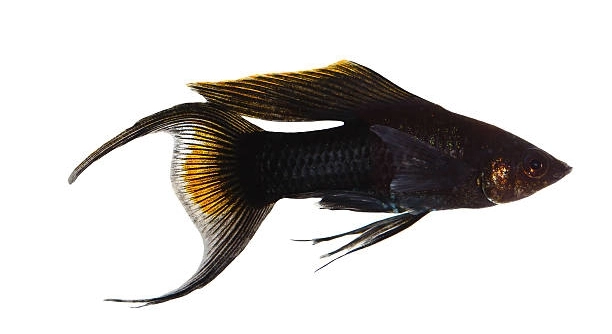
Do you ever notice your Black Molly acting unusually restless or hiding in the corners of the tank without any obvious reason? These small fish are sensitive to their surroundings and subtle changes in their environment can disturb them.
Black Mollies can be disturbed by sudden or loud noises, vibrations from tapping the tank, clattering of equipment, or even the sound of nearby conversations. Consistent exposure to these sounds can increase stress levels and affect their behavior and health.
Understanding which sounds trigger stress in Black Mollies can help maintain a calmer, healthier aquarium environment and improve their overall well-being and daily activity levels.
Loud Tapping on the Tank
Sudden tapping on the glass can startle Black Mollies. These fish have a strong sense of vibration and can interpret tapping as a threat. Even light knocks may cause them to hide or swim erratically. Over time, repeated tapping can increase their stress levels and affect their feeding habits. Many owners do not realize that placing their hands near the tank or adjusting decorations can produce small vibrations that disturb the fish. Observing the tank from a distance or making changes slowly can help the fish remain calm. Maintaining a peaceful environment is essential to support healthy behavior. Avoiding unnecessary disturbances allows Black Mollies to explore their habitat naturally and maintain regular activity. Subtle changes in noise or movement around the tank should always be monitored. Keeping the area quiet and predictable encourages the fish to swim freely and interact with their environment without fear, reducing stress-related behaviors and improving overall tank harmony.
Even gentle knocks on the tank can trigger stress. Black Mollies react strongly to vibrations and sudden movements near their habitat.
Managing tank vibrations requires consistent attention. Place the aquarium in a quiet area away from frequent noise sources. Ensure any equipment is stable and produces minimal vibration. Avoid tapping the glass when observing the fish. Monitor reactions when changes are made. Even small household noises, like a nearby door slamming, can affect sensitive fish. Reducing disturbances helps Black Mollies feel secure and promotes healthy swimming patterns. Regular observation is key to understanding which noises are tolerable and which cause anxiety. Gradually introducing minor adjustments helps the fish adapt without stress. Proper placement of decorations, equipment, and even the tank itself ensures that vibrations are absorbed or minimized. Black Mollies are more likely to exhibit natural behavior when their environment is calm, allowing them to feed, explore, and interact without fear. Consistent care and awareness of environmental sounds lead to a more balanced and healthy aquarium ecosystem.
Loud Conversations Nearby
Black Mollies can detect vibrations from human voices. Raised voices or repeated shouting near the tank may cause them to dart or hide.
Frequent loud talking near the aquarium can increase stress. Black Mollies are sensitive to continuous noise and may show signs of anxiety.
It is surprising how much Black Mollies respond to everyday household sounds. Conversations, television volume, or even music played loudly nearby can make these fish uneasy. They rely on calm surroundings to maintain normal behavior and health. If the environment is noisy, they may reduce feeding, remain near the tank bottom, or cling to hiding spots. Minimizing loud conversations and maintaining a consistent, peaceful atmosphere allows them to swim confidently and explore their space. Observing their responses to sound helps identify which noises are disruptive. Adjusting room activities, lowering volume levels, or moving the tank to a quieter location can significantly improve their comfort. Creating a stable, predictable environment benefits both the fish and the owner, encouraging natural interactions and a visually active aquarium. Careful attention to noise management is key to maintaining their well-being over time.
Sudden Loud Music
Loud music near the tank can startle Black Mollies. Strong bass or sudden volume changes make them dart or hide. Continuous exposure can increase stress and disrupt feeding habits.
Black Mollies are highly sensitive to vibrations. When loud music plays, the bass creates strong pulses in the water, making them feel threatened. They may cling to hiding spots, reduce swimming activity, or avoid open areas. Even short bursts of loud music can cause noticeable agitation. Fish rely on a calm environment to navigate, find food, and interact naturally. Keeping music at a low volume or in a separate room helps maintain their comfort. Consistency in noise levels is crucial to reducing stress and promoting healthy behavior.
Frequent exposure to loud music can gradually affect health. Stress hormones may rise, leading to reduced immunity and lower appetite. Black Mollies need a stable environment to thrive, and minimizing loud, sudden sounds ensures they maintain normal routines and show natural, active behavior.
Hammering or Construction Noise
Construction sounds from hammers or drills can disturb Black Mollies. Vibrations travel through walls and floors, making the fish anxious. They may hide, swim rapidly, or stay near the tank bottom to avoid perceived threats.
Even distant construction creates strong vibrations that Black Mollies detect easily. Continuous hammering or drilling can cause stress, affecting feeding patterns and overall behavior. Sensitive fish may reduce movement, avoid swimming in open areas, and show signs of anxiety. The tank’s location relative to the noise source plays a role in stress levels. Choosing a quieter spot or temporarily relocating the aquarium during intense construction periods helps minimize disruption. Monitoring fish responses allows owners to identify stressful situations and take proactive steps. Proper tank insulation and maintaining a calm environment can significantly reduce negative effects from external construction vibrations.
Repeated exposure to construction noise over days or weeks can impair health. Black Mollies may experience elevated stress, reduced feeding, and decreased immunity. Ensuring a stable, quiet environment allows fish to recover and maintain normal behavior. Predictable surroundings with minimal vibration encourage active swimming, feeding, and natural interaction within the tank. Regular observation is necessary to track stress indicators and implement strategies to protect the fish’s well-being during unavoidable noisy periods.
Vacuum Cleaner Noise
The sound of a vacuum cleaner can unsettle Black Mollies. The strong vibrations and sudden noise make them hide or swim frantically. Stress from repeated exposure can affect feeding and overall behavior.
Even moving the vacuum near the tank can trigger anxiety. Mollies sense vibrations through the water, so it is best to keep cleaning routines away from their habitat.
Clattering Dishes
Clattering dishes in the kitchen produce sudden loud sounds that reach the aquarium. Black Mollies may dart to hiding spots, reducing their swimming activity. Consistent loud noises can increase stress and disrupt normal feeding patterns. Observing reactions helps manage the environment and ensure the fish remain calm.
Slamming Doors
Slamming doors create sharp vibrations that travel through walls and floors. Black Mollies detect these vibrations and may react by hiding or swimming erratically, which can affect their daily behavior and stress levels.
TV or Speaker Bass
Strong bass from a television or speaker system can disturb Black Mollies. Vibrations in the tank make them feel threatened, causing them to hide or reduce activity. Keeping audio levels moderate or placing the tank farther from sound sources helps maintain a calm environment.
How do I know if my Black Molly is stressed by noise?
Signs of stress in Black Mollies include hiding frequently, swimming frantically, staying at the bottom of the tank, or avoiding food. They may also show duller colors or reduced interaction with other fish. Observing their behavior during and after exposure to noise helps identify triggers.
Can everyday household sounds really affect Black Mollies?
Yes, Black Mollies are highly sensitive to vibrations and sudden sounds. Household noises like vacuum cleaners, slamming doors, loud music, or clattering dishes can startle them. Even conversations or television volume may cause stress if repeated consistently. Their natural instincts make them reactive to any perceived threats.
What is the best way to protect my fish from noisy environments?
Placing the tank in a quiet area away from heavy foot traffic, appliances, or entertainment systems helps reduce stress. Consistency in noise levels is important. Using rugs, furniture, or tank stands to absorb vibrations also helps maintain a calm environment. Gradual changes are preferable to sudden disruptions.
Do all Black Mollies react the same to noise?
Not all fish respond in exactly the same way. Some may tolerate minor sounds, while others are more sensitive. Age, size, and individual temperament influence reactions. Observing each fish allows you to tailor the environment and identify specific noises that trigger stress.
How long does it take for fish to calm down after loud noise?
Recovery time varies depending on the intensity and duration of exposure. Short, mild disturbances may allow fish to resume normal behavior within minutes. Continuous or intense noise may take hours or even a day to fully recover. Providing hiding spots and maintaining calm surroundings accelerates recovery.
Are there equipment-related noises I should worry about?
Yes, pumps, filters, and air stones can produce vibrations or humming. While these are generally constant, placing equipment properly and securing it reduces unnecessary vibration. Regular maintenance prevents unexpected loud sounds, helping maintain a stable environment for the fish.
Can I use music or sound near my tank if I keep the volume low?
Low, steady sounds are usually tolerated, but sudden changes in volume or bass intensity can still startle fish. Observing their reactions and maintaining consistent, moderate sound levels ensures comfort while allowing you to enjoy music nearby.
Do hiding spots really help reduce stress?
Absolutely. Plants, rocks, or decorations give Black Mollies safe spaces to retreat during sudden noises. Providing multiple hiding spots allows fish to feel secure, encourages natural behavior, and reduces the impact of unavoidable disturbances.
Is it necessary to monitor noise constantly?
Monitoring is helpful, especially for sensitive fish. Keeping track of reactions to different sounds helps identify patterns and adjust the environment. This proactive approach prevents long-term stress and promotes healthier, more active fish.
Can stress from noise affect my Black Molly’s health long-term?
Yes, prolonged stress can weaken the immune system, reduce appetite, and slow growth. Consistently maintaining a calm environment, minimizing sudden noises, and providing safe spaces ensures long-term health and natural behavior in Black Mollies.
Black Mollies are sensitive fish that respond strongly to sounds and vibrations in their environment. Loud noises, sudden movements, and even low-level household sounds can cause stress, affecting their behavior and overall health. Understanding the types of sounds that disturb them is important for maintaining a calm and stable aquarium. By observing how your fish react to different noises, you can identify potential stressors and take steps to reduce them. Stress in Black Mollies can result in hiding, frantic swimming, or reduced appetite, all of which can impact their long-term well-being. Maintaining a quiet and predictable environment is essential to encourage normal activity and allow the fish to explore their space freely. Paying attention to how your Black Mollies behave during everyday activities helps create a peaceful habitat where they can thrive without unnecessary stress.
Providing a calm environment involves more than just controlling loud noises. Proper placement of the tank, stable equipment, and consistent daily routines all contribute to the overall comfort of your Black Mollies. Hiding spots, plants, and decorations give the fish secure areas to retreat when exposed to unavoidable sounds. Even small vibrations from tapping the tank or nearby footsteps can disturb sensitive fish, so taking measures to minimize these disturbances is important. Regular observation is key to ensuring that any changes in the environment, whether from noise, lighting, or equipment, do not negatively affect the fish. Reducing sudden disruptions and maintaining a consistent, quiet space promotes natural behavior, healthy feeding, and active swimming. By focusing on these details, you create an environment that supports both the physical and emotional well-being of your Black Mollies.
Ultimately, understanding the impact of sound on Black Mollies allows you to make informed decisions about tank placement, household activities, and daily care. Consistently minimizing loud or sudden noises helps prevent stress and ensures the fish can thrive. Paying attention to their behavior, offering safe hiding spaces, and controlling environmental vibrations creates a more harmonious aquarium. A stable, calm environment supports feeding, natural movement, and overall health, allowing Black Mollies to display their natural colors and behaviors. Maintaining awareness of potential stressors is an ongoing process, but the results are worthwhile, resulting in healthier, happier fish that can live comfortably in their aquatic home. By taking these steps, you ensure a balanced habitat where Black Mollies feel secure and can grow in a supportive environment.

Hello,
If you enjoy the content that we create, please consider saying a "Thank You!" by leaving a tip.
Every little bit helps us continue crafting quality advice that supports the health, happiness, and well-being of pets around the world, for pets of all shapes, sizes, and species.
We really appreciate the kindness and support that you show us!