
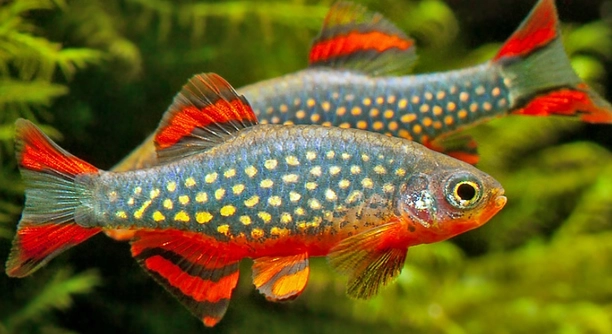
Danios are small, lively fish that brighten any aquarium. Feeding them seems simple, but even a short period of extra food can create problems. Many fish owners don’t realize how quickly overfeeding affects their tank environment.
Overfeeding danios for just seven minutes can lead to digestive stress, water contamination, and a higher risk of disease. Rapid intake of excessive food overwhelms their systems, reduces oxygen levels, and disrupts the balance of beneficial bacteria in the tank.
Learning the impact of brief overfeeding helps you care for danios better. The following guide explains why small mistakes can have lasting effects on their health.
How Overfeeding Affects Danios’ Digestion
Even a short period of overfeeding can upset a danio’s digestive system. Their small stomachs fill quickly, and extra food can sit uneaten, leading to bloating and constipation. This stress can make fish less active, causing them to swim sluggishly or hide more often. Over time, repeated overfeeding increases the risk of internal infections, as leftover food ferments in the gut. The digestive strain can also reduce nutrient absorption, meaning fish may not get the energy they need to grow or maintain vibrant colors. Tank debris from uneaten food adds another layer of risk, releasing ammonia that further irritates their systems. Monitoring portion sizes and feeding only what the fish can finish in a few minutes helps prevent these issues. Even seven minutes of extra feeding may seem harmless, but the cumulative impact can be serious for their health and behavior. Consistent attention to feeding routines protects danios from unnecessary digestive problems.
Avoiding extra bites keeps danios healthy and active, reducing stress on both fish and tank.
Careful feeding habits are crucial for long-term digestive health. Observing how much your danios eat, removing leftovers promptly, and maintaining a clean tank prevent common digestive issues. Small adjustments to portion size can make a noticeable difference, keeping their systems functioning well. Overfeeding not only affects digestion but also water quality, which directly impacts overall health. By staying consistent, you minimize risk and give your fish a better chance at vibrant, healthy lives, while maintaining a tank that’s easier to manage.
Water Quality Decline from Short Overfeeding
Even a brief period of overfeeding can degrade water quality quickly. Uneaten food breaks down, releasing toxins that stress danios and encourage algae growth.
Ammonia spikes from overfeeding reduce oxygen and harm beneficial bacteria. This imbalance can trigger disease and make the tank unsafe. Frequent water testing, partial water changes, and careful portion control are essential. When extra food is left to decay, it clouds the water and creates an unhealthy environment. Overfeeding can also increase nitrates and phosphates, promoting algae blooms that further disturb the ecosystem. Fish may gasp at the surface for oxygen, and delicate species like danios are particularly sensitive to these changes. Maintaining clean water is more than aesthetic—it directly affects their survival. Even a few minutes of feeding too much can begin this chain reaction. Regular observation of water clarity, combined with proper feeding, ensures the tank remains a healthy home. Preventing short-term overfeeding protects both water quality and the long-term well-being of danios, avoiding costly or stressful interventions later.
Behavioral Changes from Overfeeding
Danios can become less active after a short period of overfeeding. They may swim slower, hide more often, or show reduced interest in their environment.
Overfed danios often display lethargy because their digestive system is strained. Excess food in the tank also affects oxygen levels, making them less energetic. This behavior can persist if overfeeding continues, even in small amounts. Stress from bloating and poor water quality may make them more prone to illness, and their natural schooling patterns can be disrupted. Observing how your fish act after feeding helps identify problems early. Small, consistent portions keep their behavior normal and their energy levels stable.
Changes in behavior are closely tied to both digestion and tank conditions. Overfeeding for even seven minutes can trigger noticeable differences in movement and interaction among danios. Maintaining proper feeding routines reduces stress and encourages natural swimming habits, while keeping the tank cleaner and safer.
Long-Term Health Risks
Overfeeding increases the risk of serious health issues over time. Persistent bloating can damage internal organs and shorten life expectancy.
Excess food contributes to bacterial growth and parasites, which compromise immunity. Danios may develop fatty liver disease or swim bladder problems, limiting their mobility. Over time, repeated overfeeding weakens their overall health and makes recovery slower if illness occurs. Preventing these risks requires careful portion control and attention to feeding schedules, ensuring food is appropriate for their size. Even brief periods of extra feeding add up, gradually stressing their systems. Monitoring each meal and removing uneaten food protects long-term vitality.
Careful feeding habits not only prevent immediate digestive issues but also reduce the likelihood of chronic conditions. Overfed danios are more vulnerable to infections, poor growth, and organ strain, which can affect their entire lifespan. Maintaining clean water, observing their eating behavior, and adjusting portions helps sustain health, energy, and color. Consistency in feeding protects their bodies from avoidable stress and supports strong, active fish in your aquarium.
Immediate Effects on Swimming
Danios often swim slower after overfeeding. Their movements may appear sluggish, and they sometimes linger near the bottom of the tank.
Excess food can make them feel heavy and uncomfortable. Lethargy is common, and sudden bursts of energy may be less frequent until their systems stabilize.
Impact on Tank Cleanliness
Uneaten food quickly decomposes, creating debris and cloudiness. This affects filtration efficiency and encourages bacterial growth, which can harm danios if not addressed promptly.
Signs of Stress
Danios under stress from overfeeding may hide or show reduced interest in food. Their usual schooling patterns can break down, indicating discomfort.
FAQ
How much should I feed my danios per day?
Danios have small stomachs and should be fed small amounts that they can finish in about two to three minutes, once or twice a day. Overfeeding, even for a few minutes, can cause digestive stress and water issues. A pinch of flakes or pellets per fish is usually enough.
Can overfeeding cause disease in danios?
Yes. Extra food that sits uneaten promotes harmful bacteria and parasites in the tank. This can lead to infections, bloating, or swim bladder issues. Maintaining proper feeding amounts and removing leftovers quickly reduces the risk of disease.
How quickly does water quality decline from overfeeding?
Water can start to deteriorate within hours after overfeeding. Uneaten food decomposes, raising ammonia, nitrites, and nitrates. Oxygen levels drop, stressing the fish. Even a short period of extra feeding can trigger changes, so prompt cleanup and regular water testing are essential.
What behavioral changes indicate overfeeding?
Sluggish swimming, hiding, and reduced interest in schooling are common signs. Fish may also appear bloated or less active during usual feeding times. These behaviors show stress from excess food or poor water quality and should not be ignored.
Can overfeeding affect danios’ lifespan?
Yes. Chronic overfeeding can damage internal organs, weaken immunity, and increase the likelihood of disease. Even brief periods of overfeeding add up over time, gradually affecting health and shortening life expectancy if not corrected.
How can I prevent overfeeding?
Feed only what your danios can eat in a few minutes, monitor their behavior, and remove uneaten food immediately. Using a measured portion or a feeding tool helps control amounts. Consistency in portion size and timing keeps fish healthy and the tank clean.
Are there specific foods that are safer for frequent feeding?
High-quality flakes or small pellets that match their size are safest. Avoid foods that expand in water or sink too quickly, as uneaten pieces can easily rot. Fresh or frozen foods should be given sparingly, ensuring portions are appropriate for the tank population.
How do I know if my tank is affected by overfeeding?
Cloudy water, algae blooms, and sudden fish stress are clear signs. Test ammonia and nitrate levels regularly. Uneaten food on the substrate or floating on the surface signals overfeeding. Immediate partial water changes and careful feeding adjustments help restore balance.
Is seven minutes of overfeeding really harmful?
Yes. Danios have small digestive systems, and even seven minutes of extra feeding can overwhelm them. It can trigger bloating, behavioral changes, and water contamination. Small, controlled feedings prevent these problems and maintain their overall health and activity levels.
Can I fix the damage after overfeeding?
Yes, but it takes care and patience. Remove uneaten food, perform partial water changes, and monitor fish behavior. Reduce portion sizes in future feedings. In most cases, danios recover well if the overfeeding is caught early and water quality is restored promptly.
Should I change my feeding schedule after overfeeding?
Adjusting portions rather than frequency is usually sufficient. Stick to small, consistent amounts once or twice daily. Avoid extra treats until the tank stabilizes. Proper feeding routines prevent repeated stress and long-term health issues for your danios.
How does overfeeding affect young danios differently from adults?
Young fish are more sensitive because their digestive systems are smaller and less developed. Overfeeding can stunt growth, cause bloating, and increase mortality risk. Feeding tiny portions appropriate for their size and monitoring carefully is essential for healthy development.
Can tank size influence overfeeding effects?
Yes. Smaller tanks are more sensitive to extra food because water chemistry changes faster. Even minimal overfeeding can rapidly raise ammonia and nitrite levels. Large tanks can buffer small mistakes, but careful feeding is always recommended regardless of tank size.
What are the long-term consequences of repeated overfeeding?
Chronic overfeeding weakens immunity, damages organs, encourages disease, and reduces lifespan. Tanks also become harder to maintain due to persistent water quality issues. Preventing overfeeding ensures healthier, more active fish and reduces maintenance stress for the aquarium owner.
How do I balance feeding treats and avoiding overfeeding?
Offer treats sparingly and reduce regular feedings slightly to compensate. Measure amounts carefully, and choose items that are quick to eat. Keeping track of total food intake helps avoid accidental overfeeding and supports stable water quality.
How fast should uneaten food be removed?
Immediately after a few minutes. Even small amounts left to sit can break down, releasing toxins and stressing fish. Prompt removal helps maintain water quality, prevents algae growth, and protects danios’ digestive health.
Can overfeeding affect tank plants?
Yes. Excess food decomposes, raising nutrient levels that can encourage algae growth, which competes with plants for light and nutrients. Consistent feeding control helps keep both fish and plants healthy, maintaining a balanced aquarium environment.
Are all danios equally sensitive to overfeeding?
Most danios are similarly sensitive, though smaller or younger fish are particularly vulnerable. Individual tolerance can vary slightly, but controlled portions are necessary for all types to prevent digestive stress, behavioral changes, and water contamination.
How can I monitor danios’ health after overfeeding?
Watch swimming patterns, appetite, and interactions. Check for bloating or lethargy and test water regularly. Early detection of stress or water issues allows quick correction, helping fish recover and preventing long-term damage.
What tools can help manage feeding?
Small measuring spoons, feeding rings, or pre-portioned flakes help control portions. Timed feeding devices can prevent accidental extra feedings, ensuring consistent amounts and reducing the risk of overfeeding-related problems.
How often should I test water after overfeeding?
Daily testing is recommended immediately after overfeeding incidents. Monitor ammonia, nitrites, nitrates, and oxygen levels. Once the tank stabilizes, regular weekly testing is sufficient to maintain a safe environment for danios.
Can overfeeding stress lead to aggression?
Yes. Stressed danios may compete more aggressively for food, leading to nipping or chasing. Maintaining proper feeding amounts and removing uneaten food prevents tension and ensures all fish remain healthy and active.
Is it better to feed small amounts more frequently or larger portions less often?
Small, controlled portions more frequently are best. This prevents digestive overload and reduces waste in the tank. Larger portions increase the risk of uneaten food, water contamination, and stress on danios’ digestive systems.
What should I do if my danios show signs of overfeeding?
Remove leftover food immediately, perform a partial water change, and reduce future feeding amounts. Observe their behavior over the next few days, ensuring normal activity and appetite return. Consistent monitoring prevents repeated stress and supports long-term health.
Can dietary supplements help if danios are overfed?
Supplements are not a fix for overfeeding. Focus on proper portion control, balanced nutrition, and water quality. Occasional supplements can support health but cannot undo digestive stress or water contamination caused by excess feeding.
How long does it take for a tank to recover from a short overfeeding episode?
Recovery can begin within a few hours with immediate food removal and partial water changes. Full stabilization may take a day or two, depending on tank size and filtration efficiency. Monitoring water quality and fish behavior ensures complete recovery.
Does water temperature affect overfeeding risks?
Yes. Warmer water speeds up decomposition and bacterial growth, increasing the effects of overfeeding. In colder water, digestion slows, but leftover food still harms water quality. Temperature awareness helps manage feeding and maintain a healthy environment.
Are certain types of danios more prone to overfeeding issues?
Smaller species and younger fish are most vulnerable. Adult danios handle short overfeeding better, but all types can experience stress if extra food accumulates. Consistent, measured feeding is essential for all danios regardless of size or age.
What is the best long-term strategy to avoid overfeeding?
Feed measured amounts, observe eating habits, remove leftovers quickly, and monitor water quality. Adjust portions as fish grow or as tank conditions change. Consistency prevents digestive stress, behavioral issues, and water contamination, keeping danios healthy and active for years.
Overfeeding danios, even for a few minutes, can have a significant impact on their health and the condition of the aquarium. These small fish have delicate digestive systems that can easily be overwhelmed by too much food at once. When they eat more than they can process, it often leads to bloating, constipation, and digestive stress. Over time, repeated episodes of overfeeding can damage their internal organs and weaken their immune systems, making them more prone to disease. While it may seem harmless to toss a little extra food into the tank, even short periods of overfeeding can create serious long-term problems. Paying close attention to portion sizes and ensuring that the fish eat only what they can finish in a few minutes is essential for keeping danios healthy. Small, consistent feedings prevent digestive issues and support their natural activity levels, allowing them to swim freely and maintain normal behavior patterns.
Water quality is another important factor that is directly affected by overfeeding. Leftover food that sinks to the bottom or floats on the surface begins to decompose quickly, releasing ammonia, nitrites, and nitrates into the water. These substances are harmful to danios, reducing oxygen levels and creating an environment where harmful bacteria and algae can thrive. Even a short episode of overfeeding can start this process, leading to cloudy water, algae blooms, and stressed fish. Maintaining clean water through regular monitoring and partial water changes is crucial, especially if overfeeding occurs. Removing uneaten food promptly and adjusting feeding routines help stabilize water chemistry, ensuring that the tank remains a safe and healthy home for the fish. This approach also prevents problems from accumulating over time, which can become more difficult to manage and potentially endanger the fish.
Behavioral changes are often the first signs that overfeeding has affected danios. They may become sluggish, hide more often, or show reduced interest in their surroundings. Schooling patterns can break down, and fish may swim less energetically than usual. These changes indicate stress and discomfort, which can be directly linked to both digestive overload and declining water quality. By carefully observing how your fish behave after each feeding, you can catch issues early and make the necessary adjustments to their diet. Consistent, measured feeding not only keeps them healthy physically but also encourages normal activity and interaction in the tank. Over time, establishing proper feeding habits benefits both the fish and the aquarium, creating a balanced, thriving environment where danios can live longer, healthier, and more active lives.

Hello,
If you enjoy the content that we create, please consider saying a "Thank You!" by leaving a tip.
Every little bit helps us continue crafting quality advice that supports the health, happiness, and well-being of pets around the world, for pets of all shapes, sizes, and species.
We really appreciate the kindness and support that you show us!