
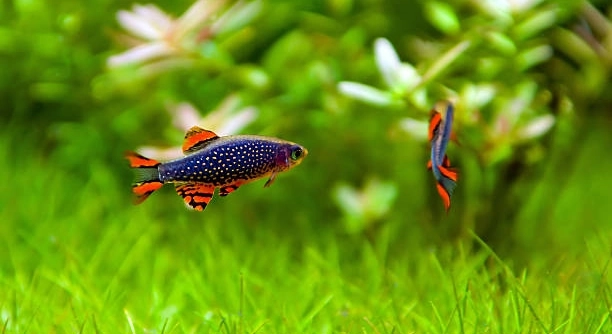
Danios are small, lively fish that brighten up any aquarium with their vibrant colors. Many aquarists enjoy watching their patterns and shades, but over time, these colors can start to fade if care is not consistent and attentive.
Maintaining danio coloration requires proper diet, optimal water conditions, and regular tank maintenance. High-quality food rich in natural pigments, stable water parameters, and minimal stress are essential for preserving the fish’s natural vibrancy and preventing color loss.
Even small changes in their environment can affect their hues. Implementing the right strategies ensures your danios stay colorful and healthy for years to come.
Feed a Balanced, Color-Enhancing Diet
Feeding danios a balanced diet is one of the most effective ways to maintain their vibrant colors. Foods that are high in natural pigments, such as spirulina, krill, and carotenoids, help intensify reds, oranges, and yellows. It’s important to offer a mix of flake foods, frozen options, and live foods to ensure proper nutrition. Overfeeding or relying solely on one type of food can lead to dull colors and health issues. I personally found that rotating between high-quality flakes and small portions of live brine shrimp keeps my danios lively and bright. Providing a variety of nutrients not only supports their coloration but also strengthens their immune system. Consistent feeding routines, without skipping meals or overloading the tank, are essential. Watching them swim with clear, radiant colors is satisfying and reassuring that they are healthy. Small changes in diet can make a noticeable difference over a few weeks.
A diet rich in natural pigments directly improves color intensity and overall vitality. Consistency is key for long-term results.
Regularly changing and diversifying foods prevents nutritional gaps. Observing the fish helps you adjust quantities and types for optimal health and brightness.
Maintain Stable Water Conditions
Water quality significantly impacts danio coloration. Fluctuations in temperature, pH, or ammonia levels stress the fish and can dull their colors. Keeping water clean through weekly partial changes and monitoring parameters with reliable test kits ensures a healthy environment. Avoid overcrowding, as this increases waste and aggression, further affecting vibrancy. In my tank, keeping temperature between 72–78°F and pH around 6.8–7.5 has kept colors strong for years. Stability matters more than perfection; small daily adjustments prevent larger swings that harm the fish. Using gentle filtration prevents strong currents that can stress danios. Observing their behavior alongside water readings allows early detection of issues. Adding live plants helps reduce nitrate buildup while providing hiding spots, which lowers stress and enhances coloration naturally. Over time, a stable, clean environment consistently supports their brightest hues, and it also promotes healthier, more active swimming habits. Maintaining this balance is straightforward but requires attention and commitment.
Keeping water stable and clean encourages natural vibrancy. Monitor levels and adjust when needed.
Provide Adequate Lighting
Proper lighting enhances danio colors by supporting their natural pigments. Too little light makes colors fade, while too much can stress them. Using a moderate aquarium light for about 8–10 hours daily keeps their hues vibrant.
I keep my tank on a timer to maintain consistent light cycles. This prevents sudden changes that can unsettle the fish. LED lights with a full spectrum work best, as they bring out reds and blues naturally. Avoid placing the aquarium in direct sunlight, which can cause algae growth and uneven lighting. Observing the fish under proper light reveals brighter stripes and spots. Even subtle changes in light intensity can affect their appearance, so adjusting gradually is key. I’ve noticed that consistent lighting over several weeks noticeably improves their color depth. Balancing light with other care factors ensures a healthier, more vibrant tank overall.
Lighting also influences their behavior, making them more active and responsive. Bright, stable lighting helps maintain long-term coloration.
Minimize Stress in the Tank
Stress directly affects danio colors and health. Overcrowding, sudden temperature shifts, or aggressive tankmates can cause them to lose their brightness. Keeping a calm environment is essential.
I’ve found that arranging hiding spots with plants and decorations reduces stress and helps danios feel secure. Watching them explore at their own pace keeps their colors sharp. Avoid sudden movements or loud noises near the aquarium, as these can trigger stress responses. Regular maintenance, like careful water changes, also reduces environmental stress. Even small additions like gentle filtration or floating plants can create a calmer space. A stable routine, where feeding, cleaning, and lighting happen consistently, has a noticeable effect on both behavior and color. Danios respond quickly to peaceful conditions, and their natural vibrancy returns within days when stress is minimized. By paying attention to these subtle factors, the tank becomes a healthier and more visually appealing home.
Avoid Overcrowding
Overcrowding reduces water quality and increases stress, which dulls danio colors. Keeping a proper fish-to-tank ratio ensures enough space for swimming and reduces aggression.
I maintain a moderate number of danios per gallon and add other species carefully. A spacious tank keeps colors bright and fish healthy.
Use Live Plants
Live plants improve water quality by absorbing nitrates and providing shelter. They reduce stress and create natural hiding spots, which supports color retention. They also give the tank a natural look that complements danios’ vibrant hues.
Perform Regular Water Changes
Consistent water changes prevent the buildup of harmful chemicals and waste. Cleaner water helps danios maintain their natural colors and overall health.
How often should I feed my danios to maintain their color?
Feeding danios once or twice a day in small amounts is usually enough. Overfeeding can lead to poor water quality and dull colors. I prefer giving small portions of high-quality flake food in the morning and frozen or live food in the evening. Watching how quickly they finish each meal helps me adjust amounts. Feeding consistently keeps their metabolism steady and supports pigment development. Rotating foods every few days ensures they get the nutrients necessary for strong coloration. Balanced nutrition over time is more effective than sporadic feeding.
Can lighting really affect my danios’ colors?
Yes, lighting has a big impact on color. Too little light can make the vibrant stripes fade, while too much causes stress. I use a moderate LED light on a timer for about 8–10 hours daily. Full-spectrum lights work best because they enhance natural reds, blues, and yellows. I also avoid placing the tank in direct sunlight, which can encourage algae growth and uneven lighting. Consistency matters more than brightness. Over a few weeks, proper light cycles noticeably improve coloration and activity levels.
Do tankmates influence danio coloration?
Aggressive or overly active tankmates can stress danios, causing them to lose color. I make sure my danios share space with peaceful species. Avoiding fin-nipping fish or overcrowding the tank keeps stress low. Even small interactions, like chasing or bullying, affect pigment retention. Observing behavior daily allows me to separate or rearrange fish if needed. Stress-free tanks support natural coloration better than any supplement or diet alone.
How important is water quality for keeping colors vibrant?
Water quality is critical. High ammonia, nitrite, or nitrate levels stress fish and dull colors. I perform weekly water tests and partial changes to maintain stable conditions. A filter appropriate for the tank size, combined with live plants, helps reduce waste. Temperature and pH stability also matter. Even small fluctuations can make danios lose brightness quickly. Maintaining clean, consistent water allows pigments to remain visible and supports overall health.
Will stress really make my danios’ colors fade?
Yes, stress directly impacts color. Overcrowding, sudden temperature changes, aggressive tankmates, or loud disturbances can cause fading. I create hiding spots with plants and decorations to reduce stress. Gentle water changes, steady light cycles, and predictable routines help them feel secure. When stress is reduced, vibrant colors return in days.
Do supplements help maintain danio coloration?
Supplements like carotenoid-enriched foods can enhance colors, but they are not a replacement for proper care. I use them occasionally alongside a balanced diet. Natural pigments from high-quality flakes, live, and frozen foods are most effective. Overuse of supplements can be harmful, so moderation is key. Supplements work best when combined with clean water, low stress, and proper lighting.
How can I tell if my danios are losing color due to illness?
If fading is accompanied by lethargy, clamped fins, loss of appetite, or unusual swimming patterns, illness may be the cause. I check water parameters immediately and isolate affected fish if needed. Treating infections early helps restore health and natural pigmentation. Keeping the tank clean and maintaining routine checks prevents most issues.
Is tank size important for color retention?
Yes, tank size affects stress and activity levels. Crowded conditions make danios hide more, dulling their colors. I keep a minimum of 10 gallons for a small group, allowing enough space to swim freely. A spacious tank reduces aggression and promotes natural behavior, which directly impacts pigment visibility. Proper decoration and plant placement also contribute to a healthy, colorful environment.
How long does it take to see color improvements after changes?
When diet, lighting, or water quality is improved, noticeable color changes often appear within 2–4 weeks. I monitor the fish weekly and make adjustments gradually. Immediate improvements are rare, but consistent care pays off. Patience and observation are essential for maintaining long-term vibrancy.
Are live plants really better than artificial ones for color maintenance?
Live plants improve water quality and provide hiding spots, reducing stress. I prefer live plants because they absorb nitrates, help stabilize water, and create a natural environment. Artificial plants do not offer the same benefits and may even trap debris, affecting water quality. Healthy, calm fish display more vivid colors naturally.
Can seasonal changes affect my danios’ colors?
Yes, changes in temperature or light during seasonal shifts can cause temporary fading. I adjust room temperature or use heaters to maintain consistency. I also ensure the lighting schedule remains stable, preventing stress. Seasonal variations are normal, but maintaining consistent conditions reduces color fluctuations and keeps the fish vibrant year-round.
How important is observing fish behavior for color maintenance?
Very important. Healthy, active danios with normal swimming and feeding patterns usually maintain brighter colors. I watch daily for signs of stress, illness, or aggression. Behavior often signals issues before colors fade noticeably, allowing me to intervene early. Observation combined with proper diet, water quality, and lighting ensures long-lasting color retention.
Do water additives or conditioners affect coloration?
Some water conditioners and minerals support overall health but rarely enhance color directly. I use only trusted products that remove chlorine and chloramine while maintaining safe pH. Overuse or incorrect dosing can harm the fish and dull their colors. Balanced water chemistry is more effective than color-specific additives alone.
Is it normal for danio colors to change as they age?
Yes, danios naturally become slightly less vibrant with age, but proper care slows this process. I maintain consistent nutrition, clean water, and minimal stress to preserve brightness. Aging fish may show subtle fading, but attentive care ensures they remain lively and colorful for years.
Caring for danios so they maintain their bright colors takes attention and consistency. Their natural vibrancy depends on several key factors, including diet, water quality, lighting, and stress levels. Providing a balanced diet with foods rich in natural pigments supports their color from the inside out. Rotating flake foods, live options, and frozen foods ensures they receive the right nutrients. Overfeeding or relying on a single food type can lead to dull colors and health problems. I have noticed that even small changes in diet can show results within a few weeks. The goal is to provide steady nutrition over time rather than quick fixes, because healthy, well-fed fish show their colors naturally and maintain them consistently.
Water quality is another crucial aspect that directly affects danio coloration. Poor water conditions, sudden temperature changes, or high levels of ammonia and nitrates create stress that dulls colors. Regular water testing, partial water changes, and proper filtration are necessary to keep the environment stable. Live plants can also help by reducing excess nutrients and giving the fish places to hide, which reduces stress. Keeping the tank at a stable temperature and pH range allows the fish to feel secure and healthy. I have found that a calm and consistent environment makes a significant difference in how vibrant my danios look. Stress-free fish are not only more colorful but also more active, showing off their natural behaviors and patterns more clearly.
Other elements such as lighting, tank size, and compatible tankmates also play a role in color maintenance. Proper lighting highlights natural pigments and supports their activity patterns. Overcrowding and aggressive tankmates can cause stress, making colors fade. Observing the fish daily and adjusting the environment as needed ensures that they remain healthy and visually appealing. Even the smallest details, like creating hiding spots or arranging decorations, contribute to a calm and colorful tank. Maintaining these conditions requires patience and attention, but the result is a lively aquarium where danios show their brightest colors. With consistent care, proper nutrition, stable water, and minimal stress, their vibrant appearance can be enjoyed for years, making the aquarium not just a decoration but a healthy home.

Hello,
If you enjoy the content that we create, please consider saying a "Thank You!" by leaving a tip.
Every little bit helps us continue crafting quality advice that supports the health, happiness, and well-being of pets around the world, for pets of all shapes, sizes, and species.
We really appreciate the kindness and support that you show us!