
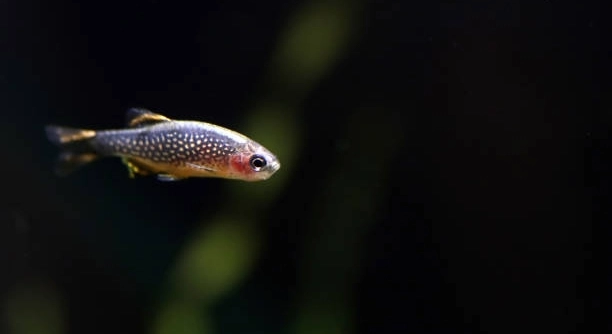
Celestial Pearl Danios are small, colorful freshwater fish admired for their peaceful nature and sparkling appearance. Their subtle movements and charming patterns make them a favorite among home aquarists looking for a lively addition.
These fish exhibit natural behaviors such as schooling, foraging near the substrate, resting among plants, exploring new areas, displaying territorial gestures within small groups, reacting to light changes, and engaging in playful interactions with tank mates. Understanding these patterns ensures proper care.
Observing their natural habits helps create a harmonious tank environment and ensures their health and happiness for years to come.
Schooling Behavior
Celestial Pearl Danios naturally move in groups, which offers them safety and comfort. Watching them swim together is calming, as their synchronized movements reflect a strong instinct to stay close. In a properly set tank, you’ll notice they rarely wander alone. Their schooling helps reduce stress and prevents aggression, as the presence of companions creates a sense of security. Young fish often learn the pattern from older ones, quickly adopting the rhythm of group swimming. Providing space and hiding spots enhances this behavior, allowing them to weave in and out of plants freely. Their small size and shimmering scales make the group movement visually appealing, adding a peaceful dynamic to the aquarium. Maintaining a consistent environment with gentle water flow encourages more natural schooling and reduces erratic movements. Observation over time shows subtle differences in how individuals align with the group, often indicating health or mood changes.
Schooling is essential for their mental health and helps them feel safe within the tank.
A tank with multiple plants and open swimming areas allows these danios to exhibit full schooling behavior. Regular observation ensures the group stays cohesive, and any isolated fish can be gently guided back, preventing stress or injury. Their synchronized swimming is not just aesthetic but a crucial survival instinct that supports their overall well-being.
Foraging and Feeding Habits
These fish spend much of their time searching the substrate for small food particles.
Celestial Pearl Danios are active foragers, constantly moving around the bottom and mid-levels of the tank. They pick at leftover flakes, micro worms, and small pellets, ensuring minimal waste. Their foraging keeps them engaged and helps maintain water cleanliness by consuming stray food particles. A varied diet supports their vibrant colors and natural activity.
To encourage natural foraging, scatter small amounts of food in different areas rather than feeding in one spot. Observing their pattern helps identify picky eaters or signs of illness. In planted tanks, they often sift gently around roots, interacting with plants without causing damage. Feeding small, frequent portions mirrors their behavior in natural habitats, reducing stress and encouraging movement. Over time, you’ll notice subtle preferences for certain areas or types of food, which can guide feeding routines. Understanding and supporting these habits promotes their health and ensures the aquarium remains lively and visually balanced.
Resting Among Plants
Celestial Pearl Danios often pause and rest within dense plants or near decorations. These areas offer shelter and reduce stress.
Dense plants provide security, allowing the fish to retreat when they feel threatened or need a break from constant movement. Resting among leaves helps them conserve energy while staying alert to surroundings. Small fish particularly benefit from hiding spots as it mimics natural habitats. Observing their rest patterns can indicate comfort and overall health. Plants should be arranged to offer both cover and open swimming space, balancing safety with natural movement. Providing a mix of tall and low-growing plants encourages natural resting behavior while enhancing the tank’s aesthetics.
Their choice of resting spots varies, with some preferring lower regions while others linger near mid-level foliage. Proper lighting, gentle water flow, and minimal disturbances help maintain this natural behavior. Over time, they develop favorite areas, which can indicate their comfort level and tank balance. Watching them navigate these spaces offers insight into their personalities and interactions with tank mates.
Exploring New Areas
Celestial Pearl Danios are curious and will explore every corner of their tank, including new decorations or rearrangements.
Exploration is a key part of their behavior, encouraging physical activity and mental stimulation. They often swim through caves, around plants, and across the substrate to investigate changes. This instinct helps them adapt to new environments and prevents boredom. Providing a variety of hiding spots, tunnels, and open swimming areas supports this natural tendency. Observing how they navigate the tank can reveal individual personalities, with some more adventurous than others. Regular rearrangements, within moderation, can encourage continued exploration while maintaining a safe environment.
Exploring new areas also strengthens social bonds within the group. When one fish investigates, others often follow, reinforcing schooling behavior and reducing anxiety. Ensuring the tank layout allows free movement while offering diverse textures, levels, and visual stimulation helps the danios remain active and healthy. Their curiosity combined with caution creates a lively, engaging tank atmosphere that reflects their natural instincts.
Territorial Gestures
Celestial Pearl Danios may show subtle territorial behavior, especially in smaller groups. They mark areas around plants or decorations without being aggressive.
These gestures help establish boundaries within the tank. A gentle chase or display is usually enough to communicate space needs. Observing these interactions ensures peaceful coexistence and prevents stress among the fish.
Reaction to Light Changes
These fish respond noticeably to shifts in lighting. Bright lights may make them more cautious, while dim lighting encourages natural activity and exploration. Maintaining a consistent light cycle supports their health and keeps behavior predictable, reducing stress in the aquarium environment.
Playful Interactions
Celestial Pearl Danios engage in playful swimming and chasing patterns. This activity strengthens social bonds and provides mental stimulation. Regular observation of these behaviors indicates a healthy, comfortable tank environment. Playful interactions are a sign of contentment and proper social balance among the group.
Subtle Social Hierarchy
Within a group, minor hierarchies naturally form. Dominant fish may lead swimming paths or access preferred spots first, while others follow. These hierarchies are not aggressive but help maintain order and reduce conflicts in shared spaces, contributing to a balanced and harmonious tank community.
FAQ
What tank size is suitable for Celestial Pearl Danios?
A minimum of 10 gallons is recommended for a small group of Celestial Pearl Danios. They are small, active fish, but they need enough space to swim freely. More space helps maintain water quality and allows for proper schooling behavior, reducing stress and promoting healthy activity.
How many Celestial Pearl Danios should I keep together?
These fish thrive in groups of at least six. Smaller groups may lead to shy or stressed fish. Keeping a group ensures natural schooling behavior, social interaction, and reduces aggressive tendencies. Larger groups enhance visual appeal and overall activity in the tank, making them more comfortable.
What is their ideal water temperature?
Celestial Pearl Danios prefer temperatures between 72°F and 78°F. Stable temperatures are important, as sudden changes can stress them. Using a reliable heater and monitoring the tank regularly helps maintain consistency. Temperature also influences feeding behavior and general activity levels.
What type of substrate is best for them?
A soft, sandy, or fine-gravel substrate is ideal. It allows natural foraging and prevents injury to their delicate fins. Plants and decorations anchored in the substrate provide hiding spots and encourage natural behavior. Avoid rough or sharp materials that may damage them.
How often should I feed them?
Feed small amounts two to three times daily. They eat tiny flakes, micro-pellets, or live foods like brine shrimp. Overfeeding can pollute water, so observe how much they consume in a few minutes. A varied diet supports vibrant coloration and natural activity levels.
Do they require a heavily planted tank?
While not strictly necessary, dense planting enhances their comfort and allows natural behaviors like resting and hiding. Plants also improve water quality and mimic their natural habitat. Include both tall and low-growing plants to create safe spaces and open swimming areas.
Can they live with other fish species?
Yes, they are peaceful and do well with similarly small, non-aggressive fish. Avoid large or aggressive species that may harass them. Tank mates should respect the danios’ space and not compete excessively for food, allowing both species to thrive.
How do I know if a fish is stressed?
Signs include hiding excessively, reduced activity, loss of color, or refusal to eat. Stress may result from poor water quality, overcrowding, or incompatible tank mates. Monitoring behavior daily helps catch issues early, allowing adjustments to improve the tank environment.
Do they breed easily in captivity?
They can breed in well-maintained tanks with dense plants or spawning mops. Provide slightly warmer water and high-quality live foods to encourage spawning. Eggs are sticky and need protection from adults, as they may be eaten. Observing breeding behavior can be rewarding and educational.
What is the average lifespan of Celestial Pearl Danios?
With proper care, they live around 3 to 5 years. Maintaining stable water conditions, a balanced diet, and a peaceful tank environment helps maximize lifespan. Regular observation of behavior and health ensures they remain active and vibrant throughout their life.
Are they prone to specific diseases?
They are generally hardy but can be susceptible to common freshwater illnesses like ich or fin rot. Stress, poor water quality, or overcrowding increases risk. Quarantine new fish and maintain a clean, stable environment to minimize health problems and promote longevity.
How do I encourage natural behavior in my tank?
Provide plants, hiding spots, and open swimming areas. Maintain consistent lighting, stable water parameters, and regular feeding routines. Observing their schooling, foraging, and playful interactions indicates they are comfortable and exhibiting natural behaviors.
Can they tolerate variations in water hardness or pH?
They prefer slightly soft to moderately hard water with a neutral pH around 6.5 to 7.5. Moderate variations are usually tolerated, but sudden shifts can stress them. Regular testing and gentle adjustments help maintain a stable environment that supports health and behavior.
Is it necessary to use a filter in their tank?
Yes, a gentle filter maintains water quality and removes waste. Avoid strong currents, as they prefer calm to moderate flow. A filter helps prevent buildup of toxins, keeps the water oxygenated, and supports a healthy tank ecosystem.
Do they interact with humans or recognize feeding routines?
While shy, they often learn to associate feeding times with human presence. They may swim closer during feeding but remain cautious. Consistent routines help them feel secure, and observing them during meals can be an enjoyable part of tank management.
What plants and decorations are best for them?
Soft-leaved plants like Java fern, Anubias, or mosses provide resting spots without damage. Smooth decorations, caves, or driftwood create hiding places and exploration areas. Avoid sharp or rough items to prevent fin injury. A mix of open spaces and covered areas promotes natural behavior.
How can I tell if my group is harmonious?
A harmonious group exhibits schooling, playful chasing, and minimal aggression. Fish move together, share feeding areas, and use hiding spots without constant disputes. Monitoring interactions helps ensure all fish are comfortable and that the social structure remains balanced.
Are there seasonal behaviors I should expect?
In stable indoor tanks, seasonal changes are minimal. However, slight adjustments in temperature or lighting can influence activity, feeding, and spawning behavior. Maintaining a consistent environment reduces stress and ensures predictable, natural patterns throughout the year.
How often should I clean their tank?
Partial water changes of 20-30% weekly or biweekly help maintain water quality. Remove uneaten food and debris regularly. Cleaning decorations and plants carefully prevents stress while keeping the environment healthy. Consistent maintenance is key to supporting long-term health and activity.
Can they adapt to new tank setups easily?
They generally adapt well if introduced gradually and provided with hiding spaces. Sudden changes in layout or water conditions may cause stress. Observing their behavior during adjustment helps ensure they settle comfortably into the new environment.
Celestial Pearl Danios are small, lively fish that bring both beauty and activity to a home aquarium. Their shimmering colors and delicate movements make them appealing to anyone who enjoys observing fish. These danios are not demanding in care but do require attention to water quality, tank layout, and social balance. Maintaining stable conditions is essential for their health, as they thrive in a consistent environment that mimics their natural habitat. Providing plants, hiding spots, and open swimming areas allows them to show their natural behaviors, such as schooling, exploring, and resting. Watching these patterns over time can be rewarding, as it reflects their comfort and well-being in the tank. Even simple changes, like adding a new plant or gently rearranging decorations, can provide stimulation and encourage activity, supporting both physical and mental health.
Their social behavior is another important factor to consider. Celestial Pearl Danios do best in groups, which allows them to exhibit natural schooling behaviors. A cohesive group reduces stress, prevents loneliness, and encourages playful interactions, which are signs of contentment. Observing how they interact can give insight into the group dynamic, helping to identify dominant or shy individuals. These interactions are generally subtle, consisting of gentle chasing, shared resting spots, and synchronized swimming. Understanding these behaviors can help ensure that all fish in the tank feel safe and secure. Choosing compatible tank mates is also crucial, as peaceful species complement the danios’ temperament and avoid unnecessary conflict. By paying attention to these details, you can create a balanced environment where each fish can thrive.
Consistent care, observation, and attention to detail are key to keeping Celestial Pearl Danios healthy and happy. Their diet, lighting, and water parameters should be maintained carefully to support both coloration and energy levels. Regular feeding routines, along with a varied diet, help maintain natural activity and foraging behaviors. At the same time, monitoring for signs of stress, illness, or behavioral changes ensures timely interventions if issues arise. While they are hardy fish, they respond best to a stable, enriched environment that allows natural behavior to flourish. Over time, keeping Celestial Pearl Danios becomes a rewarding experience, as their vibrant presence and dynamic interactions bring life to the aquarium. A well-maintained tank not only supports their physical health but also enhances the overall visual appeal, providing a sense of harmony and balance that reflects thoughtful care.

Hello,
If you enjoy the content that we create, please consider saying a "Thank You!" by leaving a tip.
Every little bit helps us continue crafting quality advice that supports the health, happiness, and well-being of pets around the world, for pets of all shapes, sizes, and species.
We really appreciate the kindness and support that you show us!