
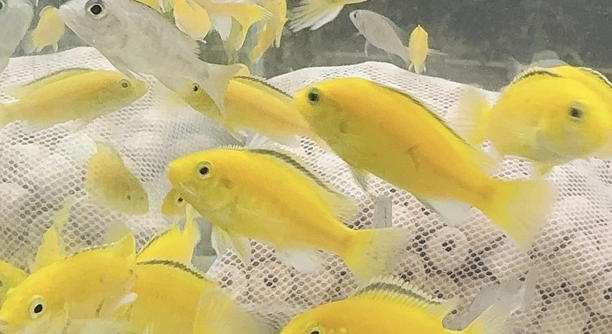
Electric Yellow Cichlids are popular for their bright color and active behavior in home aquariums. Many owners notice a flicking motion and wonder why their fish suddenly dart or twitch around the tank.
Electric Yellow Cichlid flicking is a natural behavior that can indicate stress, irritation, or communication with other fish. Observing the frequency and context of flicking helps determine whether it is harmless or a sign of an underlying issue.
Knowing what causes flicking can improve your fish’s comfort and tank environment, helping you create a healthier and more peaceful aquarium.
Why Electric Yellow Cichlids Flick
Flicking in Electric Yellow Cichlids is often linked to their environment. Sudden movements can be triggered by changes in water temperature, light, or tank decorations. Even small disturbances, like someone walking near the tank or vibrations from household activity, may cause flicking. Social dynamics also play a role. When multiple cichlids are in the same tank, flicking can signal dominance, submission, or mild aggression. Younger cichlids tend to flick more as they establish territories, while adults may flick to maintain their space. Diet and health are additional factors; a fish with parasites, irritations, or poor nutrition may display more flicking than usual. Monitoring these behaviors alongside feeding patterns and interactions with other fish can give you clues about their overall wellbeing. Observing the water quality, such as pH, ammonia, and nitrate levels, is also important, since poor water conditions often cause nervous or erratic flicking behavior.
Flicking is mostly a natural response to stimuli and can indicate both environmental stress and social communication among cichlids.
Being attentive to flicking patterns helps in adjusting tank conditions and preventing potential stress-related problems. Consistent observation can maintain a calmer environment for your fish.
Common Triggers for Flicking
Water quality issues are a frequent trigger for flicking behavior in Electric Yellow Cichlids.
Changes in temperature, pH imbalance, or sudden water chemistry shifts can make cichlids react quickly. Poor filtration or accumulated waste also contributes to stress, leading to more flicking. Lighting that is too bright or sudden can startle them, while tank decorations that are sharp or overcrowded may irritate fins and skin. Even interactions with other fish can trigger flicking. Aggressive tankmates or competition for food causes short bursts of rapid movement. Observing when and where flicking occurs is key to identifying specific triggers. Maintaining stable water conditions, providing enough hiding spots, and ensuring peaceful social groups reduce unnecessary flicking and improve overall fish health. By understanding these factors, you can create a more comfortable and predictable environment, allowing your Electric Yellow Cichlids to display natural behavior without constant stress or agitation.
How Diet Affects Flicking
A poor diet can make Electric Yellow Cichlids more prone to flicking. Nutrient deficiencies or irregular feeding schedules may lead to restless movements and sudden darting across the tank. Balanced nutrition helps reduce unnecessary stress and promotes calmer behavior.
Feeding a variety of high-quality flakes, pellets, and occasional live or frozen foods supports overall health and energy levels. Cichlids lacking proper protein or essential vitamins may show increased flicking as their bodies react to discomfort or low energy. Overfeeding can also cause erratic swimming due to digestive issues or bloating. Keeping a consistent feeding routine and observing how your cichlids respond after meals can reveal whether diet influences their flicking. Adjusting portions and ensuring diverse food sources often leads to calmer, more natural movements.
Treats and occasional supplements can also impact flicking behavior. Offering occasional greens, spirulina, or brine shrimp keeps cichlids stimulated and healthy. Ignoring dietary needs or relying on a single food type may increase stress-induced flicking. By monitoring diet closely, flicking can often be minimized naturally. Proper feeding ensures both physical health and more relaxed interactions within the tank, making daily observation easier and less stressful.
Tank Size and Environment
Small or overcrowded tanks can increase flicking frequency in Electric Yellow Cichlids. Limited space leads to territorial disputes and constant stress among tankmates, triggering more rapid movements.
Providing enough space allows each cichlid to establish a personal territory, reducing unnecessary flicking and aggressive interactions. Decorations, hiding spots, and proper substrate give fish comfort and security. Tanks that are too small or densely populated often result in prolonged stress, making flicking more frequent and intense. Maintaining stable water parameters, combined with sufficient swimming room, significantly lowers stress-induced flicking. Observing how fish move around the tank helps identify areas that may need adjustment, whether through rearranging décor, adding plants, or upgrading to a larger tank. Proper tank setup supports natural behavior and improves overall well-being.
Stress and Flicking
Stress is a major reason Electric Yellow Cichlids flick. Sudden changes in water, aggressive tankmates, or loud disturbances can trigger rapid movements.
Even small, repeated stressors like bright lights or frequent tapping on the tank glass can make flicking more noticeable. Reducing these factors helps fish stay calm.
Illness and Parasites
Illnesses and parasites often cause flicking as a sign of irritation or discomfort. Skin infections, fin rot, or external parasites make cichlids scratch against surfaces or dart abruptly. Early detection is key to preventing worsening health issues. Observing flicking patterns alongside other symptoms, such as color changes or lethargy, allows timely intervention. Regular water testing, proper diet, and quarantine of new fish minimize the risk of disease. Treating infections promptly with appropriate medications improves recovery and reduces flicking caused by irritation. Maintaining a clean tank environment and observing fish daily helps catch problems before they become severe.
Observing Social Interactions
Flicking can indicate communication between cichlids, such as dominance or territorial behavior. Watching their interactions reveals patterns.
Environmental Adjustments
Simple changes like adding plants, rearranging décor, or stabilizing water conditions can significantly reduce flicking behavior and improve overall comfort.
FAQ
Why does my Electric Yellow Cichlid flick more at night?
Flicking at night is usually linked to low light conditions or sudden changes in the environment. Even small shadows or reflections outside the tank can startle them. Some cichlids are more active in dim lighting, which can make flicking more noticeable. Ensuring the tank has a gentle day-night cycle helps reduce night-time stress and erratic movements.
Is flicking always a sign of illness?
Not always. While illness or parasites can cause flicking, normal social interactions, minor irritations, or environmental changes can also trigger it. Observing additional symptoms, such as discoloration, clamped fins, or loss of appetite, can help determine if medical attention is needed. Most flicking is harmless if the fish is otherwise healthy.
Can tankmates cause flicking?
Yes, interactions with other fish are a common reason for flicking. Aggression, competition for food, or establishing territories can make cichlids dart suddenly. Providing enough space, hiding spots, and compatible tankmates reduces social stress and minimizes flicking caused by other fish.
How can I tell if flicking is due to water quality?
Sudden or frequent flicking may indicate poor water conditions. High ammonia, nitrite, or nitrate levels, as well as drastic pH changes, can irritate fish. Regular water testing and maintenance help identify issues. If flicking decreases after a water change or filtration adjustment, water quality was likely the cause.
Does diet influence flicking behavior?
Diet plays a role in overall fish activity. Poor nutrition or irregular feeding can make cichlids restless. Overfeeding may also cause bloating and erratic swimming. Offering balanced meals with flakes, pellets, and occasional live or frozen food reduces stress and keeps flicking at normal levels.
Can flicking indicate aggression?
Yes, flicking is often a subtle sign of dominance or aggression. Fish may flick to warn others or defend territory. Observing the context—such as flicking during feeding or near hiding spots—helps distinguish normal social behavior from harmful aggression. Adjusting tank layout or separating overly aggressive individuals may be necessary.
Should I be worried about flicking during breeding?
Flicking during breeding is usually normal. Males often display rapid movements to establish territory or attract females. Increased activity can appear alarming, but it generally does not indicate a problem if water quality is stable and both fish appear healthy.
What environmental changes help reduce flicking?
Providing enough space, hiding spots, and stable water conditions helps minimize stress-induced flicking. Avoid sudden lighting changes, loud noises, or constant disturbances near the tank. Rearranging décor or adding plants can create secure areas, encouraging calmer and more predictable behavior.
How long does it take for flicking to improve after changes?
Improvement can vary. Some cichlids calm within hours of adjusting water quality or tank layout, while others may take several days to settle. Consistent care, observation, and gradual adjustments help reduce flicking steadily without causing additional stress.
Can flicking damage the fish?
Flicking itself rarely causes harm if the tank is safe. Sharp decorations or overcrowded spaces may increase risk of fin damage during rapid movements. Ensuring a safe environment with smooth surfaces and adequate space prevents injuries while allowing natural behavior.
How do I know when to consult a vet?
Consult a veterinarian if flicking is accompanied by other symptoms like loss of appetite, abnormal swimming, discoloration, or lethargy. Persistent flicking despite proper tank conditions may indicate illness or parasites requiring professional diagnosis and treatment.
Electric Yellow Cichlids are beautiful and active fish that bring a lot of life to an aquarium. Flicking is one of the behaviors that owners often notice, and it can seem worrying at first. Understanding why flicking happens helps keep your fish healthy and reduces unnecessary stress. This behavior can be caused by a variety of factors, including water quality, diet, tank size, social interactions, and overall health. Observing your cichlids closely is the best way to tell whether flicking is normal or a sign of an issue. By paying attention to their movements, feeding patterns, and how they interact with other fish, you can often identify small changes that make a big difference in their wellbeing.
Maintaining a stable environment is key to minimizing flicking caused by stress. Electric Yellow Cichlids are sensitive to sudden changes in water conditions, including temperature, pH, and levels of ammonia, nitrite, and nitrate. Providing enough space, hiding spots, and a balanced diet also helps them feel secure. Overcrowding or aggressive tankmates can lead to flicking from territorial disputes, so choosing the right companions and giving each fish a place to retreat is important. Small adjustments in lighting, décor, and feeding routines can reduce the frequency of flicking and help your cichlids settle into more natural behavior. By addressing environmental factors and observing carefully, you can create a calm and healthy tank where flicking is just a normal part of fish communication rather than a sign of stress.
Flicking can also be a sign of minor irritation or early health concerns. Skin irritations, parasites, or poor nutrition may increase the amount of flicking, so it is helpful to monitor your cichlids’ appearance and behavior daily. Early detection allows for timely interventions, such as improving diet, treating minor illnesses, or making changes to the tank environment. While flicking can seem alarming, most of the time it is a natural behavior that fish use to communicate, establish territory, or respond to their surroundings. Paying close attention to patterns, context, and the overall health of your fish ensures that you are prepared to make any necessary changes. With consistent care and observation, Electric Yellow Cichlids can thrive, and flicking becomes a normal, harmless part of their behavior rather than a cause for concern.

Hello,
If you enjoy the content that we create, please consider saying a "Thank You!" by leaving a tip.
Every little bit helps us continue crafting quality advice that supports the health, happiness, and well-being of pets around the world, for pets of all shapes, sizes, and species.
We really appreciate the kindness and support that you show us!