
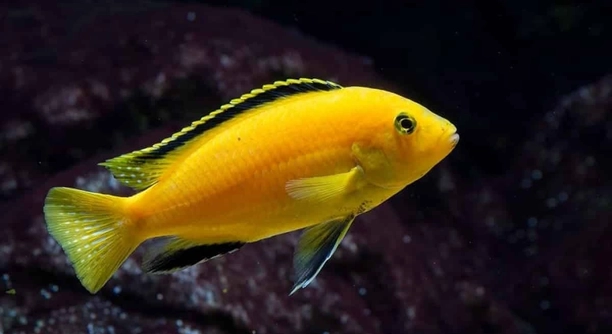
Are your electric yellow cichlids behaving strangely around certain fish in your tank? Observing their interactions can be confusing, especially when some tank mates seem to provoke aggression or curiosity unexpectedly. This behavior is common among cichlid enthusiasts.
Several species of fish can mislead electric yellow cichlids, including similarly colored mbuna, small tangs, or other brightly patterned cichlids. These fish often trigger territorial or mating instincts, resulting in misdirected aggression or stress responses in electric yellow cichlids.
Knowing which fish cause these reactions can improve tank harmony and help your cichlids thrive in a calmer environment. Careful observation and planning are key to maintaining a peaceful aquarium setup.
Mbuna Cichlids
Mbuna cichlids are small, colorful fish that often resemble electric yellow cichlids in size and shape. Their bright colors and rapid movements can trigger aggression or competitive behavior in electric yellows. Even though mbunas are peaceful in their own groups, placing them with electric yellows can lead to misunderstandings. Observing how your electric yellows respond is important to avoid stress or injury. Tank layout, hiding spots, and feeding routines all play a role in reducing tension. Mbunas often swim in schools, which can make your electric yellow cichlids feel their territory is being invaded. Keeping the tank spacious and providing visual barriers can help manage these interactions effectively. Understanding their behavior patterns ensures both species remain healthy and active without unnecessary conflict.
Mbuna cichlids’ resemblance and quick movements are the main reasons electric yellow cichlids misinterpret their presence, leading to increased territorial displays and stress reactions.
Adjusting tank decorations, arranging hiding spots, and observing interactions closely helps reduce repeated confrontations. Monitoring these behaviors allows you to maintain a calmer aquarium.
Peacock Cichlids
Peacock cichlids are slightly larger and display vivid colors that attract attention. Their behavior can unintentionally provoke electric yellow cichlids.
Peacock cichlids’ bright patterns and confident swimming often make electric yellows feel challenged or threatened. This can trigger chasing, flaring, or guarding of territory. Providing enough space, hiding areas, and feeding separately can prevent escalation. Observing their daily interactions over several weeks helps identify which specific fish combinations work best. In larger tanks, introducing peacocks gradually allows electric yellow cichlids to adjust without immediate confrontation. Tank mates with contrasting temperaments can help balance the energy, preventing excessive aggression. Knowing these behavioral tendencies allows you to manage your tank more effectively and create a safer, more stable environment. Proper monitoring, tank design, and selective pairing are crucial for reducing tension between these two species. Paying attention to subtle signals, like fin displays or sudden chases, is key to maintaining harmony.
Synodontis Catfish
Synodontis catfish are bottom-dwellers, usually calm, but their sudden movements can confuse electric yellow cichlids. The cichlids may interpret these actions as threats, prompting chasing or defensive displays.
Even though Synodontis spend most of their time at the bottom, their sharp fins and active swimming at night can trigger responses from electric yellows. Electric yellows may flare or chase when catfish explore open areas or approach feeding zones. Keeping hiding spaces and decorations can help both species coexist without constant stress. Regular observation ensures the catfish are safe, and the cichlids do not overreact.
Introducing Synodontis gradually and maintaining clear territories reduces misunderstandings. Feeding separately and creating shaded or hidden spaces allows the catfish to move freely without drawing aggressive attention. Electric yellow cichlids will adjust over time if they have established their own zones. Tank size also matters; larger tanks give both species room to express natural behavior without constant confrontation.
Rainbowfish
Rainbowfish display bright, reflective scales that can capture electric yellow cichlids’ attention immediately. Their constant movement often sparks chasing or flaring.
The quick swimming patterns of rainbowfish make electric yellow cichlids perceive them as intruders. Even if rainbowfish are peaceful, electric yellows may follow or guard specific areas, causing stress. Providing mid-level plants and obstacles helps break line-of-sight and reduces tension. Monitoring interactions daily is important to prevent persistent chasing or injury.
Adjusting the tank setup, such as adding vertical plants or floating cover, can diffuse aggressive tendencies. Separate feeding zones help ensure rainbowfish aren’t cornered during meals. Gradual acclimation allows electric yellow cichlids to accept rainbowfish without constant harassment. Understanding each species’ activity levels and preferred swimming zones is critical. Over time, both species can coexist if their environment is structured to minimize direct confrontations and provide enough visual breaks.
Convict Cichlids
Convict cichlids are smaller but highly territorial. Their bold behavior can quickly trigger electric yellow cichlids to flare or chase.
Even when confined to one area, convicts’ persistent movements and fin displays make electric yellows react defensively. Keeping distinct territories and hiding spaces reduces constant conflict between the two species.
Silver Dollar Fish
Silver dollar fish are fast swimmers and can startle electric yellow cichlids with sudden bursts. Their schooling behavior attracts attention and can provoke chasing.
Their large, shiny bodies reflect light, which electric yellow cichlids often misinterpret as a challenge. Providing visual barriers and adequate swimming space helps minimize stress. Watching interactions and adjusting tank layout ensures both species remain safe.
Jewel Cichlids
Jewel cichlids are highly colorful and aggressive during feeding times. They can trigger strong territorial responses from electric yellow cichlids.
What causes electric yellow cichlids to misinterpret other fish?
Electric yellow cichlids often rely on color, movement, and territory cues to assess their environment. Bright colors or fast movements from other fish can appear as competition or threats. Even peaceful species like rainbowfish or Synodontis catfish can trigger chasing or flaring behaviors. Tank layout, hiding spots, and feeding locations can influence how these reactions occur. If the tank is small or lacks barriers, responses may be stronger. Over time, cichlids may learn to recognize non-threatening species, but initial interactions can be stressful. Observing early behavior is key to preventing injuries.
Can electric yellow cichlids coexist with aggressive fish like convict or jewel cichlids?
Coexistence is possible but requires careful planning. Convict and jewel cichlids are territorial and may compete for similar spaces. Providing multiple hiding spots, distinct territories, and visual breaks helps reduce aggression. Feeding areas should be separated to avoid confrontations. Monitoring interactions daily allows you to intervene if chasing becomes excessive. Gradual introduction of new fish ensures electric yellows can establish dominance or retreat safely. Tank size matters; larger tanks naturally reduce stress by giving all fish more room to express natural behaviors. Regular observation and adjustments are essential to maintain balance.
How do tank size and decoration affect misbehavior?
A crowded tank with few hiding spots increases the likelihood of misinterpretation. Electric yellow cichlids may flare or chase at the first sign of movement. Adding rocks, plants, or partitions allows fish to establish territories without constant conflict. Vertical and horizontal layers help separate active swimmers from more reserved species. Feeding in multiple zones reduces competition and prevents injuries. Decorations also give bottom dwellers, like Synodontis catfish, secure areas away from active mid- and top-level swimmers. Larger tanks reduce the frequency of aggressive encounters and give all fish a better chance to coexist peacefully.
Do color and size play a role in triggering aggression?
Yes, both color and size are major factors. Bright or reflective scales often grab electric yellow cichlids’ attention, making them think another fish is invading their territory. Similarly sized or slightly smaller fish may appear as rivals, triggering defensive displays. In contrast, dull-colored or slower-moving fish often face fewer attacks. Understanding these tendencies helps when selecting tank mates. It is not always about temperament; visual cues alone can cause stress or chasing. Adjusting the environment with hiding spots and visual barriers helps prevent unnecessary conflicts based on appearance alone.
What are the best strategies to reduce stress and aggression?
Separating fish by swimming zones or adding visual barriers is very effective. Introducing new fish gradually allows electric yellow cichlids to adjust without immediate confrontation. Providing sufficient hiding spots and feeding zones reduces competition and chasing. Observing behavior daily helps identify which fish combinations work best. Tank maintenance, such as keeping water conditions stable, also reduces stress, since unhealthy conditions can worsen aggression. Over time, fish learn boundaries if given structured space. Maintaining a balanced number of tank mates and avoiding overcrowding ensures a calmer environment and minimizes aggressive responses.
Can feeding routines impact cichlid behavior?
Yes, feeding routines play a significant role. Electric yellow cichlids may become more aggressive during mealtime, especially if food is limited or clustered in one area. Spreading food across the tank reduces direct competition. Feeding slower-moving species separately ensures they aren’t chased or outcompeted. Observing how different fish respond during feeding helps refine the process. Regular schedules and multiple feeding zones keep stress levels lower. Proper feeding also ensures all fish receive adequate nutrition, which decreases aggression caused by hunger or competition. Adjusting feeding techniques is a simple way to maintain harmony.
Is it possible for electric yellow cichlids to adapt to mixed tanks over time?
Yes, adaptation is possible. Over weeks, electric yellow cichlids often learn which fish pose no threat. Gradual introductions, adequate tank space, and structured territories help this process. Some chasing may still occur, but frequency usually decreases as boundaries are established. Monitoring interactions ensures no injuries happen during adjustment. Maintaining clear hiding spots and observing behavior allows all fish to coexist more comfortably. Patience is key, as each cichlid has its own temperament. Over time, a well-planned environment encourages calmer interactions and allows a mixed community to thrive with minimal stress.
How can I tell if aggression is causing stress or injury?
Look for physical signs such as torn fins, scratches, or unusual swimming patterns. Constant chasing or repeated flaring indicates stress, even if no injuries appear. Reduced appetite, hiding, or lethargy also signals that a fish is under pressure. Tracking interactions and observing patterns can help identify which tank mates trigger negative behavior. Adjusting the environment, separating aggressive individuals temporarily, or reorganizing the tank can prevent injuries. Regular checks ensure all fish remain healthy and that aggression does not escalate into long-term stress or physical harm.
Are there specific tank mates that consistently work well with electric yellow cichlids?
Species with calm temperaments, slower movements, and less vivid coloration often integrate smoothly. Certain Synodontis catfish, bottom-dwelling species, and some larger schooling fish generally coexist without triggering territorial responses. Avoid pairing with highly aggressive or similarly colored mid-level swimmers. Tank layout, hiding spaces, and feeding strategies also influence compatibility. Choosing species carefully based on behavior patterns and environmental needs ensures a balanced tank and reduces unnecessary conflicts among electric yellow cichlids.
What is the role of observation in managing tank dynamics?
Observation is critical for maintaining harmony. Watching daily interactions helps identify aggressive patterns and areas causing tension. Timely interventions, like rearranging decorations or adjusting feeding zones, prevent escalation. Noting which fish consistently trigger responses allows for informed decisions on tank adjustments or potential separations. Observation also helps track adaptation over time, confirming if electric yellow cichlids are adjusting to new tank mates. Regular monitoring is the most effective way to create a safe, stable, and stress-free environment for all fish in the tank.
Electric yellow cichlids are lively and vibrant fish, but their behavior can sometimes be confusing, especially when they interact with other species in the tank. Certain fish, due to their color, size, or movement, can trigger chasing, flaring, or territorial displays. Understanding these interactions is important for keeping a peaceful environment. Observing how your electric yellow cichlids respond to each tank mate helps prevent stress and reduces the risk of injuries. Some reactions are natural and expected, while others may signal that adjustments are needed in the tank setup. By paying attention to their body language, swimming patterns, and feeding behavior, you can identify potential problems before they escalate.
Managing tank layout is a practical way to reduce unnecessary conflict. Adding rocks, plants, or other decorations creates hiding spaces and visual barriers, which help electric yellow cichlids feel more secure. Large tanks with multiple layers allow fish to establish their own territories without constantly confronting each other. Feeding in multiple areas or at different times also reduces competition and aggression. Even fish that seem peaceful can trigger a response if their movements are too sudden or their appearance is too bright. Providing structured space ensures that every fish can move freely, feed without stress, and coexist without constant chasing. Small changes in the tank’s arrangement can have a significant impact on overall harmony.
Patience is key when maintaining a mixed community of fish. Electric yellow cichlids may take time to adjust to new tank mates, and repeated observation is necessary to ensure they are comfortable. Gradual introductions, adequate tank size, and careful monitoring of interactions help create a stable environment. It is also important to recognize the difference between normal behavior and aggressive behavior that may cause stress or injury. Over time, many fish will learn to coexist, establishing their own boundaries and routines. By paying attention to their needs and carefully selecting compatible species, you can maintain a healthy, balanced tank where electric yellow cichlids and other fish thrive together in a calm and structured environment.

Hello,
If you enjoy the content that we create, please consider saying a "Thank You!" by leaving a tip.
Every little bit helps us continue crafting quality advice that supports the health, happiness, and well-being of pets around the world, for pets of all shapes, sizes, and species.
We really appreciate the kindness and support that you show us!