
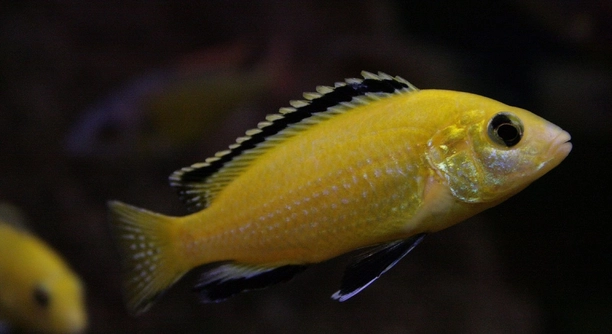
Keeping your aquarium peaceful can be a challenge, especially when aggressive behavior starts to appear. Fish may suddenly change, showing tension in ways that are easy to miss at first glance. Early attention can prevent bigger problems later.
Aggression escalation in a tank often follows predictable patterns, including chasing, fin nipping, or territorial displays. Recognizing these behaviors early allows for timely interventions, reducing stress and potential injuries, and maintaining a healthier, balanced aquatic environment for all tank inhabitants.
Watching your fish closely helps you understand their behavior before conflicts worsen. Recognizing subtle cues can make a big difference in maintaining harmony in the tank.
Increased Chasing and Nipping
Fish that begin chasing or nipping others more frequently are showing early signs of aggression. At first, it may seem playful or minor, but repeated chasing can cause real stress or injury. Territorial species are especially prone to this behavior when space is limited or hiding spots are insufficient. A fish that constantly chases others may also appear restless, darting around the tank, sometimes bumping into objects or other fish. Observing when and how this behavior occurs can help you identify triggers. Changes in tank layout, new fish introductions, or even changes in lighting and feeding schedules can intensify aggression. Regularly checking water quality and ensuring enough space for each fish can reduce the risk. Providing extra plants or decorations can give fish places to retreat, calming tensions. Addressing these behaviors early prevents serious injuries, fin damage, or long-term stress that affects overall fish health.
Early signs of chasing often include sudden bursts of speed or tail nipping during feeding times.
Tracking these patterns consistently helps you prevent escalation and ensures that all fish remain healthy and stress-free over time. By adjusting the environment and monitoring interactions, you can create a calmer, safer tank.
Sudden Hiding or Withdrawal
Fish that suddenly hide or avoid interaction may be stressed by aggression.
When a fish begins avoiding others, it can indicate growing tension in the tank. This behavior may appear as staying behind decorations, hiding in plants, or lingering at the bottom of the tank. Stress from aggressive tankmates can weaken immune systems, making fish more prone to disease. Some species may retreat only temporarily, while others may become permanent loners if harassment continues. Observing which fish are causing stress and adjusting their placement or tank structure can alleviate tension. Introducing visual barriers or adding more hiding spots gives stressed fish a chance to recover. Sudden changes in diet or water conditions may worsen withdrawal, so maintaining a consistent routine is important. Long-term hiding can also reduce activity and feeding, impacting growth and overall health. Addressing aggression early ensures all fish feel secure and encourages natural behaviors.
Careful monitoring and adjusting tank dynamics can prevent aggression from harming shy or weaker fish.
Understanding triggers, providing space, and offering retreats can restore balance. Keeping the environment consistent and calm helps all fish feel safe. Changes should be gradual, and attention to individual behavior ensures no fish suffers from ongoing stress. By taking these steps, aggression can be controlled without extreme measures, maintaining harmony and promoting healthier, more active tank life for every fish.
Frequent Fin Damage
Fin damage appears quickly when aggression escalates. Torn, frayed, or missing fins are clear indicators that fish are being harassed.
Persistent fin nipping usually comes from dominant fish repeatedly targeting weaker tankmates. This behavior can create open wounds, making fish vulnerable to infections or fungal growth. Damaged fins also affect swimming efficiency, causing stress and reducing the ability to compete for food. Observing which fish repeatedly attack others helps identify patterns, allowing adjustments in tank layout, population, or hiding spots. Adding plants or decorations gives fish space to escape. Regular water changes and maintaining proper conditions reduce stress, helping injured fins heal faster. Avoiding sudden changes in feeding or lighting can prevent worsening aggression, and separating overly aggressive fish temporarily may be necessary to stop the cycle.
Even small nips over time can lead to serious health issues. Early intervention prevents lasting harm and ensures all fish stay active and strong.
Keeping track of interactions and repairing damaged fins promptly improves tank harmony. Strategic placement of decorations and monitoring dominant fish behavior are key to maintaining a safe environment for every fish. By addressing fin damage early, long-term stress and injuries can be minimized.
Changes in Feeding Behavior
Aggressive environments affect feeding patterns. Fish may eat less or hoard food when under stress from dominant tankmates.
Some fish become too timid to compete during mealtime, while others may overeat out of fear, causing digestive problems. Reduced feeding or rapid, aggressive snatching of food signals rising tension in the tank. Maintaining consistent feeding routines and spreading food across multiple locations helps reduce competition. Observing how fish respond to food provides insight into social hierarchy and stress levels. Temporary separation or rearranging decorations can give stressed fish safer access to food, improving health and reducing aggression-related injuries.
Feeding changes are an early warning that aggression is affecting daily life. Monitoring meals ensures fish get proper nutrition and identifies which individuals need protection.
Adjusting feeding strategies and offering multiple food spots prevents conflict. Regular observation during mealtime allows you to catch aggression before it worsens. Ensuring shy or weaker fish have safe access to food helps maintain balance and supports overall tank health. Gradual changes to feeding routines can improve comfort and reduce tension among all tank inhabitants.
Increased Flashing or Rubbing
Flashing or rubbing against decorations and tank walls can indicate irritation caused by aggression. Fish often display this behavior when stressed or injured.
Frequent rubbing may lead to skin damage or infections if left unchecked. Observing when and how often it occurs helps identify which fish are stressed and why, allowing preventive action.
Sudden Color Changes
Color fading or darkening can reflect stress from bullying or fights. Fish under constant pressure often lose vibrancy.
Persistent color change signals that aggression is affecting health. Stress reduces appetite, weakens immunity, and can make fish more vulnerable to disease. Correcting environmental stressors and adjusting tank dynamics can help restore normal coloration over time.
Rapid Swimming or Erratic Movement
Fish moving unusually fast or erratically may be trying to escape aggressive tankmates.
This behavior often leads to exhaustion and increases risk of injury. Observing movement patterns helps identify aggressive interactions, and adjusting tank space or hiding spots reduces stress, promoting calmer, healthier fish.
How can I tell which fish is causing the aggression?
Observing interactions closely is the most reliable method. Dominant fish often chase, nip, or block others from hiding spots or food. Look for repeated patterns rather than isolated incidents. Aggressive fish may also claim territory near decorations, filters, or the tank front. Noting which individuals are consistently initiating these behaviors helps identify the primary sources of tension.
What steps can I take to reduce aggression in my tank?
Rearranging decorations, adding plants, or providing more hiding spots helps distribute territory and reduce conflicts. Ensuring the tank isn’t overcrowded and that each species has enough space for its natural behaviors is crucial. Feeding fish in multiple areas prevents competition and reduces stress. In extreme cases, temporarily separating aggressive individuals can restore balance.
Can water quality affect aggression?
Yes. Poor water conditions increase stress, making fish more prone to aggressive behavior. Maintaining stable temperature, proper pH, and clean water reduces tension. Regular testing and partial water changes ensure a stable environment. Stressed fish are more likely to fight or act defensively, so water quality directly impacts social harmony.
Do tank size and layout matter for aggression levels?
Absolutely. Small or poorly structured tanks amplify territorial disputes. Fish need enough room to establish territories and escape when harassed. Rearranging decorations periodically prevents one fish from dominating a particular area. Open swimming spaces paired with hiding spots give all fish the ability to retreat and reduce stress.
How can I tell if aggression is causing health issues?
Signs include torn fins, missing scales, erratic swimming, reduced appetite, and hiding. Stressed fish may develop infections more easily. Observing both physical damage and behavior changes helps you determine if aggression is affecting health. Early intervention prevents long-term injuries or illness and supports overall tank stability.
Is introducing new fish risky for aggression?
Yes. New fish disrupt social hierarchies and may trigger fights. Quarantining newcomers and gradually introducing them reduces stress for both new and existing fish. Rearranging tank decorations before adding new fish prevents established territories from being defended too aggressively. Monitoring interactions closely during the first few days is essential.
Can I train or condition fish to be less aggressive?
Behavior modification is limited. Adjusting environment, feeding routines, and tank mates has the most impact. Avoid reinforcing dominant behavior by ensuring all fish have equal access to food and hiding spaces. Over time, calmer dynamics can develop naturally, but aggressive tendencies in certain species may persist despite interventions.
Should I separate aggressive fish permanently?
Permanent separation is sometimes necessary if a fish repeatedly harms others or causes stress. Using a divider or separate tank protects weaker individuals and prevents injuries. Observing behavior over time helps determine if temporary separation is enough or if long-term solutions are required.
How can I prevent future aggression from escalating?
Regularly monitor fish interactions, maintain proper tank size and water quality, and provide sufficient hiding spots. Avoid overcrowding and plan carefully before adding new species. Understanding natural behaviors and early warning signs allows proactive measures that reduce stress and maintain a balanced, healthy tank.
Are certain species naturally more aggressive than others?
Yes. Some species are inherently territorial or dominant, while others are more passive. Researching species behavior before adding fish is essential. Pairing compatible species and providing adequate space helps minimize conflict. Even naturally aggressive species can coexist peacefully with careful management and environmental adjustments.
How long does it take for aggression to calm down after changes?
It varies. Some fish adjust within a few days, while others may take weeks to establish a new hierarchy. Gradual changes, consistent routines, and observation help accelerate calm behavior. Patience is key, as rushing adjustments can worsen tension and prolong stress.
Can feeding multiple times a day reduce aggression?
Yes. Splitting meals reduces competition and ensures all fish get enough nutrition. Feeding in different locations prevents dominant fish from controlling all food sources. Observing how fish respond helps fine-tune feeding strategies and minimize conflicts during mealtime.
Does lighting affect aggression in fish?
Bright or sudden changes in lighting can increase stress and provoke aggressive behavior. Gradual transitions and maintaining a natural day-night cycle help calm fish. Using dimmer lighting or providing shaded areas reduces tension for more timid individuals.
Are there signs that aggression is permanent versus temporary?
Temporary aggression usually appears around feeding, new tankmates, or environmental changes. Permanent aggression is consistent, with repeated chasing, fin damage, and territory defense over time. Tracking patterns helps determine whether intervention or long-term separation is necessary.
Can I use decorations to manage aggressive fish?
Yes. Hiding spots, plants, and visual barriers break line-of-sight and reduce chasing. Rearranging decorations periodically prevents territorial dominance. Providing multiple retreats ensures weaker fish can escape and reduces stress-induced aggression, promoting a calmer, more balanced tank environment.
Understanding aggression in your tank is essential for keeping fish healthy and happy. Aggression doesn’t always start as obvious fighting. It often begins with small behaviors, like chasing, nipping, or hiding, which can be easy to overlook at first. By paying close attention to your fish and their interactions, you can spot early signs of tension before serious problems occur. Small changes in behavior, like a fish avoiding food or staying in one corner, often indicate stress caused by more dominant tankmates. Acting early is important because unresolved aggression can lead to injuries, illness, and even death in severe cases. Watching your fish regularly allows you to learn their habits and notice patterns, which helps you respond quickly when problems arise. Over time, you develop a better sense of what is normal for your tank and what signals trouble.
Creating a balanced environment can prevent many aggression issues. Adequate space, consistent water conditions, and enough hiding spots are crucial for reducing stress. Fish need room to explore and establish territories, but they also need places to retreat when conflicts occur. Rearranging decorations periodically prevents a single fish from dominating a specific area, which helps keep interactions calmer. Providing multiple feeding areas ensures all fish can eat without being chased or bullied. Even small adjustments, like adding plants or visual barriers, can make a big difference in reducing tension. Paying attention to water quality and tank temperature also matters, as stressed fish are more likely to act aggressively. Maintaining a stable environment helps fish feel secure and encourages natural, healthy behaviors.
Managing aggression requires patience and observation. Not every fish will get along perfectly, and some species are naturally more territorial or dominant. The goal is not to eliminate all conflict but to reduce stress and prevent injuries. In some cases, separating aggressive individuals or adjusting the tank layout may be necessary. Regular monitoring, understanding species behavior, and providing a structured environment allow all fish to coexist peacefully. Over time, you can create a calmer, more balanced tank where each fish has the space it needs to thrive. Keeping your tank harmonious is not always easy, but careful attention, gradual changes, and consistent care help maintain a healthy, happy aquatic environment for everyone.

Hello,
If you enjoy the content that we create, please consider saying a "Thank You!" by leaving a tip.
Every little bit helps us continue crafting quality advice that supports the health, happiness, and well-being of pets around the world, for pets of all shapes, sizes, and species.
We really appreciate the kindness and support that you show us!