
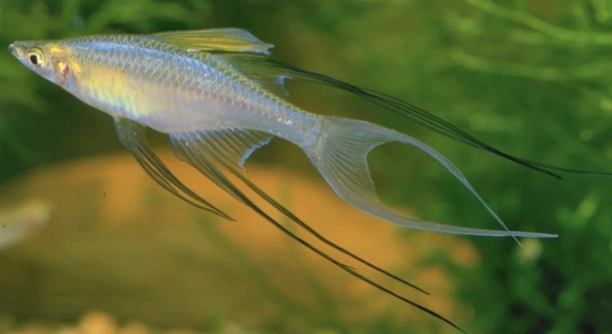
Have you ever rearranged your aquarium and noticed your threadfins acting differently afterward? Small changes in their environment can often bring unexpected reactions from these delicate and graceful fish.
Threadfins respond noticeably to rearranged aquascaping due to their sensitivity to environmental changes. Altering the layout can temporarily affect their behavior, feeding patterns, and sense of territory. Over time, they typically adapt and regain their normal routines.
Understanding how these fish react to changes in their surroundings can help create a stable and comfortable aquarium environment for them.
Understanding Threadfin Behavior
Threadfins are known for their graceful movement and gentle nature, but they can be quite sensitive to changes in their surroundings. When their aquascape is rearranged, even slightly, they may react with confusion or hesitation. This behavior often comes from their reliance on familiar landmarks for comfort and security. They use plants, rocks, and decorations as guides to navigate and establish safe zones. Once these items are moved, their usual routes and hiding spots change, which can cause mild stress or temporary hiding. However, this adjustment period usually doesn’t last long, and as they become accustomed to the new layout, their behavior slowly returns to normal.
During this time, it’s common to see threadfins swimming less or avoiding certain areas. Patience is key, as stability and consistency help them regain confidence and resume their usual activity patterns.
By observing these changes, you can learn more about how your fish respond to their surroundings.
Creating a Comfortable Environment
When rearranging an aquarium, it’s best to plan carefully to minimize stress for your threadfins. Keeping a similar layout or maintaining a few familiar elements helps them adjust faster and stay calm.
Start by making small changes instead of a complete overhaul. Moving one or two decorations or adjusting plant placement is often enough to refresh the look without overwhelming your fish. Maintain stable water conditions and ensure consistent lighting during this process. Avoid disturbing their feeding areas or hiding spots too much. Threadfins thrive on predictability, and gradual changes help them adapt smoothly. It’s also helpful to observe their reactions for a few days after the rearrangement. If they appear stressed, adding floating plants or gentle water flow can create comfort. Over time, they will associate the new layout with safety and normalcy. Creating a steady environment encourages healthy behavior and keeps your aquarium visually balanced and peaceful.
Signs of Stress in Threadfins
When threadfins experience stress, their behavior becomes noticeably different. They may hide more often, swim erratically, or lose some of their bright coloring. These signs usually appear within a day or two after rearranging their environment.
Observing your fish closely during this time can help you identify stress early. Threadfins might stop eating or avoid other fish in the tank. Their movements could appear stiff or hesitant as they try to adjust. Keeping the tank quiet and minimizing sudden movements around it can ease their anxiety. Make sure the lighting remains consistent and that the water temperature stays within their preferred range. Over time, their natural behavior, such as graceful swimming and schooling together, will return as they adapt to the new setup.
Consistent observation and gentle care are essential during this adjustment phase. Small details often make a big difference in keeping them comfortable and secure.
Encouraging Adaptation
Helping threadfins adapt after rearranging the aquascape requires patience and attention. Adding familiar plants or ornaments back into the tank helps them regain a sense of direction and comfort. Stable water parameters and calm surroundings encourage faster recovery.
Feeding them at the same time each day supports a steady routine and reduces stress. Soft lighting also creates a more peaceful setting for adjustment. Avoid frequent rearrangements, as constant changes can make them uneasy. If possible, keep their favorite swimming space clear and maintain gentle water flow. Over several days, you’ll notice them exploring more confidently. Gradual adaptation strengthens their resilience and makes future changes easier to handle. Creating a calm environment, both physically and visually, helps threadfins thrive in their refreshed habitat while keeping their natural grace intact.
Maintaining Stability After Rearranging
Once your threadfins have settled, it’s important to maintain consistency in their environment. Regular water testing, stable temperatures, and balanced lighting all help prevent unnecessary stress. Avoid sudden movements or loud noises around the tank to keep them calm and comfortable.
Feeding should remain consistent, both in timing and portion size. Introducing new fish or decorations too soon can disrupt their sense of security again. Giving them time to fully adjust strengthens their confidence and keeps the tank peaceful. Routine observation ensures that any unusual behavior is noticed early and addressed promptly.
Choosing the Right Layout
When planning your aquascape, choose designs that allow easy swimming and plenty of open space. Threadfins enjoy areas where they can glide freely while having a few safe hiding spots nearby. Using soft plants and smooth decorations prevents injuries and creates a balanced, natural appearance that supports their comfort and health.
Avoiding Overcrowding
Overcrowding can make threadfins anxious and aggressive. Too many fish reduce swimming space and increase competition for food. Keeping a moderate number of tank mates ensures better water quality and reduces stress. A spacious layout gives each fish room to move peacefully and maintain natural social behavior.
FAQ
How long does it take for threadfins to adjust after rearranging the tank?
Adjustment times vary depending on the individual fish and the extent of the changes. Some threadfins may return to normal behavior within a few hours, while others take several days. Smaller, incremental changes help them adapt more quickly, as sudden large changes can increase stress. Regular observation during this period is important. Signs of adaptation include resuming normal swimming patterns, exploring the new layout confidently, and returning to regular feeding habits. Maintaining consistent water parameters and stable lighting supports a smoother adjustment.
Can I rearrange decorations while the fish are in the tank?
It’s generally better to rearrange decorations when the fish are temporarily removed or distracted. Sudden movement around them can cause panic and erratic swimming. If changes must be made while they remain in the tank, move items slowly and one at a time. This minimizes stress and prevents collisions with sharp or hard surfaces. Avoid tapping on the glass or creating strong water currents during the process, as this can make threadfins more anxious. Gradual adjustments allow them to explore safely and find comfort in the new layout.
Do threadfins need hiding spots after rearranging?
Yes, hiding spots are essential for their sense of security. Threadfins use these areas to feel safe and reduce stress, especially during environmental changes. Plants, rocks, or ornaments that create shaded or sheltered areas provide comfort while they adjust. Even open swimming areas benefit from a few strategically placed hiding spots to reduce anxiety. Maintaining at least some familiar structures from the previous layout helps them orient themselves more easily. Over time, as they become comfortable with the new environment, they may explore more freely but still rely on these spaces for reassurance.
Will rearranging affect their feeding habits?
Temporary changes in feeding behavior are common after rearranging the tank. Some threadfins may become hesitant to eat or avoid certain areas for a short period. Offering food in familiar spots and maintaining a consistent feeding schedule helps them regain normal patterns. Avoid introducing new foods or sudden changes during this adjustment phase. Patience is key, as they typically resume regular eating once they feel secure. Observing their appetite and overall activity can help ensure they remain healthy and are adjusting successfully.
How can I tell if the changes are too stressful for my threadfins?
Signs of stress include prolonged hiding, loss of color, erratic swimming, refusal to eat, and aggression toward tank mates. If these behaviors persist for more than a few days, the rearrangement may have been too disruptive. Gradually restoring some familiar elements or providing additional hiding spaces can help reduce stress. Regularly monitoring water quality and minimizing disturbances also supports their recovery. Addressing stress early prevents long-term health issues and ensures a calmer, more stable aquarium environment for your threadfins.
Is it better to rearrange slowly or all at once?
Slow, incremental changes are usually more effective and less stressful. Moving one decoration or plant at a time allows threadfins to adjust gradually without overwhelming them. Large, sudden changes can lead to heightened anxiety and disorientation. By observing their reactions after each adjustment, you can gauge how comfortable they are and decide whether additional changes are appropriate. Gradual rearrangements also let you maintain balance in swimming space and hiding spots while keeping the tank visually appealing.
Do threadfins remember previous tank layouts?
Threadfins appear to recognize familiar landmarks and may return to previous hiding spots or swimming routes. Retaining some familiar structures during a rearrangement helps them orient themselves and reduces stress. While they adapt to new layouts over time, keeping recognizable elements can make transitions smoother and maintain their sense of safety. Observing their behavior around these familiar areas can give insight into how they perceive and remember their environment.
Can adding new plants or decorations help with adaptation?
Yes, adding new plants or decorations can create additional hiding spots and enrich the environment. Soft plants, smooth ornaments, and shaded areas provide comfort while the fish explore the new layout. Avoid sharp or unstable items, as these can cause injury or increase anxiety. Gradually introducing new elements while keeping some familiar landmarks supports a balanced, stress-free environment for your threadfins.
How often should I rearrange the aquascape?
Frequent rearrangements can be stressful, so it’s best to make changes sparingly. Minor adjustments every few months are sufficient to refresh the tank without overwhelming your fish. Regular observation after each change ensures that the threadfins are adapting well and helps maintain a stable, healthy environment. Consistency in hiding spots, swimming space, and water conditions supports long-term comfort and reduces unnecessary stress.
Are some threadfins more sensitive than others?
Yes, individual temperament and previous experiences influence sensitivity. Younger or more timid fish may react more strongly to changes, while older or confident threadfins often adjust more quickly. Observing each fish’s behavior and responding to signs of stress helps ensure that all individuals remain comfortable and healthy after rearrangements. Adjustments can be tailored to their needs, supporting a balanced and peaceful tank.
Word count: 513
Final Thoughts
Rearranging an aquarium can feel like a simple change for us, but for threadfins, it can be a significant shift in their environment. These fish rely on familiar landmarks to feel safe, navigate, and maintain their routines. Even minor adjustments to plants, rocks, or decorations can temporarily confuse them. Their reactions might include hiding more often, swimming hesitantly, or becoming less active. While these behaviors can be concerning at first, they are usually short-term and part of the adaptation process. Observing your fish carefully during this time allows you to understand how they respond to changes and what adjustments help them feel more comfortable. Patience is key, as forcing adaptation or making frequent changes can increase stress and delay their adjustment.
Creating a stable environment after rearranging is just as important as the act of rearranging itself. Threadfins thrive when water conditions, lighting, and feeding routines remain consistent. Maintaining these elements while introducing a new layout helps them regain confidence more quickly. Adding familiar decorations or hiding spots provides comfort and reduces anxiety, while open swimming space ensures they can move freely and display natural behavior. Small, gradual changes are preferable to large, sudden shifts. Observing their behavior and responding to any signs of stress can make the difference between a smooth transition and a prolonged period of unease. Over time, threadfins learn to navigate new surroundings confidently, and their natural behaviors, such as schooling, exploring, and feeding, return to normal.
Ultimately, caring for threadfins during aquascaping changes requires both attention and patience. Understanding their sensitivity and providing a supportive environment encourages healthy behavior and minimizes stress. Gradual adjustments, consistent routines, and thoughtful placement of decorations all play a role in helping them feel secure. Over time, rearranging can even benefit the aquarium, offering new exploration areas and visual interest for both the fish and the observer. By respecting their needs and giving them space to adapt, threadfins can thrive in a refreshed and well-maintained habitat. This approach ensures they remain healthy, active, and confident in their tank while allowing you to enjoy a balanced and visually appealing aquarium.
Word count: 407

Hello,
If you enjoy the content that we create, please consider saying a "Thank You!" by leaving a tip.
Every little bit helps us continue crafting quality advice that supports the health, happiness, and well-being of pets around the world, for pets of all shapes, sizes, and species.
We really appreciate the kindness and support that you show us!