
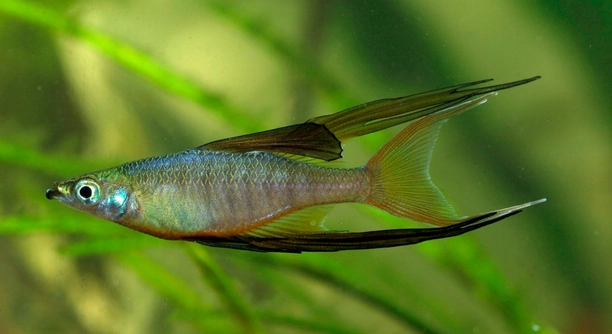
Have you ever tried breeding threadfins but found that your results were inconsistent, leaving you wondering what might be missing from your tank setup?
The most effective way to boost threadfin breeding is by maintaining ideal tank conditions, including stable water temperature, balanced pH levels, proper lighting, and sufficient hiding spaces. These elements create a stress-free environment that promotes natural spawning behavior.
Learning how these conditions work together can help you create a thriving tank where threadfins breed more successfully and comfortably.
Optimal Water Temperature
Threadfins thrive best when the water temperature stays between 75°F and 82°F. Maintaining this steady warmth helps mimic their natural tropical environment, encouraging breeding activity. When the temperature fluctuates too often, it can stress the fish and delay spawning. Using a reliable heater with a built-in thermostat ensures consistent warmth throughout the tank. It’s also helpful to monitor temperature changes during water changes or cleaning, as sudden shifts can disrupt breeding behavior. Gradual adjustments are always safer than quick fixes. For threadfins, stable warmth doesn’t just improve health—it plays a major role in creating the right atmosphere for mating and egg laying.
A consistent temperature helps regulate metabolism, which influences breeding hormones. Without this balance, even healthy pairs may avoid spawning or produce weaker offspring that struggle to survive.
Keeping the tank covered reduces temperature fluctuations caused by room conditions, helping the fish feel secure and comfortable for breeding.
Balanced Water Parameters
Proper water parameters are key to successful threadfin breeding. A slightly acidic to neutral pH between 6.5 and 7.5 works best, while soft water encourages better egg fertilization. Clean water prevents bacterial buildup that can harm eggs and stress adult fish. Regular water testing keeps conditions within safe ranges.
Maintaining balanced parameters requires weekly partial water changes and careful monitoring of ammonia, nitrite, and nitrate levels. High waste levels can lower oxygen and impact the delicate breeding cycle. Using live plants, such as Java moss, helps maintain water quality and gives threadfins safe spots to scatter eggs. Avoid using harsh chemicals or sudden pH adjusters, as these can harm both eggs and adults. Instead, use natural methods like driftwood or almond leaves to gently balance acidity. With these consistent habits, the tank becomes a calm, natural environment that supports healthy breeding and increases the survival rate of fry.
Proper Lighting Conditions
Lighting plays an important role in threadfin breeding. A moderate light cycle of 10 to 12 hours daily helps mimic their natural habitat. Too much brightness can cause stress, while dim lighting encourages calmer behavior and increases breeding activity.
Threadfins prefer soft, diffused lighting that doesn’t glare directly into the tank. Using floating plants or shaded areas helps filter the light and makes the fish feel safer. Consistent lighting schedules regulate their internal rhythm, signaling when it’s time to spawn. Avoid sudden changes in light exposure, as it can disturb their routine. Gradual adjustments when turning lights on or off are ideal for keeping them relaxed and active during breeding periods.
Balanced lighting also enhances the appearance of the fish, especially during courtship when males display brighter colors. This natural display is a key part of their mating behavior, making lighting an essential factor for successful breeding.
Adequate Tank Space
Threadfins need enough swimming space to feel comfortable and secure. A tank of at least 20 gallons allows for free movement and proper territory establishment. Crowded tanks lead to stress, which can interfere with breeding and increase the risk of aggression among males.
Providing ample space helps threadfins maintain their natural patterns of behavior. Males use open areas to display for females, while hiding spots allow females to rest and recover after spawning. Use plants, rocks, and driftwood to create gentle divisions in the tank without overcrowding it. This setup reduces tension and helps each fish find its comfort zone. A larger tank also stabilizes water parameters, preventing sudden changes that might disrupt breeding. With the right balance of open swimming space and shelter, threadfins can display natural courtship behaviors and breed more successfully in a peaceful environment.
Clean and Filtered Water
Clean water is essential for threadfin breeding success. A gentle filtration system keeps the environment healthy without creating strong currents that could disturb the eggs. Consistent cleaning reduces waste buildup, keeping the water clear and the fish stress-free during the breeding process.
Regular maintenance, such as partial water changes every week, ensures harmful toxins don’t accumulate. Avoid over-cleaning or replacing all the water at once, as sudden changes can shock the fish and interrupt breeding activity. Stability is just as important as cleanliness in maintaining ideal tank conditions.
Nutrient-Rich Diet
A nutrient-rich diet helps threadfins build the energy needed for breeding. Offer a mix of live and frozen foods such as brine shrimp, daphnia, and bloodworms to enhance their health and coloration. High-quality flakes can be added for variety and balance. Feed smaller portions twice daily to maintain freshness. A rich diet encourages females to produce healthy eggs and supports strong fry development after spawning. Avoid overfeeding, as leftover food can quickly spoil and harm water quality, which directly affects breeding success.
Gentle Water Flow
Threadfins prefer gentle water flow that mimics calm streams. Strong currents can scatter their eggs and exhaust the adults. Using a sponge filter helps maintain soft water movement, allowing them to breed comfortably without disturbance.
FAQ
How often do threadfins breed under the right conditions?
When the tank conditions are optimal, threadfins can breed quite frequently—sometimes every few weeks. Consistent temperature, stable pH, and nutritious food play a major role in maintaining this regular breeding cycle. After spawning, it’s best to separate the adults to prevent them from eating the eggs. Threadfins are known to scatter their eggs among plants, so using fine-leaved vegetation or a spawning mop can help protect them. Once the fry hatch, you can expect them to grow quickly when provided with high-quality, fine foods like infusoria or baby brine shrimp.
How can I tell when threadfins are ready to breed?
Threadfins show clear signs before spawning begins. Males become more colorful and start displaying to females by spreading their fins and swimming in short bursts. Females appear slightly rounder, especially in the belly area, indicating they are full of eggs. If you notice males chasing females gently and both spending more time near dense plants or shaded areas, it’s a good sign breeding is close. This behavior usually lasts a few days before egg scattering begins. Maintaining calm surroundings helps them feel safe enough to complete the process naturally.
Should I separate male and female threadfins before breeding?
Separating males and females for a short time can help increase breeding success. A brief separation—about one to two weeks—allows the females to develop eggs and the males to become more eager to spawn once reunited. During this period, feed them high-protein foods to strengthen their condition. When reintroduced into the breeding tank, their behavior often becomes more active and coordinated, leading to better results. However, make sure to reintroduce them gently and avoid sudden environmental changes, as stress can disrupt the process.
What should I do with the eggs after spawning?
Threadfin parents don’t provide care for their eggs and may eat them if left together. After spawning, it’s best to remove the adults immediately. Keep the eggs in the same water conditions to avoid shock. The eggs usually hatch within 24 to 48 hours, depending on temperature. Adding gentle aeration helps prevent fungus from forming on the eggs. Once the fry appear, they should be fed very small foods several times a day. Clean water and calm flow are crucial for their survival.
Why are my threadfins not breeding even with good conditions?
If your threadfins are not breeding, it could be due to subtle issues like inconsistent temperature, poor lighting, or a lack of privacy in the tank. Even minor fluctuations can discourage spawning. Ensure the tank has soft lighting, stable water parameters, and plenty of hiding spaces. Sometimes, younger or newly introduced fish may take time to adjust before breeding starts. Adding natural elements like live plants often helps trigger their instincts. Also, verify that both males and females are present, as single-sex groups can appear peaceful but will not spawn.
How long do threadfin fry take to grow?
Threadfin fry grow quickly when given clean water and nutritious food. Within two weeks, they become more active and start resembling miniature versions of the adults. They usually reach maturity in about three to four months. Consistent feeding with high-protein options like baby brine shrimp promotes healthy growth and vibrant coloration. Regular water changes also help their development by keeping the environment clean and oxygen-rich.
Can threadfins breed in a community tank?
Breeding in a community tank is possible but not ideal. Other fish may eat the eggs or disturb the breeding pair. If you want higher survival rates, it’s best to move the breeding pair to a separate, quiet tank. A smaller breeding tank allows better control of water quality, temperature, and light. Once the fry are strong enough, they can be moved back to a community setup.
Do threadfins need special lighting to trigger breeding?
They don’t require special lighting, but consistency is key. Use soft, natural lighting for around 10 to 12 hours each day. Avoid bright, direct light as it can cause stress. Gradual light changes—using timers if needed—help maintain stability. Subtle variations in brightness can even encourage breeding, as it mimics natural daylight cycles. Keeping the environment predictable makes threadfins more confident and ready to spawn.
What is the best way to feed fry after hatching?
Fry need very fine, nutritious food from the start. Infusoria is ideal for the first few days, followed by baby brine shrimp or powdered fry food. Feed small amounts several times daily to ensure they grow steadily without fouling the water. A sponge filter provides gentle water movement while protecting them from being sucked in. Clean water and regular feeding are key to raising strong, healthy fry.
Can threadfins breed year-round?
Yes, threadfins can breed throughout the year if their environment stays stable. Unlike some seasonal species, they don’t rely on external cues like temperature changes or daylight length. As long as the tank maintains warmth, proper feeding, and good water quality, they will continue spawning regularly. However, occasional rest periods are beneficial, giving females time to recover between breeding cycles and maintaining long-term health.
Final Thoughts
Breeding threadfins can be a rewarding experience when the right conditions are met. These delicate fish respond best to stable, clean, and calm environments that reflect their natural habitat. A tank with gentle water flow, moderate lighting, and consistent temperature helps create a safe space for them to spawn. Balanced water parameters and a nutrient-rich diet support strong, healthy fish ready for breeding. Each condition plays a part in forming an environment where threadfins feel comfortable enough to reproduce. With time and patience, these small adjustments can make a big difference in your success. Breeding should never feel rushed; it works best when the fish are given a peaceful, balanced setting to follow their instincts naturally.
Threadfins are sensitive, and this means that small details often have a big impact. Something as simple as the lighting angle, the number of plants in the tank, or the placement of the filter can affect how secure they feel. Maintaining a regular schedule for feeding, cleaning, and testing the water helps keep the fish calm and predictable in their behavior. Observing them closely allows you to understand when they are ready to breed or when something feels off. The goal is to build consistency—both in their surroundings and in how you care for them. A routine gives them stability, and stability encourages breeding. Over time, you’ll start recognizing subtle changes in their actions that signal they are comfortable and ready.
The beauty of breeding threadfins lies not only in the process but also in what it teaches about care and patience. Watching them court, lay eggs, and raise fry can be both fascinating and fulfilling. It reminds you that successful breeding comes from understanding and balance rather than force or constant change. Each tank develops its own rhythm, and finding that balance makes the process smoother. When you provide the right mix of warmth, nutrition, and calmness, threadfins thrive and reward your effort with healthy offspring. The experience becomes more than just breeding fish—it becomes a gentle lesson in observation, consistency, and respect for the small details that make aquatic life flourish. In the end, maintaining harmony in the tank ensures both the fish and their keeper enjoy a peaceful, thriving environment.

Hello,
If you enjoy the content that we create, please consider saying a "Thank You!" by leaving a tip.
Every little bit helps us continue crafting quality advice that supports the health, happiness, and well-being of pets around the world, for pets of all shapes, sizes, and species.
We really appreciate the kindness and support that you show us!