
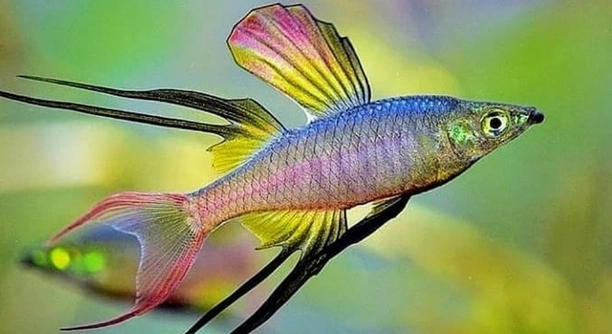
Threadfin are social fish that usually swim in groups, creating synchronized patterns that seem almost magical. Sometimes, however, they stop schooling, leaving owners puzzled and curious about their unusual behavior in the tank or open water.
A threadfin may refuse to school due to environmental stress, illness, injury, or changes in water conditions. Behavioral shifts can result from disrupted social hierarchies, lack of proper nutrition, or unfamiliar surroundings affecting their natural schooling instincts.
Understanding these triggers can help you restore harmony in your tank or habitat, ensuring your threadfin remain healthy, social, and confident in their environment.
Water Quality Issues
Threadfin are sensitive to changes in their environment. Poor water quality, such as high ammonia, nitrite, or nitrate levels, can cause stress and make them stop schooling. Temperature fluctuations or improper pH levels also interfere with their natural behavior. When water conditions are unstable, fish may isolate themselves to cope. Filtration and regular water changes are essential to maintain a stable habitat. Additionally, overcrowding can increase waste and reduce oxygen, further discouraging schooling. Observing your tank daily helps you notice any sudden behavioral changes. Even subtle shifts, like lingering near the surface or hiding, can indicate water problems. Correcting these issues early prevents illness and helps fish return to their normal patterns. Maintaining consistent water conditions is not just about cleanliness—it directly impacts fish social interactions. Proper care encourages threadfin to feel safe and confident, which naturally promotes schooling behavior over time. A balanced environment supports overall health, growth, and group cohesion among your fish.
Keeping water parameters stable prevents stress and encourages threadfin to school naturally, supporting their health and social behavior.
Regular testing, gradual changes, and attentive maintenance can help restore harmony in the tank. Using quality filtration, avoiding overfeeding, and monitoring chemical levels will allow your threadfin to regain confidence. Consistent routines help them reestablish group patterns and reduce the risk of illness. Over time, fish regain their normal behavior and start schooling again.
Illness or Injury
Sick or injured threadfin often stop schooling because they feel weak or vulnerable. Even minor injuries can affect swimming ability, making them hang back from the group.
When a fish shows signs of disease, such as faded color, frayed fins, or lethargy, prompt attention is necessary. Quarantining affected individuals and consulting with a veterinarian or experienced aquarist helps prevent the spread of illness. Nutritional support and careful observation during recovery are critical. Some illnesses are contagious, so isolating sick fish protects the rest of the tank. Stress from injury or infection can disrupt normal schooling for days or weeks. Monitoring your fish’s behavior daily allows early detection of health problems. Proper diet, clean water, and gentle handling reduce the likelihood of injury. Preventing illness through a stable environment and careful feeding helps maintain social cohesion in the school. Supporting their recovery encourages them to rejoin the group safely, restoring the natural dynamics you expect.
Stress from Tank Mates
Threadfin can stop schooling when stressed by aggressive or overly active tank mates. Constant chasing or nipping disrupts their confidence and forces them to isolate to avoid confrontation. Stress reduces their natural group behavior.
Aggressive fish or incompatible species can make threadfin hide or swim separately. Even if no physical harm occurs, the psychological impact of persistent harassment can prevent normal schooling. Adding peaceful species or rearranging the tank to create hiding spots can reduce tension. Observing interactions and adjusting the number or type of fish may restore social balance. Stress management is essential to maintain both health and group cohesion. Regular monitoring ensures that threadfin feel safe and gradually return to schooling behavior.
Environmental enrichment and adequate space help threadfin regain confidence. Providing plants, rocks, or other structures creates safe zones and allows them to avoid conflict. Gradually introducing new fish while monitoring reactions reduces stress. Adjusting feeding routines and maintaining consistent water conditions further supports recovery. Over time, threadfin can reintegrate into their school, resuming synchronized swimming and social interaction, which improves overall well-being. Creating a calm, balanced tank environment is key to encouraging natural schooling behavior.
Hunger or Nutritional Deficiency
Insufficient food or poor diet can cause threadfin to avoid schooling. Malnourished fish often conserve energy, staying on the edges of the group or remaining alone.
When threadfin lack essential nutrients, they may become lethargic and weak, which reduces their ability to swim in coordinated patterns. A diet lacking protein, vitamins, or fatty acids affects energy levels and muscle function. Over time, these deficiencies can also weaken their immune system, increasing susceptibility to disease. Ensuring a balanced diet, including high-quality flakes, pellets, and occasional live or frozen foods, helps maintain energy and strength. Feeding smaller portions multiple times a day can encourage active behavior and schooling.
Observing feeding behavior is crucial. Fish that consistently fail to compete for food may need specialized diets or supplements to restore vitality. Adjusting diet variety, quantity, and feeding frequency supports proper growth and energy levels. Healthy, well-fed threadfin regain the stamina required for synchronized swimming. Monitoring their condition daily helps detect deficiencies early, ensuring fish remain active, social, and confident in the group. Proper nutrition directly impacts both physical and social behavior.
Sudden Environmental Changes
Threadfin may stop schooling when their surroundings change quickly. New decorations, sudden temperature shifts, or moving the tank can make them anxious.
Even small changes in lighting or water flow can disrupt their sense of security. Gradual adjustments help them adapt without stress, supporting normal schooling behavior.
Reproduction Behavior
During breeding periods, threadfin sometimes separate from the group to focus on mating activities. This temporary isolation is natural and allows them to establish territory or court partners. Adjusting tank conditions can support healthy reproductive behavior while minimizing stress on other fish.
Poor Lighting Conditions
Insufficient or harsh lighting can make threadfin hesitant to swim with the group. Proper, consistent lighting encourages natural movement and schooling patterns.
FAQ
Why is my threadfin hiding at the bottom of the tank?
Threadfin often hide when they feel stressed, sick, or uncomfortable in their environment. Poor water quality, aggressive tank mates, or sudden changes in the tank can make them retreat. Hiding is their way of conserving energy and avoiding perceived threats until conditions feel safe.
How can I tell if my threadfin is sick?
Signs of illness include faded color, clamped fins, sluggish movement, or abnormal swimming patterns. Watch for unusual spots, frayed fins, or labored breathing. Sick threadfin may separate from the group and refuse food. Early detection is essential for recovery. Quarantining affected fish and consulting a knowledgeable aquarist can prevent the spread of disease.
Can water temperature affect schooling behavior?
Yes. Threadfin are sensitive to temperature fluctuations. Too cold or too warm water can reduce their energy, making them less likely to swim in groups. Maintaining a stable temperature within their preferred range promotes natural behavior, including synchronized schooling. Using a reliable heater or thermometer ensures consistent conditions.
What role does diet play in schooling?
A poor diet can make threadfin weak and lethargic. They may avoid the group if they don’t have enough energy. Providing a varied diet of high-quality flakes, pellets, and occasional live or frozen food supports growth, energy, and social behavior. Feeding smaller portions multiple times a day keeps them active.
Can stress from other fish stop schooling?
Aggressive or incompatible tank mates can intimidate threadfin. Continuous chasing or nipping forces them to isolate. Adding peaceful species, providing hiding spots, or rearranging the tank can reduce stress. Observing interactions and gradually introducing new fish helps restore confidence and encourages group swimming.
Is poor lighting a factor in schooling?
Lighting affects visibility and comfort. Too dim or harsh light can make threadfin hesitant to join the school. Consistent, moderate lighting allows them to see their surroundings clearly, feel safe, and swim in synchronized patterns. Adjusting lighting gradually can prevent sudden stress.
How long does it take for threadfin to resume schooling?
Recovery time depends on the cause. If stress, water quality, or diet issues are addressed, some fish may rejoin the group within days. Others, especially those recovering from illness or injury, may take weeks. Patience and careful monitoring are key to helping them regain normal behavior.
Can I prevent my threadfin from refusing to school?
Maintaining stable water conditions, providing a balanced diet, avoiding aggressive tank mates, and minimizing sudden changes all help prevent schooling issues. Regular observation allows early detection of stress or illness. Creating a calm, structured environment supports healthy social interactions and keeps threadfin swimming together naturally.
Are isolated threadfin at risk?
Yes. Fish that stop schooling may become weaker, stressed, or more prone to disease. Social interaction is important for their well-being. Ensuring they feel safe and healthy encourages them to reintegrate, reducing long-term health risks and maintaining their natural group behavior.
What should I do if one fish never returns to the school?
Persistent isolation may indicate ongoing stress, illness, or physical limitations. Evaluate water quality, diet, and tank dynamics carefully. In some cases, separating the fish into a smaller, calmer tank for recovery can help. Continue monitoring and providing proper care to improve chances of reintegration.
Can adding plants or decorations help schooling?
Yes. Environmental enrichment gives threadfin places to hide and reduces stress. Plants, rocks, or other structures allow fish to retreat safely from aggressive tank mates or sudden disturbances. A well-structured tank helps fish feel secure and encourages natural schooling behavior over time.
How important is routine maintenance for schooling behavior?
Routine maintenance is critical. Regular water changes, filter cleaning, and monitoring chemical levels prevent stress and health issues. Consistent care ensures stable conditions, which directly influence threadfin confidence and their willingness to swim together in a coordinated school.
Final Thoughts
Threadfin are naturally social fish that thrive when they feel safe and comfortable in their environment. Observing them swim in synchronized patterns is rewarding, but when they stop schooling, it often signals that something in their habitat or health needs attention. Many factors can influence their behavior, including water quality, diet, stress from tank mates, illness, or sudden changes in the environment. Each of these factors can have a direct impact on their energy, confidence, and willingness to interact with the group. Understanding these influences helps you create a supportive space where your fish can thrive. Regular observation is important because even small behavioral changes can indicate larger issues. By paying attention to their swimming patterns, hiding habits, and appetite, you can address problems before they become serious. Consistent care fosters a healthy, stable environment, encouraging your threadfin to return to normal schooling behavior naturally.
Maintaining a balanced and stable environment is one of the most effective ways to support threadfin. Proper water parameters, consistent lighting, and a varied diet all contribute to their overall health and social behavior. Overcrowding and aggressive tank mates should be avoided, as these factors can cause long-term stress and discourage schooling. Providing hiding spots, plants, or decorations can give them safe zones to retreat when they feel threatened or overwhelmed. Small adjustments, like gradual changes in temperature or lighting, can reduce anxiety and help fish adapt to new conditions. Even subtle improvements in care can have a noticeable impact on their confidence and willingness to engage with the group. Paying attention to details, such as feeding routines and water testing schedules, ensures that threadfin receive the best care possible. With time and patience, most fish will gradually resume their normal social behaviors and thrive in a well-maintained tank.
Understanding threadfin behavior requires a combination of observation, knowledge, and consistent care. Illness or injury may temporarily disrupt schooling, but proper treatment and a supportive environment can help fish recover. Nutritional support is equally important, as a strong, well-fed fish has more energy to participate in group swimming. Stress management, through careful tank setup and monitoring interactions, prevents isolation and encourages healthy social bonds. While it can be concerning to see a fish stop schooling, these behaviors are often signals rather than permanent problems. By addressing the underlying causes, providing a stable environment, and maintaining attentive care, threadfin can regain their confidence and return to the group. Focusing on their needs ensures that your tank remains a healthy, balanced space where fish can swim together naturally, showing off the synchronized patterns that make them so fascinating.

Hello,
If you enjoy the content that we create, please consider saying a "Thank You!" by leaving a tip.
Every little bit helps us continue crafting quality advice that supports the health, happiness, and well-being of pets around the world, for pets of all shapes, sizes, and species.
We really appreciate the kindness and support that you show us!