
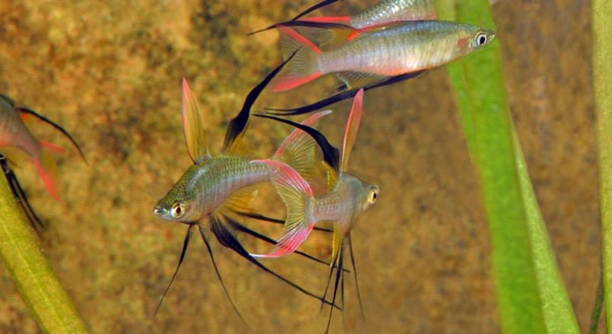
Threadfins are graceful fish that many aquarium enthusiasts enjoy keeping. Their sleek bodies and delicate fins make them a captivating addition to any tank. Choosing the right environment is essential for their health and natural behavior.
Threadfins can adapt to both bare and decorated tanks; however, research indicates they thrive best in minimally decorated environments that provide open swimming space, with selective use of hiding spots to reduce stress while supporting natural activity.
Observing their behavior in different setups helps ensure a balanced, comfortable habitat for long-term well-being and enjoyment in your aquarium.
Understanding Threadfin Behavior
Threadfins are active swimmers that require plenty of open space to move freely. They are naturally drawn to areas where they can glide without obstruction. While decorations can provide hiding spots, too many can restrict their swimming patterns and cause unnecessary stress. Observing their behavior can reveal preferences. Some threadfins may explore ornaments briefly, but most spend the majority of their time in open areas. Light and water flow also play a role, as they feel more secure in well-lit spaces with gentle currents. When setting up a tank, it’s important to strike a balance between aesthetics and functionality. Minimal decorations paired with clear swimming zones tend to keep threadfins healthy and active. Adding a few plants or small hiding spots allows them to retreat when needed. This setup supports both their natural instincts and ease of maintenance. Proper observation ensures they remain comfortable and show their characteristic elegance consistently.
Decorations should be chosen sparingly to maintain open swimming areas and prevent stress, while still offering occasional shelter and security.
Keeping their tank uncluttered benefits both the fish and the owner. Open spaces allow easier monitoring of health, reduce aggression, and make maintenance simpler. When hiding spots are present, they should be small and strategically placed so threadfins can use them without interrupting swimming space. Plants can be added, but dense arrangements are unnecessary. Overall, a balance of minimal decoration and ample space provides an optimal environment, ensuring the fish remain active, healthy, and visually appealing while simplifying upkeep.
Choosing the Right Tank Setup
A proper setup considers space, water flow, and selective decoration to suit threadfin behavior.
Open areas allow threadfins to swim actively while maintaining their natural patterns. Minimal decor reduces stress and prevents injury, while hiding spots placed at the edges offer safety without interfering with swimming. Proper filtration and water movement support health. Observing how they interact with the environment helps fine-tune placement.
Selecting the right tank involves more than just size. A long, open tank is ideal for swimming. Decorations should enhance the environment without blocking movement or sightlines. Plants, rocks, or small caves can be added, but they should not dominate the space. Monitoring fish behavior helps determine if adjustments are needed. Proper lighting and water conditions are equally important, as threadfins prefer stable temperatures and gentle flow. The combination of open swimming areas, selective hiding spots, and optimal water conditions creates a setting that encourages natural behavior, reduces stress, and supports long-term health. Choosing the right balance ensures the fish thrive and display their natural elegance consistently.
Tank Decorations and Threadfin Comfort
Threadfins use open spaces more than hiding spots. Minimal decorations help them swim freely, reducing stress and allowing natural movement patterns. Small plants or rocks can be added, but they should not block swimming areas or light, keeping the environment simple and functional.
Overdecorating a tank can create obstacles that limit swimming and increase stress levels. Threadfins need clear pathways to maintain their active lifestyle. When adding items, focus on a few well-placed plants or small hiding spots rather than clutter. Keeping the bottom clear ensures they can glide easily, while selective decoration provides occasional refuge without compromising movement. This approach supports both their health and natural behavior.
Some threadfins may investigate decorations, but they rarely linger. They prefer swimming in open zones where water flow and light are unobstructed. Decorations should enhance the tank without dominating it, maintaining a balance between security and freedom. Observing how they interact with the setup allows small adjustments to ensure comfort. The goal is to create an environment that meets their natural needs without unnecessary clutter, keeping them active, stress-free, and visually appealing.
Water Flow and Lighting
Gentle water flow is ideal, as strong currents can stress threadfins. Lighting should be even and not too harsh, helping them feel secure and active.
Proper flow mimics natural conditions and encourages swimming. Strong currents can exhaust fish or disrupt feeding behavior. Threadfins respond well to moderate circulation, which keeps water clean and oxygenated. Balanced lighting enhances visibility and highlights their sleek appearance without causing stress. Avoid harsh direct light or intense fluctuations that could startle them. Placement of decorations should not block water movement or light, preserving open swimming areas. Monitoring fish behavior under different conditions allows adjustments to flow and lighting, ensuring the tank remains comfortable and functional.
Maintaining stable water parameters is also essential. Regular checks of temperature, pH, and oxygen levels help prevent stress-related issues. Combining moderate flow with consistent lighting and minimal obstruction supports natural movement, encourages healthy activity, and reduces aggression. Strategic placement of plants or small shelters should not interfere with swimming paths. Observing their reactions allows fine-tuning of the environment. A well-balanced setup ensures threadfins remain healthy, active, and visually vibrant, reflecting their natural elegance in a safe, comfortable habitat.
Selecting Substrate
Threadfins do not require heavy substrate. A fine sand or smooth gravel layer works best, providing comfort without interfering with swimming. Sharp or coarse materials can injure their delicate fins, so keeping the bottom soft and minimal helps maintain their health and natural behavior.
A light substrate also simplifies cleaning. Debris collects less in shallow sand or gravel, making maintenance easier. Threadfins can glide over the surface without disturbance, reducing stress and ensuring they stay active. Minimal substrate keeps the tank visually open and supports optimal swimming space while still offering a natural feel.
Plant Placement
Plants should be sparse and positioned along tank edges. This preserves open swimming areas while giving threadfins occasional hiding spots.
Tank Size Recommendations
A long tank with ample width is ideal for threadfins. They need horizontal space to swim freely and maintain their energy levels. Smaller or overly tall tanks limit movement, increase stress, and can reduce overall health. Choosing a tank that prioritizes swimming distance over decorative height creates a comfortable environment. Proper dimensions allow for gentle water flow, lighting distribution, and selective decorations without restricting activity. Observing how the fish move in the tank helps fine-tune setup and placement of minimal plants or rocks. Ultimately, space is more important than ornamentation for their well-being.
Monitoring Behavior
Regular observation helps identify stress or discomfort early. Adjustments can be made quickly to support their health.
FAQ
Do threadfins need decorations to feel safe?
Threadfins do not rely heavily on decorations for security. They are active swimmers and feel comfortable in open spaces where they can move freely. Small hiding spots or sparse plants along the edges can provide occasional refuge, but their main focus is open swimming areas. Overcrowding the tank with ornaments can cause stress and restrict natural movement. Keeping the tank mostly open allows them to express normal behaviors while still having safe areas if needed. Observing how they interact with a few carefully placed decorations can help determine what is ideal for each individual fish.
Can threadfins live in a completely bare tank?
Yes, threadfins can live successfully in a bare tank as long as the environment meets their basic needs. Open swimming space is essential, and minimal substrate, gentle water flow, and stable water conditions are required. Bare tanks make it easier to monitor their health and maintain water quality. Even without plants or ornaments, threadfins will explore, swim actively, and interact naturally with their surroundings. Occasionally adding a small plant or smooth rock for variety is optional, but it is not necessary for their comfort or well-being.
What type of substrate is best for threadfins?
A fine sand or smooth gravel substrate is ideal. Sharp or coarse materials can damage their delicate fins and create stress. Minimal substrate keeps the tank visually open and allows threadfins to swim comfortably across the bottom without interference. It also makes cleaning easier, as debris is less likely to get trapped. The choice of substrate should prioritize safety and ease of movement while still providing a natural look. Observing how the fish move over the substrate ensures it is suitable and does not cause injury or behavioral issues.
How many decorations are appropriate for a threadfin tank?
Decorations should be limited to a few small items, such as smooth rocks or sparse plants along tank edges. Overdecorating reduces swimming space and can stress the fish. The goal is to maintain open areas for movement while offering selective hiding spots for security. Every addition should be evaluated to ensure it does not block water flow, light, or visibility. Threadfins generally use decorations sparingly, so keeping the tank simple meets both their behavioral and aesthetic needs. Minimal placement supports healthy activity and reduces potential hazards.
What water conditions do threadfins prefer?
Threadfins thrive in stable water conditions with moderate temperature, balanced pH, and gentle flow. Strong currents or sudden changes can cause stress. Proper filtration ensures clean water while moderate circulation supports oxygenation. Lighting should be consistent and not too harsh, helping them feel secure. Regular monitoring of water parameters helps prevent health issues. Observing behavior under different conditions allows adjustments to flow, lighting, and temperature, ensuring the tank remains comfortable and safe for daily activity.
How can I tell if my threadfins are stressed by decorations or tank setup?
Signs of stress include hiding excessively, reduced swimming, fin clamping, or erratic movement. If threadfins avoid areas with dense decorations or collide frequently with ornaments, the setup may be too cluttered. Adjusting or removing items and observing behavioral changes can help determine what works best. Stress-free fish will swim confidently, explore open areas, and interact naturally. Proper placement of decorations, adequate open space, and gentle water flow all contribute to reducing stress and encouraging normal behavior.
Are threadfins social with other fish in a decorated tank?
Threadfins can be social but prefer companions in open areas where swimming is unrestricted. Overcrowded or heavily decorated tanks may interfere with social interactions. They establish swimming patterns and territories more comfortably in open space, using sparse decorations only for brief retreats. Observing interactions helps ensure compatibility and reduces aggression, promoting a balanced and calm tank environment. Minimal decorations also allow other species to move freely without conflicts, maintaining harmony in a shared habitat.
Do plants improve a threadfin’s well-being?
Plants can add some comfort and visual interest but are not essential. Sparse, well-placed plants along tank edges can offer shelter and slight variation in the environment. They should not restrict swimming paths or dominate the space. Threadfins benefit more from open swimming areas, and plants are mainly optional for creating occasional hiding spots or enhancing aesthetics. Choosing easy-to-maintain, smooth-leaved plants minimizes injury risk while supporting a calm, low-stress environment.
How often should I adjust decorations in a threadfin tank?
Adjustments are only necessary if behavior or movement indicates discomfort. Frequent changes can increase stress, so minimal repositioning is recommended. Observing swimming patterns, social interactions, and use of hiding spots can indicate if minor modifications are needed. The goal is to create a stable environment that supports activity and reduces stress. Once the ideal balance of open space and selective decoration is achieved, it is best to maintain the setup with only occasional updates.
Is tank size more important than decoration for threadfins?
Yes, horizontal swimming space is critical for their health and activity levels. A long tank provides freedom for movement, while overdecorated or smaller tanks can cause stress and restrict natural behaviors. Proper dimensions support water flow, light distribution, and selective decoration placement. Observing how the fish utilize the tank ensures the setup meets their needs, prioritizing space over ornamentation. Open areas allow for natural swimming, social interactions, and reduce aggression, making tank size the most important factor for long-term well-being.
Can threadfins adapt to both bare and lightly decorated tanks?
Threadfins are adaptable and can thrive in both environments. They prefer open spaces but will use small decorations for occasional hiding or exploration. Minimal decorations in a carefully balanced setup meet their physical and behavioral needs. Observing their activity ensures the tank provides comfort and supports natural behavior without unnecessary clutter.
What is the ideal balance of open space and decoration for threadfins?
The ideal setup includes mostly open swimming areas with a few selective hiding spots along the edges. Sparse plants or smooth rocks can be used for security, while keeping the central tank area clear supports movement, reduces stress, and allows observation of health and behavior. This balance encourages natural activity and maintains a visually appealing environment.
How do I know if a tank is too decorated for threadfins?
If threadfins avoid areas, swim erratically, or show signs of stress, the tank may be overcrowded. Decorations that block light, flow, or swimming paths can cause discomfort. Simplifying the setup and monitoring responses ensures the environment is suitable. Minimalism supports healthy behavior and reduces stress, while heavy ornamentation can limit freedom and natural activity.
Do threadfins interact with decorations at all?
They may investigate decorations briefly but rarely stay near them. Open swimming zones are their main focus, and they use hiding spots only occasionally. Observing interaction helps determine if placement is appropriate. The primary purpose of decorations is to offer optional security, not dominate the tank, keeping the environment simple, safe, and functional.
Can decoration placement affect feeding or activity levels?
Yes, dense or poorly placed decorations can block swimming paths and limit access to food. Minimal and well-positioned items maintain open areas for feeding, exercise, and natural behaviors. Observing fish during feeding helps ensure decorations do not interfere with activity or nutrition, supporting both health and comfort in the tank.
How do I maintain a decorated tank without stressing threadfins?
Keep cleaning routines gentle and avoid frequent rearrangements. Remove debris carefully without disturbing open swimming zones. Sparse, stable decorations reduce stress while allowing fish to move freely. Observation during maintenance ensures behavior remains normal, and minor adjustments can be made only when necessary. Maintaining stability is key for long-term well-being.
Are there decorations that are harmful to threadfins?
Sharp, rough, or large decorations can injure fins or restrict swimming. Heavy ornaments may topple and cause accidents. Smooth, small rocks or soft plants are preferred. Decorations should never dominate space or block movement, keeping safety and comfort as the priority. Proper selection prevents injury and reduces stress, supporting healthy activity.
How important is observation in a decorated tank?
Observation is essential to ensure decorations do not cause stress or limit movement. Watching how threadfins swim, interact, and use hiding spots allows fine-tuning of the environment. Behavior indicates if the balance between open space and decorations is correct, helping maintain a healthy, comfortable habitat.
Do threadfins require different setups as they grow?
Larger threadfins need more swimming space and may outgrow smaller tanks or tightly decorated areas. Adjustments to open areas and selective decoration placement ensure continued comfort. Monitoring size, activity, and stress levels helps maintain a suitable environment for all stages of growth, supporting health and natural behavior.
Can I use artificial plants in a threadfin tank?
Yes, but choose soft, flexible types to prevent injury. Artificial plants can offer occasional shelter without taking up much space. Avoid sharp or rigid materials. Placement should maintain open swimming zones and allow natural movement. Properly chosen artificial plants are safe, low-maintenance, and provide the minimal coverage threadfins need.
Do threadfins require different setups in community tanks?
In community tanks, open space is even more important. Dense decorations can cause conflict with other species or limit movement. Minimal, well-placed decorations allow threadfins and tankmates to coexist safely while supporting swimming, feeding, and natural behaviors. Observation ensures harmony and reduces stress for all fish.
How often should I check the impact of decorations on behavior?
Regular observation during feeding and active periods is sufficient. Look for changes in swimming patterns, hiding, or stress indicators. Minor adjustments can be made when behavior suggests discomfort. Routine monitoring ensures decorations continue to support health, comfort, and activity without overcrowding the tank.
Are threadfins more active in bare tanks than decorated ones?
Generally, yes. Open space allows more swimming and exploration. Minimal decorations encourage natural movement and reduce stress. Threadfins in bare tanks often appear more energetic, glide smoothly, and interact freely. Sparse, well-placed items do not significantly reduce activity, maintaining a balance between safety and mobility.
Can too many hiding spots negatively affect threadfins?
Excessive hiding areas limit open space, disrupt swimming, and can increase stress. Threadfins prefer freedom of movement and use hiding spots only occasionally. Keeping decorations sparse ensures ample room to swim, encourages natural behaviors, and reduces competition or territorial disputes. Observing usage helps determine proper placement and quantity.
How do I test if my tank setup is ideal?
Observe swimming patterns, stress behaviors, social interaction, and use of hiding spots. Active, confident movement in open areas indicates a suitable setup. Avoid overcrowding, ensure water flow and light are balanced, and monitor health regularly. Small adjustments can optimize comfort without disrupting established patterns.
Do threadfins need different setups in breeding tanks?
For breeding, open space remains crucial. Minimal decorations allow easy movement for courtship and egg-laying. Selective placement of plants or smooth surfaces can provide shelter for eggs without restricting swimming. Maintaining stable water conditions and ample open space ensures successful breeding and reduces stress for both adults and fry.
Can decoration types affect water quality for threadfins?
Yes. Certain porous rocks or untreated materials can alter pH or release chemicals. Choose safe, non-toxic items and rinse before placement. Proper selection ensures water quality remains stable, supporting health, activity, and comfort for threadfins while minimizing maintenance issues.
What is the easiest way to balance decorations and open space?
Place minimal items along tank edges, keep the center open, and observe behavior. Remove unnecessary ornaments and avoid clustering. Prioritize swimming areas while providing optional hiding spots. Adjust gradually based on activity and stress indicators. This approach keeps the tank simple, safe, and functional.
How do I know when to add or remove decorations?
Add only if the fish need shelter or variety, remove if movement or behavior is hindered. Observation is key. Threadfins prefer stability, so changes should be minimal and gradual. Monitoring ensures decorations support comfort, health, and activity without overcrowding the tank.
Do threadfins react differently to natural vs. artificial decorations?
Behavior is largely similar. Safety and placement matter more than material. Natural items may provide subtle benefits, but artificial decorations can serve the same purpose if smooth and unobtrusive. The main goal is open space with occasional security points. Proper placement ensures comfort regardless of material choice.
How much space should each threadfin have in a tank?
Each fish needs ample horizontal space for swimming. Crowded tanks reduce activity, increase stress, and can lead to aggression. Open areas should dominate, with only small decorations along edges. Proper space supports health, natural behavior, and reduces conflicts. Observation helps adjust as the fish grow or numbers increase.
Are certain decoration shapes better for threadfins?
Smooth, rounded, or low-profile shapes are ideal. Avoid sharp, tall, or obstructive items that interfere with swimming or risk injury. Simple shapes maintain open space while providing optional shelter. Placement along edges ensures they do not impede movement or visibility.
Do threadfins ever hide completely in decorated tanks?
Rarely. They prefer open swimming zones. Hiding spots are used only occasionally for comfort or retreat. Excessive hiding indicates stress or overcrowding. Minimal, well-placed decorations balance security with activity, encouraging normal behavior without limiting movement.
Can lighting and decoration placement work together to reduce stress?
Yes. Proper lighting and minimal, edge-placed decorations enhance security without restricting movement. Avoid shadows that create dark, cramped areas. Balanced light distribution highlights open swimming zones and safe hiding spots, supporting activity and comfort.
How do I introduce new decorations without stressing threadfins?
Add one item at a time, placed along edges, and observe behavior for several days. Avoid moving existing decorations frequently. Gradual introduction allows fish to adjust and maintain normal activity levels.
Are there seasonal considerations for decorations in threadfin tanks?
Not directly, but seasonal water changes and temperature fluctuations may require monitoring. Decorations should remain stable, and any necessary adjustments should consider water flow, lighting, and swimming space to avoid stress during environmental changes.
Do threadfins prefer hiding spots at certain heights or positions?
Edges or corners are best. They rarely use high or central tank areas for hiding. Low, unobtrusive placements maintain open swimming zones and provide optional retreat without interfering with natural movement or light distribution.
Can overdecorated tanks lead to health problems?
Yes. Limited swimming space can reduce exercise, increase stress, and cause fin damage or aggression. Minimal, well-placed decorations prevent injury, maintain open space, and support overall health and activity levels. Observation is key to preventing issues.
Is it better to rearrange a decorated tank or leave it static?
A mostly static setup is best. Frequent rearrangements can cause stress. Minor adjustments are only needed if behavior indicates discomfort or growth requires more space. Stability encourages normal swimming patterns and reduces anxiety.
How do I maintain visual appeal without overdecorating?
Use a few well-placed decorations, sparse plants, or smooth rocks along edges. Open areas dominate the tank, keeping swimming space clear. This approach balances aesthetics with health, activity, and comfort for threadfins.
Are some materials safer for threadfins than others?
Yes. Smooth rocks, non-toxic plastics, and soft plants are preferred. Avoid sharp, rough, or chemically treated items. Safe materials reduce injury risk, maintain water quality, and ensure a comfortable swimming environment.
Can observing tank cleaning routines reveal decoration issues?
Yes. If fish hide, avoid certain areas, or seem stressed during cleaning, decorations may be obstructing movement or comfort. Adjust placement to maintain open swimming zones while preserving minimal security spots.
Do threadfins benefit from occasional changes in decorations?
Minor changes can provide variety, but they prefer consistency. Any additions or repositioning should be gradual, maintaining ample open space. This prevents stress while allowing optional exploration and comfort.
How important is balance between safety and freedom in a decorated tank?
Critical. Decorations should provide occasional security without limiting swimming space. Open areas encourage natural activity, while minimal, safe items support comfort. Proper balance ensures health, reduces stress, and maintains a visually appealing tank.
What are the signs that a decorated tank setup is ideal?
Threadfins swim actively, interact naturally, use hiding spots occasionally, show no signs of stress, and maintain health. Open space dominates the tank, with sparse decorations supporting security without obstructing movement. Consistent behavior indicates a successful balance.
Can too little decoration be a problem?
Not usually. Threadfins prioritize open space. Minimal or no decorations rarely cause stress as long as water conditions, swimming area, and hiding options are adequate. Sparse decoration supports comfort, activity, and well-being.
Is monitoring behavior enough to adjust decorations?
Yes. Careful observation during swimming, feeding, and resting provides insight into whether adjustments are needed. Behavioral cues guide placement and quantity, ensuring a comfortable environment without unnecessary clutter.
Do threadfins ever rearrange decorations themselves?
No. They do not manipulate objects but will interact lightly with plants or rocks. All placement adjustments must be made by the owner, keeping safety and open swimming space in mind.
Can a threadfin tank be both simple and visually appealing?
Absolutely. Minimal, well-placed decorations along edges, paired with clean water, proper lighting, and open swimming areas, create an elegant, functional tank that highlights the fish’s natural beauty.
How do I know if a new decoration is necessary?
Only add if fish show signs of needing shelter, enrichment, or safety. Observation ensures additions support activity without overcrowding. Less is often more for threadfins, keeping the tank open, safe, and comfortable.
Are floating decorations suitable for threadfins?
Generally, no. They can obstruct swimming, cast shadows, and reduce light in open areas. Threadfins benefit more from edge-placed or bottom-level decorations, preserving freedom of movement.
Do decoration colors matter for threadfins?
Subtle or natural tones are best. Bright, reflective items may cause stress or distraction. Minimal, soft-colored decorations maintain a calm environment while highlighting the fish’s natural appearance.
How often should substrate be adjusted with decorations?
Only when necessary, such as when adding or removing decorations. Minimal changes prevent stress and maintain safe swimming zones, keeping the tank consistent for threadfins.
Can threadfins tolerate tanks with mixed decoration styles?
Yes, if space remains open and items are safe. Avoid overcrowding or combining rough, sharp, or large objects that obstruct swimming. Proper balance maintains activity, reduces stress, and allows natural behavior.
Do they prefer decorations on one side of the tank?
Placing decorations along edges or corners is ideal. It keeps central areas open for swimming while offering optional security, creating a comfortable balance for threadfins.
Are there decorations to completely avoid?
Yes. Sharp, tall, unstable, or chemically treated items can cause injury, block movement, or affect water quality. Smooth, minimal, and stable objects are always safer.
Do threadfins benefit from vertical decorations?
Minimal vertical items can provide visual interest, but excessive vertical structures restrict movement. Low-profile placements preserve open swimming zones, ensuring natural behavior and comfort.
How do I adjust decorations for multiple threadfins?
Final Thoughts
Threadfins are active fish that thrive in environments prioritizing open swimming areas over heavy decoration. Their slender, elegant bodies are built for gliding freely, and any clutter can limit their movement and cause stress. When setting up a tank, it is important to focus on creating a space that allows them to swim naturally and comfortably. Minimal decorations, such as a few smooth rocks or sparse plants placed along the edges, can provide occasional security without interfering with their swimming patterns. By maintaining open zones, threadfins are able to exercise, explore, and interact naturally, which supports both their physical and mental well-being. Observing their behavior is key to understanding their preferences and ensuring that the tank environment meets their needs consistently.
A proper balance between safety and freedom is essential for their long-term health. Threadfins do not require elaborate hiding spots, but they do benefit from selective cover that allows retreat when necessary. Decorations should not dominate the tank or block water flow and light, as this can create stress and reduce activity. Substrate choice also plays a role; fine sand or smooth gravel is ideal for protecting their delicate fins and maintaining a safe, clean environment. Water quality, temperature, and gentle circulation are equally important in supporting their natural behavior. The combination of stable water conditions, open swimming space, and minimal decoration encourages threadfins to remain active, reduces the likelihood of injury, and supports overall well-being.
Maintaining a simple, uncluttered tank also benefits the owner. It makes cleaning, monitoring, and feeding easier, while still providing a visually appealing setup. Sparse decorations and selective plant placement create a natural feel without compromising swimming space, allowing threadfins to move freely and display their graceful movements. Over time, observing the fish helps refine the environment to suit individual behaviors and activity levels. Whether the tank is bare or lightly decorated, prioritizing open areas, proper water conditions, and minimal yet functional decoration ensures a healthy, stress-free habitat. With careful planning and observation, threadfins can flourish, remaining energetic, elegant, and comfortable in a well-balanced, thoughtfully arranged tank.

Hello,
If you enjoy the content that we create, please consider saying a "Thank You!" by leaving a tip.
Every little bit helps us continue crafting quality advice that supports the health, happiness, and well-being of pets around the world, for pets of all shapes, sizes, and species.
We really appreciate the kindness and support that you show us!