
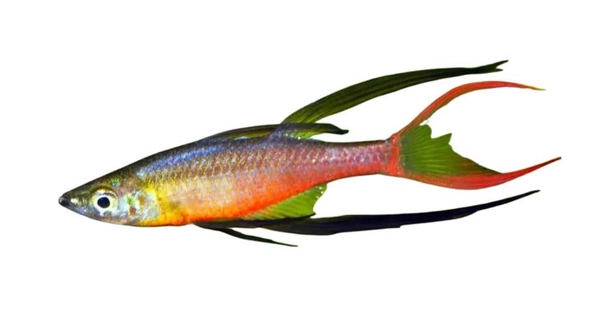
Have you ever noticed Threadfin Rainbowfish swimming together in your aquarium and wondered about their social behavior? These small, colorful fish often seem active and alert, moving around in coordinated ways that catch the eye of hobbyists.
Threadfin Rainbowfish can form temporary alliances primarily for foraging and protection. These partnerships are not permanent and often shift depending on environmental conditions and group dynamics. Such behavior enhances survival but does not indicate long-term social bonds.
Observing these patterns provides insight into their interactions and shows that even small fish display fascinating social strategies in their habitats.
Observing Temporary Alliances
I have spent hours watching Threadfin Rainbowfish in my tank, noticing how they group and move together. They often cluster near plants or corners, sharing space without conflict. These small alliances are subtle but consistent, forming mostly when food appears or when a new fish enters. Watching them, I realized that these partnerships help each fish stay alert to potential threats. The grouping seems fluid, with members joining or leaving quickly. Sometimes one fish leads, others follow, and then positions shift again. It is almost like a dance, precise but unplanned. Their colors flash vividly as they move, making it easy to track patterns. I noticed that younger fish tend to stick closer to older, more experienced ones, gaining safety and learning routes. These behaviors suggest that even small, colorful fish have a complex social awareness that adapts moment by moment, and it is fascinating to see these natural instincts play out in a confined space.
Temporary alliances often form around feeding times or when avoiding perceived threats in the tank.
Each alliance is short-lived, usually dissolving after the immediate need passes. Leadership shifts depending on confidence and position. These fleeting partnerships maximize survival, balancing risk and reward. It’s an efficient system that relies on quick observation and response, showing their adaptive intelligence.
Reasons Behind the Alliances
Temporary alliances serve practical purposes, primarily protection and access to food. Each fish benefits from the presence of others, reducing risk of attack and increasing chances to find resources.
When Threadfin Rainbowfish form these short-term groups, it is a clear strategy rather than a social preference. Fish at the edges tend to watch for danger, while central members focus on foraging. These alliances are flexible, often changing within minutes, reflecting the dynamic environment in which they live. I noticed that water conditions, tank size, and presence of other species influence how strong these temporary bonds become. Even minor changes, like rearranging plants or adding decorations, can shift group behavior quickly. This shows their sensitivity to surroundings and their instinct to adjust strategies for survival. It is remarkable that such small creatures can display behaviors that appear thoughtful and calculated, all without conscious planning. Understanding these interactions helps maintain a peaceful tank, ensuring that each fish has space and security while feeding and exploring. Observing these alliances has made me appreciate the adaptability and intelligence of Threadfin Rainbowfish far more than I expected.
Factors Influencing Alliances
Tank size and structure play a major role in forming temporary alliances. Smaller tanks lead to more frequent interactions, while plants and decorations provide hiding spots that affect group movement.
I noticed that in my tank, dense plants encourage tighter clusters. Fish often stay near corners or plant bases when new fish are introduced. Open areas promote scattering and reduce alliance stability. Lighting also matters; brighter light increases alertness, causing more coordinated swimming. Temperature changes subtly affect activity, with slightly warmer water encouraging faster movements and quicker formation of groups. Feeding patterns influence alliances too, as fish gather together around food but disperse afterward. These environmental factors create a dynamic setting where alliances are constantly forming and dissolving. Watching these subtle changes in behavior highlighted how sensitive Threadfin Rainbowfish are to their surroundings and how adaptable their short-term partnerships can be.
Behavioral differences also influence which fish stick together. Larger or more confident fish tend to lead, while smaller fish follow. Age and experience affect positioning, as younger fish often remain close to more experienced ones, learning routes and assessing risk. Social cues like tail flicks or quick dashes signal intent and can trigger temporary cooperation. I noticed in my aquarium that alliances often form spontaneously, with no permanent roles. These shifting patterns reveal an instinctive balance between competition and cooperation. Fish dynamically adjust their behavior based on immediate needs, showing that even small, colorful fish rely on subtle communication to navigate their environment.
Benefits of Temporary Alliances
Temporary alliances reduce the risk of predation and increase foraging efficiency in shared spaces. Fish in groups can react faster and cover more area when searching for food.
In my experience, fish forming these alliances move with purpose, avoiding conflict while maximizing safety. When one fish spots movement outside the group, others respond almost instantly. These short-term partnerships allow fish to share information about food sources or dangers without permanent obligations. Even in a peaceful tank, competition for resources is present, so alliances help balance risk and reward. Observing these behaviors made me realize how natural instincts shape social interaction. Each alliance is a temporary solution to immediate challenges, reflecting intelligence and adaptability in a small fish species. The coordination is impressive, highlighting how survival strategies can manifest even in confined environments.
How Alliances Form
Temporary alliances often start when food is introduced. Fish quickly recognize the presence of others and move closer to share safety and resources.
I noticed that subtle signals like quick glances or sudden movements trigger group formation. Fish sense each other’s intent and adjust positioning almost immediately.
Role of Leadership
Some fish naturally take the lead in these alliances. Larger or more confident individuals often guide the group’s movement, setting the pace and direction. Others follow, observing and copying actions. I’ve seen this repeatedly in my tank, especially during feeding times. Leaders are not permanent; roles shift depending on who is most alert or quickest to react. Temporary leadership ensures the alliance remains flexible, allowing all members to benefit. It’s fascinating to watch these dynamics because the group adapts instantly to environmental changes, demonstrating instinctive coordination and shared awareness among Threadfin Rainbowfish.
Signs of Dissolving Alliances
Alliances often break once the immediate need passes. Fish gradually spread out or return to individual routines, showing the temporary nature of these partnerships.
FAQ
How long do temporary alliances last among Threadfin Rainbowfish?
Temporary alliances usually last only a few minutes to an hour, depending on the situation. In my experience, alliances form quickly around food or when a new fish is introduced. Once the need passes, fish disperse and return to their normal routines. Environmental factors like tank size, plant coverage, and water flow can shorten or slightly extend these alliances. Observing my tank, I’ve seen that the fish rarely remain grouped for long unless there is a continuous trigger, such as constant feeding or perceived threat.
Do all Threadfin Rainbowfish participate in alliances?
Not every fish engages in these temporary partnerships equally. I’ve noticed that some are naturally more social and join groups frequently, while others prefer staying alone. Younger or smaller fish often follow older or larger ones, learning patterns and benefiting from protection. Some fish are more cautious and avoid joining unless food is present or a threat is obvious. These differences highlight how individual temperament affects social behavior, even in short-term alliances.
Are these alliances always about food?
Food is a major reason, but it’s not the only one. In my tank, I observed alliances forming when there was perceived danger or sudden movement in the water. Fish group together to monitor their surroundings, increasing safety. Temporary alliances also appear when establishing swimming routes or avoiding obstacles. These behaviors show that Threadfin Rainbowfish adapt their partnerships to different situations, using alliances as a flexible strategy to manage risk and resources efficiently.
Do environmental changes affect alliance formation?
Yes, environmental changes have a significant impact. When I rearranged plants in my aquarium, alliances became less predictable. Open spaces encourage scattering, while dense vegetation encourages clustering. Lighting, water flow, and temperature also influence coordination. Fish respond quickly to changes, forming new alliances or adjusting existing ones to maintain safety. These small adjustments reveal how sensitive Threadfin Rainbowfish are to their environment and how their short-term cooperation is influenced by habitat conditions.
Can alliances form in community tanks with other species?
Alliances still form, but they may be less stable in community tanks. I noticed that the presence of other species can interrupt group patterns or force fish to stay alert. Threadfin Rainbowfish adapt by temporarily sticking closer together for protection or moving cautiously around new species. These alliances are still functional, but external interactions often shorten their duration and make their movements less predictable.
Do temporary alliances indicate intelligence or planning?
While it may look like planning, these alliances are instinctive responses. Observing my fish, I realized they react to cues rather than deliberate strategy. Quick glances, sudden dashes, and following behaviors are all instinct-driven. However, the ability to coordinate, adjust positions, and shift leadership shows a surprising level of adaptive behavior in such small fish, reflecting instinctive intelligence rather than conscious decision-making.
How can I encourage healthy temporary alliances in my tank?
Providing ample space, plants, and hiding spots encourages natural group behaviors. I’ve found that maintaining stable water conditions and feeding schedules helps fish form safe, functional alliances. Avoid overcrowding and sudden changes, as these can stress fish and disrupt natural interactions. Observing their interactions over time gives insight into when and why alliances form, ensuring a balanced and peaceful environment.
Do alliances affect breeding behavior?
Temporary alliances are mostly unrelated to breeding. In my experience, breeding behaviors involve more individual courtship displays rather than group cooperation. However, alliances can indirectly support breeding by reducing stress and increasing overall safety, allowing fish to focus on mating activities without constant threat.
Can stress prevent alliances from forming?
Yes, stressed fish are less likely to form or maintain alliances. I noticed that sudden loud noises, aggressive tankmates, or poor water quality cause fish to scatter instead of cooperating. Stress interrupts their natural social behavior, making temporary alliances rare until conditions improve.
Is there a way to identify leaders in alliances?
Leaders are usually the most confident or experienced fish. In my tank, larger fish or those that move first toward food often take the lead. Followers adjust quickly, showing responsiveness rather than dominance. Leadership can shift frequently, reflecting flexibility and the temporary nature of these partnerships.
Do alliances improve survival in captivity?
Yes, alliances help fish stay alert and access food efficiently. Even in a safe tank, I’ve noticed that fish in groups respond faster to sudden movements or disturbances. This instinctive cooperation supports their well-being and helps maintain a balanced social structure, even in confined spaces.
Are temporary alliances unique to Threadfin Rainbowfish?
No, similar behaviors appear in other schooling or small freshwater fish. However, the way Threadfin Rainbowfish form short-term, flexible partnerships around immediate needs seems particularly noticeable. Their vibrant colors and active movements make these interactions easier to observe, which is why I often focus on them in my tank.
Can observing alliances teach us about fish behavior?
Absolutely. Watching how Threadfin Rainbowfish interact offers insight into instinctive social strategies. In my experience, observing alliances reveals how environmental cues, individual differences, and immediate needs shape behavior. Even small fish demonstrate complex patterns of cooperation, coordination, and adaptability that are fascinating to study.
This FAQ section captures the main aspects of temporary alliances, illustrating how Threadfin Rainbowfish navigate their environment and social interactions.
Final Thoughts
Watching Threadfin Rainbowfish form temporary alliances has given me a deeper appreciation for how even small creatures adapt to their surroundings. These alliances may seem random at first, but when you look closer, you start to notice patterns. Each movement and reaction has a purpose. They form groups not out of friendship, but out of need. Whether it’s finding food, avoiding stress, or adjusting to a new setup in the tank, these behaviors show that survival is often about cooperation, even if it is only for a short time. I’ve seen how quickly they respond to changes in light, noise, or water flow, moving together in smooth coordination. These moments make you realize how intelligent and sensitive fish can be, despite their size. They’re constantly assessing their environment and reacting in ways that help them stay safe and thrive.
Temporary alliances among Threadfin Rainbowfish reflect a natural balance between independence and cooperation. Each fish acts individually but also contributes to the group when necessary. This flexibility is one of their strongest survival traits. Unlike permanent schools, these alliances give them freedom to shift behavior as conditions change. When food becomes scarce or when danger seems near, they unite briefly to improve their chances. Then, once the threat is gone, they return to individual movement without hesitation. It’s an efficient and instinctive way of living. In a well-kept aquarium, these alliances become easier to observe. They show that even within confined spaces, natural instincts remain strong. I find it fascinating how these fish don’t rely on dominance or hierarchy but on quick, responsive cooperation. Their ability to adapt so smoothly makes them a truly interesting species to keep and study.
Understanding these temporary alliances also helps improve how we care for them. Knowing that Threadfin Rainbowfish form groups for security and comfort reminds us to create a calm and balanced environment. Adequate space, gentle lighting, stable water, and soft filtration encourage natural behaviors. Stress and overcrowding can easily disrupt their instincts, leading to more isolation and erratic swimming. Observing them regularly allows you to notice subtle shifts in their interactions, which often signal changes in tank conditions. These alliances are a natural expression of how Threadfin Rainbowfish communicate and survive. They may be small and delicate, but their behavior tells a detailed story about adaptation, awareness, and instinct. Watching them has taught me that even brief moments of cooperation hold purpose, and that nature always finds balance, even in the smallest tanks.

Hello,
If you enjoy the content that we create, please consider saying a "Thank You!" by leaving a tip.
Every little bit helps us continue crafting quality advice that supports the health, happiness, and well-being of pets around the world, for pets of all shapes, sizes, and species.
We really appreciate the kindness and support that you show us!