
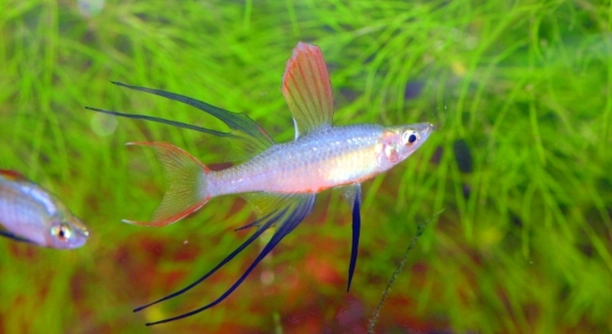
Do your threadfin rainbowfish often shy away from others, spending most of their time hidden behind plants or decorations in the tank?
The main reason shy threadfins struggle to socialize is due to unsuitable tank conditions. Adjusting lighting, layout, and group size can significantly reduce stress and encourage natural schooling behavior, helping them feel secure enough to interact more confidently.
From subtle layout changes to creating calmer surroundings, these tank adjustments can transform your timid threadfins into a lively, social group.
Adjusting the Lighting for Comfort
Lighting plays a big role in how threadfins behave. Bright, direct lighting can make them nervous and cause them to hide more often. Instead, soft, diffused light helps them feel secure and encourages natural activity. Using floating plants or adjustable LED lights can create shaded areas that mimic their native habitats. Threadfins prefer gentle lighting transitions throughout the day rather than sudden shifts, as abrupt changes can startle them. A balance between light and shadow allows them to explore comfortably and interact without feeling exposed. When the lighting feels calm, their true colors and confidence start to shine through naturally.
Keeping lighting consistent also helps reduce stress. A timer can regulate day and night cycles, creating a predictable pattern that makes them feel safe. Once the lighting feels balanced, you’ll notice them exploring more freely and gathering closer together.
A peaceful glow in their tank can change everything. Subtle lighting adjustments not only support their natural rhythm but also bring out their vibrant hues. When the tank feels calm, threadfins begin to display their gentle social behavior, making the aquarium livelier and more relaxing to watch. It’s a small change that often makes the biggest difference in their confidence and comfort.
Rearranging Decorations and Hiding Spots
Creating a layout that feels natural helps threadfins settle in faster. Too many open areas can make them feel vulnerable, while crowded spaces may restrict their movement. Finding the right balance is key.
Start by organizing decorations to create gentle zones rather than harsh divisions. Arrange plants, driftwood, and rocks to form soft boundaries where threadfins can weave through safely. Include a few dense areas for hiding, but leave open swimming space in the middle to encourage interaction. Tall background plants provide a sense of depth and security, while shorter foreground ones allow easy navigation. Avoid rearranging too often, as stability in their surroundings helps them feel at ease. Once the setup feels harmonious, you’ll notice them venturing out together more often. Rearranging decorations thoughtfully not only improves their confidence but also supports their social instincts. A comfortable environment allows them to focus less on hiding and more on connecting with one another.
Managing Water Flow and Filtration
Threadfins prefer calm, gentle water currents that allow them to swim freely without feeling pushed around. Strong filtration systems can create stress by forcing them to fight against constant flow, leading them to hide or separate from their group.
Adjusting your filter’s output or adding a spray bar helps distribute the flow more evenly across the tank. You can also position decorations or plants to break up strong currents and create calmer swimming zones. Threadfins tend to socialize better in areas with soft, steady movement. Balanced water circulation ensures they remain active without exhaustion, supporting healthy breathing and smoother interactions.
Keeping water quality stable is equally important. Regular maintenance and partial water changes help remove excess waste, preventing sudden parameter shifts that can unsettle your fish. Clean, well-oxygenated water encourages threadfins to stay visible and active. With comfortable flow and stability, they’ll swim gracefully together in peaceful harmony.
Adjusting Tank Size and Group Numbers
A spacious tank gives threadfins room to display their natural schooling behavior. Small tanks can make them nervous, limiting their ability to move together. A larger environment allows each fish to find its comfort zone while staying close to the group.
For healthy social behavior, threadfins should always be kept in groups of at least six to eight individuals. Smaller groups can make them timid and less active, while larger ones promote natural hierarchy and reduce stress. A tank size of at least 20 gallons provides enough space for smooth swimming and balanced interactions. Overcrowding should be avoided, as it can lead to competition and hiding. Giving them enough room to glide calmly in groups helps strengthen their bond and confidence. With proper space and companionship, your threadfins will feel safer and more connected, transforming shy behavior into graceful, synchronized movement.
Balancing Tankmates
Peaceful companions help threadfins feel secure and relaxed. Aggressive or overly active species can make them retreat into hiding. Choose calm, non-territorial fish that share similar water conditions, allowing threadfins to swim freely and interact without fear or tension.
Good companions include small rasboras, peaceful tetras, and gentle bottom dwellers like corydoras. Avoid fin-nipping species that may stress them. Balanced tankmates create a calm environment where threadfins can express their natural curiosity and socialize comfortably. A peaceful community encourages steady confidence and helps maintain their graceful swimming patterns.
Maintaining Stable Water Parameters
Threadfins are sensitive to sudden changes in temperature, pH, or hardness. Keeping these parameters steady is essential for reducing stress and encouraging consistent social behavior. Regular testing and careful adjustments help maintain a healthy, predictable environment where they feel safe and more likely to interact freely.
Offering a Nutritious and Varied Diet
A balanced diet helps threadfins stay active and vibrant. Providing a mix of high-quality flakes, micro-pellets, and frozen foods supports energy and natural color. Well-fed fish are more confident and spend less time hiding, showing brighter hues and livelier group movement.
FAQ
Why are my threadfin rainbowfish hiding all the time?
Threadfins often hide when they feel unsafe or stressed. This usually happens due to strong lighting, sudden noises, or poor tank layout. If the aquarium lacks enough plants or shaded spots, they may seek shelter behind decorations. Another common reason is unstable water parameters, which can make them uncomfortable. Check temperature, pH, and filtration flow to ensure they match their natural needs. Keeping their environment steady and quiet encourages them to explore more confidently. When they feel secure, they’ll begin swimming together in open areas more frequently.
How many threadfin rainbowfish should be kept together?
Threadfins are schooling fish and thrive in groups of at least six to eight. Smaller groups can make them shy or isolated, while larger ones help them feel safer and more social. When kept in proper numbers, they form a peaceful hierarchy that reduces stress. Make sure your tank is spacious enough—about 20 gallons or more—so each fish has enough swimming room. A balanced group encourages natural movement and interaction, allowing them to express their gentle personalities without fear. Keeping them in groups also enhances their colors and liveliness.
What kind of tank setup helps shy threadfins feel more comfortable?
A natural-looking setup with plenty of plants and gentle lighting works best. Use a mix of tall and short plants to create sheltered zones and open swimming areas. Floating plants can help diffuse light and reduce glare, which calms them down. Add a few pieces of driftwood or smooth stones to mimic their native environment. Avoid bright substrate or harsh décor that might reflect light and make them uneasy. A peaceful, plant-filled layout makes them feel hidden yet connected, encouraging steady, social behavior throughout the day.
Do threadfin rainbowfish get along with other species?
Yes, as long as their tankmates are peaceful and similar in size. Threadfins don’t compete aggressively, so they do well with gentle species like rasboras, small tetras, and corydoras. Avoid fish that nip fins or swim too aggressively, as this can frighten them. Balanced companionship creates a relaxed atmosphere where threadfins can swim comfortably. It’s best to research compatibility before introducing new species to prevent stress or injury. When surrounded by calm companions, threadfins remain active and confident, showing their delicate fins and elegant movements more freely.
How often should I feed threadfin rainbowfish?
Feed them small portions two to three times a day. Threadfins prefer light, frequent meals rather than one large feeding. Use a mix of high-quality flakes, micro-pellets, and occasional frozen or live foods like daphnia or brine shrimp. This variety supports their health, boosts color, and encourages activity. Remove uneaten food after a few minutes to maintain water quality. A consistent feeding routine helps them recognize feeding times, which builds comfort and routine. Healthy, well-fed fish tend to be more confident and social within their group.
Why do threadfins become pale or lose color?
Fading colors usually signal stress, poor diet, or unsuitable water conditions. Bright lighting or sudden changes in environment can also dull their hues. Ensure they receive a balanced diet rich in protein and maintain steady water quality. Adding natural cover and reducing light intensity helps them regain color naturally. When comfortable, their delicate fins and shimmering shades return quickly. Consistency and care in their environment make all the difference in maintaining their soft, radiant glow.
Can lighting affect their behavior and social habits?
Absolutely. Strong or harsh lighting can make threadfins uneasy and withdrawn. Gentle, diffused lighting helps them relax and encourages natural schooling. Floating plants, dimmable LEDs, or a mix of light and shade zones work best. Gradual light transitions are also important—sudden brightness or darkness can startle them. When lighting feels natural, their movements become more fluid and synchronized, reflecting comfort and security.
How can I tell if my threadfins are stressed?
Stressed threadfins often hide more than usual, breathe rapidly, or lose their appetite. Their colors might fade, and they may separate from the group. Check for aggressive tankmates, strong water flow, or unstable parameters as possible causes. Maintaining calm surroundings and balanced conditions usually restores their comfort.
Do threadfins need special care during breeding?
Breeding threadfins requires slightly warmer water and fine plants or spawning mops for egg laying. Separate the breeding pair into a calm tank with soft lighting and gentle filtration. After spawning, remove the adults to protect the eggs. With stable care and quiet conditions, fry hatch successfully and grow steadily.
Final Thoughts
Helping shy threadfin rainbowfish socialize takes patience, consistency, and an understanding of what makes them feel safe. These delicate fish are naturally timid, and even small stressors can cause them to retreat and isolate. Creating an environment that feels calm and stable allows their social instincts to shine. Adjustments like softer lighting, natural decorations, and gentle water flow help build a setting where they can thrive. Their comfort depends on how secure they feel within their surroundings, and once they trust their environment, their behavior begins to change noticeably. You’ll start to see them swim more freely, interact with one another, and display their graceful fins with confidence. What might begin as a quiet, nervous group can transform into a calm and connected community when given the right care and attention.
Every change you make in their tank can influence how they behave. Threadfins notice subtle differences in lighting, flow, and noise, and respond accordingly. Consistency is key—keeping water conditions steady and avoiding sudden changes helps them stay calm. The same applies to tank layout and companions. Peaceful tankmates, soft colors, and stable conditions reduce anxiety and encourage natural movement. Feeding them a nutritious and varied diet also plays a big part in helping them feel strong and secure. Over time, these simple adjustments come together to create a peaceful rhythm that supports their social behavior. It’s not about making big changes all at once but about creating balance and predictability in their home.
Watching your threadfins grow comfortable and social is one of the most rewarding parts of keeping them. Their gentle movements and shimmering fins bring a sense of calm to any aquarium, but it takes effort to reach that point. When they feel safe, they stop hiding, start exploring, and interact more often, showing their full beauty and natural grace. Each fish in the group contributes to this balance, forming small, synchronized schools that glide across the tank in harmony. It’s a reflection of your care and attention to their needs. By focusing on their comfort, you’re not just improving their environment—you’re allowing them to live more naturally and confidently. Over time, this harmony turns the tank into a soothing and lively space that reflects both balance and trust between you and your fish.

Hello,
If you enjoy the content that we create, please consider saying a "Thank You!" by leaving a tip.
Every little bit helps us continue crafting quality advice that supports the health, happiness, and well-being of pets around the world, for pets of all shapes, sizes, and species.
We really appreciate the kindness and support that you show us!