
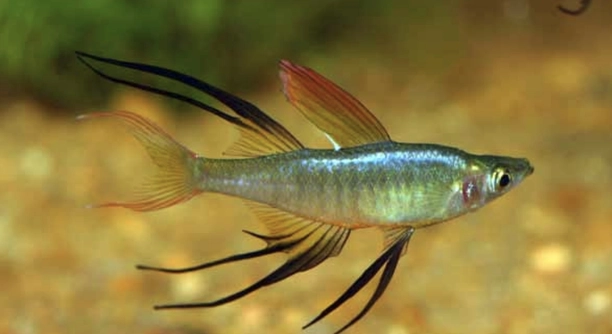
Have you ever noticed your threadfin school swimming in harmony, yet wondered what makes the balance work so smoothly? Observing their movement can reveal subtle patterns in their health, growth, and social interactions over time.
A well-balanced threadfin school demonstrates consistent swimming patterns, evenly distributed sizes, healthy growth rates, and minimal aggression. Monitoring these factors allows aquarists to ensure the population thrives and maintains stability within its aquatic environment.
Recognizing these traits early helps maintain a thriving school and prevents long-term issues from disrupting the delicate balance in your tank.
Consistent Swimming Patterns
Observing a threadfin school over time, I noticed that well-balanced groups swim in synchronized patterns without chaos. Each fish moves in rhythm with others, adjusting their speed and direction smoothly. There are no sudden scatterings or collisions. This harmony shows that all fish feel secure in the environment, with no dominant or stressed individuals disrupting the flow. Even during feeding times, the school maintains coordination. The spacing between each fish remains fairly even, allowing everyone to navigate freely. Uneven swimming or constant chasing often signals stress, overcrowding, or imbalance in the tank. By keeping an eye on these movements daily, I can quickly spot small issues before they escalate. Observing patterns not only informs me about their current state but also helps me plan tank adjustments, such as rearranging decor or modifying water flow, to support overall stability and promote natural schooling behavior. Consistency in swimming is a clear sign of health and comfort.
Consistent swimming indicates a stable social structure and minimal stress among the fish. A school that swims in sync is generally well-balanced.
Maintaining such patterns requires proper tank size, hiding spots, and water flow. Even slight changes in these elements can disrupt balance. By ensuring a stable environment, the school remains calm, cooperative, and healthy.
Even Distribution of Sizes
Even size among threadfins ensures fairness in feeding and reduces stress. A tank with a large size gap often leads to competition.
Size balance affects growth and survival. Larger fish can dominate food access, leaving smaller ones malnourished. Over time, this creates uneven growth, weaker fish, and increased aggression. I make it a habit to monitor growth weekly, separating fish if needed to maintain equality. Regular measurement and observation allow me to detect disparities early. A well-balanced school shows minimal size differences, where all fish have similar body lengths and shapes. This uniformity supports equal participation in schooling behavior and prevents bullying. Adjusting feeding strategies, such as spreading food across the tank, ensures everyone eats adequately. Maintaining even sizes keeps the social environment calm, making the tank less stressful for all inhabitants. Healthy growth patterns reflect not just nutrition but also proper tank management, water quality, and overall fish welfare, creating a thriving, well-balanced school that can coexist peacefully.
Minimal Aggression
Aggression is rare in a well-balanced threadfin school. Fish interact without chasing or nipping, maintaining calm social behavior.
I noticed that when my school is balanced, territorial disputes are almost nonexistent. Even during feeding, no fish corner others or push them aside. This reduces stress and prevents injuries. When aggression appears, it usually signals overcrowding, uneven sizes, or poor water quality. I adjust tank conditions immediately, adding hiding spaces or redistributing fish to restore calm. Observing body language helps too—flared fins or darting motions indicate tension. By keeping the environment stable, aggression stays minimal, and the school thrives naturally. Balanced schools feel peaceful, and fish spend more time exploring, feeding, and swimming together without constant conflict. Proper monitoring and timely adjustments are key to preventing disruptive behaviors and maintaining harmony among all members.
A calm school promotes healthier growth and reduces stress-related illnesses. Fish remain active and alert without signs of fear or constant hiding.
Monitoring interactions daily ensures that minor conflicts don’t escalate. Adjusting food placement, tank layout, and population density directly influences aggression levels. Over time, I’ve learned that even small changes can impact behavior significantly. Stress signs like chasing or cornering are early warnings. By responding quickly, I maintain an environment where all fish coexist peacefully. Consistent observation allows me to track which fish are more dominant and which are more timid. This information guides decisions about feeding order, tank maintenance, and potential separation if needed. A balanced school functions like a well-oiled system, where social hierarchy exists but does not harm overall harmony. Ensuring minimal aggression leads to healthier, more stable schooling behavior and keeps all fish thriving together.
Healthy Growth Rates
Well-balanced schools show uniform growth across members, with no significant gaps in size or weight.
Regular observation of my threadfins helps me track growth patterns accurately. I measure or estimate body lengths weekly, noting changes. When growth is consistent, it reflects proper nutrition, stable water parameters, and minimal stress. Uneven growth often appears alongside aggressive behavior or competition for food. By providing balanced diets and evenly distributed feeding areas, I support all fish in reaching their potential. Growth isn’t just about size; it reflects overall health, immunity, and energy levels. Well-grown fish are more active, swim efficiently, and interact calmly with their peers. Tracking growth patterns also helps me anticipate any problems early, such as illnesses, nutritional deficiencies, or environmental stressors, allowing me to intervene before they affect the entire school. Maintaining healthy growth rates strengthens the social balance, reduces competition, and creates a harmonious environment where all fish can thrive.
Consistency in growth ensures long-term stability and prevents imbalances that may disrupt schooling behavior. Healthy fish remain resilient and active, contributing to a peaceful tank dynamic.
Even Feeding
All fish get access to food without competition dominating the tank. Distribution of pellets or flakes ensures each fish eats its share.
I spread food across multiple areas so no fish is left out. Observing feeding behavior confirms that everyone gets enough nutrition, supporting growth and reducing stress among the school.
Active Exploration
Balanced schools spend time exploring their environment together. Fish investigate decorations, substrate, and water flow without fear or hesitation.
Providing hiding spots and open swimming areas encourages natural exploration. I notice that well-balanced schools rarely hide constantly—they interact with their surroundings confidently. This activity indicates comfort, curiosity, and a healthy balance within the group. Fish that explore together also maintain social cohesion, strengthening schooling behavior. By monitoring their movement patterns and engagement with the tank, I can ensure the environment remains stimulating and safe. Active exploration reflects not just physical health but also mental well-being, which is key for sustaining a balanced, thriving threadfin school.
Stable Water Parameters
Maintaining consistent temperature, pH, and oxygen levels prevents stress and supports overall health.
Fish remain calm and swim naturally when water conditions are stable, which is essential for balance.
What are the signs that my threadfin school is well-balanced?
A well-balanced school shows synchronized swimming, even sizes, minimal aggression, and consistent feeding behavior. Fish move together without scattering or chasing each other. Growth rates are uniform, and stress indicators like hiding or rapid darting are minimal. Balanced schools also actively explore their environment and interact naturally with decorations and other fish, maintaining calm and healthy social interactions. Observing these signs daily can help prevent potential problems and ensures the school remains stable over time.
How often should I monitor their behavior?
Daily observation is ideal. Watching the fish during feeding and active periods helps spot early signs of imbalance, such as aggression, uneven growth, or unusual swimming patterns. Brief notes or photos can track changes over time and make it easier to address small issues before they escalate.
What should I do if aggression appears in the school?
Minor aggression can be resolved by checking tank size, rearranging decorations, or adding hiding spots. Unequal sizes or competition for food often trigger aggressive behavior. Separating dominant fish temporarily or adjusting feeding strategies can restore calm. Consistent water quality and proper population density also reduce aggression.
How can I maintain even growth rates?
Feeding a balanced diet and ensuring all fish have access to food is essential. Monitor sizes weekly and separate fish if size gaps become significant. Stable water parameters, minimal stress, and proper tank setup all contribute to consistent growth across the school.
Why is stable water quality important for balance?
Threadfins are sensitive to changes in temperature, pH, and oxygen. Fluctuations cause stress, disrupt schooling behavior, and may trigger aggression or illness. Regular testing and adjustments help maintain stability. Clean water promotes health, activity, and social cohesion.
Can decorations and tank layout affect balance?
Yes. Open swimming areas and hiding spots reduce competition and provide comfort. Rearranging decorations occasionally prevents territorial disputes. Well-planned tank layout encourages natural movement, exploration, and schooling, supporting a balanced environment.
What feeding practices support a balanced school?
Distributing food across multiple areas prevents dominant fish from monopolizing resources. Feeding smaller amounts frequently ensures all fish eat adequately. Observing feeding patterns helps adjust placement and timing, promoting fairness and reducing stress.
How do I know if my school is stressed?
Signs include hiding, erratic swimming, nipping, or refusal to eat. Overcrowding, water fluctuations, poor diet, or aggression often cause stress. Prompt adjustments to environment, feeding, or population density help restore calm and balance.
Is size disparity a common issue?
Yes, especially with new additions or uneven feeding. Large size differences lead to competition and bullying. Monitoring growth and occasionally separating larger fish helps maintain equality and prevents long-term imbalance.
What long-term steps ensure a healthy, balanced school?
Consistent observation, proper feeding, stable water parameters, and suitable tank layout are key. Adjusting conditions as the school grows or changes prevents stress, aggression, and uneven growth. Maintaining a calm, comfortable environment ensures the school thrives together for years.
This FAQ addresses common concerns and practical solutions, helping create a harmonious, well-balanced threadfin school that supports health, growth, and natural behavior. By observing patterns, responding quickly, and maintaining stable conditions, the school can remain calm, active, and thriving.
Maintaining a well-balanced threadfin school requires attention, consistency, and observation. Each fish in the school contributes to the overall harmony, and even small changes in behavior, size, or health can impact the group. By keeping an eye on swimming patterns, growth, and social interactions, it becomes easier to recognize when the school is thriving and when adjustments are needed. A balanced school moves together smoothly, feeds fairly, and explores its environment confidently, all of which are signs of a stable and healthy tank. Regular observation allows you to notice small changes before they turn into bigger problems, helping to prevent stress or aggression from becoming a persistent issue. Ensuring that every fish has access to food, space, and hiding areas supports not just their physical health, but also their social comfort within the group.
Water quality plays a central role in maintaining a well-balanced school. Temperature, pH levels, and oxygen content must remain consistent, as threadfins are sensitive to fluctuations. Sudden changes can cause stress, which often shows up in irregular swimming, hiding, or minor aggression. Regular testing and careful adjustments keep the water conditions steady, creating an environment where fish feel safe and secure. Proper maintenance, combined with monitoring fish behavior, ensures that the school remains calm and active. Decorations and tank layout also contribute to balance by providing areas to explore and hiding spaces that reduce stress. A thoughtful setup encourages natural schooling behavior and prevents dominance or territorial disputes. Every detail in the tank, from water quality to feeding routines, has a role in supporting a healthy, harmonious group.
Finally, patience and consistency are key to maintaining long-term balance. Changes in the school may happen gradually, so it is important to respond with small, measured adjustments rather than sudden interventions. Monitoring feeding behavior, size distribution, and social interactions provides ongoing insight into the school’s health. When issues like aggression or uneven growth appear, taking timely action can restore harmony without disrupting the group. A balanced school is not only visually appealing, but it also promotes better growth, reduces stress, and enhances the natural behavior of each fish. By staying attentive and providing stable conditions, a threadfin school can remain healthy, active, and well-balanced, allowing the fish to thrive together over time.

Hello,
If you enjoy the content that we create, please consider saying a "Thank You!" by leaving a tip.
Every little bit helps us continue crafting quality advice that supports the health, happiness, and well-being of pets around the world, for pets of all shapes, sizes, and species.
We really appreciate the kindness and support that you show us!