
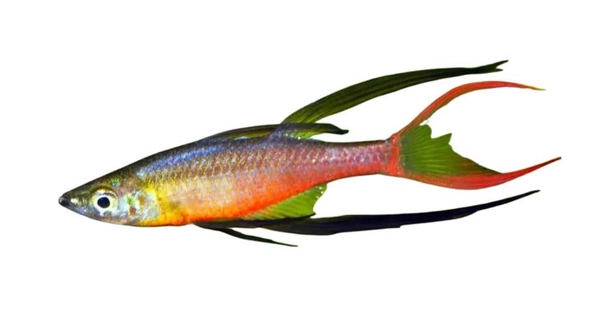
Do you ever notice your threadfins swimming together and wonder if they sense changes in their environment? These fish are social and often respond to shifts in their tank, showing subtle behaviors that might go unnoticed.
Threadfins are capable of noticing when tankmates leave the tank. Their awareness stems from social instincts and environmental cues, including movement, vibrations, and changes in water activity. These factors trigger behavioral responses indicating their recognition of absence or change.
Understanding how threadfins react can help improve tank management and ensure a more harmonious environment for your aquatic companions. Observing these responses can guide better care practices.
How Threadfins React to Tank Changes
Threadfins are sensitive to changes in their surroundings, especially the absence of other fish. When a tankmate leaves, they may pause, swim slower, or gather near the area where the fish used to be. These reactions are not random; they indicate awareness of their social environment. Threadfins rely heavily on visual cues and movement to interpret their tank. Even small shifts in water flow or activity can trigger responses. Some threadfins may appear restless or explore the tank more actively after noticing a missing companion. Over time, they learn patterns of behavior from their tankmates, so a sudden change can be unsettling. Observing these responses helps you understand how social these fish are. Providing consistent conditions and stable companions can reduce stress and maintain balance in the tank. Regular observation can help spot unusual behavior early.
Noticing these behaviors can guide adjustments in tank setup or care routines to keep threadfins comfortable and active.
Monitoring their reactions allows you to see which areas of the tank are important to them, helping you create a more engaging and stable environment.
Signs of Stress in Threadfins
Stress in threadfins often shows subtly through changes in swimming patterns or appetite. They may hide more or linger near corners of the tank.
Prolonged absence of companions or frequent disruptions can worsen stress. A stressed threadfin might dart suddenly, avoid interaction, or spend more time near the water surface. These behaviors are adaptive responses but can indicate discomfort. Ensuring proper tank size, adequate hiding spots, and stable water conditions helps reduce stress. Socially, maintaining compatible companions is important because threadfins respond to changes in their group. Even small disturbances, such as temporary removal of a fish, can trigger visible reactions. Observing them daily allows you to notice shifts in behavior early and adjust care accordingly. Consistent feeding routines and gentle handling also contribute to a calmer environment. Over time, threadfins become more accustomed to stable conditions and show reduced signs of stress, making the tank a healthier space for all fish.
Behavioral Changes After Tankmates Leave
Threadfins may become more cautious and spend time near the tank bottom when a companion leaves. Their activity levels can fluctuate as they adjust to the new social environment, showing heightened alertness.
Some threadfins start exploring areas that were previously occupied by missing tankmates. They may linger around decorations or hiding spots, checking for signs of their absence. Feeding patterns can also shift, with fish hesitating or eating slower than usual. These behaviors suggest that threadfins are not just reacting instinctively but are aware of the absence, adapting their routine to a changed environment. Over time, they may regain confidence and resume normal activity once they feel secure. Monitoring these changes helps identify stress early and adjust the tank to maintain stability and harmony among remaining fish.
Other subtle reactions include increased interactions with remaining tankmates. Threadfins may nudge or swim alongside them more often, seeking social reassurance. They also pay closer attention to environmental cues, such as water movement or reflections, to detect potential threats. These adjustments reflect their reliance on social structure and environmental awareness, emphasizing the need for consistency in tank conditions. Maintaining a calm, predictable environment supports their well-being and reduces long-term stress from missing companions.
Reintroducing Tankmates
Reintroducing a fish requires careful observation to prevent aggression or stress. Threadfins notice changes quickly and can react strongly to new arrivals.
Before adding a fish back, ensure water conditions are stable and similar to when the previous fish was present. Gradual introductions help threadfins acclimate, using a divider or quarantine tank if necessary. Sudden reentry can lead to chasing, hiding, or reduced feeding. Watch interactions closely, separating any aggressive individuals temporarily. Providing extra hiding spots reduces tension and allows the reintroduced fish to settle. A patient approach ensures smoother reintegration and helps maintain balanced social dynamics.
After reintroduction, threadfins often adjust by reestablishing familiar swimming patterns and territories. They may initially keep distance but gradually resume previous behaviors once the new fish is accepted. Feeding routines typically normalize, and social interactions return to usual levels, showing resilience in their social behavior. Observing these patterns helps determine when the tank has stabilized. Consistent monitoring and a calm environment encourage positive adjustment, preventing long-term stress and supporting healthy activity among all fish.
Social Adjustments in Threadfins
Threadfins often shift their positions in the tank after a companion leaves. They may stick closer to remaining fish or explore areas previously avoided, showing subtle social adjustments.
Interactions between remaining tankmates can increase, with fish swimming together more frequently. This behavior helps them cope with the change and maintain a sense of security.
Environmental Cues and Awareness
Threadfins respond to visual and vibrational cues in the tank. Movement, shadows, and changes in water activity alert them to absent tankmates. They rely on these cues to assess safety and adjust their behavior, showing heightened awareness of their surroundings.
Feeding Behavior Changes
When a fish leaves, threadfins may alter feeding routines. Some eat slower, while others appear hesitant near previously shared spots, reflecting caution and adaptation.
Long-Term Behavioral Impact
Repeated absences or changes in tankmates can influence long-term patterns. Threadfins may develop heightened alertness, altered swimming habits, and stronger social bonds with remaining companions, adapting to maintain stability and security in their environment.
FAQ
Do threadfins really notice when a tankmate leaves?
Yes, threadfins notice when a tankmate leaves due to their social nature and reliance on environmental cues. They react to changes in movement, vibrations, and areas of the tank that were previously occupied. These fish are observant and adapt their behavior to maintain awareness of their surroundings.
How do threadfins typically react to a missing companion?
When a tankmate leaves, threadfins may become cautious and explore empty spaces in the tank. Some may linger near the area where the fish was last seen, while others adjust by swimming closer to remaining companions. Changes in swimming patterns, hiding behavior, and feeding routines are common reactions.
Can the absence of a tankmate cause stress?
Yes, threadfins can experience stress when a companion leaves. Signs include hiding, reduced activity, or sudden bursts of movement. Stress often appears when the change is sudden or frequent, as these fish rely on a stable social environment for comfort and safety.
How long does it take for threadfins to adjust?
Adjustment time varies depending on the individual fish and the tank environment. Some threadfins may settle within a few hours, while others take several days to regain normal activity. Providing a consistent environment and extra hiding spots helps speed up the adjustment process.
Does reintroducing a fish affect threadfins?
Reintroduction can be stressful if done abruptly. Using a divider or quarantine tank allows threadfins to acclimate gradually. Observing interactions closely and providing hiding spots reduces tension. Most threadfins resume normal social patterns after they accept the reintroduced fish, showing resilience in their behavior.
Will threadfins become more aggressive after a tankmate leaves?
Some threadfins may show temporary aggression as they reestablish social order. This behavior usually decreases over time once they adjust to the new dynamics. Maintaining enough space, hiding spots, and compatible companions helps prevent long-term aggression.
Do feeding habits change when a tankmate leaves?
Feeding behavior can be affected by a missing fish. Threadfins may eat slower, avoid previously shared spots, or seem hesitant initially. Over time, most resume regular feeding routines once they feel comfortable with the new social setup.
Can observing behavior help improve care?
Yes, paying attention to behavioral changes provides insight into stress levels and social dynamics. Monitoring swimming patterns, interactions, and feeding habits helps identify potential issues early and allows adjustments to tank conditions, ensuring threadfins remain healthy and comfortable.
Are some threadfins more sensitive than others?
Individual sensitivity varies. Some threadfins adapt quickly, while others show prolonged reactions to the absence of a tankmate. Recognizing these differences helps in managing the tank environment and providing the support each fish needs.
How can I minimize stress when a tankmate leaves?
Maintaining stable water conditions, providing hiding spots, and ensuring consistent routines help minimize stress. Gradual changes and careful observation make it easier for threadfins to adjust, supporting their social needs and long-term well-being.
Do threadfins remember missing tankmates?
Threadfins demonstrate memory through their responses to absent companions. They may check familiar areas and remain alert, indicating recognition of previous social arrangements. This memory helps them adapt and maintain social structure in their environment.
Is it necessary to keep the same group of threadfins together?
Consistency helps maintain stability, but threadfins can adjust to changes if introductions are gradual. Using dividers or acclimation techniques reduces stress and ensures smoother social integration for both new and existing fish.
Can stress from missing tankmates affect health?
Prolonged stress may reduce appetite, weaken immunity, or lead to abnormal behavior. Observing changes and providing a stable, enriched environment supports both mental and physical health for threadfins, reducing potential long-term effects.
How can I make the tank environment more stable?
Stable water conditions, adequate space, hiding spots, and consistent feeding routines create a predictable environment. Minimizing sudden changes in companions or layout reduces stress and allows threadfins to maintain healthy social behavior.
Do threadfins respond differently to different tankmates leaving?
Yes, the impact depends on the bond between fish and social hierarchy. Strongly bonded or dominant individuals may trigger more noticeable reactions, while loosely associated fish may result in subtler behavioral changes. Understanding these dynamics helps manage the tank effectively.
How can I monitor behavioral changes effectively?
Watch for changes in swimming patterns, social interactions, feeding habits, and hiding behavior. Keeping a log of observations can help identify trends, ensuring early intervention if stress or aggression develops.
Are there long-term effects if a fish is frequently removed and returned?
Repeated removal and reintroduction can increase stress and disrupt social hierarchy. Providing gradual transitions, consistent conditions, and monitoring interactions helps minimize negative effects, allowing threadfins to maintain stable behavior over time.
Can environmental enrichment reduce stress from missing companions?
Yes, adding plants, decorations, or hiding spots gives threadfins options for exploration and retreat. Environmental enrichment encourages natural behavior, reduces stress, and supports mental and physical health in changing social situations.
Do threadfins communicate about missing tankmates?
While not vocal, threadfins display subtle communication through swimming patterns, nudges, and proximity. These signals indicate awareness of missing companions and help remaining fish adjust socially within the tank.
Is it better to keep threadfins in groups?
Yes, threadfins are social fish. Keeping them in compatible groups provides security, encourages natural behavior, and reduces stress when individual fish are temporarily absent or reintroduced. Proper group size supports overall tank harmony.
What is the best way to support threadfins during changes?
Provide stable water conditions, consistent feeding, adequate space, and gradual introductions or removals. Observing behavior and adjusting the environment ensures threadfins feel secure, maintaining healthy activity and social balance.
How long do behavioral changes last?
Temporary behavioral changes usually resolve within hours to days. Longer-term changes occur if stress is prolonged or repeated. Maintaining a stable, enriched environment helps threadfins recover quickly and regain normal social patterns.
Can observing missing tankmates improve care decisions?
Yes, noticing reactions to absent fish helps adjust tank management. Understanding stress triggers, social interactions, and environmental needs allows for informed decisions that support threadfins’ well-being and long-term health.
What should I do if a threadfin becomes withdrawn?
Provide extra hiding spots, check water conditions, and maintain consistent routines. Limit sudden changes in companions or tank layout. Observing interactions and giving time for adjustment helps the fish regain confidence and normal behavior.
Are some behaviors normal after a tankmate leaves?
Yes, temporary caution, exploring empty areas, and increased attention to companions are normal adjustments. These behaviors reflect awareness and adaptation rather than long-term stress, provided the environment remains stable and supportive.
How can I encourage positive social behavior after changes?
Ensure consistent feeding, stable water conditions, and gradual introductions. Provide space and hiding spots to reduce tension. Observing interactions and allowing time for adjustment supports natural social patterns and reduces stress among threadfins.
Can threadfins form new bonds after a companion leaves?
Yes, they gradually form new bonds with remaining or new tankmates. Patience and careful observation ensure positive social interactions and prevent conflicts, helping threadfins adapt smoothly to changes in their environment.
Is monitoring daily necessary?
Daily observation helps detect early signs of stress, aggression, or abnormal behavior. Prompt adjustments based on these observations ensure a healthier, more stable environment for threadfins, maintaining both social balance and well-being.
Do threadfins behave differently with different species?
Yes, reactions depend on compatibility, activity levels, and social dynamics. They respond differently to fast-moving, territorial, or shy species. Choosing compatible tankmates reduces stress and encourages stable social behavior.
How important is consistency for threadfins?
Consistency in water quality, feeding, and social environment supports healthy behavior. Predictable conditions reduce stress, help maintain normal routines, and allow threadfins to feel secure when companions leave or are reintroduced.
Can threadfins adapt to permanent changes?
Yes, they adapt over time with stable conditions and supportive environments. Gradual adjustments, environmental enrichment, and careful observation help threadfins regain confidence and maintain natural social behaviors.
Are there signs that indicate a serious problem?
Signs include prolonged hiding, loss of appetite, abnormal swimming, or aggression. Persistent stress or illness may require intervention, such as checking water quality, adjusting tankmates, or consulting an experienced aquarist.
Does age affect adaptation to missing tankmates?
Younger threadfins often adapt faster, while older fish may show prolonged stress or cautious behavior. Understanding age-related differences helps in managing changes in companions and maintaining tank harmony.
How can I track long-term behavior changes?
Keeping a log of swimming patterns, feeding habits, and social interactions allows you to detect trends and address issues early. Regular monitoring ensures threadfins remain healthy and adjust well to changes in their environment.
Are some tank setups better for sensitive threadfins?
Yes, tanks with stable water conditions, hiding spots, and adequate space support sensitive fish. Avoiding sudden changes and providing compatible companions creates a secure environment that reduces stress and encourages natural behavior.
Can threadfins influence each other’s response to missing companions?
Yes, social interactions amplify reactions. Observing how remaining fish respond helps predict behavioral adjustments and manage the tank environment for smoother adaptation and reduced stress.
Do threadfins ever forget absent tankmates?
They may adjust and resume normal behavior over time, but memory of absent companions can influence temporary exploration, caution, or social behaviors. This awareness helps maintain social balance in the tank.
How can I make transitions smoother for threadfins?
Gradual introductions, consistent routines, environmental enrichment, and careful observation support smoother transitions. Providing space and hiding spots allows threadfins to explore safely and adapt without prolonged stress.
Are these behavioral changes unique to threadfins?
While many social fish display similar responses, threadfins are particularly sensitive to companion absence due to their social instincts, reliance on cues, and memory of previous interactions. Monitoring their reactions provides insight into both individual and group dynamics.
Do environmental factors affect how threadfins react?
Yes, lighting, water flow, and tank layout can influence behavior. Stable, familiar conditions reduce stress, while sudden changes may heighten reactions to absent companions. Proper setup supports normal behavior and smooth adaptation.
What role does tank size play in adaptation?
Larger tanks give threadfins more space to explore and establish new territories, reducing stress from missing companions. Crowded tanks can increase tension and exaggerate behavioral reactions. Adequate space supports natural movement and social balance.
Can I help threadfins bond with new companions?
Yes, gradual introductions, shared feeding times, and environmental enrichment encourage bonding. Observing interactions and providing hiding spots reduces stress, allowing threadfins to form positive social relationships with new tankmates.
How long should I observe after a tankmate leaves?
Observe closely for at least several hours to a few days, noting changes in swimming patterns, feeding, and social interactions. Longer observation helps detect stress or aggression and ensures proper adjustments for a stable environment.
Do threadfins show different reactions at different times of day?
Yes, activity levels and social interactions may vary with lighting and feeding schedules. Monitoring behavior at consistent times gives a clearer picture of adaptation to missing companions and normal routines.
Are there signs that threadfins have fully adjusted?
Return to regular swimming patterns, resumed feeding, normal social interactions, and reduced hiding indicate successful adaptation. These behaviors suggest the fish feel secure and comfortable in the current tank environment.
Can I prevent stress from missing tankmates entirely?
Complete prevention is unlikely, but minimizing sudden changes, providing enrichment, maintaining stable conditions, and gradually introducing or removing fish significantly reduces stress and supports healthy social behavior in threadfins.
Is it normal for threadfins to revisit areas of missing companions?
Yes, checking familiar areas reflects memory and awareness. This behavior helps them assess the environment and adjust socially, demonstrating the importance of social bonds and environmental familiarity in their adaptation.
Do all threadfins react the same way?
No, individual temperament, past experiences, and social ranking affect responses. Some may adjust quickly, while others take longer. Understanding these differences helps manage tank dynamics effectively.
Can stress affect breeding behavior?
Yes, prolonged stress from missing companions may reduce activity or courtship behaviors. Providing stable conditions and compatible companions supports natural breeding behavior and overall health.
How often should I check on threadfins during changes?
Daily observation is recommended, especially during removal or reintroduction of companions. Consistent monitoring helps detect early signs of stress, aggression, or abnormal behavior, allowing timely adjustments for a stable environment.
Do threadfins interact differently with new tankmates after previous absences?
Yes, they may be cautious or hesitant at first. Gradual introductions, hiding spots, and consistent routines help foster positive interactions and rebuild social bonds with new companions.
Are visual cues more important than other senses?
Threadfins rely on both visual and vibrational cues, but sight plays a major role in recognizing absent companions and monitoring remaining fish. Movement and reflections in the tank trigger awareness and guide behavioral responses.
Can I expect permanent changes in social behavior?
Most changes are temporary if conditions remain stable. Long-term adjustments occur only with repeated disruptions or prolonged stress. Maintaining a predictable environment ensures threadfins return to normal behavior and social balance.
Do threadfins communicate stress to each other?
Yes, subtle signals like nudges, chasing, or following indicate stress levels. Remaining fish respond by adjusting behavior, showing that social communication influences group dynamics and adaptation.
How important is patience during transitions?
Patience is essential. Allowing time for adjustment, gradual introductions, and consistent care ensures threadfins regain normal behavior, reduces stress, and maintains social harmony in the tank.
Can changing decorations affect adaptation?
Yes, sudden changes in layout or hiding spots can heighten stress. Keeping decorations consistent or introducing them gradually helps threadfins adapt smoothly after a tankmate leaves.
Is monitoring feeding patterns reliable for detecting stress?
Yes, changes in appetite or feeding speed indicate discomfort or caution. Observing meals closely provides insight into adjustment progress and overall well-being of threadfins.
Do threadfins react differently to temporary vs permanent absences?
Temporary absences usually trigger short-term caution and exploration, while permanent changes may lead to lasting adjustments in social behavior and territory. Consistent observation helps manage both scenarios effectively.
How do I know if a threadfin is stressed or just cautious?
Stress often includes hiding, rapid swimming, or reduced appetite, while cautious behavior is temporary and less intense. Observing duration and intensity helps distinguish between normal adjustment and stress requiring intervention.
Can providing extra companions help?
Adding compatible companions can reduce stress, but introductions must be gradual. Proper spacing and monitoring prevent aggression and support natural social behavior for all fish.
Is water quality a factor in behavioral changes?
Yes, stable water conditions reduce stress. Sudden changes in temperature, pH, or ammonia levels can amplify reactions to missing companions, so regular testing is essential for threadfin well-being.
Do threadfins ever ignore missing companions?
Some individuals may appear unaffected, especially if they are less social or dominant. Observing interactions with remaining fish helps determine if adjustment is progressing normally.
How can I encourage confidence after a fish leaves?
Provide predictable routines, gradual environmental adjustments, and sufficient space. Consistent care and hiding spots allow threadfins to regain confidence and return to natural social behavior.
Are hiding spots more important during changes?
Yes, extra hiding spots provide safety and reduce stress. They allow cautious fish to explore gradually and maintain a sense of security after a tankmate leaves.
Does tank temperature affect adjustment?
Stable temperature supports normal metabolism and activity. Sudden fluctuations can increase stress, making threadfins more reactive to missing companions. Maintaining consistent temperature helps smooth adaptation.
Can lighting influence behavior?
Yes, gradual lighting and avoiding sudden changes help threadfins feel secure. Proper lighting supports normal activity, feeding, and social interaction during transitions.
Do threadfins recover faster with familiar companions?
Yes, known companions reduce stress and encourage normal social behavior. Familiar social groups help threadfins adapt more quickly to changes in the tank environment.
How do I know when the tank is fully stable?
Regular activity, normal feeding, resumed social interactions, and reduced hiding indicate stability. Observing consistent behavior over several days shows the tank environment is secure and adjusted.
Can behavioral logs help with long-term care?
Yes, documenting patterns allows early detection of stress or abnormal behavior. Logs help make informed decisions about tank management and support healthy, balanced environments for threadfins.
Are some reactions unavoidable?
Short-term caution, exploration, and temporary hiding are natural. These reactions reflect adaptation rather than ongoing stress, especially when environmental conditions are stable and supportive.
Can enrichment prevent all stress?
Enrichment reduces stress but cannot eliminate it entirely. Predictable routines, hiding spots, and careful management of companions help threadfins adapt smoothly while maintaining well-being.
Do threadfins react differently in larger groups?
Larger groups provide social support, reducing stress from a missing companion. However, overcrowding can increase tension, so proper tank size and compatible companions are essential for balanced behavior.
Is observation more effective than intervention?
Observation identifies subtle behavioral changes without adding stress. Interventions should be used only when necessary, allowing natural adaptation and maintaining social balance among threadfins.
Can sudden removal of multiple fish overwhelm threadfins?
Yes, abrupt loss of several tankmates can cause heightened stress and prolonged adjustment. Gradual removals, environmental stability, and monitoring reduce negative effects and help fish regain normal behavior.
Do threadfins ever get used to constant changes?
Frequent disruptions may lead to chronic stress or cautious behavior. Consistent conditions and careful management are necessary to prevent long-term negative effects on social dynamics and health.
Are all behavioral changes negative?
No, temporary caution, exploration, and adjustment reflect natural adaptation. Positive behaviors, like reestablishing bonds and resumed activity, indicate recovery and resilience in threadfins.
How can I balance observation and routine care?
Monitor behavior while maintaining feeding, cleaning, and water checks. Consistent care supports normal routines and allows threadfins to adapt without additional stress from interference.
Do threadfins show empathy or awareness for companions?
Subtle behaviors, such as following or nudging, suggest awareness of social changes. While not emotional in a human sense, these behaviors reflect recognition and adaptation to companions’ presence or absence.
Is gradual change always better than sudden change?
Yes, gradual adjustments minimize stress, support normal behavior, and allow threadfins to maintain social balance, ensuring smoother adaptation when companions leave or are reintroduced.
**Do threadfins
Threadfins are social fish that pay close attention to their surroundings and companions. When a tankmate leaves, they notice subtle changes and often adjust their behavior. These adjustments can include spending more time exploring areas previously occupied by the missing fish, staying close to remaining companions, or changing swimming and feeding patterns. While these behaviors might seem minor, they show that threadfins are aware of changes in their environment. Observing these reactions gives a better understanding of their social needs and how sensitive they are to disruptions. Even small differences in the tank, like shifts in water flow or light, can influence their behavior, so it’s important to maintain a stable environment to help them feel secure. Consistency in their surroundings reduces stress and encourages natural activity.
Adjusting to the absence of a companion can take time. Some threadfins regain normal behavior within hours, while others may take several days to feel comfortable again. During this adjustment period, providing a calm and predictable environment is essential. Extra hiding spots, steady feeding routines, and stable water conditions help threadfins cope with change. Reintroducing a missing fish should be done gradually to prevent stress or aggression. Using a divider or quarantine setup allows them to observe the new or returning fish safely. Even after a successful reintroduction, threadfins may continue to check familiar areas and remain alert, demonstrating their memory and awareness of previous companions. Patience is important during this process, as forcing interactions too quickly can cause tension or disrupt social dynamics. By allowing threadfins to adapt at their own pace, you help maintain a healthy and balanced tank environment for all fish.
Long-term care of threadfins benefits from careful observation and thoughtful tank management. Watching how they react to missing companions, changes in environment, or new introductions can reveal signs of stress or discomfort early. These observations guide adjustments in tank setup, feeding, and social arrangements to support their well-being. Maintaining stable water conditions, appropriate tank size, and compatible companions promotes confidence and natural behavior. Environmental enrichment, such as plants or hiding spots, provides security and reduces stress during changes. Threadfins are resilient and can adapt to new situations, but they thrive best in a predictable and supportive environment. Paying attention to their behavior, providing consistent care, and being patient during transitions ensures that they remain healthy, active, and socially balanced. A calm and stable tank encourages threadfins to display their natural behaviors, making them more engaging and easier to care for over time.

Hello,
If you enjoy the content that we create, please consider saying a "Thank You!" by leaving a tip.
Every little bit helps us continue crafting quality advice that supports the health, happiness, and well-being of pets around the world, for pets of all shapes, sizes, and species.
We really appreciate the kindness and support that you show us!