
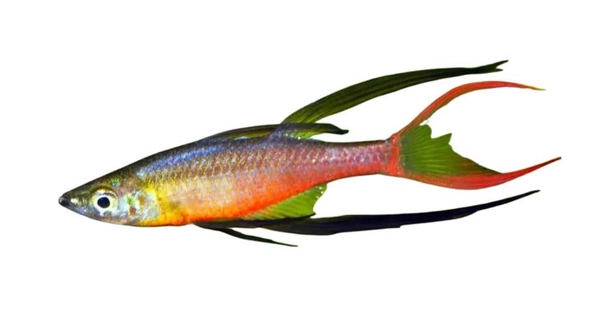
Threadfins are graceful fish that thrive in well-maintained aquariums. Poor tank flow can disrupt their natural swimming patterns, leading to stress. Observing how they behave under these conditions helps hobbyists maintain a healthier, more stable environment.
Threadfins react to poor tank flow through changes in swimming behavior, resting positions, and feeding responses. These fish may cluster in low-current areas, reduce activity, or show signs of stress, highlighting the critical importance of maintaining proper water circulation.
Recognizing these signs early allows you to correct tank flow issues and support your threadfins’ overall well-being. Proper management ensures a more harmonious aquarium environment.
Altered Swimming Patterns
Threadfins rely on steady water movement to swim efficiently. When tank flow is poor, their swimming patterns often change noticeably. They may drift instead of actively swimming, move in tighter groups, or constantly adjust their fins to maintain balance. Over time, this can lead to fatigue or uneven muscle development. Observing these changes is important because it signals that the aquarium environment is not optimal. Adjusting the pump or repositioning decorations can help restore consistent flow. Even small improvements can make a significant difference, helping threadfins regain natural swimming behavior. Ensuring smooth, gentle circulation reduces stress and promotes better overall health. The more you monitor their behavior, the easier it becomes to identify subtle shifts that indicate discomfort. Providing proper flow also supports other tank inhabitants by distributing oxygen and nutrients evenly, creating a stable ecosystem. Threadfins respond quickly to adjustments, making timely intervention effective and rewarding.
Poor swimming behavior often indicates low water circulation, requiring immediate attention to restore optimal conditions for threadfins’ health and activity levels.
Monitoring their movements and adjusting the tank setup can prevent long-term stress and allow threadfins to maintain energy and natural activity. Proper flow supports feeding, social interactions, and muscle strength, helping them thrive in a captive environment. Maintaining regular observation ensures minor issues are addressed before they escalate, improving longevity and comfort.
Resting in Unusual Locations
Threadfins often seek shelter in areas with low current when water flow is inadequate.
When flow is insufficient, threadfins may spend extended periods resting near the substrate or behind decorations. They may cluster in corners, under rocks, or close to the tank bottom, avoiding open spaces where currents would normally carry them. This behavior is a stress response, helping them conserve energy but also indicating the tank’s environment is suboptimal. Inadequate flow can lead to stagnant pockets of water, reducing oxygen levels and contributing to uneven temperature distribution. Over time, these conditions can affect their health, making them more susceptible to illness. Adjusting pumps, adding circulation devices, or rearranging decorations can help redistribute flow more evenly. Observing these resting patterns provides insight into their comfort and allows for proactive management. Encouraging normal swimming areas with moderate current ensures threadfins remain active, alert, and healthy. Proper tank flow enhances their environment, supports feeding behaviors, and promotes natural social interactions.
Loss of Appetite
Threadfins may eat less when tank flow is poor. Reduced activity and stress can lower their interest in food, affecting growth and overall health.
Stress from irregular or weak water currents can make threadfins hesitant to feed. They may stay in low-flow areas, avoiding open water where feeding normally occurs. Over time, this reluctance can lead to nutrient deficiencies and weaker immune systems. Monitoring feeding patterns helps identify if flow adjustments are needed. Increasing circulation gradually and providing multiple feeding spots can encourage normal eating habits. Observing their response after changes helps ensure they regain regular appetite and energy levels. Consistent feeding schedules and flow management work together to maintain their health.
Adjusting flow improves feeding efficiency. Providing gentle currents in feeding zones encourages threadfins to swim naturally and eat adequately. Multiple feeding areas reduce competition and stress, supporting growth and overall vitality. Observing their behavior ensures interventions are effective and long-lasting.
Clustering Behavior
Threadfins often gather in small groups when water flow is inconsistent or weak. This is a stress response that conserves energy and provides a sense of security.
Clustering reduces the effort needed to fight currents in an uneven environment. Fish will often stay near each other in corners, behind rocks, or along the tank bottom. This behavior can limit movement, reduce exercise, and increase competition for food. Over time, it may affect social dynamics within the tank, making some individuals more dominant or timid. Proper water flow encourages even distribution and natural spacing, allowing threadfins to swim freely and interact without excessive stress. Adjusting pump placement, increasing circulation, and monitoring clustering patterns ensures a healthier, more balanced tank ecosystem. Gradual changes help the fish adapt comfortably without causing sudden stress, improving overall well-being. Consistent observation of clustering behavior provides early warning signs that tank conditions need attention, allowing timely interventions to maintain stability.
Gasping at the Surface
Threadfins may come to the surface more frequently when tank flow is poor. This behavior often indicates low oxygen levels in certain areas of the aquarium.
Surface gasping can also signal stagnant water pockets. When circulation is uneven, oxygen distribution becomes inconsistent, forcing threadfins to seek air-rich zones. Regular monitoring and adjusting water movement ensures oxygen reaches all areas, helping them maintain normal respiration.
Fin Clamping
Fin clamping is a common reaction to stress from inadequate water flow. Threadfins hold their fins close to their bodies to reduce energy expenditure.
This posture helps them maintain balance in low or uneven currents. Persistent clamping, however, indicates ongoing stress that can impact growth and overall health. Correcting flow issues and observing changes in fin behavior ensures they regain comfort and normal activity.
Hiding More Often
Threadfins hide frequently when flow is insufficient. Reduced current makes them feel vulnerable, causing them to seek shelter behind decorations or rocks.
Reduced Schooling
Threadfins may break from normal schooling behavior in tanks with poor flow. Irregular currents disrupt their coordinated swimming patterns, causing scattered or uneven group movement. Proper water circulation supports natural schooling, helping maintain social structure and reducing stress.
FAQ
What is the best way to improve tank flow for threadfins?
The most effective way to improve tank flow is by adjusting the position of your pump or filter. Placing the pump where water circulates evenly throughout the tank ensures threadfins have consistent currents. Adding a secondary circulation device or powerhead can help reduce stagnant areas and increase oxygen distribution. Monitor the tank after adjustments to make sure currents are not too strong, as excessive flow can stress the fish. Gradual changes allow threadfins to adapt without sudden disruption. Rearranging decorations to prevent blocked water movement also contributes to smoother circulation.
How can I tell if poor tank flow is affecting my threadfins?
Behavioral changes are the main indicators. Look for altered swimming patterns, clustering in low-flow zones, fin clamping, surface gasping, and reduced appetite. Threadfins may hide more frequently or break from normal schooling behavior. Consistent observation over several days is necessary, as temporary changes might be due to other factors like feeding or light changes. Tracking these behaviors alongside water testing for oxygen levels and temperature variations gives a clearer picture. Documenting their reactions helps identify patterns and make adjustments promptly.
Are small flow adjustments enough, or do I need major changes?
Small adjustments often make a significant difference. Even minor repositioning of pumps or decorations can redirect currents effectively. Major changes are only necessary if persistent stagnant areas remain after minor adjustments. Gradually increasing flow allows threadfins to adapt comfortably, minimizing stress. It’s important to balance strong circulation with areas of gentle flow, giving fish options to rest or swim actively. Observing their response over time helps determine if additional modifications are needed.
Can poor flow cause long-term health issues for threadfins?
Yes, chronic poor flow can reduce oxygen levels, increase stress, and limit swimming exercise. Over time, this may weaken their immune system, reduce growth, and impact behavior. Ensuring proper water circulation maintains muscle tone, feeding efficiency, and overall well-being. Regular observation and timely flow adjustments prevent long-term complications.
Is there a specific type of pump or filter that works best for threadfin tanks?
Powerheads and canister filters with adjustable flow rates are usually most effective. They allow precise control over water circulation, creating a balance between strong currents and calmer zones. Choosing equipment suited for your tank size ensures proper coverage without overworking the fish. Combining multiple devices may be necessary in larger tanks to eliminate stagnant areas.
How often should I check water flow in my tank?
Monitoring flow regularly, at least once a week, helps maintain a healthy environment. Watch how threadfins swim, check for stagnant areas, and adjust pumps as needed. Observing during feeding and at different times of day gives a full understanding of circulation patterns. Regular checks prevent issues before they affect fish health.
Can decorations affect threadfin behavior related to flow?
Yes, rocks, plants, and other ornaments can block or redirect currents. Threadfins may cluster or hide in low-flow zones created by decorations. Arranging them thoughtfully allows for smooth water movement while providing shelter. Proper placement ensures fish have space to swim naturally and reduces stress from uneven circulation.
Do all threadfins react the same way to poor tank flow?
Individual responses vary slightly, but common reactions include altered swimming, hiding, fin clamping, and reduced appetite. Observing each fish helps identify those most affected. Adjusting tank conditions based on behavior ensures the entire group remains healthy. Patterns generally become clear after a few days of observation.
Can improving flow reverse the negative effects?
Yes, threadfins usually recover quickly once proper water circulation is restored. Swimming behavior, appetite, and schooling improve when currents are balanced. Gradual changes prevent sudden stress, and consistent monitoring ensures adjustments are effective. Proper flow maintenance supports long-term health and natural behavior.
How does flow affect oxygen levels in the tank?
Water movement distributes oxygen evenly throughout the aquarium. Poor circulation can create stagnant areas with low oxygen, forcing threadfins to gasp at the surface. Increasing flow improves oxygen distribution, helping fish breathe normally and reducing stress. Regular testing and proper pump placement are key to maintaining healthy oxygen levels.
What are simple signs that flow is too strong?
Threadfins struggling to swim, constantly holding in one area, or showing signs of fatigue indicate overly strong currents. Sudden bursts of water can stress them. Adjusting pump speed or creating gentle zones ensures they can swim comfortably without overexertion.
How can I balance flow for feeding time?
Providing multiple feeding spots or temporarily reducing flow in feeding areas encourages threadfins to eat naturally. Gentle currents allow them to capture food without expending excess energy. Observing their response helps determine the ideal balance between circulation and accessible feeding.
Is it necessary to measure flow rate quantitatively?
For most home aquariums, visual observation of fish behavior and current patterns is sufficient. However, measuring flow rate with a gauge or estimating turnover time can provide additional confidence, especially in larger tanks. Proper flow ensures consistent conditions across the entire aquarium.
Can poor flow affect water temperature consistency?
Yes, stagnant areas may experience temperature fluctuations. Uneven flow can create warmer or cooler pockets, adding stress to threadfins. Proper circulation stabilizes temperature, ensuring a uniform environment and supporting healthy metabolism and activity.
Threadfins are sensitive fish that rely heavily on proper water flow for their health and well-being. Observing their behavior carefully can reveal when tank conditions are less than ideal. Changes in swimming patterns, fin clamping, increased hiding, and surface gasping are all signs that flow may be inadequate. These behaviors are natural responses to stress caused by stagnant areas or inconsistent currents, and they highlight the importance of maintaining a stable aquarium environment. Addressing poor flow early can prevent long-term health problems, support normal feeding habits, and ensure the fish remain active and social. Even small adjustments, such as repositioning pumps or rearranging decorations, can significantly improve circulation, creating a more comfortable environment for threadfins. Consistent monitoring and timely intervention are key to keeping these fish healthy and active.
Proper water circulation does more than support swimming. It also ensures even distribution of oxygen, nutrients, and temperature throughout the tank. Stagnant zones can lead to low oxygen levels and uneven temperatures, which contribute to stress and reduce overall vitality. By maintaining steady and balanced flow, threadfins can move naturally, feed efficiently, and interact with other fish in a more comfortable and stable setting. Observation is critical—watching where the fish spend most of their time, how they respond to currents, and whether they cluster or hide can help identify problem areas. Adjusting pumps, adding powerheads, or repositioning decorations can address most flow issues effectively. Gradual changes allow fish to adapt without unnecessary stress, while consistent checks help ensure the tank environment remains optimal over time.
Investing attention in water flow is an essential part of responsible aquarium care. Poor circulation affects not only threadfins but all inhabitants of the tank, influencing overall health, activity, and behavior. Maintaining proper flow supports muscle development, natural swimming behavior, feeding efficiency, and social interactions among fish. Paying attention to their environment, observing behavior patterns, and making thoughtful adjustments creates a stable and healthy tank. Over time, these small but consistent efforts result in threadfins that are more vibrant, active, and less prone to stress-related issues. By prioritizing water movement, you provide a comfortable and sustainable environment that allows threadfins to thrive, while also simplifying long-term tank maintenance and ensuring the well-being of all aquatic life.

Hello,
If you enjoy the content that we create, please consider saying a "Thank You!" by leaving a tip.
Every little bit helps us continue crafting quality advice that supports the health, happiness, and well-being of pets around the world, for pets of all shapes, sizes, and species.
We really appreciate the kindness and support that you show us!