
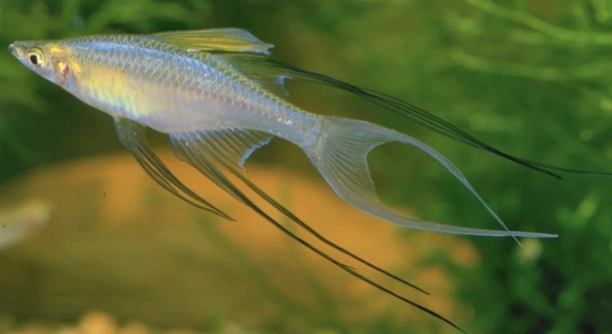
Are your threadfins behaving unusually in the tank, swimming hesitantly or avoiding certain areas? Observing subtle shifts in their movements and reactions can reveal underlying discomfort or distrust that may affect their overall wellbeing.
Threadfins often exhibit signs of distrust through hesitant swimming patterns, prolonged hiding, or refusal to feed near tankmates. These behaviors indicate stress responses to environmental changes, potential threats, or discomfort with tank conditions, requiring attentive observation and corrective measures.
Recognizing these signs early can help create a calmer environment and strengthen your threadfins’ comfort and trust in their tank.
Hesitant Swimming Patterns
Threadfins often swim slowly or freeze when they feel unsure about their surroundings. You may notice them avoiding open areas, sticking close to decorations, or darting suddenly when approached. These movements are subtle but meaningful, showing that your fish might not feel fully secure in their tank. Over time, repeated hesitation can indicate persistent stress or anxiety, which may affect their appetite, growth, and overall behavior. Observing these patterns closely helps you identify issues before they worsen, such as poor water quality, insufficient hiding spots, or aggressive tankmates. Adjusting the environment gradually can make a significant difference. Even small changes like rearranging décor, adding plants, or ensuring a calm atmosphere during feeding can encourage more confident swimming. Consistent observation allows you to track improvements, ensuring that your threadfins feel safer and more comfortable in their aquatic home. Recognizing and responding to these signs supports healthier and happier fish.
Noticing hesitant swimming is an early warning that threadfins may distrust their environment and require adjustments to feel secure.
Gradually introducing more open swimming areas and maintaining a stable environment reduces stress. Over time, fish become more confident, improving feeding habits and social interactions. Observing their patterns daily helps ensure a healthier, calmer tank.
Prolonged Hiding
Threadfins may spend long periods hiding behind plants or tank decorations when they feel uneasy. This behavior often signals discomfort with the tank setup or the presence of more dominant fish.
Extended hiding is usually a response to stress caused by environmental factors or potential threats. Low light, sudden movements, or aggressive tankmates can increase this behavior. Ensuring ample hiding spaces while gradually adjusting tank conditions helps fish emerge more confidently. Threadfins that hide consistently might avoid feeding, which affects their health and growth. Careful monitoring of water parameters, temperature, and tankmate interactions is essential. Additionally, introducing enrichment like floating plants or gentle water flow can make hiding spots feel safe rather than confining. Over time, reducing stressors and observing their comfort level allows threadfins to gradually explore the tank more freely. Healthy interactions and secure surroundings help build trust and reduce anxiety, creating a more balanced and peaceful environment for your fish.
Avoiding Feeding Areas
Threadfins may swim away or hide when food is introduced, especially if other fish are more aggressive during feeding times. This avoidance can indicate a lack of trust in the tank environment.
When threadfins avoid feeding areas, it often reflects stress or insecurity. Dominant tankmates may intimidate them, or sudden changes in lighting and water conditions can cause hesitation. Over time, this behavior can lead to poor nutrition and slower growth, making it important to monitor feeding closely. Providing multiple feeding spots, separating timid fish during feeding, or offering food in quieter areas can encourage more confident eating. Consistent observation helps identify patterns and adjust the tank setup to reduce stressors. Feeding routines play a key role in building trust and ensuring all fish receive proper nutrition. Gradual improvements in feeding confidence indicate growing comfort in the tank.
Ensuring threadfins feel safe during feeding requires patience and careful adjustment. Using small, frequent feedings and minimizing disturbances helps timid fish gradually regain confidence. Consistency in the tank environment reinforces security, encouraging healthier and more active behavior over time.
Changes in Social Behavior
Threadfins that suddenly isolate themselves or reduce interaction with other fish often signal discomfort or distrust. These changes are typically subtle but noticeable.
Altered social behavior can result from environmental stressors or conflicts with tankmates. When a fish becomes less interactive, it may avoid swimming near others, refuse to compete for food, or spend time in hidden corners. Monitoring these changes is crucial to prevent prolonged stress, which can compromise immune function and overall wellbeing. Adjusting tank layout, providing adequate space, and observing compatibility between species helps reduce tension. Encouraging positive interactions through gentle acclimation and minimizing sudden disturbances allows threadfins to regain confidence and gradually restore normal social behavior. Over time, careful observation and environment management improve comfort, feeding, and movement patterns.
Clinging to Corners
Threadfins may stay close to tank edges or corners, avoiding open spaces. This behavior shows hesitation and a lack of trust in their environment.
Remaining near corners helps them feel secure. It reduces exposure to perceived threats and provides a sense of control over their surroundings.
Sudden Darting Movements
Threadfins sometimes make quick, erratic movements when startled. These bursts are usually responses to unexpected stimuli, signaling stress or fear within the tank.
Refusal to Interact
Threadfins that ignore other fish or your presence may be expressing discomfort. Limited interaction often indicates ongoing stress or distrust in their environment.
FAQ
Why do my threadfins hide so often?
Threadfins hide frequently when they feel insecure or stressed. This behavior can result from a variety of factors, including strong tankmates, sudden changes in lighting, or a lack of proper hiding spaces. Providing plants, decorations, or caves helps them feel safe. Gradually adjusting the tank environment encourages them to explore more confidently. Monitoring water quality and maintaining consistent conditions also reduces stress, allowing them to spend more time swimming openly rather than staying hidden.
How can I encourage my threadfins to eat without fear?
Threadfins often avoid feeding areas if they feel threatened or intimidated. Offering multiple feeding spots or scattering food in quieter areas reduces competition. Feeding smaller amounts more frequently allows timid fish to eat without pressure. Minimizing sudden movements during feeding and maintaining consistent routines helps build trust over time. Patience is key—gradual changes in feeding behavior indicate growing comfort and confidence within the tank.
What causes sudden darting movements in threadfins?
Sudden bursts of movement usually indicate fear or stress. Common triggers include unexpected noises, shadows, or aggressive tankmates. Ensuring a calm environment with minimal disturbances helps reduce these reactions. Providing safe zones near plants or corners allows them to feel secure. Over time, consistent care and stable tank conditions can decrease erratic swimming, promoting calmer behavior.
Why do my threadfins avoid open areas of the tank?
Avoiding open spaces is a natural response to perceived threats. Threadfins feel more secure near walls, corners, or decorations. Rearranging the tank to include ample hiding spots and creating a balanced environment with compatible tankmates encourages gradual exploration. Observing their movement patterns daily helps identify stress triggers and allows adjustments to increase comfort.
How do I know if my threadfins distrust the tank overall?
Signs of distrust include prolonged hiding, hesitant swimming, refusal to eat near others, clinging to corners, and sudden darting movements. Consistent observation of these behaviors reveals patterns indicating stress or insecurity. Adjusting tank conditions, providing enrichment, and ensuring peaceful tankmates help improve trust and overall wellbeing.
Can water quality affect my threadfins’ behavior?
Yes, poor water quality can increase stress and trigger distrust. Ammonia spikes, improper pH, or irregular temperature changes may lead to hiding, erratic swimming, or reduced feeding. Regular testing, partial water changes, and maintaining stable parameters are crucial. Clean, well-oxygenated water encourages confident movement and healthier interactions among tankmates.
Will threadfins ever fully trust their tank?
With patience and consistent care, threadfins can become more confident. Providing stable conditions, safe hiding spaces, and gentle feeding routines gradually builds trust. Observing daily behaviors allows you to notice improvements and address stressors promptly. Over time, even naturally timid threadfins can show more relaxed and exploratory behaviors, demonstrating comfort within their environment.
How do tankmates influence threadfin trust?
Aggressive or overly active tankmates can cause prolonged hiding or feeding avoidance. Selecting compatible species and monitoring interactions is essential. If conflicts arise, separating timid threadfins temporarily can reduce stress. Providing enrichment for all fish, such as plants or visual barriers, allows safer interactions and encourages calmer social behavior.
Is lighting important for threadfin comfort?
Sudden bright lights or drastic changes in lighting can startle threadfins and increase hiding. Gradual lighting adjustments and maintaining consistent day-night cycles help reduce stress. Using floating plants or shaded areas allows fish to control exposure, promoting confidence and reducing erratic behavior in the tank.
Can I improve trust through interaction?
Gentle observation and calm, consistent routines support trust building. Avoid tapping the glass or sudden movements. Over time, threadfins may become more comfortable with your presence and begin exploring open areas. Simple, patient care practices create a secure environment that encourages natural, relaxed behavior.
This FAQ provides practical guidance for recognizing and addressing subtle signs of distrust in threadfins, emphasizing patience, observation, and gradual environmental improvements to support their wellbeing.
Threadfins are sensitive fish that respond strongly to their environment. Their behavior often reflects comfort or discomfort in subtle ways, such as hesitant swimming, prolonged hiding, or avoiding feeding areas. Observing these patterns carefully is important because it helps identify whether the tank conditions are supporting their wellbeing or causing stress. Even minor changes in tankmates, water quality, or décor can influence how secure threadfins feel. By paying attention to these signs, you can create an environment that promotes confidence and reduces anxiety. Threadfins that feel safe are more likely to explore, interact, and feed regularly, which improves overall health and longevity. A calm, stable tank environment, with consistent water parameters and safe hiding spaces, encourages positive behavior and trust.
Creating a trustworthy environment for threadfins requires patience and small adjustments. Providing multiple hiding spots, balanced lighting, and quiet feeding areas can reduce stress significantly. Observing how your fish respond to these changes allows you to measure progress over time. Some threadfins may take longer than others to adjust, so consistency is key. Avoid sudden rearrangements, abrupt water changes, or introducing aggressive tankmates without careful planning. Gradually, these steps help timid fish gain confidence and feel secure in their surroundings. Daily observation not only improves your understanding of each fish’s personality but also allows you to address issues before they develop into larger health or behavioral problems. A thoughtful, attentive approach helps build trust and creates a harmonious tank environment where threadfins can thrive.
Understanding the signs of distrust in threadfins is essential for maintaining a healthy and balanced aquarium. Recognizing behaviors like corner-clinging, darting movements, and avoidance of social interaction can guide practical adjustments to the tank. By addressing stressors, maintaining clean and stable water, and providing sufficient enrichment, you can reduce anxiety and encourage normal, confident behavior. Each threadfin will respond differently, so it’s important to be patient and attentive. Consistent care and observation not only improve their comfort but also strengthen your ability to create an environment that meets their needs. Over time, these efforts foster healthier, more relaxed threadfins that display natural behaviors and engage confidently with their surroundings. A well-maintained, calm tank benefits all fish and ensures a positive experience for both the fish and the caretaker.

Hello,
If you enjoy the content that we create, please consider saying a "Thank You!" by leaving a tip.
Every little bit helps us continue crafting quality advice that supports the health, happiness, and well-being of pets around the world, for pets of all shapes, sizes, and species.
We really appreciate the kindness and support that you show us!