
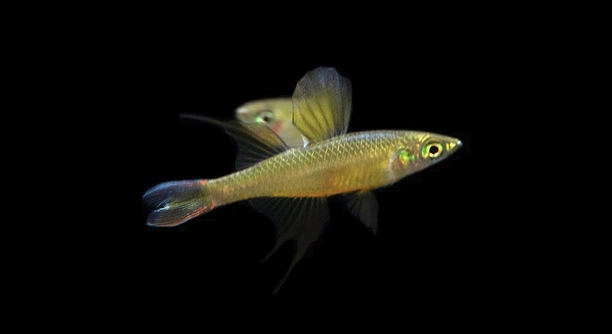
Do you ever watch threadfins gliding through the water and wonder how they rest? These fish are graceful and quick, but like all creatures, they need sleep. Observing their patterns can reveal subtle behaviors that often go unnoticed.
Threadfins exhibit individual sleeping habits influenced by environmental factors, predation risk, and social dynamics. Some species rest near the seafloor while others seek shelter among structures, showing variability in sleep duration and location based on personal and external conditions.
Understanding these patterns can improve aquarium care and conservation strategies. Observing threadfins’ unique rest behaviors provides valuable insight into their natural lifestyle.
How Threadfins Choose Their Sleeping Spots
Threadfins often select resting areas based on safety and comfort. In the wild, they tend to gather near structures like rocks, coral, or submerged vegetation. These spots offer protection from predators and strong currents, allowing the fish to remain still without using much energy. Some species prefer sandy or muddy bottoms where they can blend in with the environment. Individual preferences also play a role; some threadfins rest closer to the surface, while others stay deeper. Observing them in aquariums shows that even slight changes in tank setup influence where they choose to sleep. Light levels, water temperature, and nearby activity can all affect their resting patterns. Over time, threadfins develop habits that seem consistent, yet they remain flexible enough to move if a location becomes uncomfortable or unsafe. Recognizing these patterns helps in creating environments that support their natural behavior.
These sleeping choices highlight the threadfins’ balance between safety, energy conservation, and environmental awareness.
By paying attention to where threadfins settle, caretakers can optimize tank conditions. Providing varied surfaces, hiding spots, and gentle lighting ensures that each fish finds a place that suits its comfort. Sudden changes in environment, such as loud vibrations or aggressive tank mates, may disrupt their rest. Threadfins also demonstrate social behaviors, sometimes sleeping near others for security or maintaining personal distance depending on temperament. Knowing these habits supports both health and observation, allowing for a more natural daily rhythm.
Factors Affecting Threadfin Sleep
Sleep duration and quality are influenced by temperature, light, and activity levels.
Environmental conditions directly shape how threadfins rest. Water temperature affects metabolism; cooler water slows movement, prompting longer periods of inactivity, while warmer water can increase alertness and reduce sleep. Light cycles also play a critical role, as threadfins respond to natural day-night rhythms. Excessive light at night may prevent proper rest, while too little light can disrupt feeding and activity patterns. Social factors are equally important. Threadfins may alter sleeping locations based on nearby companions or perceived threats. Aggressive interactions can force individuals to choose safer but less comfortable spots. Even minor disturbances, like vibrations or water flow changes, can interrupt rest. Understanding these factors allows caretakers to mimic natural conditions, supporting healthier sleep patterns. Maintaining stability in environment and social dynamics promotes consistency in resting behavior and overall wellbeing, which is essential for long-term health and behavior observation in both captive and natural settings.
Individual Differences in Threadfin Sleep
Each threadfin has unique rest patterns, even within the same environment. Some are light sleepers, easily disturbed by movement or light changes, while others can remain still for hours. These differences affect their daily activity and interactions with other fish in the tank or natural habitat.
Individual variability can be influenced by age, health, and personality. Younger threadfins often require more rest to support growth, whereas older fish may sleep less but more deeply. Health conditions, including minor stress or water quality issues, can alter sleep duration and location. Even temperament matters—some threadfins prefer solitude, choosing secluded spots, while others rest near companions for a sense of security. Recognizing these differences is crucial for managing aquariums or observing wild populations, as it helps predict behavior and ensure each fish’s needs are met.
Behavioral monitoring shows that individual sleep patterns can shift over time. Seasonal changes, food availability, and interactions with other species may prompt adjustments. For example, a threadfin that once slept near the surface might move lower to avoid competition or disturbance. Similarly, changes in tank layout or environmental conditions can cause previously consistent sleepers to seek new resting areas. Tracking these patterns provides insight into overall wellbeing and can guide adjustments in habitat design, feeding schedules, and social arrangements to support natural rhythms.
Observing Threadfin Sleep in Captivity
Providing proper hiding spots encourages natural rest and reduces stress, enhancing overall health.
In captivity, threadfins show distinct sleep behaviors that reflect their wild habits. They often select sheltered areas, such as under rocks, plants, or ledges, for uninterrupted rest. Light control is essential; dim or gradual lighting transitions help maintain natural cycles. Social dynamics within the tank can also influence sleeping spots, as fish may adjust locations based on interactions or hierarchy. Monitoring these behaviors helps identify stress, illness, or discomfort early, allowing adjustments to tank conditions, feeding routines, or group composition to promote consistent, healthy sleep patterns.
Consistency in environment and care supports better sleep habits for captive threadfins. Stable water quality, temperature, and tank layout reduce disturbances, while predictable feeding schedules reinforce daily rhythms. Observation over weeks allows caretakers to notice subtle changes in location preference, activity timing, and rest duration. Individual differences remain, but providing choice and comfort ensures each fish can maintain natural patterns. In addition, adjusting light cycles, minimizing sudden movements, and limiting aggressive tank mates prevents disrupted sleep. Through careful monitoring, threadfins can thrive in captivity, displaying behaviors similar to those observed in the wild, which improves overall health and longevity.
Sleep Patterns Across Species
Different threadfin species display varied sleep behaviors. Some remain active until nightfall, while others begin resting during daylight hours. The timing and location of sleep often correlate with predation risk and feeding schedules.
Species with similar habitats may still differ in resting preferences. Even closely related threadfins can choose distinct areas for shelter or display different durations of inactivity. Factors such as water depth, temperature, and social structure contribute to these differences, emphasizing that sleep habits are not uniform across all threadfins. Observing these patterns helps in understanding species-specific needs.
Environmental Influences on Rest
Water temperature, light exposure, and habitat complexity significantly affect threadfin sleep. Sudden changes can disrupt rest, leading to stress or reduced activity. Stable conditions encourage predictable patterns.
Adjusting tank or habitat environments to mimic natural conditions supports proper rest. Providing shaded areas, varying water flow, and maintaining consistent temperatures allow threadfins to select comfortable sleeping spots. External disturbances like noise, strong currents, or aggressive neighbors can cause movement during rest. Careful observation of environmental impacts ensures each fish can maintain healthy sleep patterns and adapt naturally to changes without unnecessary stress.
Monitoring Sleep for Health
Regular observation of sleeping habits helps detect early signs of stress or illness.
FAQ
How can I tell if my threadfin is sleeping?
Threadfins usually reduce movement, hover near a shelter, or rest on the substrate when sleeping. Their fins may be still, and they respond slowly to external stimuli. Observing consistent inactivity in certain areas during low light or quiet periods generally indicates rest.
Do threadfins sleep at night or during the day?
Most threadfins follow a diurnal pattern, resting primarily at night. Some species may take short daytime rests, especially if disturbed or stressed. Patterns depend on natural habitat conditions, water temperature, and social dynamics within a group. Individual differences are common.
Is it normal for threadfins to change their sleeping spot?
Yes. Changes in light, water flow, tank layout, or social interactions can cause threadfins to move to new resting areas. Some may experiment with multiple spots before settling, while others prefer a consistent location over time.
How long do threadfins typically sleep?
Sleep duration varies by age, species, and environmental conditions. Younger fish usually rest longer to support growth, while older threadfins may sleep for shorter but deeper periods. On average, they rest several hours per day, often in short bouts.
Can disturbances affect threadfin sleep?
Absolutely. Sudden vibrations, loud noises, strong currents, or aggressive tank mates can interrupt rest. Prolonged disturbances may lead to stress, reduced immunity, and abnormal behavior. Maintaining stable conditions is essential for healthy sleep patterns.
Do threadfins sleep alone or in groups?
Both behaviors are observed. Some threadfins seek the safety of companions when resting, while others prefer solitude. Social hierarchy and individual temperament influence this choice. Observing your fish can reveal which approach each individual prefers.
Does water quality affect sleeping habits?
Poor water quality can disrupt rest, making fish restless or forcing them to choose less optimal spots. Maintaining proper pH, temperature, and cleanliness supports normal sleep and reduces stress-related behavior changes.
Can threadfins adapt to artificial lighting in aquariums?
Yes, they can adjust gradually to consistent light cycles. Sudden changes in brightness or timing may disrupt sleep, but predictable lighting allows them to maintain natural resting rhythms. Using dim lighting during night periods supports healthier patterns.
Do threadfins dream?
While it’s impossible to know for certain, threadfins show periods of deep rest similar to sleep in other animals. These periods may allow brain processing and memory consolidation, but definitive evidence of dreaming is unavailable.
Should I worry if a threadfin sleeps more than usual?
Occasional extended rest can be normal, especially if the fish recently experienced activity or stress. However, consistently excessive sleep may indicate illness, poor water quality, or environmental discomfort. Monitoring other behaviors and water conditions is important.
How can I improve sleep for threadfins in captivity?
Provide hiding spots, maintain stable temperature, ensure proper light cycles, and minimize disturbances. Observing individual preferences allows each fish to select a comfortable resting area, supporting natural rhythms and overall wellbeing.
Do threadfins’ sleep habits change with age?
Yes. Juveniles tend to sleep longer for growth, while adults require shorter, more stable rest. Older fish may show more defined patterns, resting in familiar spots and adjusting less frequently to environmental changes.
Can multiple threadfins in one tank affect each other’s sleep?
Group dynamics can influence resting patterns. Dominant individuals may claim preferred spots, while submissive fish adjust to avoid conflict. Aggression or overcrowding can disrupt sleep, making space and hiding areas essential for harmony.
Are there signs of disrupted sleep in threadfins?
Restlessness, unusual hiding, erratic swimming, or refusal to settle are common indicators. Long-term issues may signal stress, illness, or environmental problems. Observing patterns over days provides insight into normal versus disrupted behavior.
Do threadfins need complete darkness to sleep?
Not necessarily, but low light helps. Gradual dimming is preferred over sudden darkness. Light levels mimicking natural dawn and dusk cycles support consistent rest without causing stress.
How does diet affect sleep?
Adequate feeding supports regular rest. Underfed fish may be restless, searching for food, while overfeeding can impact water quality, indirectly affecting sleep. Balanced nutrition contributes to overall health and proper sleep patterns.
Can sleep habits help indicate overall health?
Yes. Consistent, normal rest patterns often reflect good health. Deviations in duration, location, or activity levels during rest can indicate illness, stress, or environmental issues that need attention.
Do threadfins ever sleep while swimming?
Some species may hover slowly in the water column during rest, appearing to swim. This allows them to remain alert for predators while conserving energy. The degree varies by species and environmental conditions.
How important is routine for threadfin sleep?
Routine is vital. Predictable light cycles, feeding schedules, and minimal disturbances help maintain natural sleep patterns. Sudden changes can cause stress, reduce rest quality, and affect overall behavior and health.
Can observing sleep improve aquarium management?
Monitoring sleeping habits provides insights into comfort, social dynamics, and environmental suitability. Adjusting tank setup, lighting, and companions based on observations ensures healthier, happier fish that display natural behaviors.
Final Thoughts
Threadfins are fascinating fish, and understanding their sleeping habits helps us appreciate their behavior more fully. Each fish shows individual differences, from where it chooses to rest to how long it sleeps. These habits are influenced by factors like age, health, and environmental conditions. Younger threadfins often need more rest for growth, while older fish may have shorter, deeper sleep. Even within the same species, one fish might prefer resting near the surface while another chooses a hidden spot near the bottom. Observing these patterns over time allows us to see their natural rhythms and make adjustments to care that suit each individual. Paying attention to these details helps ensure threadfins remain healthy, comfortable, and active during their awake periods.
Environmental conditions play a key role in threadfins’ sleep. Factors such as water temperature, light levels, water quality, and habitat layout directly influence where and how they rest. Sudden changes in light or temperature can disrupt sleep, causing stress or unusual behavior. Providing hiding spots and maintaining a stable environment allows each threadfin to choose a location where it feels safe and relaxed. Social dynamics also matter; some fish sleep near companions for security, while others prefer solitude. Observing these preferences helps in designing tanks or managing wild habitats in a way that supports natural behaviors. Consistent routines, stable water conditions, and careful monitoring create an environment where threadfins can rest properly, contributing to overall health and longevity.
Sleep is a small but essential part of threadfins’ lives, affecting energy levels, growth, and daily behavior. By paying attention to individual differences, environmental factors, and social interactions, we can better understand how threadfins rest and thrive. Observing them over time reveals subtle changes that indicate comfort, stress, or health issues. These insights are useful not only for maintaining captive fish but also for studying natural populations in their habitats. Supporting natural sleeping habits ensures threadfins remain active, alert, and healthy during the day while getting the rest they need. Understanding their sleep patterns helps us create better conditions, reduce stress, and support a more natural and balanced life for each fish.

Hello,
If you enjoy the content that we create, please consider saying a "Thank You!" by leaving a tip.
Every little bit helps us continue crafting quality advice that supports the health, happiness, and well-being of pets around the world, for pets of all shapes, sizes, and species.
We really appreciate the kindness and support that you show us!