
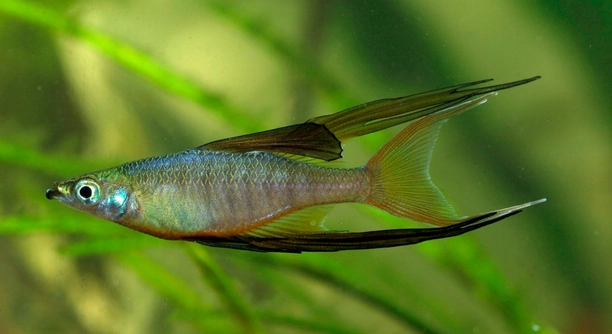
Lighting can change the way Threadfin appear in subtle ways. Different types of lighting can make their natural colors look muted, washed out, or dull, which may affect both observation and photography of these fish in aquariums.
Seven types of lighting can significantly flatten the natural coloration of Threadfin. Artificial white light, fluorescent tubes, overly bright LEDs, and poor-spectrum lighting reduce vibrancy, diminish iridescence, and make subtle hues appear washed out, altering the fish’s true appearance.
Knowing which lighting conditions impact color will help you maintain Threadfin’s visual appeal and choose setups that preserve their natural beauty effectively.
Fluorescent Lighting
Fluorescent lighting is common in many home aquariums, but it can make Threadfin colors appear flat and dull. The spectrum of fluorescent bulbs often lacks the richness that highlights subtle shades in the fish’s scales. I remember when I first switched to fluorescent tubes; the Threadfin’s natural silver and gold tones seemed washed out. Even though the tank was bright, the fish lost some of their shimmer, making them look almost monochrome at times. The light is efficient and inexpensive, but it doesn’t bring out the depth of color that other lighting options do. This effect is most noticeable in Threadfin with vibrant fins or iridescent scales. Adjusting tank décor or background color can slightly help, but the light itself is still the main factor flattening their appearance. Over time, the lack of proper spectrum can make the fish look less lively, especially during the day when natural light is absent.
Fluorescent lighting is inexpensive but often reduces the vividness of Threadfin scales significantly.
To improve appearance, combining fluorescent lighting with a supplemental spectrum or using daylight-balanced tubes can restore some vibrancy. Positioning the tubes closer to the water surface helps, and reflective backgrounds enhance color perception. Careful adjustment allows the fish to maintain a more natural look without overhauling the tank completely.
LED Lighting
LEDs are highly versatile, but certain types can flatten Threadfin colors.
Not all LEDs are created equal; high-intensity white LEDs often lack the right spectrum to showcase subtle shades. Colored LEDs, while bright, may overemphasize some tones and suppress others. Threadfin exposed to these lights may appear pale or overly silvery. In my experience, switching to LEDs with a broader spectrum brought out hidden gold and pink hues. The intensity can also create glare, masking iridescence. Adjusting brightness and combining different LED spectrums helps maintain balance. Overly cool or harsh LEDs strip the natural depth from fins, while warmer or full-spectrum LEDs highlight it. When selecting LEDs, check the spectrum chart to ensure it supports fish coloration, not just aquarium lighting needs. A thoughtful setup balances brightness, spectrum, and angle to prevent colors from washing out. Proper LED selection significantly improves the fish’s appearance over standard options.
Incandescent Lighting
Incandescent bulbs give off a warm light, but they can make Threadfin appear yellowish or muted. The natural silvers and subtle pinks in their scales often lose vibrancy under this type of lighting.
I switched to incandescent once because I liked the warm glow, but the Threadfin quickly looked dull. Their shiny scales lost depth, and fins that usually shimmered seemed flat. While the light makes the tank cozy, it doesn’t support the full range of their colors. Warmer tones dominate, masking silvers and subtle iridescence. Over time, this can make the fish appear less lively. Adjusting the bulb wattage slightly helps, but it won’t fully restore natural hues. A mix with cooler spectrum lights is often needed to balance color presentation.
Some Threadfin tolerate incandescent better than others, but for full vibrancy, this lighting is generally insufficient. It’s best used with supplemental lighting to bring back color depth.
Natural Sunlight
Natural sunlight exposes Threadfin to a full spectrum, but direct sunlight can flatten colors if too intense.
In my tank, sunlight streaming through a window brightened the room but made Threadfin scales appear reflective and pale at certain angles. Direct sun often washes out fine details and subtle shades, especially in mid-morning and afternoon light. I noticed that shadows and reflections created by décor also altered perception, making gold tones appear muted. While sunlight can enhance general brightness, it can also make the fish look silvery and flat if not diffused. Positioning the tank away from harsh rays or using curtains softens light intensity. Indirect sunlight works best to maintain depth and richness in coloration without creating glare.
Balancing sunlight with controlled artificial lighting helps preserve Threadfin vibrancy. Using blinds or filtered light allows natural brightness while maintaining color depth. Observing fish at different times of day highlights which angles flatten colors most. Supplementing with warm or full-spectrum LEDs during low-light periods ensures consistent appearance. Overexposure to sunlight can also stress fish, affecting behavior and health, so managing light intensity is crucial. Proper planning allows natural sunlight to support rather than diminish their visual appeal.
Overhead Lighting
Overhead lighting can create glare on the water surface, flattening Threadfin colors. Reflection often masks subtle scales and fin hues, making them appear paler than they actually are.
In my experience, positioning lights slightly to the side reduces glare. Even a small adjustment can help the fish regain some depth in their appearance, though overhead lights alone rarely highlight full vibrancy.
Compact Fluorescent Bulbs
Compact fluorescent bulbs are convenient, but they often emit uneven spectrums. Threadfin under these bulbs may lose subtle pinks and golds, appearing silvery and muted. Lighting angle and distance further influence how much color is visible, and inconsistent placement can exaggerate flatness across the tank.
High-Intensity Spotlights
High-intensity spotlights create harsh light that can wash out Threadfin colors quickly. The brightness reflects strongly off scales, diminishing natural iridescence and subtle shading that usually gives them depth. Overexposure makes fins appear transparent and reduces visual contrast. Adjusting intensity or using diffusers can help, but extreme brightness generally flattens appearance.
Ambient Room Lighting
Ambient room lighting is often too soft to showcase Threadfin colors effectively. Natural hues appear muted, and subtle tones are lost, leaving fish looking paler. Choosing lights with better spectrum or adding tank-specific illumination improves overall color visibility.
FAQ
Why do Threadfin look dull under certain lights?
Threadfin appear dull under specific lighting because their scales reflect light differently depending on the spectrum. Lights that are too cool, too warm, or lack certain wavelengths fail to highlight their natural gold, pink, and silver hues. I’ve noticed that even a small change in light type can make a big difference in how the fish looks. Fluorescent or white LEDs without proper color rendering often flatten their iridescence, while natural or full-spectrum lighting preserves depth and shimmer. Positioning and intensity also matter—too bright, and the scales reflect harshly; too dim, and colors fade into shadow.
Can changing the bulb improve their color?
Yes, switching to bulbs with a broader spectrum or daylight-balanced LEDs can restore much of their natural appearance. I replaced standard fluorescent tubes with full-spectrum LEDs, and the difference was noticeable within days. The gold and subtle pink tones returned, and fins regained shimmer. Even small changes, like adjusting wattage or distance from the water, can enhance the perceived vibrancy. Using multiple types of lighting together—such as soft overhead plus indirect LEDs—often gives the best results. Proper selection is more effective than increasing brightness alone, which can wash out colors.
Does tank background affect Threadfin color?
Absolutely. Background color can change how light reflects in the tank, altering how Threadfin appear. Darker backgrounds tend to make their colors pop, while pale or reflective walls can flatten their appearance. I once switched my tank from white to deep blue, and suddenly the subtle shades in their scales were visible again. Plants, rocks, and décor also influence light reflection and shadow, which can either enhance or mask iridescence. Even small adjustments, like moving décor or using textured backgrounds, help prevent colors from looking muted.
Is direct sunlight good or bad for Threadfin?
Direct sunlight is tricky. Indirect natural light can bring out full spectrum colors, but strong direct rays often reflect off scales, making Threadfin appear washed out. In my experience, morning sunlight filtered through a curtain gave excellent results without flattening their tones, while unfiltered afternoon sun made them look overly silvery. Managing sunlight with blinds or diffusers maintains depth and protects the fish from stress. Combining sunlight with artificial full-spectrum lighting ensures consistent color throughout the day.
How often should I adjust lighting to maintain color?
Lighting should be adjusted seasonally or whenever tank conditions change. I tend to check color every few weeks, especially after switching bulbs or rearranging décor. Gradual adjustments prevent stress and allow Threadfin to adapt without sudden color loss. Maintaining a consistent schedule with timers helps, as sudden darkness or brightness can temporarily flatten hues. Observing fish at different times of day helps identify which angles or intensities are most effective.
Can reflections or glare really make such a difference?
Yes, reflections and glare significantly affect appearance. Even high-quality lighting can create shiny spots that mask the natural shimmer of scales. I noticed that moving lights slightly to the side or using diffusers reduced harsh reflections and restored vibrancy. Smooth water surfaces amplify glare, so gentle filtration or aeration can also help prevent flattened colors. Managing reflections is just as important as choosing the right bulb.
Are there any quick fixes for dull Threadfin colors?
Quick fixes include adjusting bulb height, changing light angle, or adding a reflective background. I’ve also found that supplementing with full-spectrum LEDs while keeping existing lights improves color almost immediately. Avoid over-brightening the tank, which can flatten the appearance further. Subtle tweaks often work better than drastic changes.
Does tank size or water clarity affect how colors appear?
Yes, larger tanks and cloudy water can reduce perceived vibrancy. Clear water allows light to penetrate properly, showing off the Threadfin’s natural hues. I noticed in smaller, murkier tanks, colors seemed muted even with full-spectrum lights. Regular maintenance and water treatment help maintain both clarity and color intensity.
Can diet influence how lighting affects color?
Diet impacts the intensity of natural pigmentation, which interacts with light. I added foods rich in carotenoids and natural pigments, and under the same lighting, Threadfin appeared brighter and more vivid. Poor diet combined with flat lighting makes colors look even more washed out. Proper nutrition supports both health and appearance, enhancing the effects of well-chosen lighting.
Is it better to use one type of light or a combination?
A combination usually works best. Mixing overhead, side, and full-spectrum LEDs balances intensity and highlights multiple angles, bringing out both silver tones and subtle pink or gold hues. I often combine indirect sunlight with adjustable LEDs to maintain a natural, dynamic look. Single-source lighting rarely captures the full range of Threadfin coloration.
This FAQ addresses the main reasons Threadfin can appear dull and practical steps to restore their natural shimmer through careful lighting, positioning, and care.
Final Thoughts
Lighting has a major impact on how Threadfin appear in an aquarium. Different types of bulbs and light sources can either enhance or flatten their natural colors. I have seen this many times in my own tank. Under fluorescent lights, their fins and scales often look washed out and less vibrant. LEDs that are too cool or too bright make them appear overly silvery, masking subtle gold or pink tones. Even natural sunlight, which seems ideal, can sometimes flatten colors if it is too strong or comes from the wrong angle. The way light interacts with water, tank décor, and the fish themselves changes how colors are perceived. Simple changes, like adjusting the light angle or using diffusers, can make a noticeable difference in their appearance. Over time, observing the fish under different lighting conditions helps identify which setups preserve their natural vibrancy best.
Choosing the right lighting goes beyond brightness alone. The spectrum of the light is crucial because Threadfin scales reflect and refract certain wavelengths better than others. Full-spectrum or daylight-balanced lights often show the fish’s colors more accurately. In contrast, standard incandescent or narrow-spectrum LEDs can flatten the shades, making the fish look dull. Positioning the light is also important. Lights placed directly overhead or too close to the water surface create glare that reduces the depth of color. Conversely, side lighting or diffused lighting softens reflections and highlights the fish’s natural hues. Even the tank background plays a role—darker backgrounds often make Threadfin colors pop, while pale or reflective walls may contribute to a washed-out appearance. Understanding how these factors interact allows for small adjustments that improve the visual appeal of the tank without stressing the fish.
Maintaining the vibrancy of Threadfin is a combination of careful lighting, proper tank setup, and attentive care. Diet also plays a role, as fish with healthy pigmentation respond better to well-chosen light, showing more vibrant tones. Regular monitoring and small adjustments to lighting intensity, position, and type help maintain their natural beauty. It is important to avoid over-brightening or exposing the tank to harsh sunlight for long periods, as this can both flatten colors and cause stress. By observing how Threadfin respond to different lighting setups and making incremental improvements, it is possible to create an environment where their natural colors shine through consistently. Thoughtful lighting, combined with clean water, proper nutrition, and a well-considered tank layout, ensures that Threadfin display their full range of subtle iridescence and lively shades, making the aquarium both visually appealing and comfortable for the fish.

Hello,
If you enjoy the content that we create, please consider saying a "Thank You!" by leaving a tip.
Every little bit helps us continue crafting quality advice that supports the health, happiness, and well-being of pets around the world, for pets of all shapes, sizes, and species.
We really appreciate the kindness and support that you show us!