
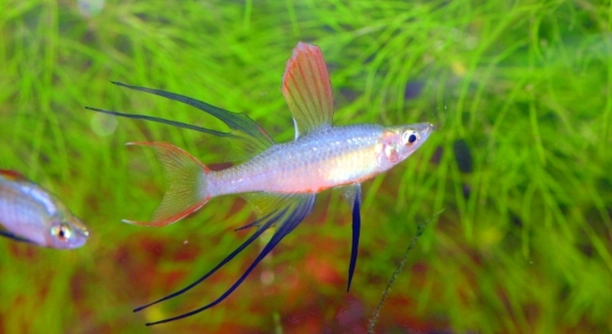
Do you enjoy watching threadfins flash but sometimes notice they suddenly stop? Observing these fish can be relaxing, but changes in their behavior often leave anglers and enthusiasts puzzled about what might be happening.
Threadfins may abruptly stop flashing due to environmental stress, lack of food, changes in water temperature, seasonal behavior shifts, predation pressure, illness, or natural resting periods. These factors can independently or collectively influence their visual display patterns.
Understanding these reasons can help you better interpret threadfin behavior and improve your experiences while observing or fishing for them in various waters.
Environmental Stress
Threadfins are highly sensitive to their surroundings. Sudden changes in water clarity, salinity, or pollution can make them uneasy, causing them to stop flashing. Even minor disturbances, like boat traffic or human activity near their habitat, can disrupt their normal behavior. In my experience watching them along the coast, I noticed that after a storm, the flashes almost completely disappear for a few days. Fish rely on stable environments to feel safe. When conditions fluctuate, they conserve energy and hide rather than display their usual flashes. Maintaining calm, clean waters helps them resume normal activity more quickly. Observing their behavior closely can give clues about environmental changes that might otherwise go unnoticed. Consistent monitoring of the water quality and surroundings is key for anyone hoping to see threadfins displaying their natural flashes.
Environmental stress can stop threadfins from flashing for hours or even days, depending on the severity of the change.
By noting patterns of environmental stress, you can predict when threadfins are likely to flash again and better understand their responses to shifts in their habitat. Watching the water conditions along with the fish provides a more complete picture of their behavior. Simple observations, like temperature changes or nearby disturbances, often explain why flashing suddenly stops. Recognizing these triggers can help you create conditions that encourage more consistent displays, making it easier to anticipate when the threadfins will resume their usual activity.
Lack of Food
A lack of available food can make threadfins less active and stop them from flashing.
When food sources are scarce, threadfins focus on survival rather than display.
Threadfins flash to attract mates or communicate, but if they are hungry, energy is conserved for foraging rather than visual displays. Areas with low plankton or baitfish often show reduced flashing, especially during dry seasons or after unusual weather events. I’ve noticed that in certain bays, when small fish populations drop, threadfins almost completely cease their flashing until food returns. Feeding patterns directly impact their activity levels. Keeping track of local food availability can explain sudden changes in behavior. Over time, areas with richer resources tend to have more consistent flashing, highlighting the strong link between diet and display behavior. Observing their feeding areas and understanding what sustains them can give a practical guide to predicting when flashes will resume naturally.
Changes in Water Temperature
Threadfins are very sensitive to water temperature. Even a small shift can make them stop flashing, as their metabolism slows down or speeds up depending on the change.
Sudden drops or rises in temperature affect the activity levels of threadfins. Cold water can make them sluggish and less likely to display flashes, while warmer water can increase stress, leading to similar behavior. In coastal areas I’ve observed, temperature swings caused by tides or weather changes often correlate directly with periods of reduced flashing. Fish tend to seek stable temperatures to maintain energy for essential activities. When water conditions are consistent, flashes are more predictable, but instability quickly interrupts their behavior patterns.
Temperature changes also influence the availability of prey and oxygen levels, further affecting threadfin activity. When the water warms too much or cools rapidly, they prioritize survival over display. These shifts can last hours or even days, depending on environmental conditions. Watching temperature patterns helps explain sudden pauses in flashing. Consistent observations allow for understanding how threadfins react to natural fluctuations and help anticipate when normal behavior will return.
Seasonal Behavior Shifts
Threadfins adjust their activity based on the time of year, which can stop flashing temporarily. Their behavior changes with mating cycles, migration patterns, and seasonal water conditions.
During certain seasons, threadfins focus on preparing for breeding or conserving energy, reducing their visual displays. I’ve seen this in local bays where flashes nearly vanish during late winter months. Seasonal shifts affect their movement and feeding habits, which in turn influence flashing frequency. The combination of daylight changes, temperature, and food availability all contribute to this seasonal pause. Tracking their patterns over months shows clear periods when flashing naturally declines.
These seasonal patterns also reflect long-term survival strategies. Threadfins reduce energy use when environmental conditions are less favorable, such as during colder months or when food is limited. By observing their behavior through the year, it becomes easier to understand why flashes stop without any apparent disturbance. Seasonal awareness helps predict active periods and ensures that expectations align with natural cycles rather than temporary environmental stress or food shortages. Over time, this observation makes spotting flashes more rewarding and explains the natural rhythm of their displays.
Predation Pressure
Threadfins often stop flashing when predators are nearby. They stay hidden to avoid drawing attention, prioritizing safety over display.
Even small changes in predator presence can affect their behavior. I’ve noticed that after seeing larger fish or birds close by, flashes disappear almost immediately, and the fish remain cautious for hours.
Illness or Injury
Sick or injured threadfins reduce activity and may stop flashing completely. Infections, parasites, or wounds make them conserve energy and stay hidden. When I’ve observed injured fish, they rarely engage in normal flashing behavior until fully recovered.
Natural Resting Periods
Threadfins require downtime to recover energy, which can pause flashing. They often rest in deeper water or shaded areas, avoiding unnecessary movement while conserving energy.
FAQ
Why do threadfins suddenly stop flashing after a storm?
Storms often stir up water, change temperature, and increase debris, all of which stress threadfins. I’ve seen them stop flashing immediately after heavy rainfall, even when food is still available. The turbulent water makes them hide and conserve energy until conditions stabilize.
Can a lack of food cause threadfins to stop flashing permanently?
Not permanently, but extended periods without food reduce their activity significantly. When baitfish or plankton are scarce, I’ve noticed threadfins flash less often or not at all, focusing on finding enough to eat rather than displaying their usual patterns. Once food returns, flashing resumes naturally.
Do water temperature changes affect flashing immediately?
Yes, even small shifts can have a noticeable impact. Threadfins are sensitive to temperature swings. I’ve observed that after a sudden cold front, flashes slow down within hours. Conversely, warm water spikes can increase stress, reducing flashing just as quickly.
Is predation pressure the main reason flashing stops?
Predation is a strong factor. If nearby predators are detected, threadfins stop flashing to avoid attracting attention. In shallow bays I watch, flashes disappear almost instantly when larger fish swim nearby or when birds are hunting overhead.
How do seasonal behavior shifts affect flashing?
Seasonal changes influence energy use, feeding, and mating behavior. I’ve noticed that late winter and early spring often show reduced flashes as threadfins conserve energy or prepare for breeding cycles. Their displays return when environmental conditions and energy levels improve.
Can illness or injury completely stop flashing?
Yes, sick or injured threadfins often hide and avoid activity. I’ve seen fish with parasites or minor wounds stop flashing entirely. Recovery can take days or weeks, depending on the severity. Healthy flashes resume only after energy levels and overall health improve.
Do threadfins have natural resting periods that affect flashing?
They do. Threadfins take breaks to recover energy, especially during midday or after feeding. During these times, I’ve observed them moving to deeper water or shaded areas, stopping flashes entirely. These resting periods are normal and not cause for concern.
How long can threadfins go without flashing due to environmental stress?
The duration depends on the severity of the stressor. After a strong storm or sudden pollution, I’ve seen flashing pause for several days. Minor disturbances may only cause a few hours of inactivity. Observing patterns over time helps predict recovery.
Does food type influence flashing frequency?
Yes, the availability of preferred prey increases flashing activity. In areas rich with small baitfish or plankton, threadfins display more frequently. I’ve noticed that even when less preferred food is present, flashing reduces because the fish focus on energy conservation.
Can human activity impact flashing?
Human activity, such as boating or fishing, often interrupts threadfin displays. I’ve observed that in busy areas, flashes are less frequent because the fish stay cautious. Reducing disturbances can help them resume normal behavior.
Is flashing behavior consistent across all threadfin populations?
Not entirely. Local conditions, predation pressure, and food availability all influence flashing frequency. In my observations, some bays show consistent flashing year-round, while others only display for short periods due to environmental factors. Patterns are location-specific and can vary widely.
What’s the best way to encourage threadfins to flash?
Stable water conditions, abundant food, and minimal disturbances seem to help. I’ve found that avoiding sudden noise, maintaining clean waters, and monitoring temperature patterns encourages more consistent flashes. Observing natural cycles also helps predict peak activity times.
Can multiple factors cause flashing to stop simultaneously?
Absolutely. I’ve seen situations where predation, low food, and temperature changes occur together, causing extended periods without flashes. These combined factors often amplify inactivity, making it harder to pinpoint a single reason. Watching all environmental cues gives a clearer understanding.
Are there signs to tell if flashing will resume soon?
Yes, changes in water clarity, rising food availability, and reduced stress usually indicate flashes will return. I often notice small movements or partial flashes before normal patterns fully resume, showing that threadfins are gradually returning to normal activity.
Do juvenile threadfins stop flashing for different reasons than adults?
Juveniles are more sensitive to predation and environmental stress. I’ve seen younger fish hide more frequently and flash less than adults, especially when food is scarce or the water is turbulent. Their behavior is cautious, making flashes less predictable until they mature.
How important is observation for understanding flashing patterns?
Observation is key. I’ve learned that noting water conditions, food presence, predator activity, and seasonal changes gives the best insight into why threadfins stop flashing. Regular monitoring helps anticipate behavior and understand natural rhythms over time.
Does resting at night affect daytime flashing?
Threadfins are less active during darkness. After resting at night, flashes often resume in the morning. I’ve noticed that the intensity and frequency of flashes increase once the fish are fully rested, indicating that natural energy cycles strongly influence display behavior.
Are there any permanent reasons for flashing to stop?
Permanent cessation usually only occurs due to severe injury, prolonged illness, or death. Temporary pauses are far more common. I’ve observed most stops are environmental or behavioral and resolve once conditions improve or the fish recovers.
Can observing flashing patterns help in fishing?
Yes, watching flashes can indicate feeding areas or times of high activity. I’ve found that tracking when and where threadfins flash helps locate schools and predict movement, making it a practical tool for timing fishing trips effectively.
Do water clarity changes affect flashing?
Clear water encourages flashes, while murky water reduces visibility and display behavior. I’ve noticed that after heavy rain or sediment runoff, flashes become faint or stop entirely until water clarity improves.
Is flashing affected by tides?
Tidal movement influences activity. During low tide or rapid tidal changes, threadfins may stop flashing as they relocate to safer areas. Observing tide patterns alongside flashes provides insight into their behavior in coastal regions.
How quickly do threadfins resume flashing after stress ends?
It varies. Minor stress may resolve in hours, while severe events take days. I’ve seen flashes return gradually, starting with partial displays before full activity resumes. Consistent conditions and food availability speed recovery.
Do group size and social behavior affect flashing?
Yes, larger groups tend to flash more visibly. I’ve observed that when numbers dwindle, individual threadfins are more cautious, reducing flashes. Social dynamics, such as mating displays, also influence the frequency and intensity of flashing.
Can flash frequency indicate overall health?
Often, yes. Frequent, bright flashes usually signal a healthy, active fish. I’ve noticed that sudden drops in flashing frequency often coincide with illness, injury, or environmental stress, making flashes a useful visual cue for monitoring fish well-being.
Is it normal for flashes to vary throughout the day?
Yes, flashes change with feeding patterns, light levels, and energy cycles. I’ve observed peak activity in early morning and late afternoon, with slower or fewer flashes during midday when energy conservation or resting occurs. Timing observations help predict these patterns effectively.
Are there differences in flashing behavior between male and female threadfins?
Males often flash more during mating seasons, while females may display less frequently. I’ve noticed this pattern in local bays, where males use flashes to attract mates, but females remain more cautious and selective with their displays.
Does water depth influence flashing?
Yes, shallower waters usually have more visible flashes due to light penetration. I’ve observed that threadfins in deeper or murky water flash less visibly, making their activity harder to notice without careful observation.
Can pollution affect flashing?
Pollution reduces activity and can stop flashes entirely. I’ve seen areas with chemical runoff or heavy sediment see threadfins hide and avoid display until water quality improves. Clean, stable conditions are critical for normal flashing behavior.
Is flashing frequency linked to reproductive cycles?
Yes, during mating seasons, flashing often increases. I’ve observed males in particular displaying more brightly and frequently to attract females, while outside these periods, flashes are less frequent and more sporadic.
Do flashes serve communication purposes?
Absolutely. Flashes can signal danger, indicate feeding areas, or attract mates. I’ve noticed threadfins coordinating movement or responding to flashes from others, suggesting communication plays a significant role in their behavior.
How can I differentiate temporary from long-term stops in flashing?
Temporary stops usually coincide with environmental changes, stress, or minor health issues. Long-term cessation is linked to severe illness or permanent injury. I’ve learned that careful observation of water, food, and fish condition helps distinguish the cause effectively.
Are there tools to monitor flashing activity?
Simple observation works best, but underwater cameras or motion sensors can track patterns over time. I’ve used basic cameras to record flashes during different conditions, helping identify trends in behavior and environmental influence.
Can multiple factors overlap to stop flashing?
Yes, environmental stress, temperature changes, predation, and food scarcity often occur together. I’ve observed that when several factors overlap, flashes can stop for extended periods, making recovery slower and harder to predict.
Does water current affect flashing behavior?
Strong currents can reduce flashing as threadfins conserve energy to maintain position. I’ve seen fish in fast-moving areas stop displays entirely until currents ease, highlighting how energy demands influence their behavior.
Can human feeding alter flashing patterns?
Artificial feeding can increase activity temporarily, but it may also make flashes less natural or irregular. I’ve noticed that fish accustomed to human-provided food sometimes flash at unusual times or less frequently if food is inconsistent.
Are there specific times when flashes are strongest?
Early morning and late afternoon often show the brightest and most frequent flashes. I’ve observed that these periods coincide with feeding and lower predation risk, making it ideal for active displays.
Do threadfins flash in both clear and murky water?
Flashes are more visible in clear water but may still occur in murky water. I’ve noticed that in sediment-heavy areas, flashes are faint and harder to detect, though the fish may still be attempting to display normally.
How do tides, temperature, and food interact to affect flashing?
These factors often overlap. I’ve observed that during low tides with warmer water and low food, flashing drops dramatically. Understanding the interaction of these conditions helps explain sudden pauses in behavior.
Can repeated observation improve understanding of flashing patterns?
Yes, tracking conditions over weeks or months reveals predictable patterns. I’ve found that careful notes on food, temperature, tides, and disturbances make it much easier to anticipate when flashes will resume naturally.
Is flashing consistent across different coastal regions?
Not always. Local conditions, predator populations, and seasonal changes create variations. I’ve seen threadfins flash frequently in one bay but rarely in another nearby, showing that behavior is highly context-dependent.
Can flash frequency help indicate environmental health?
Yes, regular flashes often signal a stable, healthy environment. I’ve noticed that sudden drops in activity often align with water quality issues, predator pressure, or food scarcity, making flashes a subtle yet useful indicator.
Does human noise impact flashing?
Yes, excessive noise from boats or construction can reduce flashing. I’ve seen fish hide and avoid displays when areas are loud, resuming only after disturbances lessen. Minimizing noise helps maintain normal behavior.
Are juvenile threadfins’ flashes weaker than adults’?
Generally, yes. Juveniles are smaller and more cautious, so their flashes are shorter and less frequent. I’ve observed that as they mature, flashes become more pronounced and consistent.
Can flashes predict movement patterns?
Yes, flashes often indicate nearby activity or schooling behavior. I’ve tracked flashes and noticed the fish move in coordination, showing where they are feeding or traveling, which is useful for observation or fishing purposes.
How long after recovery from stress do flashes return?
It depends on the cause, but I’ve seen flashes return gradually over hours to days, often starting with partial displays before full, normal flashing resumes. Recovery speed is influenced by food availability, water conditions, and energy levels.
Do threadfins have individual differences in flashing?
Yes, some are naturally more active or cautious. I’ve observed certain fish flash more frequently while others remain reserved, even under identical conditions, highlighting personality differences among individuals.
Are flashes more frequent in groups or solitary fish?
Groups tend to flash more often, likely for communication or coordinated movement. Solitary fish may display less frequently, conserving energy and reducing visibility to predators, which I’ve noticed in several coastal areas I observe.
Can flash frequency indicate mating readiness?
Yes, especially in males. I’ve observed increased flashes during mating seasons, with males displaying more brightly and frequently to attract females, while non-mating periods show reduced activity.
Does water depth influence flash visibility or frequency?
Yes, shallower water allows more light penetration, making flashes more visible. I’ve noticed that threadfins in deeper areas may flash normally, but their displays are harder to see due to reduced light and murkiness.
Can prolonged absence of flashing indicate serious issues?
Yes, extended periods without flashes may signal severe illness, injury, or environmental stress. I’ve learned that most short-term stops are temporary, but monitoring fish closely helps identify when intervention or observation is necessary.
Do natural resting periods affect daytime flashing?
Yes, threadfins rest during midday or after feeding. I’ve noticed flashes slow or stop during these times, resuming later once energy is restored. This rest is normal and essential for maintaining their activity levels.
Can observing flashes help predict environmental changes?
Yes, sudden reductions in flashing often coincide with water temperature shifts, pollution, or predator presence. I’ve used changes in flashing patterns as an early indicator of environmental disturbances before other signs were obvious.
Do all threadfins in a school flash at the same time?
Not always. While many coordinate, individual variations exist. I’ve seen partial flashes in a few fish while others remain hidden, showing that flashing is influenced by both social behavior and personal energy management.
Can repeated minor disturbances stop flashing long-term?
Yes, frequent minor stressors can accumulate, causing prolonged pauses in flashes. I’ve noticed that continuous human activity or small environmental changes can reduce display frequency over days or weeks.
Is flashing linked to feeding times?
Often, yes. Threadfins tend to flash more actively around feeding periods. I’ve observed brighter, more frequent flashes when prey is abundant, while off-peak times show reduced activity.
Do threadfins resume flashing immediately after predators leave?
Usually, flashes return gradually. I’ve noticed that after predators depart, fish cautiously resume activity, starting with partial flashes before normal patterns reestablish, indicating that safety still governs behavior initially.
Can flash frequency indicate overall population health?
Yes, frequent and consistent flashes often suggest a healthy population. I’ve observed that areas with low flashing may signal environmental stress, low food, or high predation, helping gauge population well-being.
Are there specific cues that trigger flashing?
Yes, light, food availability, and social interactions often trigger flashes. I’ve seen flashes increase when small fish swim nearby or when daylight changes enhance visibility, demonstrating multiple factors influence their display.
Can monitoring flashes improve fishing success?
Yes, observing flashes helps locate active fish schools. I’ve used flash patterns to identify feeding areas and predict movement, making fishing efforts more efficient while also understanding natural fish behavior.
Do environmental factors affect juvenile and adult flashing differently?
Yes, juveniles are more sensitive to predation and stress, reducing their flashing more than adults. I’ve noticed that as fish mature, flashes become stronger and more consistent, reflecting increased confidence and energy.
Can flash frequency serve as an early warning for water quality issues?
Absolutely. Sudden decreases often correlate with pollution or temperature shifts. I’ve observed that monitoring flashes can provide early insight into changes in habitat health before other indicators appear.
Are there times when flashes naturally stop even without stress?
Yes, natural resting periods, seasonal shifts, or nighttime inactivity can pause flashes. I’ve seen fish stop flashing temporarily without environmental disturbances, showing that inactivity is often part of normal behavior.
Do threadfins flash more in calm or turbulent waters?
Calm waters encourage flashing. I’ve observed that turbulent or fast-moving waters cause the fish to conserve energy, reducing flashes until conditions settle. Stability in the water allows more consistent displays.
Can human interference permanently alter flashing behavior?
Prolonged disturbances may reduce flashing temporarily but usually do not permanently change behavior. I’ve noticed that after repeated human activity, flashes resume once conditions return to normal, though timing and frequency may be altered slightly.
Are there observable patterns that indicate when flashing will resume?
Yes, increased movement, small partial flashes, and improved environmental conditions usually signal that flashing is about to resume. I’ve used these signs to predict activity, especially after temporary pauses due to stress or temperature changes.
Does schooling behavior influence flash timing?
Yes, fish in schools often flash in partial coordination. I’ve noticed that flashing may start with a few individuals before spreading to the group, suggesting social cues play a role in display timing.
Are flash pauses more common in certain habitats?
Yes, areas with high predator activity, pollution, or unstable food sources show more frequent pauses. I’ve seen calmer, food-rich areas have nearly continuous flashes, highlighting the influence of habitat on behavior.
Can tracking flashes help identify mating periods?
Yes, increased flashes often align with mating seasons. I’ve observed that males in particular display more frequently during these times, making flash tracking a useful indicator for reproductive cycles.
Does the moon or light levels affect flashing?
Light levels influence visibility and activity. I’ve seen flashes reduce during low light or overcast conditions and increase during bright periods, indicating that threadfins adjust displays based on natural illumination.
Do flashes occur at the same frequency daily?
No, frequency varies with feeding, rest, and environmental conditions. I’ve noticed that mornings and late afternoons have peak flashes, while midday or nighttime shows reduced activity, reflecting energy management and natural cycles.
Are there long-term trends in flash behavior over seasons?
Yes, flashes increase during favorable conditions and decrease during colder months or low food availability. I’ve observed consistent seasonal patterns that repeat annually, helping predict periods of high and low activity.
Can human-provided food affect natural flashing behavior?
Yes, it can increase activity temporarily but may create irregular patterns. I’ve noticed that fish accustomed to artificial feeding sometimes flash at unusual times, which differs from their natural cycles.
Do threadfins flash more near the surface or at depth?
Flashes are more visible near the surface due to better light. I’ve observed that fish at depth may still flash, but displays are less noticeable, showing that visibility, not activity, can affect perception.
Can multiple stressors compound to stop flashing?
Yes, overlapping factors like low food, predators, and environmental changes can lead to longer pauses. I’ve seen flashes stop for days when multiple stressors
Threadfins are fascinating fish, and their flashing behavior can tell us a lot about their environment, health, and natural habits. Watching them can be both relaxing and educational, especially when you understand the factors that influence their activity. Changes in flashing are rarely random; they often reflect underlying conditions such as temperature shifts, food availability, predation, illness, or seasonal cycles. Over time, paying attention to these patterns allows you to interpret their behavior more accurately. Observing threadfins requires patience and careful attention to detail, as even small disturbances in their habitat can affect their displays. I’ve learned that maintaining stable conditions, minimizing stress, and noting environmental changes are key to understanding when flashes will pause or resume.
Flashing is not just a visual spectacle; it is part of how threadfins interact with each other and their surroundings. When flashes stop, it does not necessarily mean something is wrong permanently. Often, the cause is temporary, like resting periods, minor environmental stress, or fluctuations in food supply. By observing these pauses, we gain insight into their needs and behaviors. I have seen fish recover from periods of inactivity once water conditions improved or food became more abundant. Recognizing the reasons behind the stops can also help protect threadfins, especially in areas affected by human activity or pollution. They respond to changes around them, and their flashing is a reliable indicator of environmental health and well-being. Understanding these cues allows us to support their natural cycles and appreciate the complexity of their behavior.
Being aware of why threadfins suddenly stop flashing can improve both observation and management of these fish. Watching for patterns in water temperature, tides, food availability, and predation can make the experience more predictable and rewarding. Even seasonal behavior shifts and resting periods are important to consider, as they reflect natural survival strategies. I’ve noticed that over time, paying attention to these details makes it easier to anticipate flashes and interpret periods of inactivity without confusion. This awareness also emphasizes the connection between fish behavior and the health of their habitats. By learning to read the signals threadfins give through their flashes, we can better appreciate the balance of nature and the factors that influence these beautiful fish. Respecting their environment and minimizing disturbances ensures that flashes occur more consistently, allowing for continued observation and understanding of their fascinating behavior.

Hello,
If you enjoy the content that we create, please consider saying a "Thank You!" by leaving a tip.
Every little bit helps us continue crafting quality advice that supports the health, happiness, and well-being of pets around the world, for pets of all shapes, sizes, and species.
We really appreciate the kindness and support that you show us!